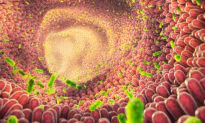
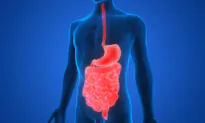
Your digestive system includes your gastrointestinal (GI) tract, pancreas, liver, and gallbladder. The GI tract breaks down and digests food so nutrients can enter the bloodstream and solid waste can be separated and excreted. Your GI tract includes your mouth, esophagus, stomach, small intestine, large intestine and anus. The small intestine is a pivotal region of the GI tract where nutrients, such as amino acids, sugar molecules, vitamins, and minerals get absorbed into the bloodstream. If you unraveled and spread out your small intestine, there would be enough surface area to cover a tennis court. The large intestine contains an elaborate ecosystem of one hundred trillion bacterial cells. A healthy intestinal microbiome is incredibly important to the health of the entire body, supplying essential nutrients, synthesizing vitamin K, and preventing pathogens from entering the body through the digestive system. Research reveals changes in the intestinal microbiome may cause allergies, inflammation, diabetes, obesity, and even cancer. To protect your digestive system, eat a balanced diet of whole foods and avoid food additives. In addition, avoid excessive alcohol, sugar, and unnecessary antibiotics.