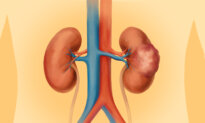
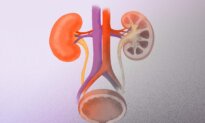
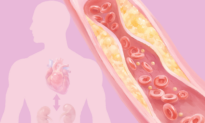
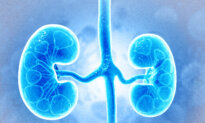
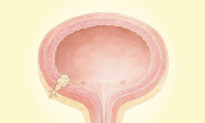
Normal, healthy people have two kidneys that sit just under the rib cage on the back of the body. Their job is to clean toxins out of blood and turn waste and excess fluid into urine. Kidneys can be impacted by bacterial or viral infections, kidney stones, and crystallized urine, which can sometimes lead to kidney failure. Kidney failure occurs when the kidneys are no longer able to filter waste from the blood. Symptoms are pain, changes in urine output, discolored or bloody urine, fluid retention and swelling in the lower extremities, indigestion, nausea, loss of appetite, high blood pressure, and cognitive changes due to dehydration. Risk factors for kidney disease include a history of kidney problems, obesity, having diabetes, an unhealthy diet, and heart disease. Not all kidney disease requires dialysis. Prevention and treatment includes drinking plenty of water, eating a healthy diet, controlling electrolyte levels, and avoiding toxin exposure as much as possible. Chinese herbal medicine has been used as adjuvant treatment for kidney disease with a recent study published in Phytomedicine in January 2022 finding higher survival in advanced disease among patients using a combination of four herbs commonly prescribed in Chinese medicine.