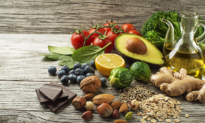
At one level, your body is an impossibly complex symphony of electrical impulses and chemical chain reactions fueled by sunshine, the air you breathe, and the food you eat. Food has three basic nutrients: protein, carbohydrates and fats. They are often referred to as macronutrients, and they give our bodies calories, glucose, amino acids, and fatty acids needed for our metabolism and daily functions. Your body also needs a diverse array of vitamins, minerals, and other compounds to function properly. And you’re not just feeding yourself, you also support a community of symbiotic bacteria and fungi in your gut that play diverse essential roles. Unfortunately, we live in the age of hyperpalatable processed foods: cheap, addictively tasty, and high in calories, these foods are linked to the most pervasive killers of our day, from heart disease to diabetes. While fruits, vegetables, whole grains, mushrooms, and meats are the basis of a nutritious diet, processed foods made from over-processed grains, refined sugars, and denatured oils nurture disease. These cheap and tasty foods have great shelf life—and deadly consequences. You can get more nutrients from your food depending on how you cook it. Some foods are healthier if cooked more, chopped more, or eaten at certain times of year. It is also important to grow foods in living soils that can offer a full spectrum of essential minerals and nutrients—without the effects of toxic herbicides and pesticides and the still largely unknown consequences of genetic modification.