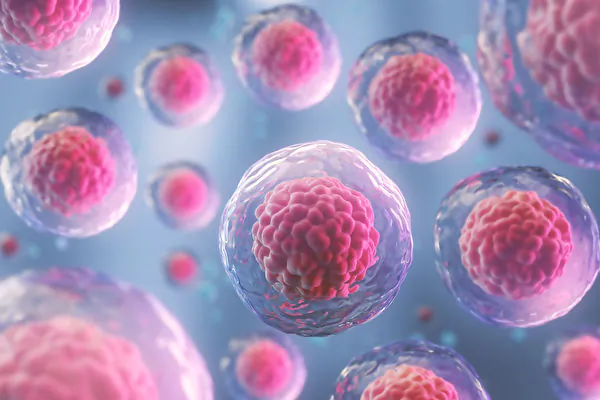
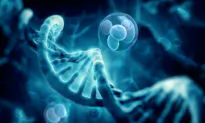
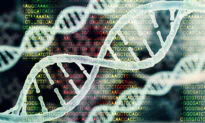
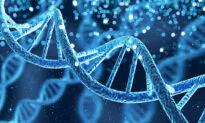
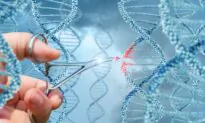
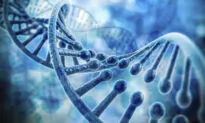
DNA is the molecule inside the nucleus of our cells that carries genetic information for the development and functioning of an organism. This information is passed from one generation to the next. Scientists now believe that the DNA from any two human is 99.9 percent identical and the 0.1 percent differences define the uniqueness of each individual. The information in DNA is encoded by chains molecules called nucleotides. Nucleotides contain a sugar group, a phosphate group and one of four nitrogen bases, namely adenine (A), guanine (G), cytosine (C), and thymine (T). The sequence of these bases is the blueprint for building and maintaining an organism. DNA takes on a double helix shape, where two strands connected by the bases resemble a twisted ladder. DNA can replicate. It ensures that when cells divide, the new cell has the same DNA as the old cell.