
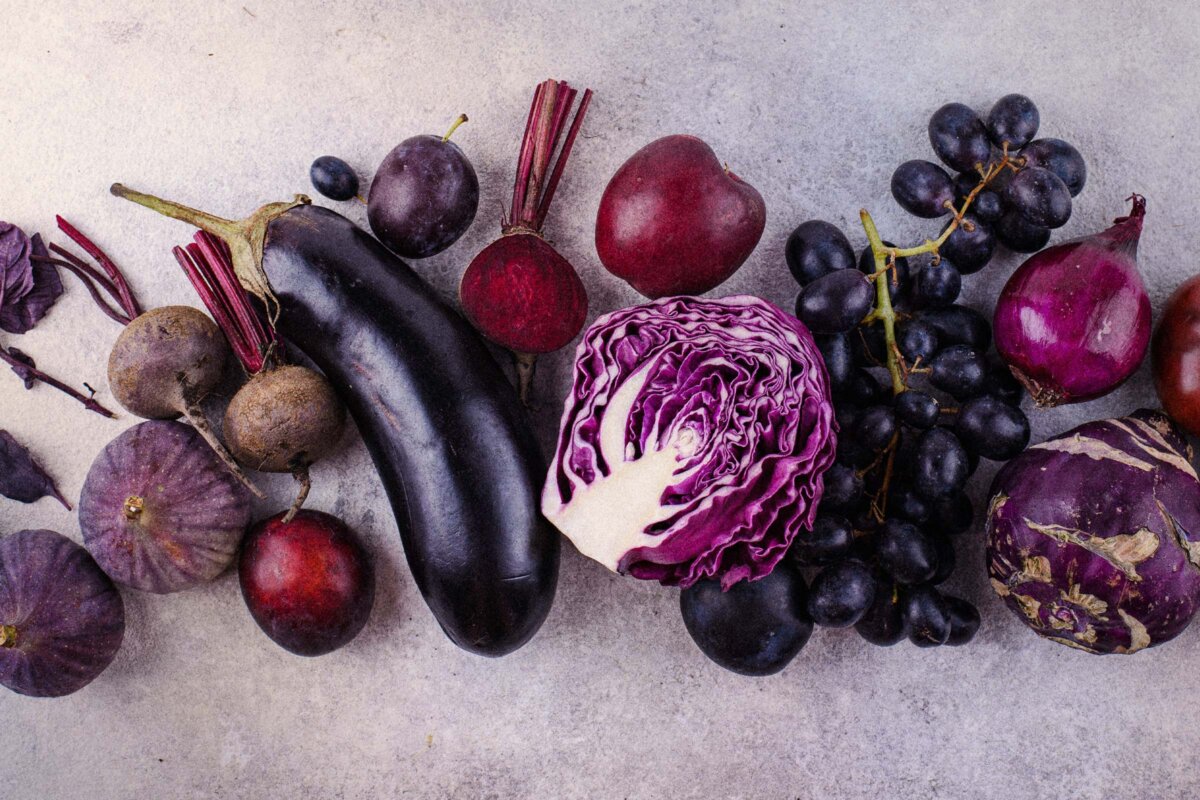
The pigments that make blueberries blue and plums purple may do more than brighten your plate. Research suggests these compounds, called anthocyanins, help blood vessels function better—even in people without cardiovascular disease.
A review of 83 studies linked higher anthocyanin intake with a lower risk of cardiovascular disease. Clinical trials offered a clue to how these compounds might help: improvements in the ability of arteries to relax and widen.
“It was surprising that we saw these important effects in healthy participants,” Aedín Cassidy, author of the study and chair in nutrition and preventive medicine at Queen’s University Belfast in Northern Ireland, told The Epoch Times.
What the Research Found
The review, published in The American Journal of Clinical Nutrition, pooled results from two kinds of studies on generally healthy adults: 18 long-term cohort studies involving hundreds of thousands of people and 65 smaller randomized controlled trials, with a median of 40 participants each.
The cohort studies followed participants for four to 24 years, estimating their anthocyanin intake largely through dietary questionnaires.
Compared with people who ate less anthocyanins, those who habitually ate more were 26 percent less likely to develop cardiovascular disease, 18 percent less likely to have coronary artery disease or a nonfatal heart attack, 11 percent less likely to develop Type 2 diabetes, 9 percent less likely to die of cardiovascular disease, and 8 percent less likely to develop hypertension.
What the review didn’t find was a significant association between anthocyanin and risk of stroke.
These figures come from observational studies, which show that two things were linked, but not that one causes the other. The researchers adjusted for factors such as age, body mass index and, in nearly all studies, for diet as well. However, other factors could still explain the numbers, such as people who eat more anthocyanin-rich foods being healthier in other ways.
A Closer Look at Blood Vessels
The randomized trials examined how anthocyanin-rich foods, drinks, supplements, or purified compounds affected markers of heart and metabolic health. They included doses of at least 50 milligrams of anthocyanins a day and ranged from single-dose experiments to studies lasting several months.
The review found signs of improvement in the cardiovascular and metabolic systems among healthy participants.
-
Blood Vessel Function: A single dose of anthocyanins—about 150 mg to 724 mg—improved flow-mediated dilation by about 1.4 percentage points. Flow-mediated dilation measures how much an artery widens when blood flow increases, a sign of how well the blood-vessel lining is working.
A 1 percent increase means an artery that once widened by 5 percent now widens by 6 percent. When looked at over 4 to 12 weeks, taking anthocyanins daily improved flow-mediated dilation by about 1.6 percentage points. “Since a 1 percent increase in flow-mediated dilation has been associated with an 8 percent to 12 percent reduction in cardiovascular risk, these effects are clinically relevant,” Cassidy said.
-
Artery Flexibility: The review also found some evidence of reduced arterial stiffness, measured by how quickly the pressure wave created by a heartbeat travels through the arteries. The wave moves faster through stiff arteries, so a lower pulse wave velocity indicates more elastic vessels.
-
Insulin: Insulin levels measured after fasting for 8 to 12 hours fell slightly, which may indicate that the body required slightly less insulin to maintain normal blood sugar.
However, there were no significant overall improvements in blood pressure, cholesterol, blood glucose, or the measure of insulin resistance examined.
The team focused on healthy adults because mixing in people with existing disease, who tend to respond more to anthocyanins, makes it hard to tell what diet can do for prevention.
The research is encouraging because it begins to identify specific compounds behind fruit and vegetables’ known benefits, Jayne Morgan, a cardiologist and vice president of medical affairs at Hello Heart, who was not involved in the study, told The Epoch Times.
However, “association does not prove causation, and I would not interpret this as a reason to reach for an anthocyanin supplement,” she said.
The definitive test would be a large, long-term trial tracking heart attacks and strokes, Dr. Deepak Bhatt, cardiologist and professor of cardiovascular medicine at the Icahn School of Medicine at Mount Sinai, who was not involved in the study, told The Epoch Times. But such dietary trials are difficult to conduct, he said, so “the best evidence we may have for the time being is from studies such as this one.”
How Anthocyanins May Work
Anthocyanins appear to help blood vessels produce and preserve nitric oxide, which helps blood vessels relax and widen.
These plant compounds boost the activity of the enzyme that produces nitric oxide and reduce reactive oxygen molecules that would otherwise use it up. They may also make blood platelets less likely to clump, which could lower the risk of clots.
Anthocyanins are often categorized as antioxidants. However, antioxidants work by neutralizing free radicals in the blood that damage cells, and only a small portion of anthocyanins make it into the blood. Instead, their effect may come from being broken down in the digestive system into smaller metabolites, which have been linked to improved blood vessel function in humans.
How to Get More Anthocyanins
Getting more anthocyanins can be as simple as adding berries to breakfast or choosing purple grapes as a snack.
“We saw benefits with just three portions a week in some of the population-based studies,” Cassidy said. “A portion every day would be ideal, but even every other day will be great as part of a healthy diet.”
The goal is to eat at least one serving of an anthocyanin-rich food every day, particularly berries, according to Melissa Mitri, a dietitian-nutritionist, who wasn’t involved in the study.
That could be half to one cup of berries—such as blueberries, blackberries, raspberries or strawberries—or red/purple grapes, plums and red cabbage, she told The Epoch Times.
The servings don’t have to be exclusively from fresh fruits and vegetables. Frozen berries and dried fruits retain high levels of anthocyanins, Cassidy said.
A few easy ways to include them:
-
Stir fresh or frozen berries into oatmeal or plain yogurt.
-
Enjoy grapes or a plum with lunch.
-
Add shredded red cabbage to salads or slaws.
-
Keep frozen berries on hand when fresh ones are unavailable.
The aim is a varied, colorful diet, rather than relying on a supplement or searching for a single “best” food.
The study offers “another compelling reason to encourage people to eat a colorful, plant-rich diet as part of an overall strategy for cardiovascular prevention,” Morgan said.