Vaccines
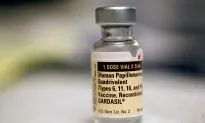
Hailed by the U.S. Centers for Disease Control as the most important public health victory in history, vaccines were first discovered by Edward Jenner in the late 1700s during a smallpox outbreak. He used pustules from cowpox (the bovine form of smallpox) to put under the skin of a young boy to create an immune response. Originally, immunizations were designed to stimulate the body’s immune response with a less potent form of the disease. In the late 1940s, vaccines were recommended for four diseases. By 2020, vaccinations (often administered in combined series and in multiple doses) were recommended for 14 diseases. In 1986, Congress passed the National Childhood Vaccine Injury Act which largely removed the legal liability of vaccine makers for harm caused by vaccines. . There are four ways vaccines are manufactured: attenuated virus vaccines are made up of weakened virus particles, inactivated vaccines are dead viruses, subunit vaccines use a portion of a virus, and nucleic acid vaccines use mRNA technology that enables the body to create a part of a virus. The CDC maintains that vaccines are the best defense against infectious diseases, but also states that no vaccine is actually 100 percent safe or effective for everyone because each person’s body reacts to vaccines differently.