

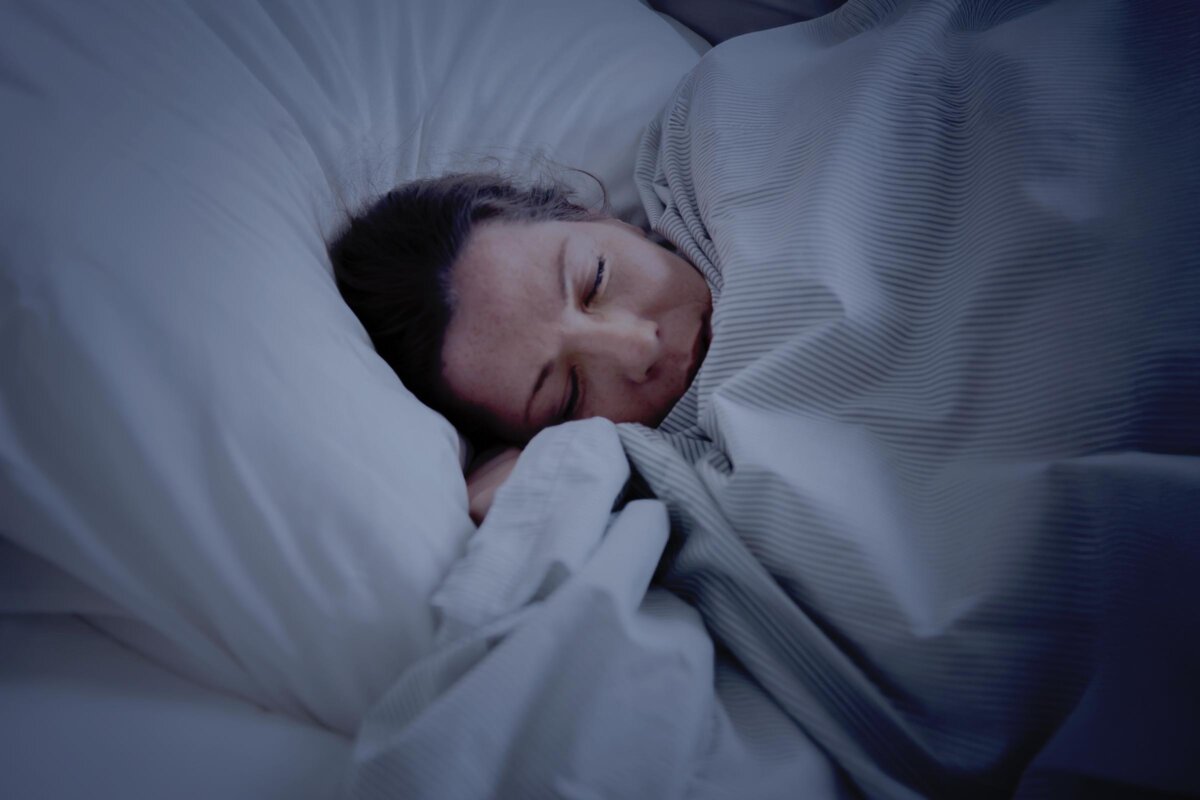
Traditional Chinese medicine (TCM) practitioner Zhou Zonghan often saw patients late at night and used to have a habit of staying up late. He worked until 10 p.m., sometimes getting home by 11 p.m. Afterward, he would relax by watching TV and having a late-night snack.
“My belly was getting bigger, my face was puffy, I had dark circles under my eyes, and my eyelids were puffy too,” Zhou shared on the Health 1+1 program on NTDTV—a sister channel of The Epoch Times.
One day, a patient asked him why he looked 10 years older. This alerted him that he could not keep staying up late.
Zhou’s experience isn’t unique—and it highlights a simple truth about sleep. “Beauty sleep” isn’t just a saying—it’s backed by biology. At night, your body repairs tissues, restores energy, clears toxins, and resets hormones and nerves. When sleep falls short, that renewal stops—and your skin shows it.
Zhou noted that sleep time, duration, and sleep quality are intricately linked to one’s beauty and could be even more important than the benefits of skincare products.
‘Golden Hours’ for Body Repair
According to TCM’s meridian theory, the body has energy pathways called meridians, and each organ’s energy is believed to peak at specific times of the day. The period between 11 p.m. and 3 a.m. is considered the body’s prime repair window. From 11 p.m. to 1 a.m., the Gallbladder Meridian is dominant; from 1 a.m. to 3 a.m., the Liver Meridian takes over.
The gallbladder helps the body release stress and tension, while the liver supports blood flow, hormones, and emotional balance. When a person is asleep between 11 p.m. and 3 a.m., the body focuses on detoxifying, restoring circulation, and calming the nervous system.
If you stay awake during that window, the body’s repair process is disrupted. Energy goes toward activity and stimulation rather than detoxifying, healing tissues, and balancing hormones. Over time, this can cause heat buildup, poor circulation, and inflammation, which TCM links to dull skin, puffiness, breakouts, and premature aging.
Modern research also supports this connection between sleep timing and skin health. In a 2022 study of 219 young women, those who regularly went to bed after 11 p.m. showed significantly poorer skin health, even when total sleep time was similar. Late sleepers had drier skin, reduced elasticity and firmness, greater water loss through the skin barrier, and more visible wrinkles. Their facial microbiome—the collection of microbes that protects the skin—was also less diverse, with helpful bacterial species declining. The study concluded that late bedtime alone can weaken the skin barrier, disrupt microbiome balance, and promote aging.
The Cost of Late and Poor Sleep
TCM traditionally associates the Liver system with maintaining smooth energy and emotional flow. Modern science shows something similar: at night, the liver’s activity aligns with the autonomic nervous system, which controls heart rate, digestion, blood flow, and skin repair.
Staying up late keeps the body in a “fight-or-flight” mode, so blood is directed toward the brain and muscles rather than the skin. When this continues night after night, the result is chronic low-grade inflammation, excess oil production, slower collagen repair, and increased transepidermal water loss—changes that directly translate into a dull complexion.
Seen this way, the TCM concept of the Liver maintaining smooth flow becomes more tangible: when the nervous system is overstimulated by late sleeping habits, circulation stagnates, skin repair lags, and aging accelerates.
Even going to bed early isn’t enough—sleep must be deep and uninterrupted. Poor-quality sleep raises nighttime cortisol, slows skin healing, reduces cell turnover, and weakens collagen. For healthy, youthful skin, both sleep timing and sleep quality are essential, Zhou said.
A 2015 study explored whether poor sleep quality contributes to visible signs of skin aging and impaired skin function. The researchers examined 60 healthy women, dividing them into “good” and “poor” sleepers based on their sleep quality and duration. They evaluated each participant’s skin for signs of aging, such as fine lines, uneven pigmentation, and loss of elasticity. Results showed that poor sleepers had significantly more signs of intrinsic aging, reduced skin-barrier recovery, and slower healing after ultraviolet exposure. They also rated their own appearance as less attractive.
Alerted by the patient’s feedback, Zhou became determined to adjust his lifestyle and sleep habits. Because his work demanded full concentration during evening consultations, making it difficult to fall asleep immediately, he began exercising after work to help. He said, “For a start, I would try aerobic exercise, and the treadwheels, but the more I ran, the more energetic I became, which actually affected my sleep. Later, I switched to weight training. This stabilized my body. And after showering, I fell asleep more quickly.”
Research has also shown that resistance exercise, such as weight training, can significantly improve sleep quality.
Self-Help Tips
Zhou believes that falling asleep by 11 p.m. is good enough to achieve the benefits of beauty sleep. Even if you have to stay up late because of work, you can still mitigate the harm by making certain lifestyle adjustments.
- Ensure You Get Enough Sleep: Aim for seven to eight hours of sleep to ensure your body is well rested.
- Avoid Eating Before Bed: Eating a late-night snack puts additional strain on your stomach and prevents food from being digested effectively. Leave at least two to three hours between dinner and sleep. Also, avoid drinking too much water before bed to prevent frequent nighttime urination, as this can affect sleep quality.
- Adjust Your Sleep Schedule Gradually: If you want to go to bed earlier, do not force yourself to lie in bed and wait, as this will only increase stress. Start by moving both your bedtime and wake-up time by half an hour each day to gradually adjust your body clock.
What to Do When You Can’t Sleep
For some people, exhaustion doesn’t guarantee sleep. They may feel drained after a long day, yet the moment they lie down, the mind becomes active, the body feels restless, and sleep slips further away. In TCM, this pattern is called “yang not entering into yin,” meaning active daytime energy does not transition into nighttime rest.
TCM highlights that the universe and the human body operate through the balance of yin and yang. During the day, yang dominates—this is the energy of action, thinking, decision-making, and outward engagement. At night, yin should naturally take over, guiding the body toward rest, recovery, and internal repair.
When stress, long work hours, emotional tension, or overstimulation keep the yang energy stuck in its active mode, it cannot sink into yin as night approaches. This can lead to:
- Difficulty falling asleep
- Light sleep
- Nighttime restlessness
Ziziphus Seed Sleep Formula (Suanzaoren Decoction)
One classic herbal formula that is especially effective for calming the mind, regulating the nervous system, and guiding yang energy inward so that you can sleep naturally is Ziziphus Seed Sleep Formula.
Main Purpose: Nourishes Heart and Liver yin, calms the spirit, and reduces restlessness.
Ideal For: People whose minds stay active at night, who feel irritable or wired-but-tired, or who wake frequently.
The star ingredient is Ziziphus jujuba seed (Suanzaoren)—one of the most widely used herbs for insomnia in TCM. Modern research shows that these seeds can influence the serotonin system, which plays a crucial role in regulating the sleep-wake cycle, mood, and relaxation.
Simple Home Recipe
This is not as strong as the classical prescription, but it offers gentle support and is suitable for daily use.
Ingredients:
- 10 to 15 grams Suanzaoren (Ziziphus jujuba seeds)
- 5 to 8 grams dried longan fruit
- 10 to 15 grams fresh or dried lily bulbs
- 2 cups water
Instructions:
- Lightly crush the Ziziphus seeds to help release their active compounds.
- Add all ingredients to a small pot with two cups of water.
- Simmer on low heat for 20 to 30 minutes.
- Strain and drink one hour before bedtime.
This mild tonic helps quiet the heart, settle the nerves, and promote restful sleep.
Precautions: TCM formulas are best taken under the guidance of a qualified practitioner, especially for people who are pregnant, taking medications, or have chronic illnesses. However, the tea above is a mild, food-grade version suitable for general relaxation and does not replace medical treatment.