
Every herb has a story.
My grandmother, for example, always put mugwort in the pan for roasting Christmas Goose. Why? Because mugwort is traditionally used as a digestive bitter to stimulate appetite and aid digestion, welcome after such a rich holiday meal.
Herbal traditions and folklore developed across cultures through generations of observation and experience, long before pharmacology became an experimental science in the 19th century. Today, modern research can help us better understand traditional remedies, how they work, and which uses are supported by evidence.
I still remember my family’s stories, read books about healing traditions, and observe the plants growing around me. I watch the people in my community and imagine how traditional knowledge and modern science can merge. My herbal mentor always says: “Plants grow where people need them.”
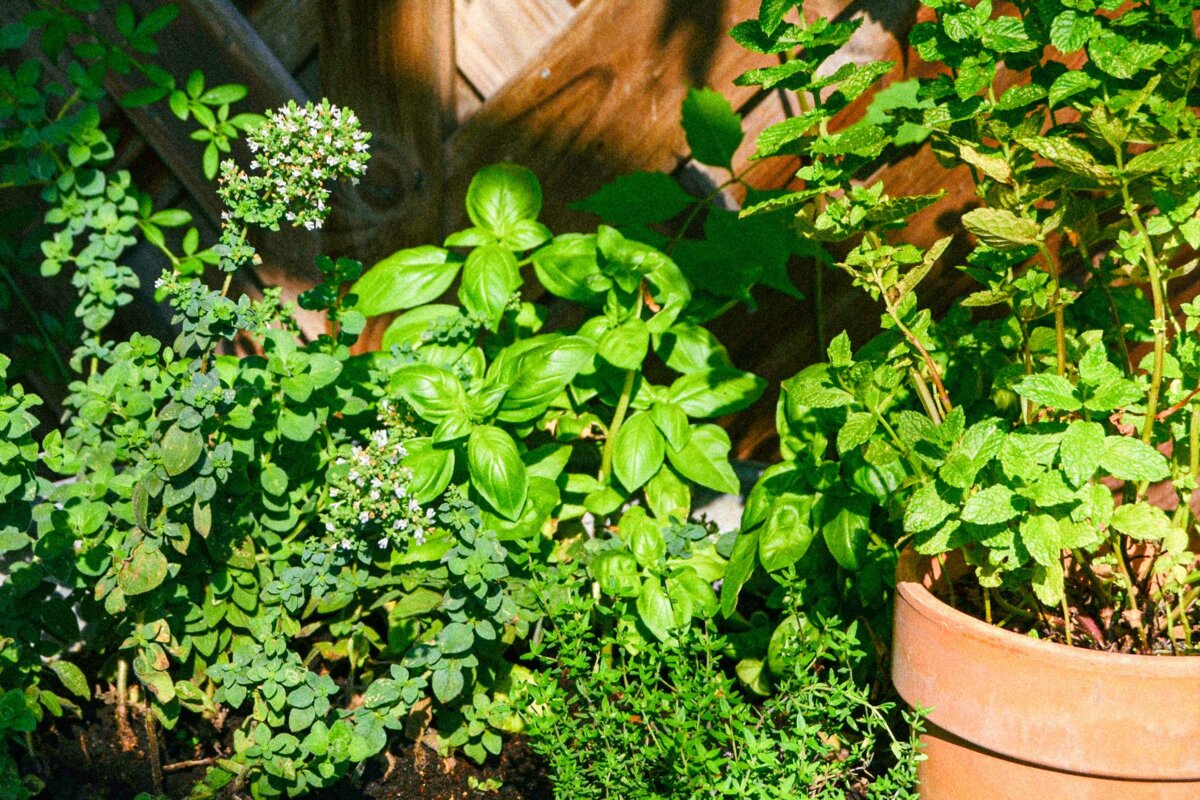
In that sense, many of today’s featured herbs may already grow near you. If not, you can invite them into your garden or grow them in pots on your balcony or patio.
10 Herbs for Your Home Apothecary
These 10 herbs offer many ways to explore natural wellness, with practical uses and simple preparations.
Before You Begin: Medicinal herbs vary in strength, preparation, and safety. Some can interact with medications or may not be suitable during pregnancy, breastfeeding, or for children. Identify plants carefully, especially when foraging, and consult a qualified herbalist or healthcare professional before using herbs to manage a medical condition.
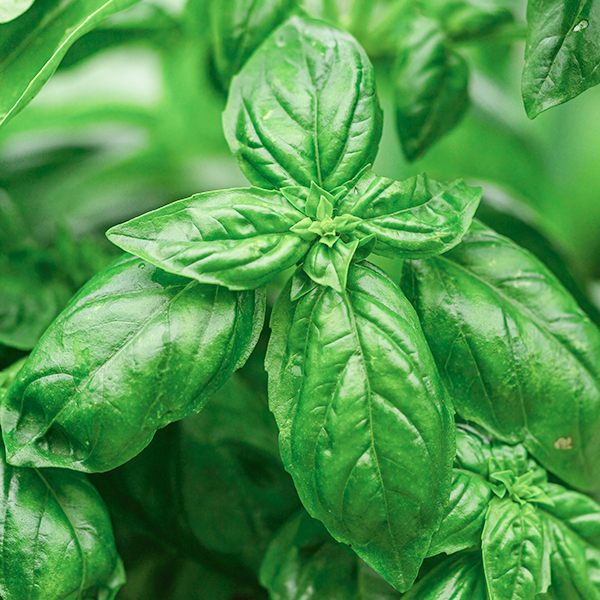
1. Basil
 (Annabell Gsoedl/Shutterstock)
-
Best For: Relieving brain fatigue, depression, and anxiety
-
Part Used: Leaves
-
Simple Preparation: Syrup, tincture, or tea
-
Safety Note: Do not use basil in medicinal doses if you wish to become pregnant; it is contraindicated during early pregnancy.
A 2025 clinical trial involving 60 patients with major depressive disorder found that those receiving basil syrup alongside the antidepressant sertraline experienced greater improvements in anxiety and depression symptoms than those receiving a placebo. The findings suggest basil may offer benefits as an effective, low-cost, and widely available natural alternative or adjunct therapy.
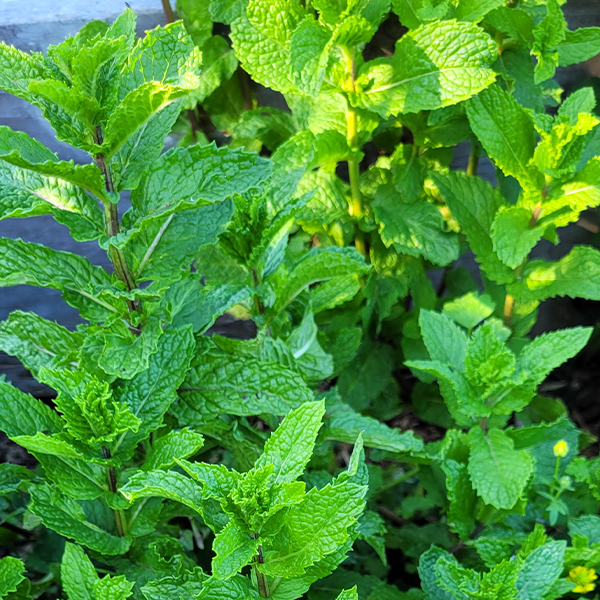
2. Mint
 (Alexandra Roach/The Epoch Times)
-
Best For: Simple nausea and indigestion
-
Part Used: Leaves
-
Simple Preparation: Herbal tea
-
Safety Note: Spearmint has no contraindications. Do not take peppermint long-term, and not when suffering from gastroesophageal reflux disease or gastroesophageal reflux disease, peptic ulcers, hiatal hernia, or gastritis.
Peppermint’s antispasmodic action strongly relaxes the gastrointestinal tract, especially when combined with other herbs such as chamomile, catnip, and wood betony.
A study published in Gastroenterology found that peppermint oil released in the small intestine significantly reduced discomfort, abdominal pain, and the severity of irritable bowel syndrome (IBS) symptoms.
Read more about peppermint for mental clarity in a previous article.
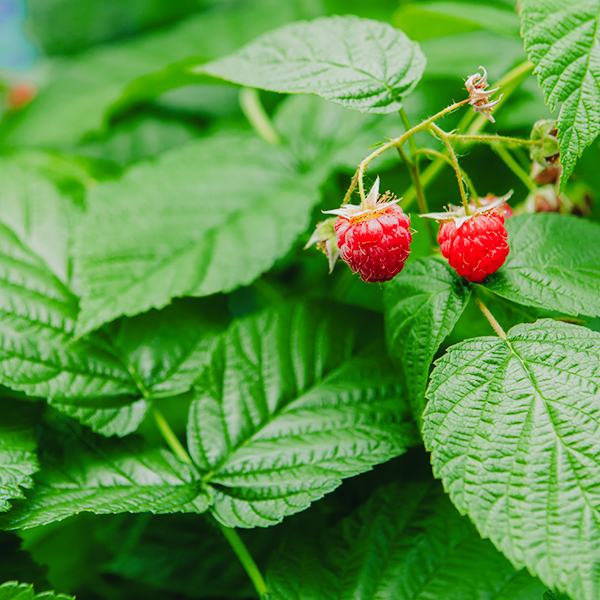
3. Raspberry Leaves
 (Prostock-studio/Shutterstock)
-
Best For: Pregnancy, birth, or prolapsed uterus
-
Part Used: Leaves
-
Simple Preparation: Herbal tea
-
Safety Note: Use caution if you have constipation
Folklore suggests that Native American women used raspberry leaf tea for labor pain relief, while European women utilized it for fertility and menstrual cramps.
Scientific evidence is limited, but a 2021 review found that raspberry leaves affect smooth muscle tissue, including the uterus.
A 1999 study published in the Australian College of Midwives Incorporated Journal indicated that drinking raspberry leaf tea may shorten labor and decrease the likelihood of membrane rupture during birth.
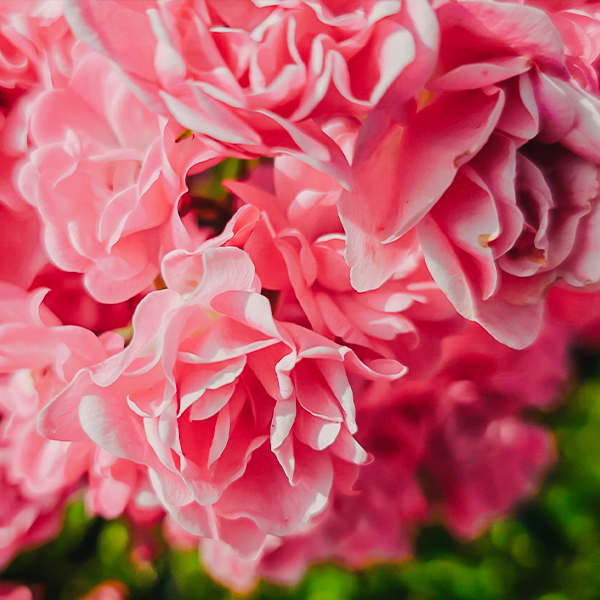
4. Rose
 (Bvbflo1/Shutterstock)
-
Best For: Reduces excess heat (inflammation and irritability) in the body and mind
-
Part Used: Flower petals
-
Simple Preparation: Aromatherapy (essential oil or hydrolate through steam extraction), tincture, or herbal tea
-
Safety Note: Contraindicated at least during the first half of pregnancy; use caution during diarrhea or pre-existing loose stools.
Known as the queen of flowers, the rose has more to offer than just beauty. A 2024 review highlights its potential antioxidant, anti-inflammatory, antimicrobial, and stress-relieving properties.
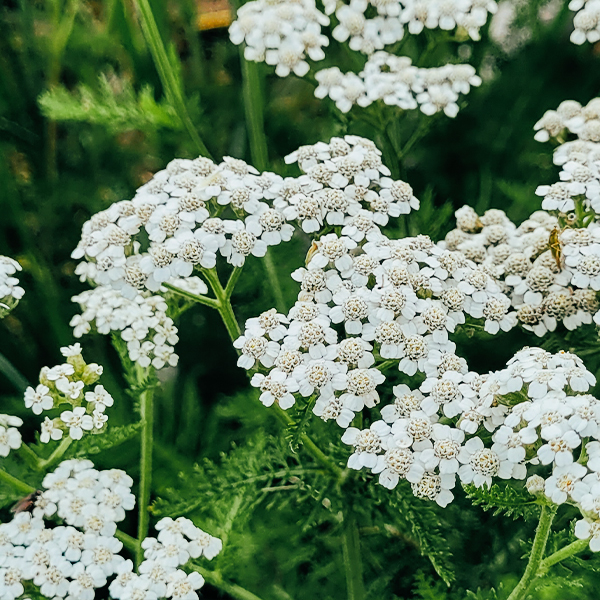
5. Yarrow
 (Alexandra Roach/The Epoch Times)
-
Best For: Passive hemorrhage, bleeding wounds, or cuts
-
Part Used: Upper leaves and flower heads
-
Simple Preparation: Fresh herb-leaf poultice, ground dry-herb powder, alcohol or oil extracts, or an herbal tea
-
Safety Note: Do not use if you are overly constipated. Avoid higher dosages during pregnancy.
A 2024 animal study examined yarrow’s hemostatic properties, or ability to stop bleeding. Researchers found that applying yarrow powder with gauze to wounds in rats reduced bleeding time by about 36 percent compared with gauze alone.
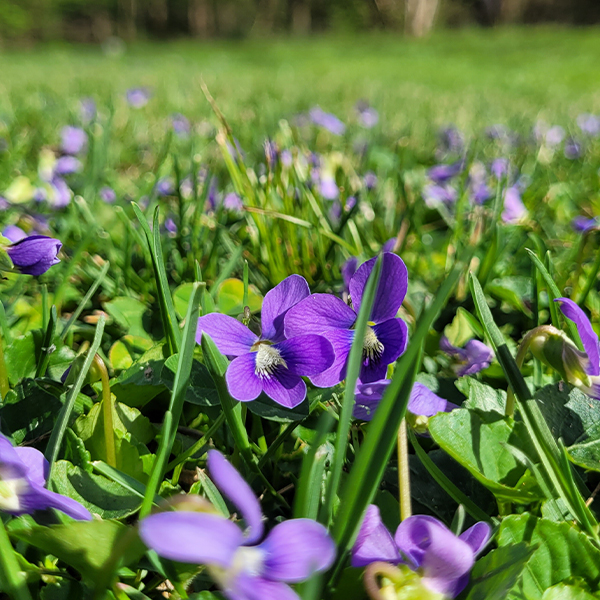
6. Violets
 (Alexandra Roach/The Epoch Times)
However, these small flowers have a long history of medicinal use as an anti-inflammatory and alterative agent, supporting the body’s drainage network and respiratory support.
-
Best For: Migraines, respiratory ailments
-
Part Used: Leaves and flower heads
-
Simple Preparation: Syrup, tea, or tincture
-
Safety Note: Contraindicated during IBS, diarrhea, or pregnancy. Reduce the dose if the laxative effect becomes too strong.
Most evidence for violets’ effectiveness comes from traditional use. People have long used violets for migraines and respiratory issues. A well-controlled 2022 study found that violet syrup might support treatment for COVID-19 and other viral infections. Researchers noted that it could help with symptoms such as cough, muscle pain, and headaches.
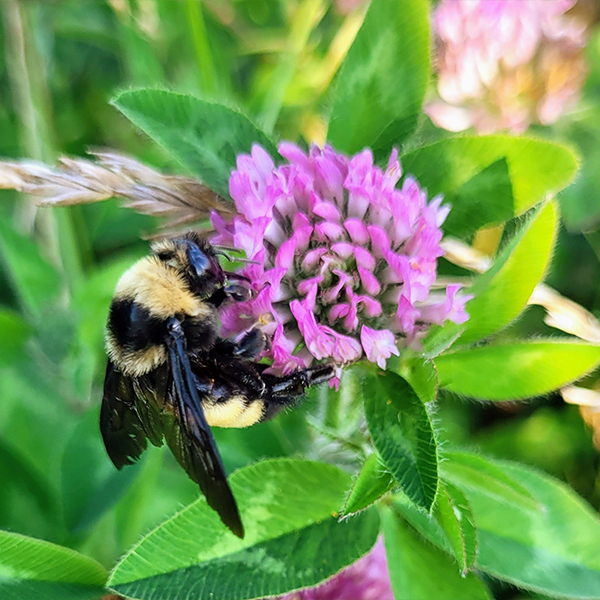
7. Red Clover
 (Alexandra Roach/The Epoch Times)
-
Best For: Lymphatic congestion and anticancer properties
-
Part Used: Flower heads
-
Simple Preparation: Tea or tincture
-
Safety Note: Avoid in high doses in pregnant women with a history of miscarriage.
Did you also pick the little red clover petals as a child to taste their sweet nectar? This familiar plant grows readily as ground cover in fields, along roadsides, in gardens, and in lawns, where it’s often treated as a weed. Yet red clover has a long history in herbal medicine, and researchers are exploring its potential antitumor effects and its blood- and lymph-cleansing properties.
A 2021 systematic review of 80 scientific articles found that red clover shows antioxidant and anticancer effects. Another animal study showed its synergistic results in combination with conventional medication on breast cancer, reducing the medication’s side effects, as well as suppressing tumor growth.
8. Dandelion
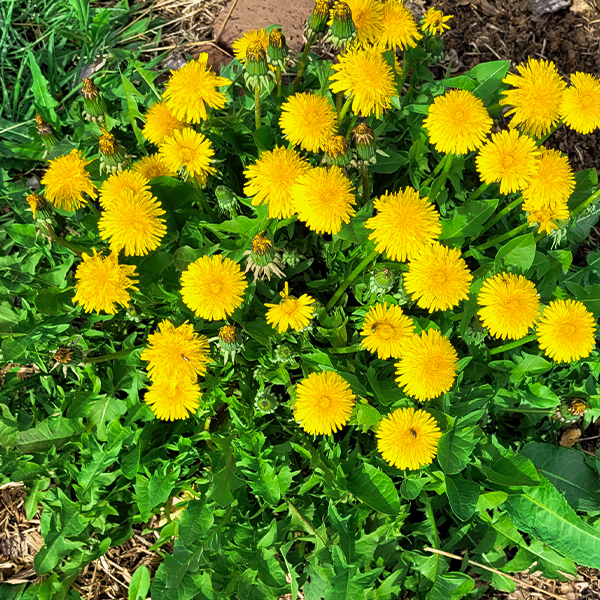 (Alexandra Roach/The Epoch Times)
-
Best For: Edema (water retention) and detoxifier
-
Part Used: Leaves and roots
-
Simple Preparation: Culinary (in salads or as a fresh-pressed juice), herbal tea, or a tincture
-
Safety Note: Long-term use or large doses may aggravate the stomach. Stools may loosen.
A 2009 pilot study published in the Journal of Alternative and Complementary Medicine found that dandelion leaf extract increased urination frequency within five hours of the first dose and again after the second dose. Urine output also increased.
9. Comfrey
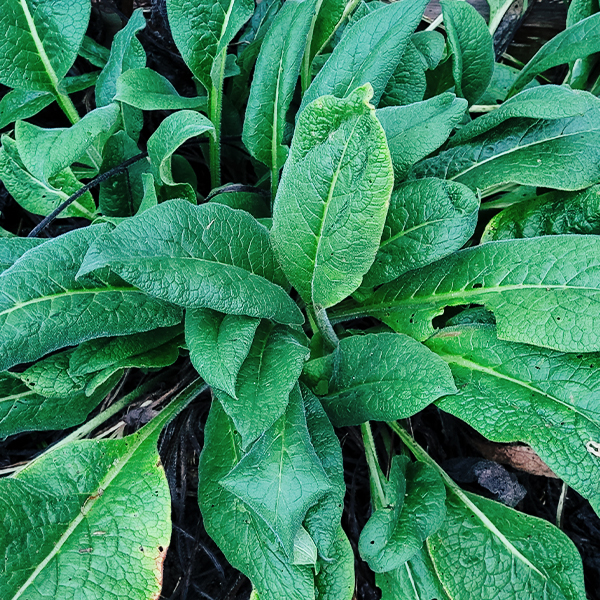 (Alexandra Roach/The Epoch Times)
-
Best For: Wound healing, mucosal damage, and inflammation
-
Part Used: Leaves and roots
-
Simple Preparation: Poultice, oil (salves made from oil), tea (or water extractions for baths), or tincture
-
Safety Note: Not for prolonged internal use; this could cause liver damage. Consult a qualified herbalist if you want to use it internally during pregnancy, breastfeeding, or in young children.
A 2024 study observed comfrey’s anti-inflammatory and skin-regenerative benefits. Researchers considered topical application generally safe but noted that you should patch-test it, especially if you have sensitive skin.
10. Nettles
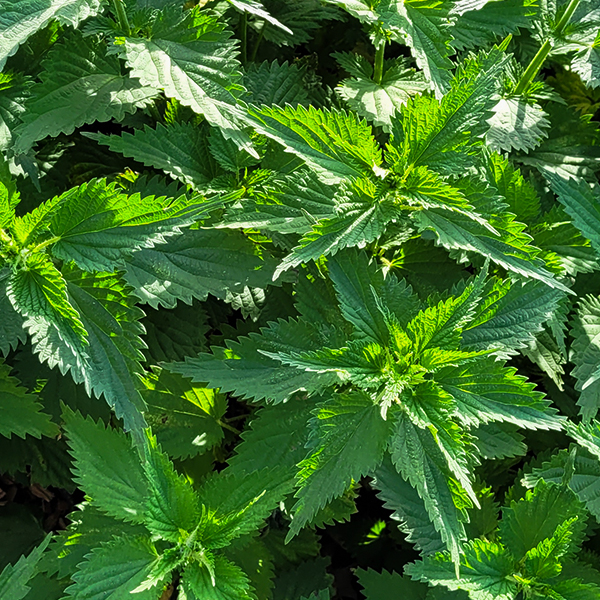 (Alexandra Roach/The Epoch Times)
-
Best For: Anemia and other deficiencies
-
Part Used: Leaves and seeds; in special cases, the root
-
Simple Preparation: Culinary (in food and smoothies), tea, or tincture
-
Safety Note: Do not eat raw, fresh leaves unless prepared correctly. Wear gloves when handling fresh nettles. Blanch, cook, or properly dry the leaves before eating to remove their sting.
A 2023 comprehensive review highlights the herb’s anti-inflammatory and antioxidant qualities, the nutritional profile, and nettles’ endocrine-modulating properties. Researchers call it a disease-preventing herb.
Learn how to make a stinging nettle smoothie here.
Each of these herbs has a long history of use, with far more to explore than one or two articles can cover. Let this list inspire you to connect with nature, bring useful plants into your kitchen, and boost your well-being through simple home remedies.
When in doubt, reach out to your local herbalist and healthcare professional before using medicinal plants, especially if you take medications, have a medical condition, or are pregnant or breastfeeding.