
With chillier temperatures and the fading of brilliant fall colors, there’s another downward shift that often occurs at this time of year: Moods and energy levels often fall as the daylight hours become shorter. Even for those who don’t experience the depressive state indicated by a “seasonal affective disorder” (SAD) diagnosis, some change in mood and energy at this time of year is normal.
Defense Against the Winter Blues
One way to practice self-care for both mind and body in the fall is to make an effort to eat a healthy and nourishing diet. The Mediterranean diet, in particular, is full of mood-boosting nutrients that make it a good choice for combating seasonal blues.
There are naturally occurring physiological shifts once the daylight hours grow shorter, and these can have a direct impact on our moods. Serotonin is a neurotransmitter (chemical messenger) that, among many functions, works to boost and stabilize mood. However, it’s dependent upon vitamin D for its synthesis, and because levels of vitamin D (primarily produced via exposure to sunlight) also drop during the winter months, serotonin production is reduced.
On the flip side, melatonin (aka “the sleep hormone”) levels may rise in the fall and winter months in response to the season’s increased hours of darkness. Together, serotonin and melatonin regulate the body’s circadian rhythms.
While some shifts in mood and sleep patterns in the fall and winter months are normal and may even be beneficial, extended periods of sadness, fatigue, and other symptoms typical of depression aren’t and may indicate seasonal affective disorder. According to the American Psychiatric Association, SAD affects about 5 percent of the U.S. adult population. If you think that you may be suffering from SAD, seek the help of a medical professional.
For most of us, however, normal seasonal shifts in mood can be helped through a few simple adjustments, such as getting more exercise and exposure to bright light. Another key area—one that’s easy to overlook—is diet, especially because the “comfort foods” that we crave often include refined carbohydrates, such as pizza or pasta. This is where the Mediterranean diet can be beneficial.
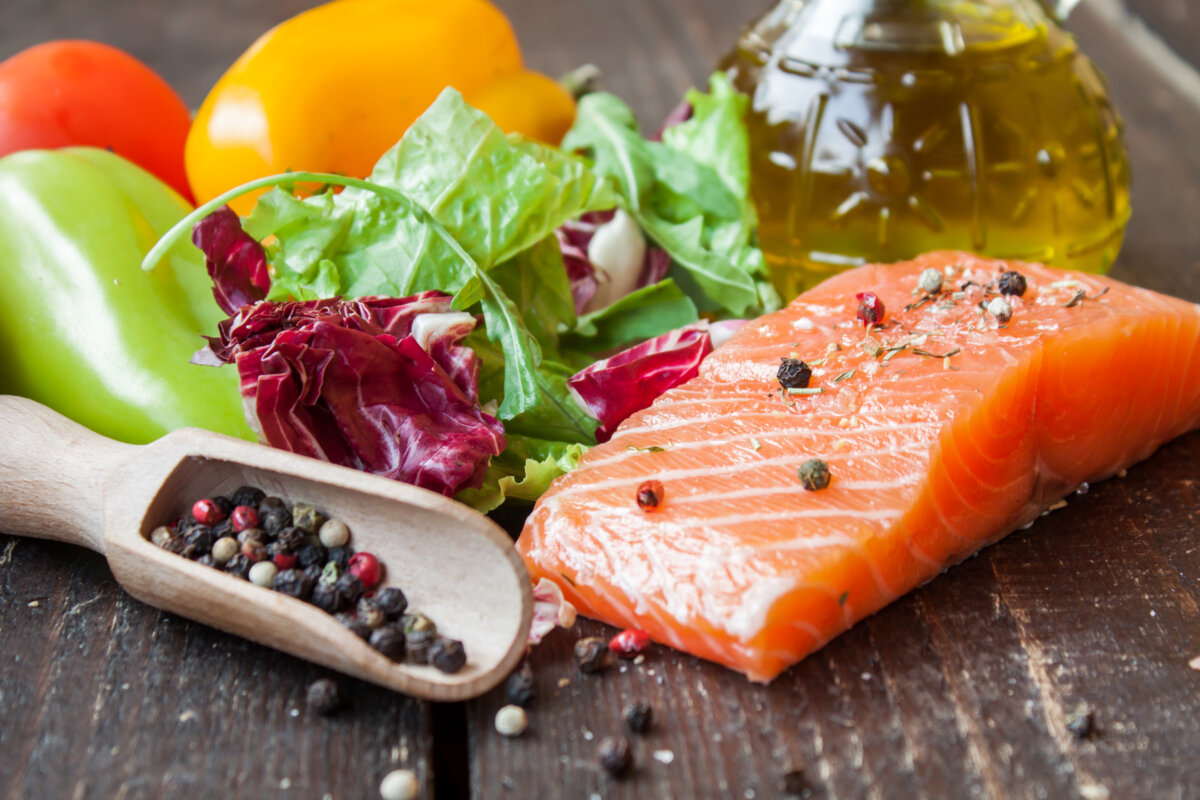
The Mediterranean diet, which draws from diets typically found in countries bordering the Mediterranean Sea, is characterized by an abundance of fresh fruits and vegetables, whole grains, olive oil, fish, legumes, nuts and seeds, and moderate amounts of dairy, eggs, and red wine.
For years, research has shown that the Mediterranean diet offers a vast array of health benefits, including protection against cardiovascular disease, stroke, diabetes, and even certain types of cancer. It has been shown to promote healthy aging and protect against cognitive decline. Interestingly, it has also shown strong potential to improve mood and help to alleviate depression.
One large study, published in the journal Nutrients in January 2022, surveyed 11,769 U.S. adults to examine whether adherence to a Mediterranean diet was associated with depressive symptoms.
“We found that greater adherence to a Med Diet was associated with 40 percent to 45 percent lower odds of moderate to severe depressive symptoms, which provides modest support for the diet’s role in mental health,” the study authors wrote.
The authors found that the participants who maintained the highest level of adherence to the diet were also more likely to practice other health-promoting behaviors, such as exercising regularly and avoiding tobacco. Still, the role of diet in maintaining a healthy mental state is significant, and many other studies have confirmed the supportive role of the Mediterranean diet for mental health and mood.
Another study, titled “Antidepressant foods: An evidence-based nutrient profiling system for depression,” published on Sept. 20, 2018, in the World Journal of Psychiatry, identified 12 specific “antidepressant nutrients.” They are: “folate, iron, long-chain omega-3 fatty acids (EPA and DHA), magnesium, potassium, selenium, thiamine, vitamin A, vitamin B6, vitamin B12, vitamin C, and zinc.” The varied Mediterranean diet is rich in each of these nutrients. Fish and other seafood provide omega-3 fatty acids, iron, zinc, and B12, while whole grains, abundant fruits and vegetables, and legumes provide the rest.
Bolster Diet With Strong Social Connections and Exercise
Just as depression isn’t usually caused by a single isolated factor, the Mediterranean Diet alone doesn’t offer a one-step easy solution. It’s important to note that, in those areas of the Mediterranean with enviable rates of longevity and good health, these benefits aren’t attributed to diet alone. The Mediterranean lifestyle typically also includes other health-promoting behaviors, such as exercise and slower-paced meals, which nurture strong social connections.
Diet is a great place to start, however, and when it comes to mood-boosting foods, the Mediterranean diet is hard to beat.