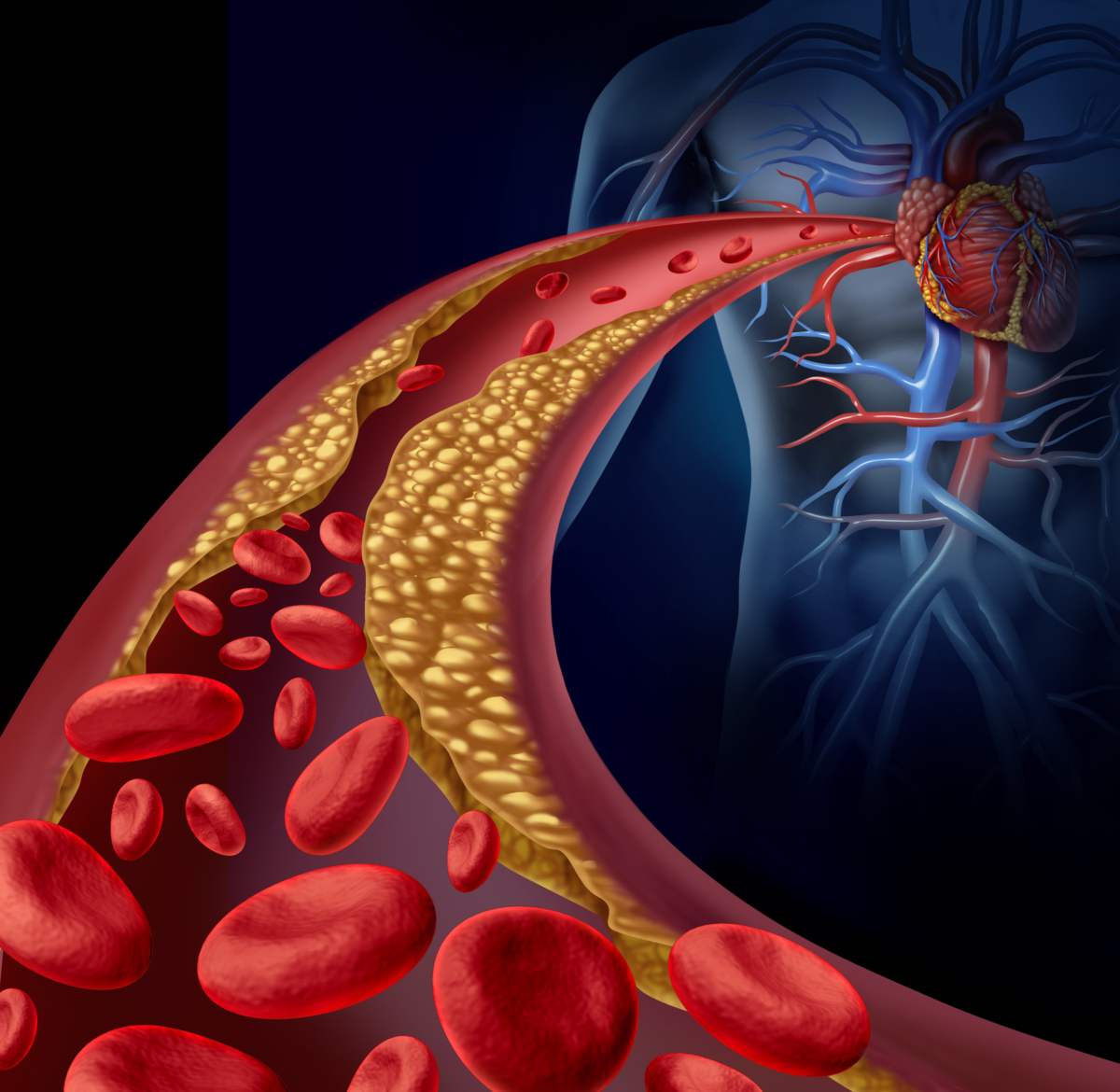
Is berberine the key to a healthy heart? A recent study published in Nature found that supplementing with berberine may prevent atherosclerosis by reducing the size of plaques in the carotid arteries.
Berberine acts on harmful bacterial substances produced in the gut during digestion that can eventually enter the bloodstream and cause vascular inflammation, ultimately resulting in atherosclerosis.
What Is Berberine?
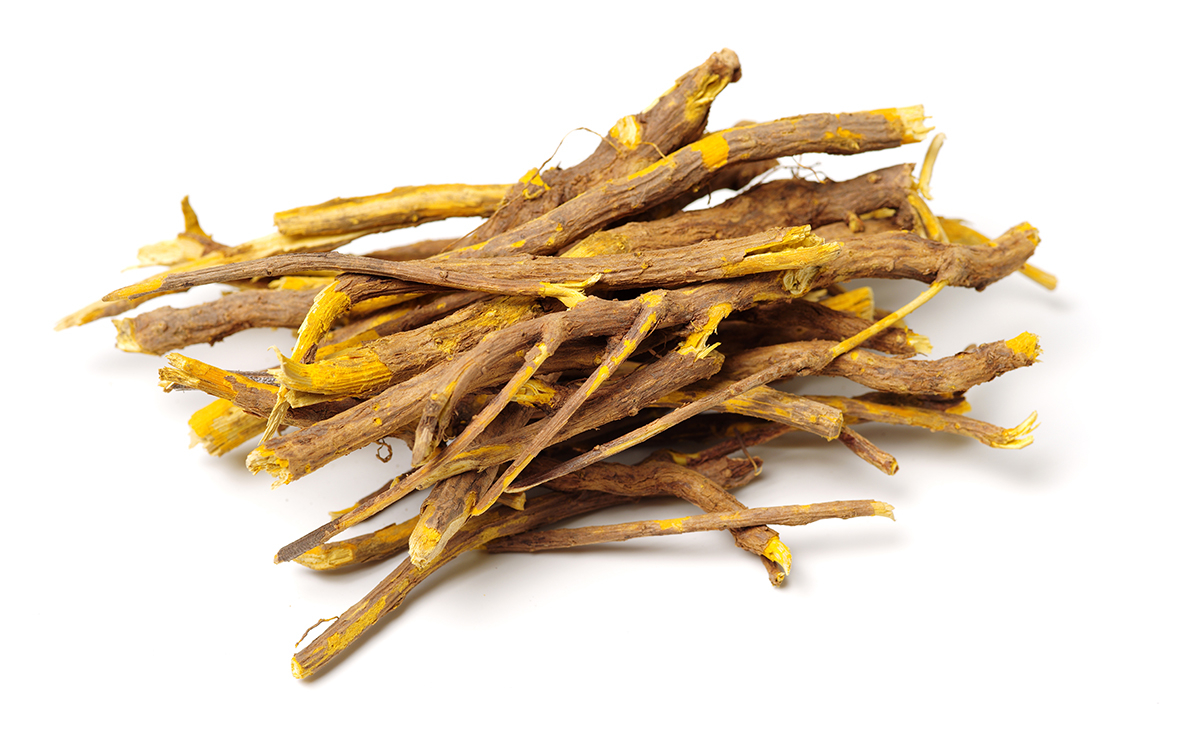
Berberine is a compound isolated from Coptidis rhizoma (Chinese goldthread), an herb used in traditional Chinese medicine to treat infections, diarrhea, diabetes, and hyperlipidemia. Berberine is also found in various plants used in homeopathic medicine including goldenseal, Oregon grape, and barberry.
The same group of researchers that conducted the Nature study has been investigating berberine since 2004 and has concluded that it is a “safe and effective medicine” for treating high cholesterol and Type 2 diabetes.
Blood samples from study participants indicated only about 1 percent of berberine, yet the effect of oral berberine was still significant. Hence, the researchers suspected something in the gut might make the berberine more bioavailable. They then discovered that berberine was entering the gastrointestinal tract and changing the gut microbiota.
The Role of Gut Microbiota in Cardiovascular Disease
The gastrointestinal tract, commonly called “the gut,” was once recognized solely for its ability to absorb nutrients. However, we now know that it harbors more than 100 trillion microbial cells or gut microbiota that influence many factors associated with human physiology, including nutrition, metabolism, and immune function.
Gut microbiota is now considered its own physiological functional unit. Scientists sometimes refer to it as an endocrine organ, as it plays a crucial role in regulating metabolism and maintaining health.
“Intestinal microbiota play a critical role in regulating inflammation in the body,” Dr. Kevin Huffman, a board-certified bariatric physician, told The Epoch Times. “Disruption of this microbiota, either through antibiotics or dietary changes, can trigger or accelerate the development of inflammatory diseases like inflammatory bowel disease, obesity, and atherosclerosis.”
High Levels of TMAO Increase CVD Risk
The gut microbiota breaks down foods that are high in choline (e.g., red meat, dairy products, and egg yolks) and L-carnitine (e.g., some supplements, energy drinks, and red meat) into a compound called trimethylamine (TMA), which is then converted into another compound called trimethylamine N-oxide (TMAO).
TMAO was initially considered a waste product. However, recent research has shown that it’s a factor in the formation of atherosclerotic plaque, and that high levels of TMAO are associated with an increased risk of cardiovascular disease (CVD).
Chris Kresser, a renowned expert in functional medicine and the author of “The Paleo Cure” and “Unconventional Medicine,” wrote an article challenging the idea that increased TMAO levels in the blood from red meat consumption cause atherosclerosis. He believes that further study is needed to determine whether red meat is to blame for increased TMAO levels or if a poor diet is actually the underlying cause.
Mr. Kresser explained: “In order to know whether red meat is really to blame for changes in the gut flora that increase TMAO production, we’d have to do another study with two groups: one that follows a Paleo diet rich with fruits, vegetables, and soluble fiber, as well as red meat; and another vegan/vegetarian diet with equivalent amounts of plant matter and no meat. If the Paleo diet followers still had higher levels of TMAO, this hypothesis would be a lot stronger.”
Although preliminary studies don’t show the exact mechanism behind TMAO and how it contributes to CVD, evidence suggests that TMAO stimulates an inflammatory response that leads to atherosclerosis. TMAO also interferes with platelet function, promoting the formation of blood clots in the arteries.
“The gut microbiome also affects lipid metabolism and helps regulate lipid levels in blood and tissues. Changes to the microbiota can trigger dyslipidemia, cause cholesterol deposits to arterial walls, and add to atherosclerosis and other chronic cardiovascular conditions,” Dr. Huffman said.
How Berberine Reduces Atherosclerotic Plaque
Reduces Gut TMAO
When the berberine study researchers discovered that the supplement was changing the gut microbiota, they wanted to know how. They found that when taken orally, berberine enters the gut microbiota and deactivates the enzymes that make TMA and TMAO. The berberine may not completely eradicate the formation of TMAO, but reduces it enough that less of the compound enters the blood vessels, thus reducing the risk of developing atherosclerotic plaque formation.
Reduces Plaque Formation in Blood Vessels
The study enrolled 49 patients. Group 1 consisted of 16 participants whose blood lipids and glucose levels were within normal range. This group served as a reference for TMA and TMAO levels.
Group 2 consisted of 21 of the study participants who were hyperlipidemia patients with high blood glucose or lipid levels; all had been diagnosed with atherosclerosis, and none had undergone treatment before enrolling in the study. A dose of 500 milligrams of berberine was given twice daily to the 21 participants in group 2 for four months.
The remaining 12 participants (group 3) were atherosclerosis patients with elevated baseline glucose and lipid levels. These 12 participants were treated with the statin rosuvastatin plus aspirin and anticoagulant therapy of either clopidogrel sulfate or ticagrelor as needed, according to the guidelines for treating cardiovascular diseases.
Each patient’s plaques were examined and analyzed before and after treatment to determine the therapeutic efficacy. There were a total of 49 plaques in group 2, and 28 of them were reduced in size after berberine treatment.
Group 2 patients showed a significant average plaque score decrease of 3.2 percent, suggesting a potential anti-plaque berberine effect in atherosclerotic patients. The group also had a decrease in blood glucose and lipid levels, and average levels of elevated total and LDL cholesterol were lowered into the normal range.
In addition to the plaque score reduction seen in group 2 participants, researchers also observed decreases of 37 percent in TMA and 35 percent in TMAO in participants’ blood levels, and decreases of 38 percent in TMA and 29 percent in TMAO in participants’ feces.
Group 3 patients treated with conventional drug therapy had 54 plaques. After four months of using conventional drug therapy, the group had an average plaque score increase of 1.9 percent.
The researchers concluded that taking 500 milligrams of berberine twice daily could effectively prevent plaque development in atherosclerosis by decreasing levels of TMAO in the gut and, ultimately, in the blood.
Other Berberine Studies
A systematic review and meta-analysis concluded that berberine can help to reduce obesity and lower lipid levels by reducing total glucose, and total and LDL cholesterol, and by increasing HDL cholesterol. The review also found that berberine can reduce insulin resistance, improve Type 2 diabetes, and prevent diabetic encephalopathy (brain disease or damage) in the most severe cases.
Berberine Recommendations
Since plants containing berberine are uncommon in the United States, most people will add it to their diet as a supplement.
While berberine is considered safe for most adults, Dr. Huffman recommends consulting a health care provider before taking berberine supplements, “especially if already on medications like cyclosporine, dextromethorphan, azithromycin, clarithromycin, macrolide antibiotics, blood pressure, and cholesterol medications, sleeping aids, as well as blood thinners.”
Pregnant women and breastfeeding mothers, as well as people with diabetes, should avoid taking berberine supplements, he said.
Additional and more extensive clinical trials are needed to determine the benefits of berberine for treating atherosclerosis. The potential cardiovascular benefits could help reduce or eliminate the extensive drug regimens for people suffering from cardiovascular diseases.