

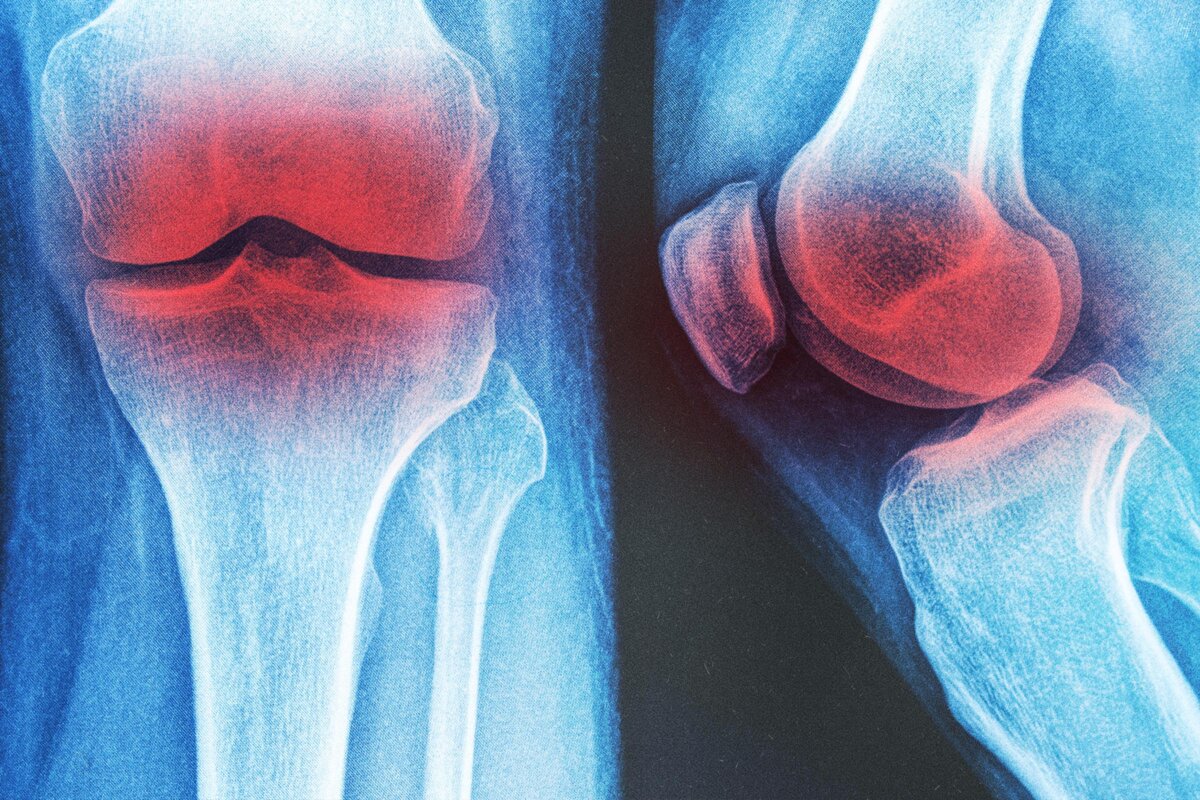
Physiotherapist Alex Lee had a 64-year-old patient with knee arthritis. She experienced difficulty walking for more than 10 minutes at a time because of pain. Her stiff knee joints and weak leg muscles made her afraid of falling.
Approximately six weeks after her first hydrotherapy treatment, she was able to walk for more than 30 minutes without having to stop. Her pain decreased dramatically, and she was stronger and more confident on her feet. It was the first time in years that she reported having felt as if her body was working with her rather than against her.
Approximately 10 percent of men and 13 percent of women older than 60 have knee arthritis, a condition associated with pain and disability.
Nonsteroidal anti-inflammatory drugs, such as ibuprofen, are commonly prescribed treatments but have side effects. According to research, adverse effects include a fourfold increased risk of gastrointestinal bleeding and more than double the risk of acute kidney injury within 30 days in patients older than 65.
Knee Braces: Best of 12
A network meta-analysis, published in June in PLOS One, compared 12 physical therapy interventions for knee arthritis. Researchers found that of the 12, knee braces were the best choice. Following that, hydrotherapy and general exercise were deemed the most effective.
According to the meta-analysis findings, knee bracing showed the highest likelihood of being the best intervention, as it produced high scores in reducing pain, relieving stiffness, and improving function. Hydrotherapy was very effective in alleviating pain, while general exercise was consistently effective in alleviating pain and boosting function. Shockwave therapy and high-intensity laser therapy had some benefits, and ultrasound had the lowest effectiveness scores.
The researchers acknowledged several limitations of their study that may have affected the precision of the rankings, including the small sample sizes of the trials, differences in study design, and variations in treatment durations. However, they suggested that physical therapy offers substantial benefits that come without the risks of anti-inflammatory drugs.

More About the Top 3 Therapies
Lee shared his physiotherapy expertise regarding the top three therapies in the study with The Epoch Times:
Knee Bracing
“The most common and effective braces for knee arthritis are unloader braces and compression sleeves,” he said.
Unloader braces shift force away from the most affected part of the knee and are especially useful for active people who need more support. Compression sleeves are light and comfortable and can be worn for everyday activity or light exercise, as they minimize swelling and support the joint.
Hydrotherapy
“I’ve had quite a bit of practice working with people who have arthritis in the knees, and one thing most beneficial that we provide is hydrotherapy,” Lee said. “The warm water loosens tight muscles and increases circulation, while the weightless sensation it gives removes pressure from sore knees.”
In a typical hydrotherapy class, Lee may walk a person through gentle exercises such as knee bending and straightening, tiny squats, or water-walking, which is walking in a pool of water. These exercises help to strengthen the quadriceps and hamstring muscles surrounding the knee without harming the joint, he said.
“I’ve seen people shift from stiff and sore to improved movement in a span of just a couple weeks,” Lee said.
Exercise
According to Lee, a 20-minute walk three to five times per week is simple and effective for most people with knee arthritis because it’s often a low-impact aerobic exercise. However, he recommends walking on firm, level ground and wearing shoes that support arches and heels well.
“Don’t push through pain—if your knees hurt, it’s okay to rest or modify activities,” he said.
“The idea is to just keep making progress, not to make it worse.”
If walking causes pain or if a patient prefers an alternative to walking, Lee suggests exercising on an elliptical machine, since it’s easier on the knees. An elliptical machine allows leg movement in a smooth, continuous, oval-shaped motion, kind of like a cross between biking and walking. Most exercise equipment also has swinging handles that allow exercising of the arms as well.
“It’s great for people with sore joints, but it still gets your heart pumping,” he said.
