
Medicare will offer 13 drugs at lower prices, saving an estimated $9.2 billion annually, the Centers for Medicare & Medicaid Services (CMS) said on Monday.
The slate includes Trulicity, a diabetes drug from Eli Lilly; the human immunodeficiency virus (HIV) treatment known as Biktarvy, made by Gilead Sciences; and Orencia, which targets arthritis and is manufactured by Bristol-Myers Squibb Company. The reduced costs will take effect Jan. 1, 2028.
Medicare expenditures for Trulicity over a span of 12 months, through the end of October 2025, were nearly $4.9 billion.
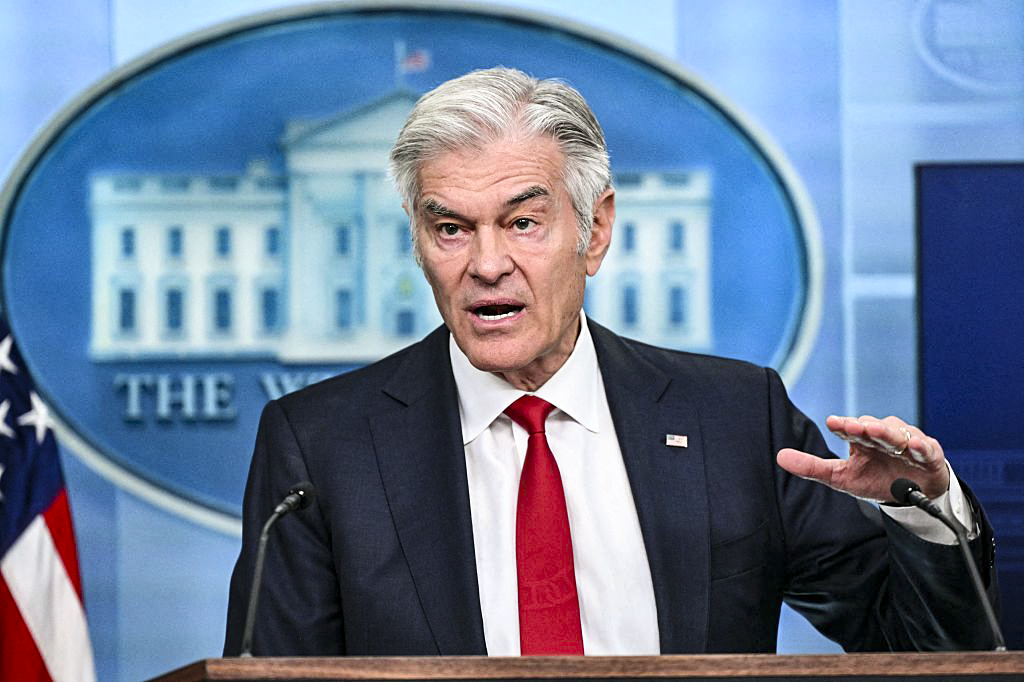
“Every year, millions of seniors leave the pharmacy empty-handed because they can’t afford their medication,” CMS Administrator Dr. Mehmet Oz said in a statement. “The Trump administration is committed to use every tool at our disposal to negotiate fairer, more affordable prices to ease the burden on Medicare beneficiaries and help them get the care they need.”
The lower drug prices were reached through price negotiations under a 2022 law called the Inflation Reduction Act. While Medicare, a government-run health insurance program, could not previously negotiate with drug makers, the law requires it to negotiate prices for 60 drugs by 2029.
A federal appeals court recently upheld the legality of the drug price negotiation program.
Lower prices for the first 10 drugs picked for negotiations took effect in January.
The second slate, consisting of 15 drugs including the weight loss drugs Ozempic and Wegovy, is due to be available at lower prices in 2027.
The drugs that will be available at lower prices starting Jan. 1, 2028, are Trulicity, Biktarvy, Orencia, Cosentyx, Erleada, Kisqali, Entyvio, Verzenio, Lenvima, Rexulti, Tradjenta, Anoro Ellipta, and Cimzia.
Gross spending on the drugs in 2025 cost Medicare $25.6 billion, according to CMS. They were provided to about 1.4 million people with Medicare Part D coverage and about 120,000 individuals with Medicare Part B coverage. People had to pay around $1.3 billion out-of-pocket for the drugs.
Trulicity, the most-used drug among the 13, will cost just $150 for a 30-day supply starting in 2028, compared to $965 in 2025. That’s an 84 percent cut. Biktarvy will come in at $2,600 for a 30-day supply, down from $4,141.
If the agreed-upon prices had been in effect in 2025, an estimated $9.2 billion would have been saved, amounting to 45 percent lower net spending, the agency said.
CMS in January selected 15 drugs for the third round of negotiations, headlined by Botox, as well as Tradjenta for renegotiation.
A federal judge in October ruled in favor of Botox-maker AbbVie, which had challenged the inclusion of Botox in price negotiations. Botox is a plasma-derived product, so it meets an exception outlined by Congress, the judge said.
No lower price will be available for Botox “so long as the court order remains in effect,” CMS said on Monday.
CMS also determined that the negotiated prices would not apply to the arthritis drug Xeljanz because there is at least one generic version; Xolair would be excluded because at least one biosimilar references it; and both the generic and biosimilar are subject to bona fide marketing.