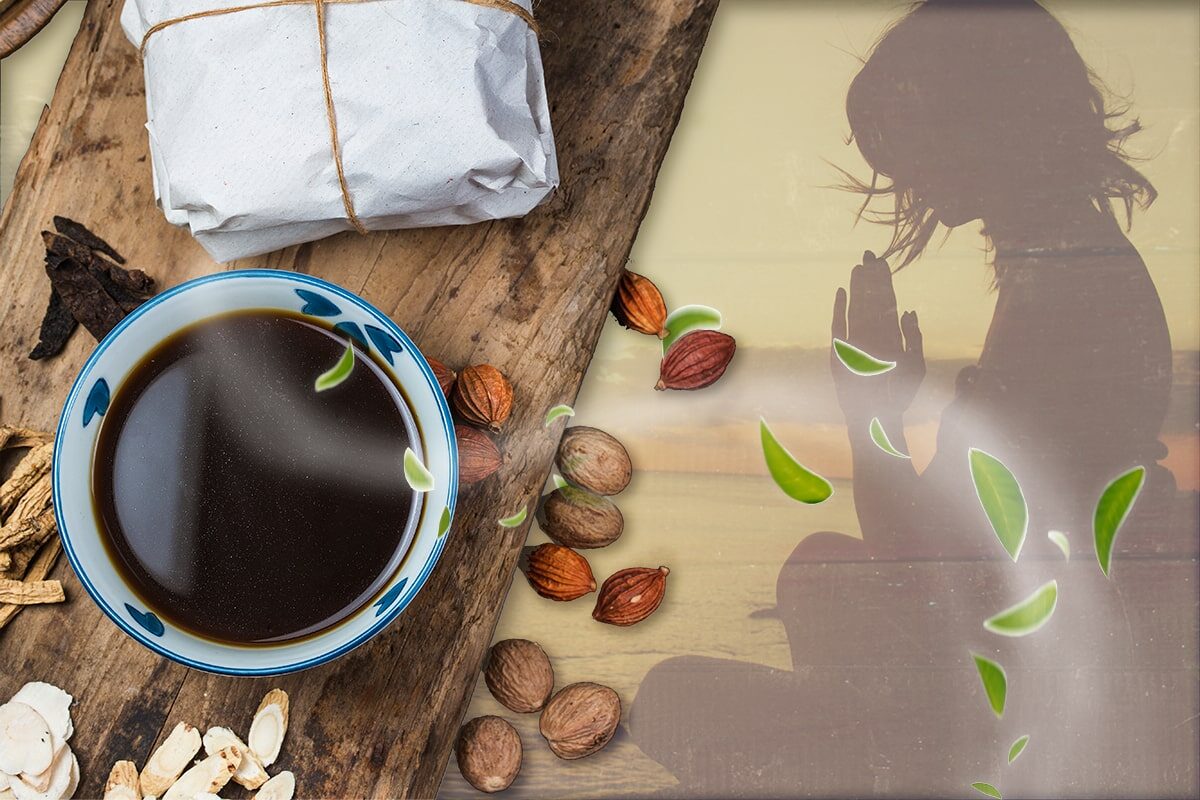
The Jing, also known as essence or Jing Qi, refers to the pure fluid essence hidden in the viscera and is the most basic substance that constitutes the human body and maintains our life activities. It includes both the life substance inherited from our parents—the innate essence—and also consists of the acquired essence of water and grain, named the acquired essence.
Qi in traditional Chinese medicine (TCM) refers to the extremely subtle and almost invisible vital substances that move continuously throughout the human body. It is not only an essential part of the body but also the source of power to stimulate and regulate human life activities. The continuous movement of qi promotes and regulates the metabolism inside and outside the body, stimulates the transformation of matter and energy, loads and transmits life information, and promotes and regulates the functions of the viscera, thereby maintaining life processes. When the movement of qi stops, it means life has ended.