

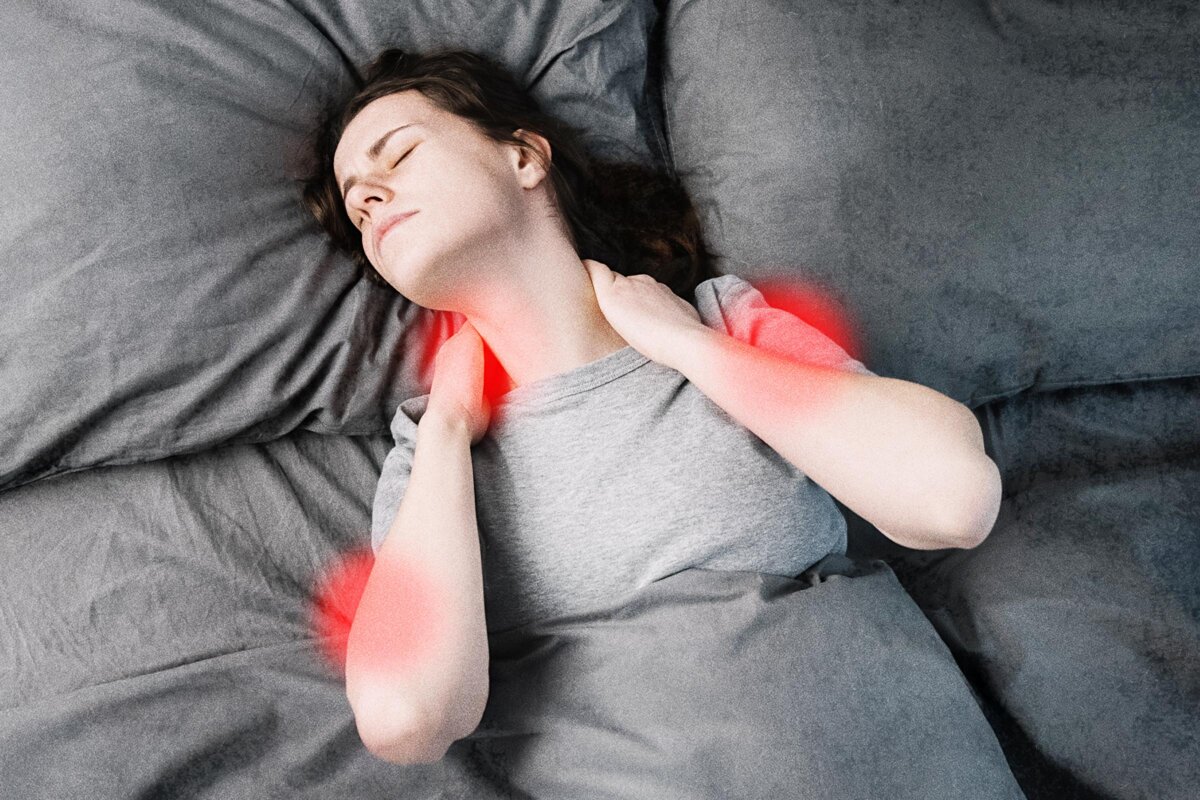
Fibromyalgia is often misunderstood, misdiagnosed, and dismissed. However, for those who suffer from it, the pain is real, persistent, and life-altering. Characterized by a malfunctioning brain “alarm system,” this chronic condition causes widespread pain, fatigue, and cognitive issues.
Through compelling patient stories and expert insights, we explore what fibromyalgia really is—and how hope can be found through lifestyle changes, supportive care, and gut health.
Understanding Fibromyalgia Through Patient Experiences
The lived experiences of people with fibromyalgia offer insights into the multifaceted nature of this often misunderstood pain condition.
Case 1: ‘Electric Discharge’ Pain
A male patient following a minor medical procedure experienced severe, electrifying pain, which quickly spread throughout his body and was accompanied by insomnia, dizziness, and anxiety. Despite numerous tests, no clear cause was found until he was diagnosed with fibromyalgia. His condition worsened with initial medications, leading to drowsiness and the sensation of an electric current. A crucial turning point came when he linked his symptoms to his mold-ridden residence in Taipei, Taiwan; moving to a mold-free environment drastically improved his condition, reducing his pain by 90 percent.
Case 2: Greater Pressure Equals More Pain
A female college student was hit by a car on the way home from school and exhibited symptoms of a concussion. She recovered soon afterward. However, a few months later, she developed fibromyalgia symptoms, including dizziness, low-grade fever, and widespread pain that shifted locations—from the head, neck, and upper back to the coccyx. Physical pressure caused her pain to intensify. The cause could not be found even after repeated tests, and she was finally diagnosed with fibromyalgia.
Both of these cases, managed by neurologist Lin Shaozhen, highlight that fibromyalgia pain differs from general pain in its migratory nature and often appears long after an initial injury. Despite normal test results, which sometimes lead to misdiagnosis as psychological issues, patients genuinely experience severe pain due to a hypersensitive brain “alarm system.”
Failure of the Brain’s ‘Alarm’ System
There are diverse causes of fibromyalgia, which may be related to genetics, intense and long-term stress, physical trauma, psychological trauma, or environmental factors, Lin stated.
For example, the male patient in the first case had problems with his nervous system because of excessive mold in his home, while the female patient in the second case developed the disease several months after a car accident. Both patients’ test results came back normal, leading to suspicions that it might be a psychological issue, even though both were indeed experiencing severe pain.
The root cause of this type of pain, Lin said, lies in a problem with the brain’s sensitivity—“it’s as if their alarm system has malfunctioned.”
“In general, an average person’s alarm system only sends pain signals when the pain level is 60 points, but for this type of patient, the alarm may already start to sound at around 20,” Lin said. “It’s like even if you touch him lightly, he will feel like you are beating him.”
Spectrum of Symptoms Beyond Pain
Fibromyalgia is not limited to just pain. Sleep problems are also symptoms. Lin stated that patients often report feeling extremely tired upon waking, even after sleeping for as long as 12 hours.
Other symptoms include restless legs syndrome, dizziness, numbness, chronic fatigue, interstitial cystitis (also known as bladder pain syndrome), pelvic pain, and cognitive impairment. The diverse nature of these symptoms makes diagnosis challenging.
While earlier diagnostic methods focused on tender points, current assessments involve evaluating a patient’s pain index across 19 regions of the body, alongside fatigue levels, sleep quality, and the overall effect of pain on daily life. Multiple blood tests are primarily used to rule out other conditions.
“It is difficult to confirm the diagnosis of fibromyalgia at one time,” Lin said. “There has to be a lot of evidence, plus the patient’s reaction after changes in life and diet before final judgment.”
Combining Medication and Lifestyle Changes
Although there is still no cure for fibromyalgia, Lin stated that improvement is possible through a parallel approach of drug and nondrug treatments. Psychological well-being, lifestyle modifications, and environmental factors play a profound role.
However, she also noted that it is crucial for medical professionals to recognize the legitimacy of the patient’s pain.
“When you think that the patient’s pain is fake, the treatment effect would be degraded,” she said.
A 2021 review published in JAMA Internal Medicine analyzed the results of drug and nondrug treatments for fibromyalgia and found that central nervous system inhibitors, antidepressants, cognitive behavioral therapy, and exercise therapy can improve pain in the short to medium term. However, there is still no high-quality evidence to confirm the long-term effects of existing treatments.
Lin recommended a multi-faceted approach.
Change Your Mindset
While there’s no single cure for fibromyalgia, adjusting your mindset can be a powerful first step toward relief.
- Adopt a positive outlook: Remind yourself that you are not alone—many people live with this condition—and believe that lifestyle changes can help you feel better.
- Reduce chronic stress: Avoid setting excessive expectations and keeping an overly tight schedule.
- Cultivate personal interests: Focus on yourself, take charge of what you can control, and engage in activities that bring joy, such as reading, listening to music, practicing yoga or mindfulness meditation, or stretching.
Exercise and Change in Habits
Establishing consistent, gentle routines can make a meaningful difference for people living with fibromyalgia.
- Engage in moderate exercise: Start with short durations (such as two minutes daily) and gradually increase over time, prioritizing consistency over intensity.
- Incorporate relaxation techniques: Use calming activities such as hot compresses, foot baths, or sunbathing to support relaxation.
- Address environmental stressors: Identify and improve factors such as poor air quality or mold that may be contributing to symptoms.
Healthy Diet
Lin stated that maintaining intestinal health is crucial because the connection between the intestines and the brain affects the nervous system and is related to the sensitivity of the central nervous system.
As for diet, she recommended that people with the condition:
- Follow an anti-inflammatory diet: Eat more colorful vegetables and limit red meat. If you do eat red meat, choose grass-fed beef.
- Practice mindful eating: Avoid eating under stressful conditions, such as during meetings, as this can lead to indigestion. Chew slowly to allow saliva and gastric juices to properly digest food.
- Limit coffee consumption: Relying on coffee to stay alert during periods of chronic stress can deplete your energy and may worsen pain.
The Role of Gut Flora in Fibromyalgia
Gut flora is closely connected to the pain from fibromyalgia. A study published this month in Neuron found that transplanting intestinal microbiota from fibromyalgia patients into germ-free mice induced pain and caused anxiety- and depression-like behaviors. The researchers then gave the mice antibiotics to clear their existing gut bacteria and transplanted fecal microbes from healthy mice. The recipient mice showed reduced pain and depression-like behaviors.
Transplanting the microbiota of the healthy control group into germ-free mice did not induce pain in the latter.
In a trial involving 14 female patients with severe fibromyalgia, conducted by the same research team, transplanting healthy microbiota to the patients was found to reduce pain and improve quality of life.
Lin encouraged patients to recognize that fibromyalgia is real but manageable, emphasizing the importance of support, communication, and lifestyle care.
“Be good to yourself, eat the right kind of food, sleep well, exercise moderately, and let go of things that you can’t control,” she said. “These are all important for physical recovery.”
