
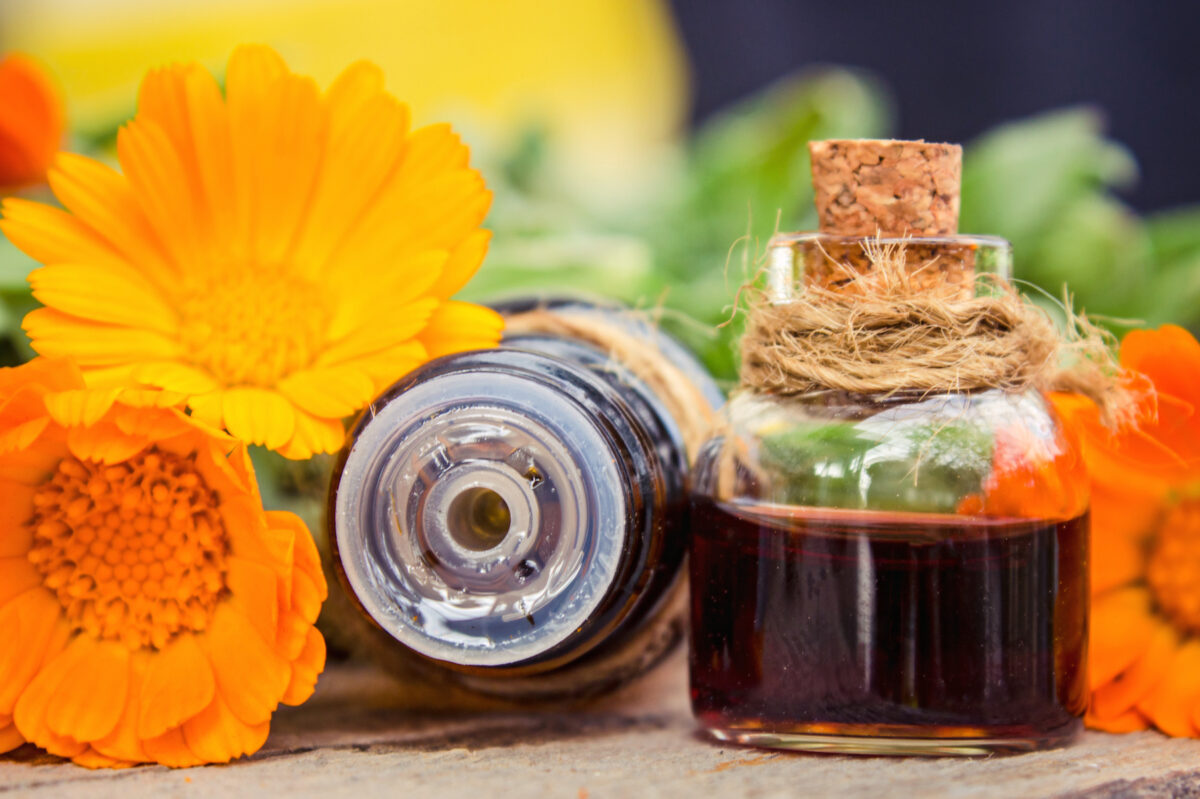
In a world where everything from spinach to shower heads promises to detoxify, it’s oddly soothing to meet a plant that earned its stripes without hashtags, but in battlefields and soup pots.
Calendula officinalis, the modest pot marigold, was patching people up a long time before it was squished into pastel-labelled serums.
This is a flower with grit.
Civil War doctors stuffed dried petals into wounds. Medieval cooks chucked it into stews to keep infection at bay. Centuries before immune boosting became a marketing strategy, calendula was already floating around in the broth doing its job.
A Flower With a Calendar and a Church Fan Club
Its name comes from calendae, Latin for the first day of the month, reflecting that it blooms so often it’s basically the office overachiever of the garden.
Officinalis means “official medicinal plant,” the sort apothecaries actually reached for when you came in coughing, not the herbal equivalent of a crystal keychain.
By the Middle Ages, calendula had been rebranded as “Mary-gold” after the Virgin Mary, with its petals tossed into soups and possets to add colour.
The habit sailed across the Atlantic with early European settlers, who kept sprinkling calendula into food as if it were both a seasoning and an insurance policy.
Today, we call this “functional food.” Back then, it was just lunch that happened to have some benefits. We didn’t invent wellness; we just added packaging and a logo.
Myth and Magic on Midsummer’s Eve
Calendula has been moonlighting as a supernatural security system for centuries.
On Midsummer’s Eve in Europe—that chaotic blend of saintly blessings and pagan bonfires, people gathered marigolds like they were picking up batteries before a blackout.
Hang them over your door and they’d protect the house, block evil spirits, de-power any lurking witches, and even fuel your love life and future dreams.
Petals were slipped under beds to stop burglars, woven into garlands to declare jealousy or heartbreak, and dropped into potions promising bravery, foresight and general emotional tidiness.
And then there’s the cheery legend of little Mary-Gold, a sun-obsessed child who stared at daylight so devotedly that she disappeared and reappeared as a bright golden flower. Nature’s early entry into the witness protection program.
What the Herbalists Knew
Long before calendula was bottled into boutique skincare and advertised by women in floppy hats, it was taken very seriously by England’s great herbalists.
English herbalist John Gerard prescribed marigold for “red and watery eyes” and “trembling hearts,” essentially conjunctivitis and anxiety.
Culpeper, writing in the 1600s, called it a “herb of the sun” linked to Leo, praising its ability to “cease inflammation” and cheer up the spirits.
Ignore the astrology, and what you’re left with sounds remarkably modern: calendula for irritated skin, inflamed tissue, and the general emotional wobbliness that leads modern adults to buy expensive scented candles.
Not magic—just pre-clinical observation long before chemistry could explain flavonoids and triterpenoids.
Those medieval uses for wounds, ulcers, rashes, and recovery after illness weren’t superstition. They were empirical medicine in petticoats, recorded centuries before anyone had to fill out ethics paperwork.
What the Science Actually Says
Unlike some wellness darlings, calendula hasn’t needed a PR blitz. It’s quietly built a respectable research portfolio. Topical preparations, ointments, infused oils, and sprays have shown benefit in studies involving:
- surgical wounds and leg ulcers
- episiotomy and perineal tears
- diabetic foot ulcers
- pressure sores
- radiation-induced skin irritation
It helps damaged skin knit together more quickly and less angrily, with few side effects. Not a miracle cure. Not a substitute for medical care. But a very handy sidekick.
There’s smaller evidence, plus centuries of habit, supporting calendula for sunburn and minor burns, nappy rash and mild eczema, gum and mouth infections, and digestive discomfort like heartburn and gastritis.
The lab studies are promising. The human trials are patchy. Sensible adults should classify calendula as “often helpful, unlikely to hurt, but please don’t DIY this in place of a GP.”
One caution: it can stimulate menstrual flow, so it’s traditionally avoided internally during pregnancy, and anyone who breaks out in hives around daisies, chamomile, or ragweed should treat calendula with caution, like a well-meaning neighbour who keeps offering surprise lasagne.
A Quiet Rebuke to the Beauty Industry
Calendula’s comeback as a skincare superstar is mildly hilarious when you realise it’s been doing that exact job for thousands of years.
Ancient Egyptians dabbed it on their faces long before anyone invented toner. European women bathed in marigold water centuries before a cosmetics chemist tried to upsell them “age-defying collagen activation.”
Modern products now hail calendula as a miracle for:
- sensitive or acne-prone skin
- angry, post-waxed armpits
- wound repair and collagen support
- “anti-ageing” (that beautifully vague, legally pliable phrase)
The evidence for smoothing wrinkles is patchy, but for calming irritated skin, calendula is solid, low risk, high reliability, and no small print requiring a microscope.
It’s more trustworthy than many serums currently retailing at the price of a small appliance.
The irony? We side-eye anything cheap and traditional, then happily fork out triple for the same flower once it’s been centrifuged, trademarked, and endorsed by someone in a white lab coat on Instagram. Calendula doesn’t need packaging. It’s been doing the job since Cleopatra was still shopping for eyeliner.
Growing Your Own
One of calendula’s quietly radical traits is how determined it is to grow for anyone.
You just scatter its croissant-shaped seeds into soil, give them a splash of sun and occasional water, and it rewards you with months of cheery blooms.
Pick the flowers often, and they’ll keep coming. Dry them thoroughly and use:
- whole heads for teas, broths, and infused oils
- petals in eggs, salads, butter, and ice cubes (yes, really)
- homemade balms that cost less than a bus ticket
This is medicine without marketing, skincare without a subscription model. No hydroponic towers, no climate-controlled greenhouses, no app telling you when to fertilise. A terracotta pot on a balcony is all the infrastructure required.
Calendula is proof that not everything good needs a boutique label. Sometimes it’s just a small orange flower cheerfully getting on with the job.
Between Myth and Medicine
Calendula’s charm is that it happily lives with one foot in science and the other in folklore.
It packs triterpenes and flavonoids that impress pharmacologists, yet it also carries centuries of bonfires, saint days, broken hearts and petals tucked under beds to keep nightmares and burglars at bay. It’s equally comfortable in a lab vial or a folk remedy bowl.
We live in a time deeply suspicious of anything without peer-reviewed data, yet weirdly hungry for rituals that mean something. Calendula sits quietly in the middle. It doesn’t promise eternal youth, and is utterly hopeless as a sunscreen. But it will help your skin mend, brighten your broth, and bring a spark of cheerful usefulness to anyone’s bathroom cabinet.
A flower that heals wounds, lifts spirits, colours soup, and decorates cocktails isn’t going to solve the thorny problems of modern medicine. But as a reminder that some of the best remedies are modest, affordable and rooted in real soil rather than marketing budgets, calendula does the job rather well.
A little sunshine in the garden; a little common sense on the shelf. There are worse revolutions to join than one led by a stubborn, sunny weed.