
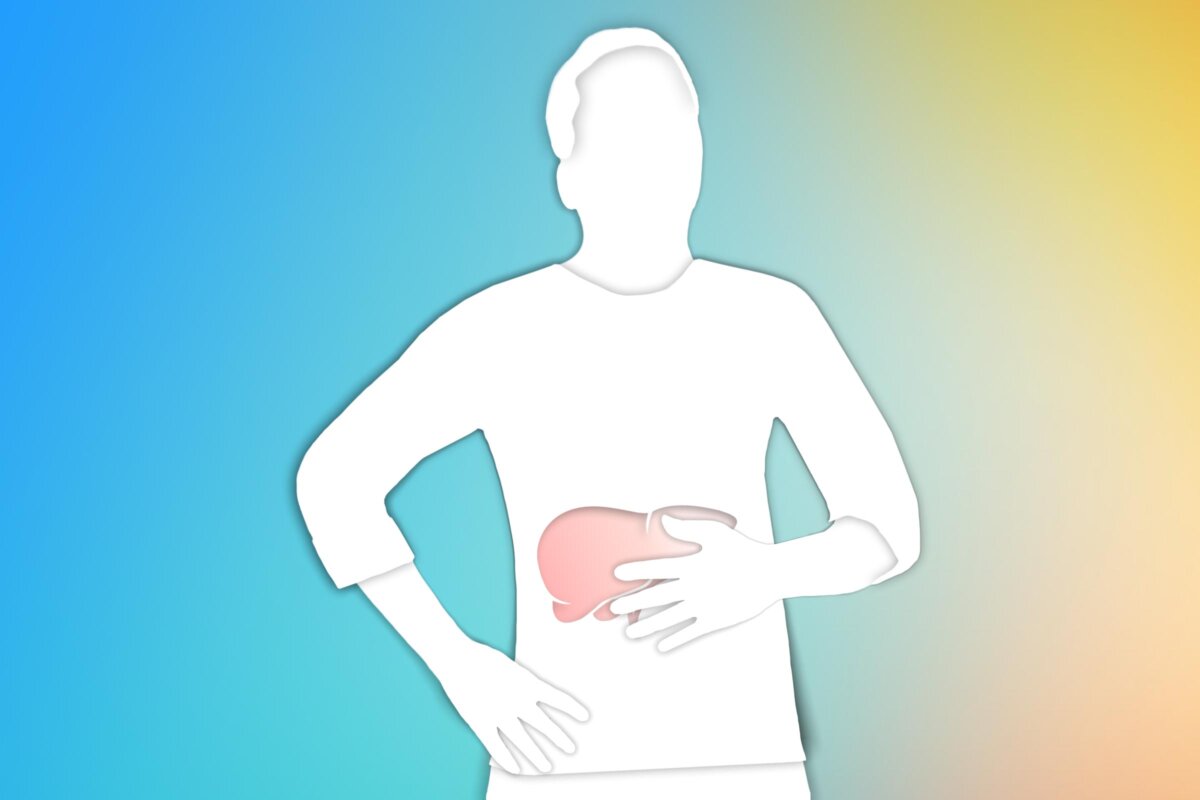
Most people think of “detox” when they think of their liver. However, this powerful organ also serves as the command center of your metabolism, regulating blood sugar, processing fats, and storing essential nutrients.
When too much fat builds up in liver cells, fatty liver disease and metabolic dysfunction ensue. A fatty liver disrupts the liver’s ability to respond to insulin. This insulin resistance, in turn, fuels further fat accumulation and creates a harmful cycle at the core of poor metabolic health.
One in three U.S. adults may have a fatty liver, but most don’t know it.
With insulin resistance and fatty liver disease rates steadily climbing, understanding how the liver works, how and why it becomes overburdened, and what you can do to support it is no longer optional; it’s imperative.
“When we think about the liver as a metabolic central organ, the liver plays a central role in essentially keeping you alive every day,” Andrew Koutnik, a scientist specializing in metabolic health who holds a doctorate in molecular pharmacology, told The Epoch Times. “You can’t really get away with a liver that is either removed or dysfunctional. It is so essential to life.”
Fatty liver and insulin resistance are closely linked in a two-way dynamic. First, insulin resistance causes fat to build up in the liver by boosting fat production and delivery to the liver. Second, fatty liver increases insulin resistance by disrupting insulin signaling, causing inflammation, and releasing toxic fat byproducts. This cycle plays a role in Type 2 diabetes, obesity, and metabolic syndrome, making both conditions important targets for prevention and treatment.
The Liver’s Core Metabolic Responsibilities
Your liver has more than 500 critical jobs to perform daily, but when it comes to metabolic health, it’s at the helm of a few key ones:
- Regulating Blood Sugar: Storing excess glucose as glycogen and releasing it when needed, especially between meals, to maintain stable energy levels. This role in glucose management also makes the liver central to insulin sensitivity.
- Metabolizing Fats and Proteins: Converting dietary fats, producing cholesterol, managing triglycerides, and processing proteins by turning amino acids into usable forms and removing waste products.
- Detoxifying the Body: Filtering everything from alcohol to endocrine disruptors to help protect the body from harmful substances.
- Balancing Hormones: Metabolizing hormones such as estrogen to help maintain hormonal balance throughout the body.
With all of its jobs, it’s no surprise that when such a hardworking player takes a hit, the detrimental effects ripple throughout the body. Excess fat in the liver, in particular, is now considered both a driver and a consequence of broader metabolic dysfunction. So how does the liver become fatty?
A Fatty Liver
It is possible to become obese at a cellular level, when individual cells, then tissues, and eventually entire organs lose proper function. When this occurs in the liver, it leads to a condition called metabolic dysfunction-associated steatotic liver disease, formerly known as nonalcoholic fatty liver disease.
The liver was never designed to store fat, which accumulates as a result of a nutritional imbalance involving both the dietary fat you eat and fat production within the liver itself. Some of the fat you eat travels to the liver, where it can accumulate. Your body also converts excess carbohydrates, such as sugars, into fat inside the liver. Both of these sources contribute to fat buildup when fat storage exceeds fat removal. The liver works around the clock to get this excess fat out and wants to maintain homeostasis.
What causes fat storage to outpace removal? Simply put, eating too much fat and too many carbohydrates.
While understanding how the liver becomes fatty is important, recognizing the warning signs early is just as critical.
Signs of a Stressed Liver
Like metabolic dysfunction as a whole, liver disease is often insidious, developing gradually with few obvious symptoms in its early stages.
A healthy liver is soft and sponge-like, but as damage occurs and scar tissue forms, it becomes firm—almost like a brick. However, this distinction isn’t something readily apparent to your doctor at your typical annual checkup. Standard blood work isn’t reliable for catching the early progression of liver disease.
Koutnik noted that liver enzymes such as aspartate aminotransferase and alanine aminotransferase only rise after damage has already occurred, making them unreliable for detecting early-stage liver issues.
Similarly, regular ultrasounds can overlook early fat buildup. And while MRI scans can provide a more accurate picture, Koutnik said their high price point makes them inaccessible for most people.
Even physical appearance can be misleading. As Michelle Hurn, a registered dietitian and head dietitian of the American Diabetes Society, said, “It’s not uncommon for people to have a normal to even a low [body mass index], but to have fatty liver.”
Koutnik said most people who meet the criteria for both obesity and prediabetes are very likely to also have fat buildup in the liver.
This group is a key target for screening and intervention.
While early signs are stealthy, there are patterns that may hint at underlying liver stress or fat accumulation:
Physical Symptoms: Experiencing fatigue, brain fog, bloating, poor digestion, and itchy or irritated skin.
Metabolic Indicators: Showing signs such as blood sugar fluctuations, stubborn belly fat, elevated triglycerides, and conditions such as insulin resistance, polycystic ovary syndrome, Type 2 diabetes, high cholesterol, and metabolic syndrome—all closely linked to fatty liver development.
Hurn said feeling dizzy, shaky, irritable, or sweaty after going more than three hours without eating may be a sign of poor metabolic health.
Natural Ways to Support Liver Health
Your liver is a very resilient organ, and injury is often reversible up to a point. Supporting your liver is less about a juice cleanse or detox tea and more about consistent, daily metabolic maintenance.
Diet Is Fundamental to Liver Health
A core strategy for liver health is reducing the constant bombardment of insulin. Hurn emphasized the role of diet, recommending a strict—but often temporary—approach for those showing early signs of liver issues or metabolic dysfunction. This dietary pattern focuses on animal proteins, fats, and possibly some fibrous vegetables.
“Your body can no longer tolerate carbohydrates,” Hurn said. “Is this forever? Not necessarily. Once you’re metabolically healthy, most people can flex in some carbohydrates.”
Koutnik said achieving a caloric deficit prompts the body to draw fat from various tissues, including the liver, reducing storage and increasing fat use. However, carbohydrate intake plays a more direct role in insulin control.
“Carbohydrates are the most powerful macronutrient that elevates insulin in a dose-dependent manner,” Koutnik said, noting that their effect on insulin is significantly greater than that of protein, while fat has virtually no effect.
Hurn agreed, noting that the sharp rise in blood glucose from carbohydrate intake keeps insulin levels elevated, an effect that can encourage fat buildup in the liver.
“You cannot burn fat with insulin on board,” she said. “And so, the flip side—you can’t store fat without insulin.”
While the body does not completely stop burning fat when insulin is present, high insulin levels, such as after a high-carb meal, significantly slow the fat-burning process.
Therefore, reducing carbohydrate intake can be a potent way to lose weight and support liver health, even without cutting calories.
Hurn views this approach as more sustainable than traditional low-calorie diets.
“We’ve failed the public miserably by giving them these low-calorie, low-fat, restrictive diets,” she said. “You cannot ask people to be hungry for a prolonged period of time.”
Drawing from her clinical experience, Hurn noted that some women have lost weight while eating 2,000 calories per day, even after gaining weight or plateauing on just 1,500.
She said our modern lifestyle habits keep the liver under constant stress.
“It’s not normal to need to eat every two to three hours,” Hurn said. “I’m a registered dietitian, so I have that insight of having gone through the traditional training. You’re taught to teach people to eat these three very carbohydrate-dense meals and to have snacks.”
This leads to a near-constant blood sugar and insulin response, giving the liver no time to recover.
Lifestyle Is Also Key
Beyond diet, your daily habits also influence liver health.
Limiting alcohol is crucial, as alcohol places a heavy burden on the liver’s detoxification processes. A study published in July in Biomedicine & Pharmacotherapy found that in people with metabolic dysfunction, alcohol accelerates liver disease progression. The research shows a synergistic effect, meaning that the combination of metabolic dysfunction and alcohol leads to worse outcomes than either factor alone.
Prioritizing sleep and maintaining a healthy circadian rhythm are also important. Recent research published in BMC Geriatrics found that too little or too much sleep—and sleep disorders such as insomnia—are linked to an increased risk of metabolic-associated fatty liver. The study suggests that sleep deprivation can inhibit insulin signaling, trigger insulin resistance, and promote hepatic fat synthesis, as well as directly injure liver cells through inflammation and oxidative stress.
Regular physical activity supports metabolic health, improves insulin sensitivity, and directly helps reduce liver fat. A 2023 meta-analysis from Penn State College of Medicine confirmed that 150 minutes per week of moderate-intensity aerobic activity, such as brisk walking, can lead to liver fat reduction in patients with nonalcoholic fatty liver disease, independent of weight loss.
Aside from diet, sleep, and exercise, a holistic approach to liver health involves several other overlooked factors:
- Gut Health: Supporting a healthy gut directly influences liver function and can prevent harmful toxins from reaching the organ.
- Toxin Reduction: Minimizing exposure to environmental toxins—such as pollutants, chemicals, and heavy metals—reduces the burden on the liver’s detoxification pathways.
- Stress Management: Practicing effective stress management helps lower inflammation and fat accumulation driven by stress hormones. A 2023 study published in Nutrients found that meditation can positively influence cortisol levels, stress-related symptoms, eating behaviors, and inflammation.
- Hydration: Drinking enough water supports the liver’s ability to efficiently filter waste and carry out its metabolic responsibilities.
Ultimately, understanding your liver’s vital metabolic role—and supporting it daily through diet, movement, sleep, and other habits—can help prevent dysfunction and protect your long-term health.