

Currently, there is a children’s health crisis revolving around the gut microbiome, according to Dr. Elisa Song, a pediatrician and chief medical officer at Tiny Health.
With one in two children now diagnosed with a chronic disease, it is important to understand that the gut microbiome established in the first 1,000 days of life profoundly influences future health and disease risk, she told The Epoch Times.
“Any disruption to the developing gut microbiome, whether by C-section birth or antibiotic use, can significantly increase the risk of immune and mental health concerns later in life,” she said.
Song noted that addressing obesity, Type 1 diabetes, allergic disorders, and other conditions only after they occur cannot solve the pediatric health crisis of chronic illness. Prevention—especially in the first 1,000 days—is the only way to end this epidemic of childhood chronic disease. The key to prevention involves boosting a baby’s gut microbiome through various measures, including breastfeeding and probiotics.
Vaginal Births Shape Baby Microbiome
The gut microbiome differs between vaginally born and C-section-born babies, with the former having more beneficial bacterial strains and the latter having fewer beneficial and more potentially harmful strains.
Authors of a clinical trial published in Pediatric Allergy and Immunology found that the gut microbiome composition of vaginally born babies had higher populations of Bifidobacterium, Parabacteroides, and Bacteroides than that of C-section-born babies. These bacterial species frequently drive the breakdown of human milk oligosaccharides (HMO)—a type of carbohydrate—leading to the production of short-chain fatty acids (SCFAs), the main source of energy for colon cells.
The authors also noted that C-section-born babies are frequently colonized by Staphylococcus, Enterococcus, Clostridium, and Klebsiella, all of which don’t help break down HMOs or produce SCFAs. These bacterial species are also more likely to harbor antibiotic-resistant genes.
“Babies born via cesarean section miss out on one of nature’s most foundational microbiome exposures,” Dr. Tokunbo Akande, board-certified in pediatrics and founder of Harmony 360 Health, who was not involved in the study, told The Epoch Times. “This vaginal delivery route provides a critical ‘starter dose’ of maternal microbes that help seed a newborn’s gut and immune system.”
Conversely, C-section babies are often first exposed to skin and hospital-associated bacteria, he added. This altered early colonization pattern can delay microbiome diversity and disrupt the normal maturation of the immune system.
These effects on the gut microbiome are experienced by a significant proportion of babies in the United States, as roughly one in three are born via C-section.
Health Effects of Impaired Gut Microbiome
The impaired microbiome of C-section-born babies often persists until age 4 and increases the risk of obesity, Type 1 diabetes, and allergic conditions, noted authors of the clinical trial. Typically, the allergic conditions involve a progression from atopic dermatitis (eczema) to food allergies, rhinitis, and asthma—a phenomenon referred to as atopic march.
The infant gut microbiome also plays a crucial role in brain development through the gut-brain axis, pediatrician Dr. Yossef Alnasser told The Epoch Times in an email. The gut-brain axis refers to the association between the brain and gut microbiome and how this affects health.
The most crucial time for brain development is the first three months of life, he said. Additionally, because certain structures in the brain don’t fully mature until age 2, a healthy gut microbiome can enhance a child’s growth and development.
How to Improve a Baby’s Gut Microbiome
The clinical trial found that a six-month program of personalized interventions—including microbiome testing and personalized recommendations—can improve a baby’s gut microbial composition and reduce the incidence of eczema. Not everyone has access to such a program, so coauthor Song shared the following six actionable steps that any parent can take:
1. Breastfeed If Possible
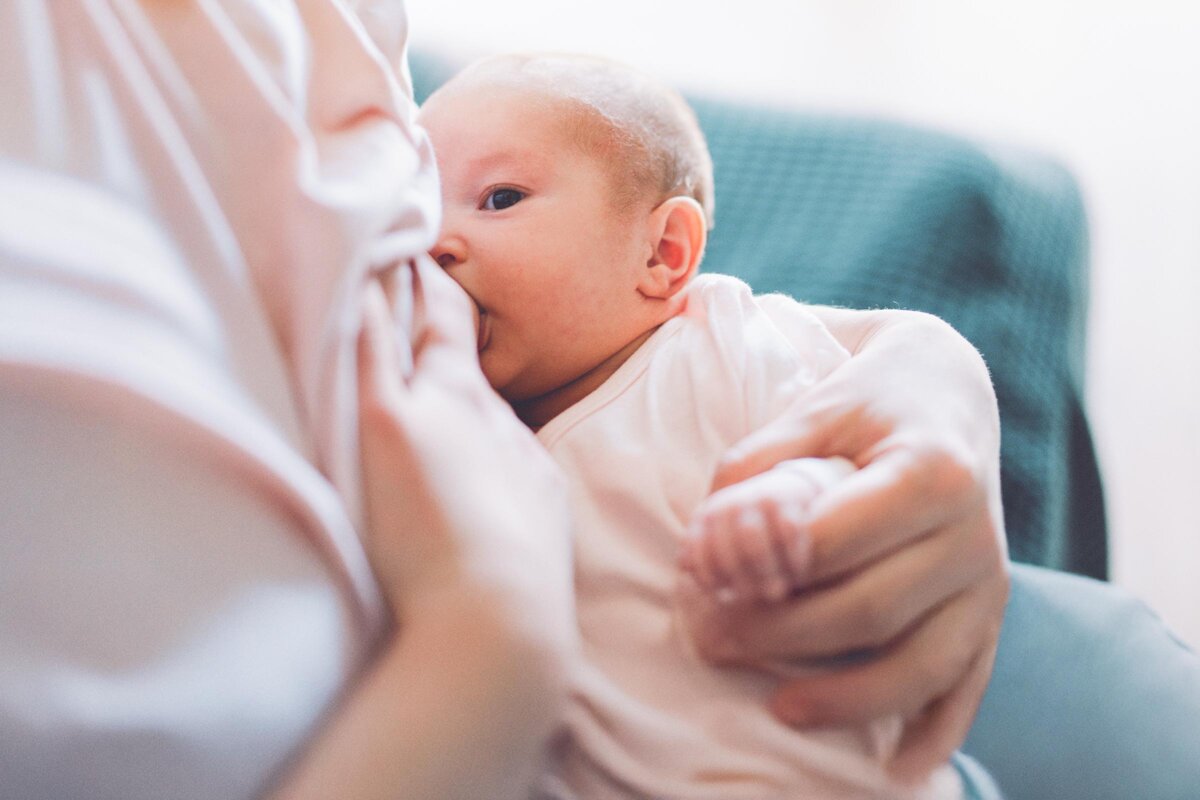
Breast milk contains special HMOs that help feed good gut bacteria such as Bifidobacterium, Song said. In addition to strengthening a baby’s immune system, HMOs may also fight harmful microbes such as rotavirus, which causes vomiting and watery diarrhea in babies. If breastfeeding isn’t possible or is limited, she advises parents to ask a pediatrician to recommend a formula that contains HMOs.
A review noted that breastfeeding is one of the most influential ways to improve gut microbiome composition during infancy. The difference in microbes between breastfed and formula-fed babies underlies the hypothesis that breastfeeding is partially responsible for the reduced risk of infectious and noninfectious diseases in early life.
2. Provide Microbiome-Nourishing Food
When babies are able to eat solid food, they should be given plant-based foods rich in fiber, fermented foods, and colorful fruits and vegetables, Song said. Such foods increase beneficial bacterial strains such as Bacteroides and Bifidobacterium, a review published in Nutrients states.
3. Consider a Probiotic
According to Song, probiotics contain beneficial bacteria that can boost immune function, produce essential vitamins, digest food, and inhibit the growth of unfriendly bacteria. Not all probiotics are equal, so she recommends looking for a quality brand that contains infant-specific Lactobacillus or Bifidobacterium. A stool test can identify the specific strains a baby needs.
A review published in Nutrients found that some studies evaluating the use of probiotics in babies suggest they may help promote optimal health. However, the authors cautioned that more research is necessary to fully assess the risks and benefits of probiotics in this age group.
4. Minimize Unnecessary Antibiotics
“It is important to minimize the use of unnecessary antibiotics and recognize the potential impairment from these medications on the developing gut microbiomes and immune systems,” Song said. “If antibiotics are truly necessary, such as when a baby has a potentially serious bacterial infection, discuss probiotics and additional steps to restore the baby’s gut flora with a pediatrician.”
A study published in Nature Communications examined the effects of broad-spectrum antibiotics on babies treated for sepsis after birth and found that the treatment reduced the Bifidobacterium population. The antibiotics also increased the populations of the nonbeneficial bacteria Klebsiella and Enterococcus. Additionally, amoxicillin plus cefotaxime caused the largest microbiome disruption, while penicillin plus gentamicin caused the least disruption—indicating that the choice of antibiotics, when needed, is important.
5. Keep Close Skin-to-Skin Contact
Song noted that placing a baby against the chest or body, especially in the first few weeks, provides remarkable benefits for both mother and baby. Close exposure also reduces stress and promotes bonding.
Research found that skin-to-skin contact improved microbiome composition in early infancy, as well as its development in early and late infancy. The intervention decreased microbiome volatility, defined as the extent of changes in microbial composition over time. The authors hypothesized that the volatility benefit may stem from the skin-to-skin contact’s ability to alleviate stress.
6. Encourage Diversity and Let Babies Play
“Promoting a resilient gut microbiome in a baby requires exposure to a diversity of environments,” Song said. “Allow the child to play in dirt, touch pets, and visit local farms.”
A study found that exposure to household pets in infancy increased populations of Ruminococcus and Oscillospira, bacterial strains that may protect against childhood allergies and obesity. The exposure also decreased the population of streptococcal bacteria, which may reduce the risk of childhood allergies and metabolic diseases.
