
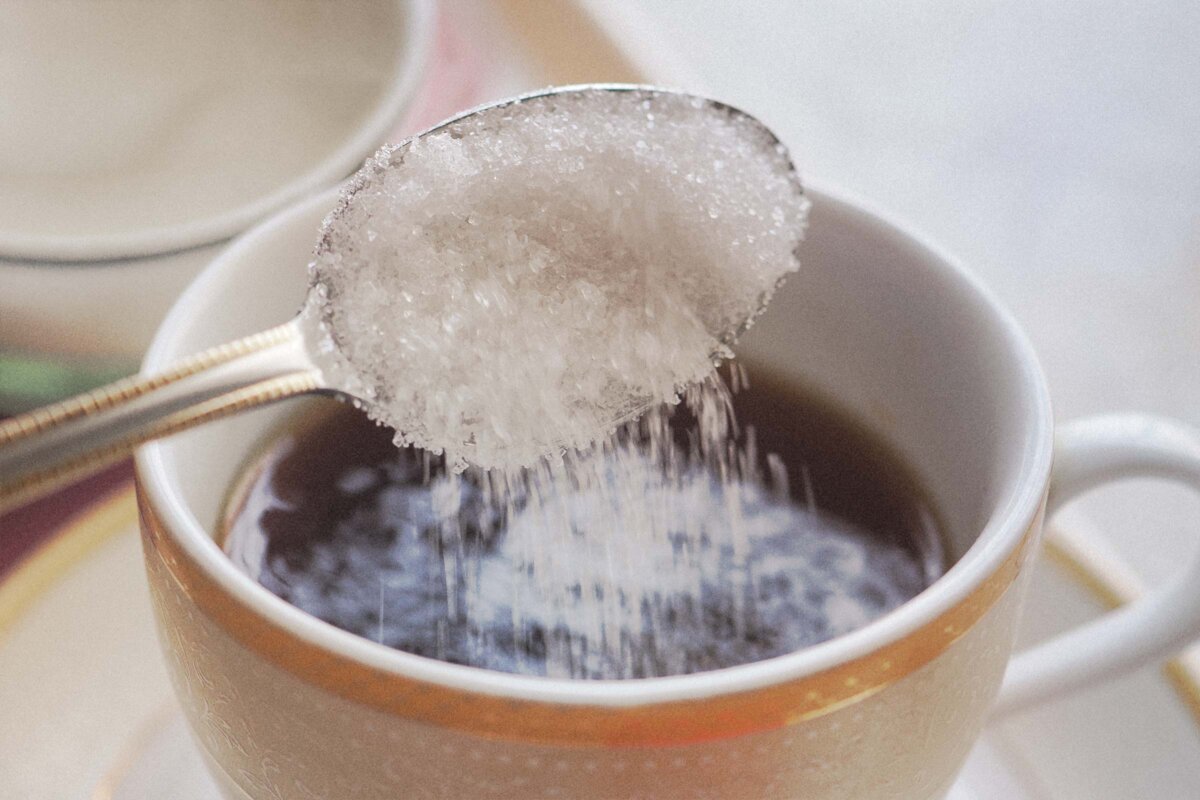
Eating sugar while taking antibiotics could lead to poorer outcomes for cancer patients.
A recent study linked higher sugar intake while taking antibiotics to damage in the microbiome of hospitalized blood cancer patients. Researchers say sugary nutrition shakes and sports drinks, which are commonly recommended to transplant recipients, appeared to be the most problematic.
Antibiotics can save lives, but they can also wipe out helpful gut bacteria and leave our microbiome vulnerable to harmful microbes, a disruption known as dysbiosis.
In people with blood cancers such as leukemia, lymphoma, and multiple myeloma, earlier clinical research has tied gut microbiota disruption to higher death rates, severe infections, and treatment being less effective.
“As we are learning how collateral damage of antibiotics to the microbiome are linked with long-term health problems, it’s important to identify factors that limit these unintended health risks,” study co-senior author Jonas Schluter, assistant professor in the Department of Microbiology at NYU Langone, said in a statement.
Sugar’s Effect on the Microbiome
The study, recently published in Nature, tracked 173 hospitalized patients with blood cancers and what they ate in 9,419 meals, and measured how their gut bacteria changed. Researchers chose this group because these patients often receive antibiotics and their diet can be closely monitored in the hospital.
For every 100 grams of sugar a patient ate while taking antibiotics, the diversity of helpful bacteria fell an additional 21 percent. For reference, most name-brand 32-fluid-ounce sodas contain around 100 grams of sugar.
Researchers also found that sugary diets combined with antibiotics were associated with an increase in Enterococcus faecium, a normally harmless bacterium that lives in the human gut.
However, it has emerged as a major cause of multidrug-resistant infections, particularly in patients who are critically ill or have compromised immune systems. Importantly for blood cancer patients, its increase is linked to poorer outcomes after bone marrow transplants.
Dr. Kostas Sideridis, a board-certified gastroenterologist in Syosset, New York, who was not involved in the study, called the findings “amazing,” and said they could help patients who are vulnerable to multidrug-resistant infections.
Not all sugar appeared equally harmful. Added sugars, such as regular table sugar, were key contributors to the loss of bacterial diversity, unlike naturally occurring sugars found in fruit and milk. The authors said that sports drinks and nutritional shakes with added sugars are commonly recommended to bone marrow transplant recipients.
Mouse Experiments Point the Same Way
Experiments in mice offered further support for the study’s findings. Mice given the antibiotic biapenem and a high-sugar diet saw their Enterococcus populations grow 16-fold by day three and 33-fold by day six. Mice fed the same sugary diet without antibiotics showed no such effect. In other words, sugar alone was not the problem; the combination was.
The study does not establish how exactly sugar contributes to these changes. Study second author William Jogia, a doctoral student in Schluter’s lab, said in a statement that the effect is “probably” due to harmful bacteria that survive antibiotics and then benefit from “dietary sugars that they can use to expand.”
Whether sugar weakens competing bacteria or has some other effect that would cause Enterococcus to increase has not yet been established, he said.
A Problem Doctors See Often
The antibiotic-related disruption of the gut microbiome is “serious and common,” Sideridis told The Epoch Times. “We see this almost daily when patients are treated with antibiotics for other reasons—the gut microbiome is always affected.”
One example he could think of was Clostridium difficile (C. difficile) infection. When antibiotics destroy much of the gut’s bacterial community, he said, C. difficile can take over, and the infection can be hard to treat. (C. difficile was not examined in this study.)
“The cost of these medications and the overall cost of treating this are astronomical,” he said.
The most established way to prevent disruption of the gut microbiome from happening is to put patients on a probiotic that “hopefully” will protect them from the harm associated with antibiotic treatment, Sideridis said. That could come from sources such as fermented cabbage, yogurt, or probiotic supplements with different strains of bacteria.
Clinical trials are needed to test whether short-term diet changes improve patient outcomes, co-senior author Jonathan Peled of Memorial Sloan Kettering Cancer Center said in a statement.
While this study addressed that question, the sample size was small, so more and larger studies are needed to verify the result.
The study divided patients into two groups of 86: one that ate above the median amount of sugar and one that ate below it. They compared them with patients who weren’t taking any antibiotics and tracked them from seven days before receiving a bone marrow transplant to 12 days after to see if the amount of sugar affected their recovery.
The above-median sugar group had a 12 percent higher mortality rate, while the below-median sugar group had a 7 percent higher mortality rate. The study authors said that the rates were similar enough that they couldn’t show consuming more sugar actually led to higher mortality.
Until more trials are done, the researchers’ message is cautious. The findings suggest that diet may be one way of limiting antibiotic harm, but they don’t yet show that cutting sugar improves outcomes.