

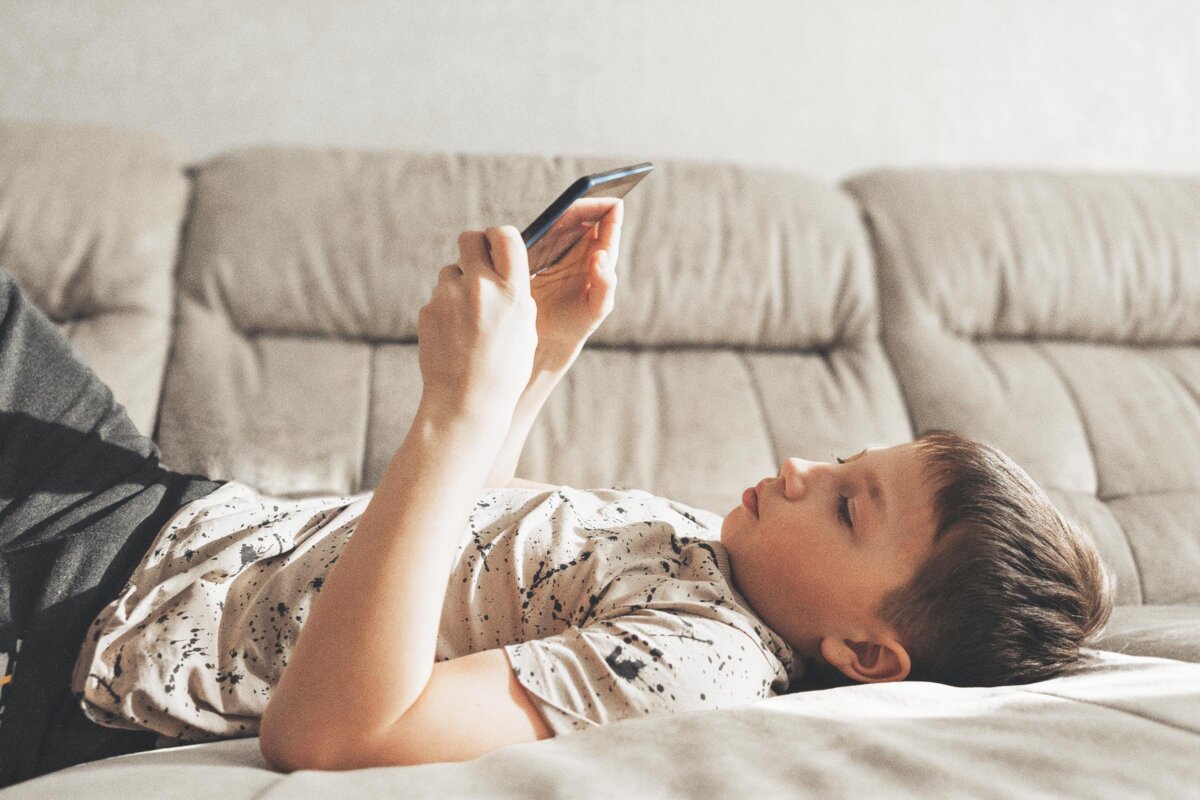
Screens dominate modern life—from classrooms to playrooms—and children are developing myopia, or nearsightedness, at increasingly younger ages. What may seem like a simple need for glasses can actually set the stage for serious eye diseases later in life.
On NTD’s “Health 1+1” program, a sister outlet of The Epoch Times, New York optometrist Dr. David Tai warned that untreated childhood myopia not only worsens vision but also raises the risk of glaucoma, retinal detachment, and even blindness. He shared both medical strategies and everyday habits parents can use to protect their children’s sight.
The Hidden Risks of Childhood Myopia
Many parents believe that glasses are sufficient to treat their children’s myopia. However, Tai noted that as myopia progresses, the eyeball gradually becomes longer and thinner, significantly increasing the risk of other serious eye diseases, including:
- Glaucoma: Myopia, especially high myopia, significantly increases the risk of glaucoma. A 2024 review found that for each negative 1 diopter increase in myopia—meaning that a person’s nearsightedness worsened by 1 diopter—the risk of developing open-angle glaucoma rose by about 20 percent.
- Retinal detachment: Myopia increases the length of the eyeball, stretching the retina and making it thinner and more fragile. This elongation can lead to retinal tears, which may cause retinal detachment.
- Macular degeneration: Myopia increases eye length, which raises the risk of myopic macular degeneration, leading to blindness or severe visual impairment.
Scientific Methods to Slow Myopia Progression
Myopia involves more than poor vision. Worsening myopia can cause long-term, irreversible eye damage, making early prevention and control crucial.
For children already experiencing myopia, scientific intervention can effectively slow progression. Tai shared four commonly used clinical methods to help manage the condition:
- Orthokeratology Lenses: Hard contact lenses worn at night that gently reshape the curvature of the cornea (front surface of the eye) during sleep, allowing light to focus more accurately on the retina (light-sensitive part of the eye) during the day. They temporarily correct myopia and help slow the growth of the eyeball.
- Multifocal Soft Contact Lenses: Daytime lenses designed to slow the growth of the eyeball and control myopia progression. A study published in April in Ophthalmology found that children wearing multifocal soft contact lenses for at least one year experienced slower myopia progression and less eye elongation compared with those wearing glasses or single-vision contact lenses.
- Low-Dose Atropine Eye Drops: Daily drops that relax the ciliary muscles, the ring of smooth muscles in the eye that control the lens’s shape. By reducing constant strain and preventing excessive contraction, low-dose atropine may help slow the progression of myopia. However, further research is still needed to confirm long-term safety and effectiveness across different populations.
- Multifocal Spectacle Lenses: Glasses designed with different zones of focus to reduce strain that contributes to myopia progression. Unlike contact lenses, spectacles sit outside the eye, so lens positioning can shift depending on where the child looks, while contact lenses move with the eye and provide more consistent focus. Multifocal spectacles are used in some countries but have not yet been approved by the Food and Drug Administration for myopia control.
These methods require an evaluation by a professional physician and regular checkups to ensure effectiveness and safety.
Establishing Proper Eye Care Habits
Tai offered the following evidence-based, practical eye care tips to help parents and children avoid common misconceptions:
- Look Into the Distance, not Just at Greenery: Distant scenery relaxes eye muscles and provides a restful effect.
- Keep Screens at a Safe Distance: The risk comes not from the device itself but from how close the screen is to the eyes. The smaller and closer the screen, the more likely the eyes are to become fatigued. Children should prioritize devices in this order: TV first, then computer, then phone or tablet.
- Follow the ’20-20-20′ Rule: For every 20 minutes of screen use, look at something 20 feet (about 6 meters) away for 20 seconds. Alternatively, get up and move around every half-hour or look up for half a minute to rest the eyes and body.
“Once myopia develops, it cannot be reversed,” Tai said.
Parents should follow the principles of early detection, early prevention, and early control to help protect their children’s vision.
He recommends that parents take their children for their first eye exam when they are 3 or 4 years old. Because children at this age may not be able to describe blurred vision, parents should proactively monitor their eye health rather than wait for complaints.
Childhood myopia is far more than an inconvenience—it can shape lifelong eye health. By combining medical strategies, early screening, and consistent lifestyle habits, parents can give their children the best chance at clear, lasting vision.