

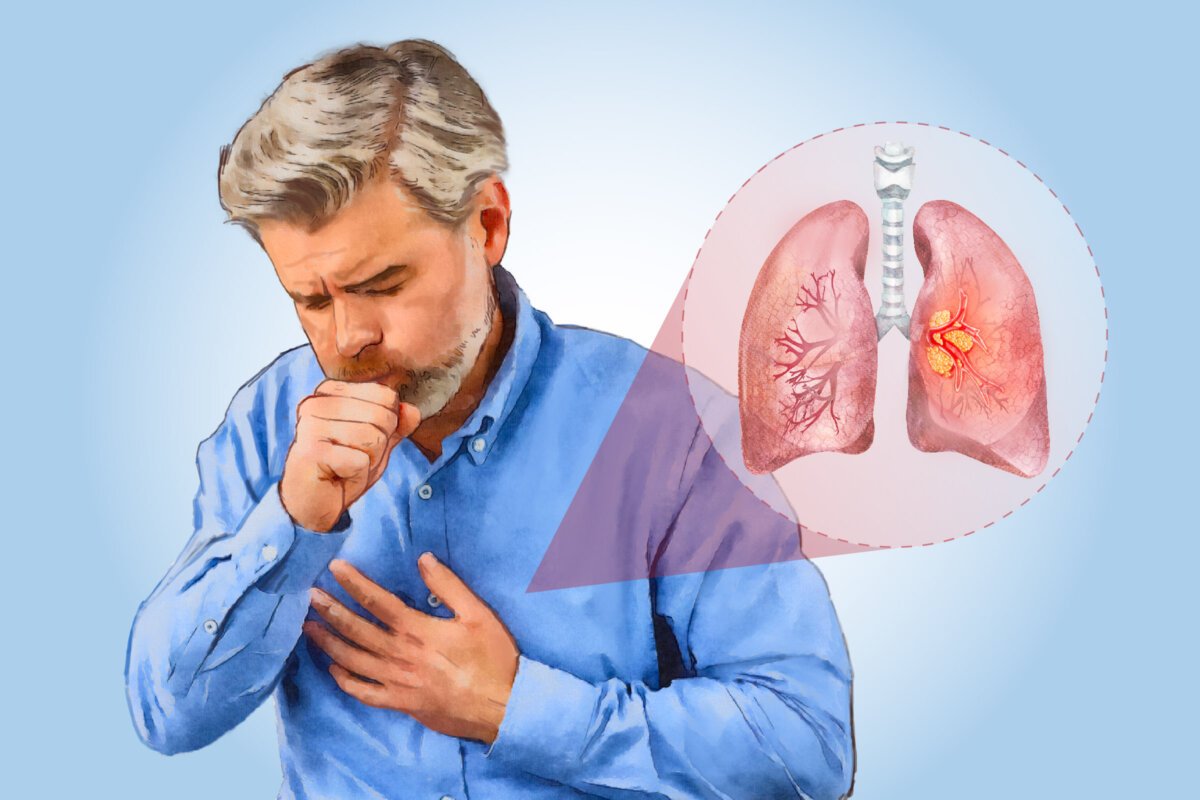
Lung cancer remains the leading cause of cancer-related deaths worldwide among both men and women. It occurs when abnormal cells grow uncontrollably in the lungs.
Often called a “silent invader,” lung cancer typically shows no noticeable symptoms in its early stages, making it difficult to detect until it has advanced.
Lung cancer can be caused by more than just smoking.
[epoch_component type=”photo_gallery” position=”center” section_title=”Lung cancer occurs when abnormal cells grow in the lungs. The two main types—non-small cell and small cell lung cancer—differ in how they grow, spread, and respond to treatment. (Illustration by The Epoch Times, Shutterstock)” width=”900″ items=”5876529,” image_stays=”false” stays_for_paragraphs=””][/epoch_component]
[shortcut_anchor id=”anchor_1750464222051″ label=”Types”]What Are the Types of Lung Cancer?[/shortcut_anchor]
There are two main kinds of lung cancer: non-small cell lung cancer and small cell lung cancer, distinguished by how the cancer cells appear under a microscope.
1. Non-Small Cell Lung Cancer (NSCLC)
Non-small cell lung cancer accounts for 80 percent to 85 percent of all lung cancer cases. Think of NSCLC as an umbrella term for any lung cancer that doesn’t fall into the small cell category.
- Adenocarcinoma: Adenocarcinoma originates in glandular cells situated on the lung’s outer edges. It is the most common type overall, accounting for at least 40 percent of all lung cancers, and can occur in people who have never smoked.
- Squamous cell carcinoma: Squamous cell carcinoma originates in flat cells lining the airways, known as squamous cells. It has a stronger association with smoking than other NSCLC types, accounting for 25 percent of all lung cancers.
- Large cell carcinoma: Large cell carcinoma originates in undifferentiated cells and serves as a catch-all category for cancers that don’t fit other patterns. It typically grows faster than other NSCLC types and can appear in any part of the lungs.
2. Small Cell Lung Cancer (SCLC)
Making up 15 percent of lung cancers, SCLC is more aggressive. It primarily develops in the central airways and spreads rapidly to distant parts of the body. This type is almost exclusively seen in heavy smokers and has two subtypes: small cell carcinoma and combined small cell carcinoma.
In 2024, scientists at Memorial Sloan Kettering Cancer Center identified a rare new subtype of SCLC that primarily affects younger people who have never smoked or smoked very little. Unlike typical SCLC, this new variant shows a unique pattern of DNA damage called chromothripsis—where part of the cell’s genetic material suddenly shatters and rearranges, causing cancer-promoting genes to become overactive and making the cancer grow quickly and aggressively.
[shortcut_anchor id=”anchor_1750464232788″ label=”Causes”]What Causes Lung Cancer?[/shortcut_anchor]
As with all cancers, lung cancer is caused by the rapid division of abnormal cells that may eventually become tumors or spread via the bloodstream or lymph nodes. Everyone knows that smoking is a major factor, but there is more to it.
Smoking: The Leading Culprit
Cigarette smoking is the dominant cause of lung cancer, responsible for more than 70 percent of cases and up to 80 percent of lung cancer deaths. Smokers face a lung cancer mortality risk 25 times greater than those who have never smoked.
All tobacco products pose risks, including pipes, cigars, herbal cigarettes, hookahs, chewing tobacco, and even “low-tar” cigarettes. Long-term cannabis smoking and e-cigarettes also carry risks.
Even short periods of secondhand smoke exposure can initiate cellular damage that contributes to cancer onset.
One study showed that if you already smoke, quitting smoking can decrease your lung cancer risk to almost the same level as that of a lifelong nonsmoker, after about 15 years of stopping. Another study found that, compared to current smokers, after around 5 years, former smokers had about a 39 percent lower risk of developing lung cancer.
Environmental and Workplace Hazards
Several substances increase lung cancer risk:
- Radon gas: Radon exposure ranks as the second leading cause of lung cancer and a top environmental cause of any cancer in the United States. It is a colorless, tasteless, odorless, radioactive gas that seeps into buildings from the natural breakdown of uranium in rocks and soil. Levels are typically highest in basements and on first floors due to their proximity to the ground.
- Asbestos: Inhalation of these naturally occurring fibers can lead to their entrapment within the lungs. Asbestos is used in building materials such as roofing shingles and asbestos cement products, friction products like brake and transmission parts, and heat-resistant fabrics.
- Heavy metals: Exposure to metals such as cadmium (found in batteries and tobacco smoke), arsenic (found in some pesticides and drinking water), and chromium (used in steel production) increases lung cancer risk.
- Polluted air: Inhaling tiny air particles known as PM 2.5 has been linked to increased risk of NSCLC, particularly in people with Epidermal Growth Factor Receptor (EGFR) gene mutations.
- Silica: Quartz—found in sand, gravel, clay, granite, and various rocks—is the predominant crystalline silica form and is hazardous to the lungs.
- Diesel exhaust: Studies involving workers exposed to diesel exhaust have shown small but significant increases in lung cancer risk.
Genetics
If your parents, siblings, or children have had lung cancer, your risk increases. Scientists have identified specific genetic changes, such as alterations on chromosome 6, that make people more susceptible regardless of smoking status.
Patients with lung cancers with EGFR mutations tend to have little to no history of smoking.
Most lung cancer-related gene changes are commonly acquired due to environmental factors rather than being inherited.
Additional Risk Factors
In addition to the aforementioned causes, other risk factors for lung cancer include:
- Age: Lung cancer is rare before age 40.
- Race: Black men are more likely to develop lung cancer than white men.
- Radiation exposure: Cancer survivors who underwent chest radiation therapy face an elevated risk of lung cancer, particularly if they smoke.
- Sedentary lifestyle: Smokers who engage in vigorous activity at least once a week have up to a 25 percent lower risk of developing lung cancer compared to those who rarely or never do.
- Diet: Excessive consumption of red meat and saturated fats may increase lung cancer risk.
- Beta-carotene supplements: Beta carotene is a red-orange pigment found in many plants and an antioxidant that protects the body from harmful free radicals. However, research has shown a strong link between beta-carotene supplements and an increased lung cancer risk among smokers.
- Certain diseases: Chronic lung disorders, such as chronic obstructive pulmonary disease, increase lung cancer risk. Risk also increases among people with autoimmune disorders, including lupus, rheumatoid arthritis, Crohn’s disease, Graves’ disease or hyperthyroidism, and sarcoidosis.
[shortcut_anchor id=”anchor_1750464246365″ label=”Symptoms”]What Are the Symptoms and Early Signs of Lung Cancer?[/shortcut_anchor]
In its initial stages, lung cancer may not exhibit any noticeable signs or symptoms. As the tumor progresses, signs and symptoms often emerge.
Common Symptoms
Many early signs of lung cancer are easy to overlook or attribute to other illnesses. As the disease develops, symptoms tend to affect the respiratory system, general energy levels, and physical appearance.
Respiratory symptoms:
- Persistent cough lasting more than three weeks
- Shortness of breath during normal activities
- Wheezing or hoarseness
- Chest pain that worsens with deep breathing or coughing
- Coughing up blood or blood-tinged mucus
Systemic symptoms:
- Unexplained weight loss
- Constant fatigue
- Loss of appetite
- Difficulty swallowing
- Recurrent chest infections
- Night sweats
- Headaches
Physical signs:
- Enlarged lymph nodes in the neck or above the collarbone
- Swelling of the face and neck
- Clubbing of fingers and toes
- Bladder or bowel control problems with limb weakness
- Persistent shoulder pain
NSCLC-Specific Symptoms
When NSCLC forms a tumor in the lung’s uppermost part—known as a Pancoast tumor—it can damage nearby nerves, causing:
- Drooping upper eyelid on the affected side
- Constricted pupil
- Inability to sweat on that side of the face
- Pink flush compared to the other side
SCLC-Specific Symptoms
SCLC is more likely than NSCLC to cause paraneoplastic syndromes—a group of symptoms that occur when cancer triggers immune or hormonal changes in the body. These include:
- Syndrome of inappropriate antidiuretic hormone: Causes water retention and low blood sodium levels, leading to muscle weakness, confusion, fatigue, and in severe cases, seizures.
- Cushing syndrome: Occurs when cancer cells produce a hormone that triggers the body to make excessive amounts of cortisol. Symptoms include elevated blood pressure and blood sugar, a rounded face, thin and weak limbs, and abdominal weight gain with purple stretch marks.
- Lambert-Eaton syndrome: Thought to result from tumor-induced antibodies that disrupt communication between muscle and nerve. Symptoms include muscular weakness, reduced mobility, and difficulty getting up from a seated position, climbing stairs, or lifting objects.
- Hypercalcemia: Occurs when calcium levels in the blood are elevated, leading to frequent urination, increased thirst, constipation, fatigue, dizziness, and confusion.
- Blood clots: NSCLC promotes clot formation by triggering inflammation and releasing substances that activate the body’s clotting system.
[shortcut_anchor id=”anchor_1750464263964″ label=”Stages”]What Are the Stages of Lung Cancer?[/shortcut_anchor]
Staging categorizes cancer based on its spread within the body, considering tumor size and location. NSCLC and SCLC have their own separate staging systems.
NSCLC
The TNM system is the most widely used staging system for NSCLC, consisting of five stages. In this system, T indicates the size and extent of the primary tumor, N refers to the presence of cancer in nearby lymph nodes, and M identifies whether the cancer has metastasized to other parts of the body.
Combining the T, N, and M situations yields an overall stage for NSCLC:
- Stage 0: The earliest stage, in which cancer cells are found only in the top layer of cells lining the air passages and have not invaded deeper into the lung tissue.
- Stage 1: The cancer remains confined to the lung.
- Stage 2: The cancer is still within the lung, but the tumor is larger and more invasive than in stage 1.
- Stage 3: The cancer has spread to nearby lymph nodes and may involve more extensive invasion into surrounding tissues.
- Stage 4: The most advanced stage, indicating that the cancer has metastasized to distant organs or tissues.
SCLC
Small cell lung cancer may also sometimes be staged using the TNM system, but more commonly it is classified into two stages:
Limited stage: The cancer is present in one lung or in its nearby lymph nodes on the same side of the chest.
Extensive stage: The cancer has spread widely within the lung, to the opposite lung, to lymph nodes on the other side of the chest, or distant parts of the body. It may also involve cancer spreading to the fluid surrounding the lung.
[shortcut_anchor id=”anchor_1750464280525″ label=”Diagnosis”]How Is Lung Cancer Diagnosed?[/shortcut_anchor]
Early detection improves outcomes, making screening and diagnostic testing essential in managing lung cancer.
Screening
There is currently only one recommended screening test in the United States: low-dose computed tomography (LDCT). LDCT is a quick and noninvasive procedure and is similar to a standard CT scan but with significantly less radiation exposure, reducing risks from repeated use.
Research has found that LDCT is the only screening method proven to reduce the risk of dying from lung cancer in heavy smokers.
The U.S. Preventive Services Task Force recommends annual lung cancer screening for people who meet all the following criteria:
- Ages 50 to 80
- A 20 pack-year smoking history
- Current smokers or those who quit within the past 15 years
Diagnostic Testing
Diagnosis typically starts with a consultation with your physician, who will review your symptoms, risk factors, and general health, and perform a physical examination. You may then be referred to a specialist or undergo additional tests, such as imaging scans:
- Chest X-ray: Often the first test to identify lung abnormalities.
- Positron emission tomography (PET) scan: A scan that uses radioactive sugar to create 3D images that reveal areas of high cell activity, helpful for detecting cancer spread.
- Magnetic resonance imaging (MRI) scan: A scan that uses radio waves and magnets to create detailed images of soft tissues, particularly useful for identifying cancer in the brain, heart, or spinal cord.
- Ultrasound: A test that helps detect fluid around the lungs and guides biopsy procedures.
Lab tests may also be used, including:
- Sputum cytology: A test that examines mucus (phlegm) coughed up from the lungs for cancer cells under a microscope.
- Biopsy: A procedure that involves extracting a tissue sample for microscopic analysis and is considered the definitive diagnostic tool.
[shortcut_anchor id=”anchor_1750464296998″ label=”Treatments”]What Are the Treatments for Lung Cancer?[/shortcut_anchor]
Treatment plans depend on the cancer type, stage, overall health, and personal preferences. Modern lung cancer care often combines multiple approaches for optimal outcomes. The following are common treatment options:
Surgery
Surgical treatment depends largely on the tumor’s size, location, and spread within the lungs. If a patient has NSCLC in one lung and is otherwise in good health, surgery to remove the cancer cells is often recommended. Since SCLC often affects both lungs, surgery alone is usually not advised. In some cases, lymph nodes may also be removed during surgery to determine whether they contain cancer cells—serving both diagnostic and therapeutic purposes.
Types of lung cancer surgery include:
- Wedge resection or segmentectomy: Removes a small portion of the lung for early-stage, localized cancers.
- Lobectomy: Removes one of the lung’s larger sections (lobes), typically when cancer is confined to a single area.
- Pneumonectomy: Removes the entire lung, often chosen when cancer is centrally located or has spread extensively.
- Sleeve resection: Removes part of the bronchus (the main airway).
Chemotherapy
Chemotherapy uses anti-cancer drugs to halt the growth of cancer cells—either by eliminating the cells or impeding their division. Most people with lung cancer receive chemotherapy, either as a primary treatment or to destroy any residual cancer cells following surgery.
Chemotherapy is typically administered in cycles for several days, followed by a break lasting a few weeks to allow the treatment to take effect and the body to recover. Lung cancer chemotherapy usually involves a combination of medicines delivered through an intravenous drip or chest tube.
Radiation
Radiation therapy uses high-energy beams to destroy cancer cells. It’s sometimes used in combination with chemotherapy as a primary treatment. In advanced cases or when cancer has spread, radiation therapy can also relieve symptoms such as pain.
There are three main types of radiation therapy:
- External beam radiation therapy (EBRT): A treatment that directs radiation from outside the body onto the tumor. It is painless, with each session lasting just a few minutes. Lung radiation is usually administered five days a week for five to seven weeks.
- Internal radiation therapy (brachytherapy): A treatment that involves placing radioactive material inside the bronchus during a bronchoscopy. It’s mainly used for tumors in the bronchi and helps minimize radiation exposure to nearby tissues.
- Stereotactic body radiation therapy (SBRT): A highly focused form of radiation that delivers large doses to tumors with precision. It’s often used in early-stage cancers when surgery isn’t an option.
Targeted Therapy
Targeted therapy, also called biological therapy, uses medications designed to block the progression of advanced NSCLC by acting on specific genetic mutations or proteins found in cancer cells.
The choice of targeted therapy is selected based on gene testing and the presence of targetable mutations. Targeted therapies may work even when chemotherapy drugs do not yield results.
Immunotherapy
Immunotherapy is a type of biological therapy that helps the patient’s own immune system fight cancer. These drugs boost, direct, or restore the body’s natural defenses to recognize and attack cancer cells.
One common approach is immune checkpoint inhibitor therapy, used to treat some people with advanced NSCLC. Immune checkpoint inhibitors—such as PD-1 and PD-L1 inhibitors—work by preventing cancer cells from “hiding” from the immune system, allowing it to launch a more effective attack.
Specialized Procedures
In addition to standard treatments, certain procedures may be recommended for people with tumors in specific locations, advanced diseases, or who aren’t candidates for surgery. These minimally invasive techniques can help reduce symptoms and improve quality of life.
Radiofrequency ablation
Radiofrequency ablation may be considered for people with small tumors near the edge of a lung. It uses powerful radio waves to heat the tumor. A thin, needle-like device is inserted through the skin and carefully positioned within the tumor, guided by CT scans. Once properly placed, an electric current flows through the probe, generating heat that eradicates cancer cells within the tumor.
Endobronchial therapy
Endobronchial therapy removes blockages caused by lung cancer within the airway tubes (bronchi or bronchioles). When surgical removal of the cancer isn’t possible due to a person’s health or the tumor’s location, endobronchial therapy can ease symptoms by reducing airway obstruction.
Cryotherapy
Cryotherapy—also known as cryosurgery or cryoablation—is a treatment that destroys cancer cells by freezing them. It is most often used for metastatic (advanced) lung cancer, especially in people who are not suitable candidates for surgery.
The treatment can help relieve symptoms caused by a tumor blocking an airway, such as breathlessness, coughing, coughing up blood, or chest infections. However, it is not a cure.
During the procedure, a doctor inserts a bronchoscope—a long, thin, rigid or flexible tube—through the throat into the airway. A freezing probe is then passed through the bronchoscope to target and freeze the tumor. The area is allowed to thaw, and the process is repeated as needed. As much of the tumor tissue as possible is removed using forceps or the probe.
Integrative Approaches
While not substitutes for conventional treatments, complementary therapies can support lung cancer care by easing side effects, reducing symptoms, and improving overall well-being. These approaches are often used alongside standard medical treatments.
Acupuncture and acupoint stimulation
Research has shown that stimulating specific acupoints can significantly affect the immune system in people with lung cancer. Increases in immune-regulating cytokine interleukin-2 and immune cells—including T-cell subtypes and natural killer cells—have been observed.
Acupoint stimulation has also been shown to reduce bone marrow suppression caused by conventional therapies, including low hemoglobin, platelet, and white blood cell counts.
Acupuncture may ease several lung cancer-related symptoms that affect quality of life, such as pain, nausea and vomiting, insomnia, anxiety, depression, fatigue, and constipation.
Palliative care
Palliative care or supportive care focuses on managing lung cancer symptoms and treatment side effects. Meeting with a palliative care team early in the treatment process can help ensure comfort during and after treatment.
[shortcut_anchor id=”anchor_1750464322327″ label=”Lifestyle Approaches”]What Are the Lifestyle Approaches to Lung Cancer?[/shortcut_anchor]
Lifestyle choices can influence not only the risk of developing lung cancer but also how well someone copes during and after treatment. A balanced diet, regular physical activity, and stress-reduction practices may support overall health, improve quality of life, and complement medical care.
Diet
A systematic review and meta-analysis of prospective studies found that the more fruits and vegetables you eat—up to 400 grams per day—the lower your risk of lung cancer. Fruits in the Rosaceae family, such as apples, apricots, cherries, pears, plums, raspberries, and strawberries, may be especially beneficial.
Cruciferous vegetables like broccoli and cabbage contain isothiocyanates—along with other nutrients—that have antioxidant, anti-inflammatory, and protective properties. An in vitro study found that isothiocyanates suppressed the metastatic potential of human lung cancer cells by modulating genes linked to metastasis, further supporting their anti-proliferative and antitumor effects.
Recent clinical guidelines provide additional support that diets rich in nonstarchy vegetables and fruits, and low in red and processed meats, are associated with reduced lung cancer risk.
Preclinical research also suggests that omega-3 fatty acids may hinder the growth of cancer cells and regulate biological pathways involved in lung cancer development and complications.
Physical Activity
Exercise—including aerobic and resistance training, as well as leisure-time physical activity—has proven benefits for both the prevention and treatment of lung and other cancers. Physical activity may enhance immune recognition of cancer cells and help prevent the formation of new cancer cells.
Tai chi and qigong also show promise. In a systematic review and meta-analysis, these mind-body exercises were found to help prevent or ease cancer-related symptoms and improve quality of life.
Another review found that qigong may reduce common cancer symptoms, such as pain, fatigue, nausea, vomiting, dry mouth, and constipation.
Meditation and mindfulness practices are generally considered safe and effective complementary strategies. Mindfulness-based interventions can reduce anxiety, depression, fatigue, and stress. Examples include mindfulness-based art therapy, mindfulness-based stress reduction programs, and mindfulness-based recovery care.
[shortcut_anchor id=”anchor_1750464338230″ label=”Mindset”]How Does Mindset Affect Lung Cancer?[/shortcut_anchor]
Although some studies suggest that maintaining a positive attitude may not directly influence lung cancer survival or progression, other research indicates that optimism and a hopeful mindset can improve quality of life during cancer care.
Many cancer survivors and those undergoing treatment believe that staying positive helps them cope and enhances their daily outlook.
Some also feel their mindset may influence how they manage the disease, respond to treatment, and view their chances of survival.
[shortcut_anchor id=”anchor_1750464348040″ label=”Prevention”]How Can I Prevent Lung Cancer?[/shortcut_anchor]
While not all cases of lung cancer are preventable, adopting certain lifestyle habits can reduce your risk.
- Quit smoking: Giving up tobacco is one of the most effective ways to lower lung cancer risk. Even long-time smokers can see their risk drop significantly over time.
- Test your home’s radon levels: You can test your home by contacting your state radon office, which can provide kits or referrals for professional testing.
- Avoid or minimize exposure to carcinogens: Before taking a new job, research potential exposure to lung cancer-causing toxic substances like asbestos and silica.
- Eat a healthy diet with cruciferous vegetables: Eat a balanced mix of fruits, vegetables, and healthy meats. Cruciferous vegetables—such as cabbage, broccoli, and Brussels sprouts—have shown protective effects against lung cancer.
- Get enough omega-3s: Key omega-3 fatty acids include alpha-linolenic acid (ALA) from plant oils, eicosapentaenoic acid (EPA) from seafood, and docosahexaenoic acid (DHA) also from fish and other marine sources.
- Boost your vitamins and antioxidants: Antioxidants like vitamins A, C, and E, along with selenium and zinc, may protect against oxidative stress, especially during cancer treatment. However, lab studies suggest that very high doses of vitamin C can act as a pro-oxidant, damaging cancer cell DNA and leading to cell death.
- Exercise regularly: Aim for 150 minutes of moderate aerobic activity per week, plus strength training at least twice a week.
[shortcut_anchor id=”anchor_1750464357772″ label=”Complications”]What Are the Complications of Lung Cancer?[/shortcut_anchor]
Advanced lung cancer can lead to a range of complications, some of which may require urgent medical attention. These complications may affect circulation, respiration, metabolism, and organ function.
Circulatory Issues
Lung cancer can interfere with blood-clotting mechanisms, increasing the risk of serious vascular events.
Blood clots: Lung cancer raises the risk of deep vein thrombosis due to both the disease and certain treatments, such as chemotherapy.
Pulmonary embolism: Lung cancer can also lead to clots that break free and travel to the lungs, resulting in a pulmonary embolism—a potentially life-threatening condition.
Respiratory Problems
As lung tumors grow, they may obstruct airflow or cause fluid buildup, leading to respiratory distress.
- Shortness of breath: Tumors can block airways and restrict breathing.
- Pleural effusion: Cancer can cause fluid accumulation around the lungs, limiting their ability to expand fully.
- Reduced oxygen-carrying capacity: Lung cancer may reduce red blood cell levels, making it harder to deliver oxygen throughout the body.
- Hemoptysis (coughing up blood): Lung cancer can cause bleeding in the lungs or airways, leading to the coughing of blood.
Metabolic Complications
Lung cancer can disrupt metabolic processes, leading to significant weight and nutrient imbalances.
- Cachexia: A common issue in advanced lung cancer, characterized by significant weight and muscle loss. About 60 percent of patients show weight loss at diagnosis.
- Anemia: Common among lung cancer patients, anemia may result from the cancer itself, its stage, or previous and ongoing treatments.
- Hypercalcemia: A condition in which lung cancer causes abnormally high calcium levels in the blood, potentially affecting bone health and organ function.
Treatment-Related Issues
Some complications arise from cancer treatments and may need separate management.
- Neutropenia: A drop in neutrophils, a type of white blood cell, often caused by chemotherapy, that increases infection risk.
- Nephrotoxicity: A rapid decline in kidney function due to toxic effects from medications or chemicals used during treatment.
