

Leaky gut syndrome is widely discussed in digestive health, with many people attributing a broad range of symptoms to it—from bloating and constipation to fatigue, inflammation, and even anxiety.
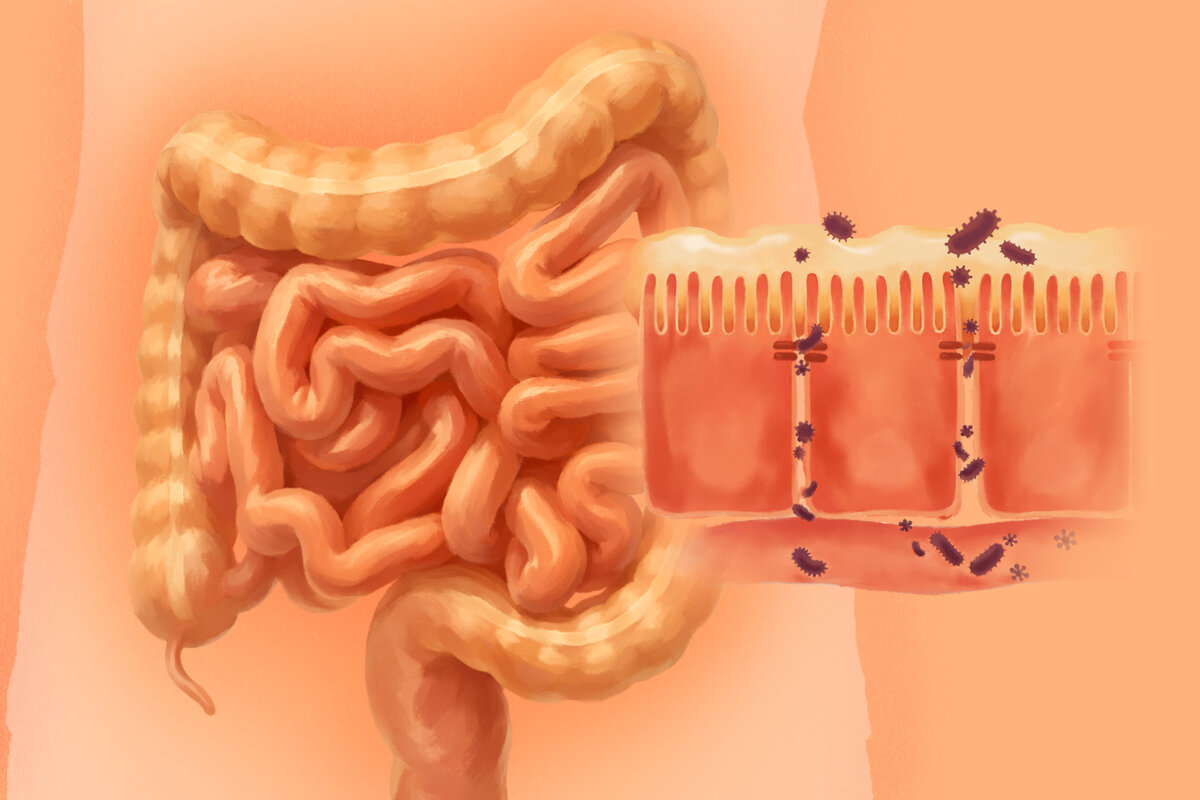
While leaky gut syndrome isn’t a recognized medical diagnosis, a leaky gut—also called increased intestinal permeability, a measurable weakening of the gut lining’s ability to control what passes through—is a real phenomenon. What does leaky gut really mean for your health?
-
Digestive Issues: Bloating, excessive gas, diarrhea, and constipation
-
Nutritional Deficiencies: Low levels of essential vitamins and minerals, possibly from impaired nutrient absorption or underlying digestive conditions
-
Brain Fog: Confusion, memory problems, and trouble concentrating or finishing tasks
-
Skin Problems: Acne, eczema, and unexplained rashes
-
Joint Pain: Aching, stiffness, or discomfort in one or more joints
-
Widespread Inflammation: Inflammation in different parts of the body, potentially linked to an underlying inflammatory or autoimmune condition
Some claims link increased intestinal permeability to immune dysfunction, autoimmune diseases, mood changes, anxiety, and other neurological symptoms.
People attribute various symptoms to leaky gut syndrome because the intestinal lining acts as a selective barrier between the gut contents and the bloodstream. When intestinal permeability increases, substances such as bacterial components may pass through the intestinal barrier more easily, potentially triggering immune responses and inflammatory signaling. This has led researchers to investigate possible connections between intestinal permeability and the gut-brain, gut-skin, and gut-immune axes, which describe how the gut communicates with these systems.
Changes in gut bacteria and intestinal inflammation may influence digestion, nutrient absorption, immune activity, and communication with the brain and other organs. However, there is insufficient evidence that leaky gut syndrome directly causes all these symptoms. Many complaints attributed to leaky gut have other explanations.
[shortcut_anchor id=”anchor_1795145950721″ label=”Causes”]What Causes Leaky Gut Syndrome?[/shortcut_anchor]Leaky gut syndrome is a term used to describe the proposed health effects of increased intestinal permeability, commonly referred to as “leaky gut.”
The intestines are naturally semipermeable, meaning they allow water and nutrients to pass through the intestinal wall and enter the bloodstream, but they also protect the body from harmful substances.
The intestinal barrier has several interconnected components that work together to protect the body: the intestinal epithelial cells—the physical barrier—and the mucus layer on top block bacteria, toxins, partially digested food, and irritants. The tight junctions between cells seal the spaces; the gut microbiome and the immune defense further protect the barrier.
When this barrier becomes compromised, harmful substances may cross the intestinal lining more easily. Once these substances enter the bloodstream, they can travel to different organs and trigger an immune response. This may cause inflammation, and persistent low-grade inflammation can potentially damage tissues and affect organ function over time.
There are two main ways the intestinal barrier can become compromised. Disruptions in the tight junctions between epithelial cells, which are more common, and direct damage to the epithelial cells.
Several factors may contribute to increased intestinal permeability, including:
-
Nonsteroidal Anti-Inflammatory Drugs (NSAIDs): Frequent or prolonged use of ibuprofen, naproxen, or aspirin can damage the gastrointestinal lining, disrupt the protective mucosal barrier, and increase permeability.
-
Excess Alcohol: Heavy or binge drinking damages epithelial cells and weakens tight junctions. Bacterial toxins, particularly lipopolysaccharides (LPS), can then cross into the bloodstream and trigger inflammation. Acetaldehyde, a toxic metabolite produced during alcohol metabolism, can also compromise intestinal barrier integrity by disrupting tight junctions between epithelial cells.
-
Cancer Treatments: Chemotherapy and radiation therapy can damage rapidly renewing epithelial cells, disrupting the protective intestinal lining and compromising barrier function.
-
High-Intensity Exercise: Prolonged or strenuous exercise diverts blood flow from the digestive tract to working muscles. The resulting drop in oxygen supply to intestinal cells, especially when combined with a higher body temperature and dehydration, can damage the lining and disrupt tight junctions.
-
Gluten Sensitivity: In people with celiac disease and possibly some other gluten-related conditions, a protein found in gluten may trigger the release of zonulin, which helps regulate intestinal tight junctions. This may loosen the connections between intestinal epithelial cells and increase permeability.
-
Imbalance in the Gut Microbiome: Dysbiosis, an imbalance in gut microorganisms, can contribute to intestinal barrier dysfunction and inflammation, potentially increasing susceptibility to certain diseases.
-
Fiber and Nutrient Deficiencies: Too little fermentable fiber can reduce the production of short-chain fatty acids, particularly butyrate, which provides energy for colon cells and helps maintain intestinal barrier integrity.
-
High-Sugar Diet: Excess sugar may disrupt the gut microbiome balance, reducing beneficial bacteria and promoting changes that drive inflammation and increased intestinal permeability.
-
Chronic Stress: Prolonged psychological stress can affect the gut-brain axis and raise levels of stress hormones, such as cortisol and corticotropin-releasing hormone, a key hormone involved in the body’s stress response. This hormone can activate mast cells in the intestinal lining, triggering the release of pro-inflammatory substances, which can interfere with tight junction integrity. Together, these responses may disrupt tight junction proteins, alter the gut microbiome, and trigger inflammation, potentially weakening the intestinal barrier.
-
Environmental Toxins and Chemicals: Pesticides, heavy metals, industrial pollutants, and certain food additives, such as emulsifiers and bulking agents, may disrupt tight junction proteins, alter the gut microbiome, and trigger oxidative stress and inflammation.
-
Oxalates: Oxalates, or oxalic acid and its salts, are naturally occurring compounds found in many plant foods and produced by the body as a waste product of normal metabolism. Research suggests that increased dietary oxalate exposure may contribute to intestinal inflammation and damage to the intestinal epithelial barrier, particularly in people with inflammatory bowel disease or impaired oxalate handling. Changes in the gut microbiome may also play a role. However, whether normal dietary oxalate intake harms the intestinal barrier in healthy people remains unclear.
It remains difficult to determine how much harm increased permeability causes on its own, independent of the underlying disease or inflammation that disrupted the intestinal barrier in the first place.
[shortcut_anchor id=”anchor_1795145970521″ label=”Conditions”]Which Conditions Are Linked to Increased Intestinal Permeability?[/shortcut_anchor]The following diseases have varying relationships with increased intestinal permeability, although these associations do not establish that leaky gut syndrome causes them.
1. Gastrointestinal Diseases
These conditions have some of the strongest evidence linking them to increased intestinal permeability.
-
Celiac Disease: This is an immune-mediated condition in which gluten triggers damage to the small intestinal lining in genetically susceptible people, contributing to increased intestinal permeability.
-
Inflammatory Bowel Disease: Conditions such as Crohn’s disease and ulcerative colitis involve chronic intestinal inflammation and impaired barrier function. A 2020 prospective study measured permeability in 1,420 asymptomatic first-degree relatives of people with Crohn’s disease. Those with abnormal intestinal permeability were more likely to develop Crohn’s disease during follow-up, suggesting that impaired intestinal barrier function may precede the development of the disease.
-
Irritable Bowel Syndrome (IBS): Increased intestinal permeability has been observed in some people with IBS, particularly those with diarrhea-predominant symptoms.
-
Gastrointestinal Infections: Certain bacterial, viral, and parasitic infections can damage intestinal epithelial cells and disrupt tight junctions.
2. Autoimmune and Inflammatory Diseases
In genetically susceptible people, increased intestinal permeability may contribute to a loss of immune tolerance and the development or progression of certain autoimmune diseases. However, the relationship may be bidirectional, as chronic inflammation and autoimmune diseases can also damage the intestinal barrier and increase intestinal permeability.
A 2023 study reported up to 30-fold higher odds of autoimmune markers in people with intestinal barrier dysfunction. However, this does not establish that leaky gut directly causes autoimmune diseases.
-
Type 1 Diabetes: A 2019 study found that children with islet autoimmunity, in which the immune system mistakenly attacks insulin-producing cells in the pancreas, who later developed Type 1 diabetes, had gut microbiome imbalances, fewer beneficial short-chain fatty acid-producing bacteria, and increased intestinal permeability compared with children who did not progress to diabetes.
-
Rheumatoid Arthritis: A 2023 study found that people with rheumatoid arthritis had reduced expression of one tight junction protein, elevated blood markers of intestinal permeability, and bacteria crossing the intestinal barrier. These findings correlated with disease activity, suggesting a link between barrier dysfunction and systemic inflammation.
-
Multiple Sclerosis and Sjögren’s Syndrome: A 2021 study suggested that in primary Sjögren’s syndrome, increased intestinal permeability may result from autoimmune inflammation damaging the intestinal barrier, whereas in multiple sclerosis, it may result from disrupted communication between the central and enteric nervous systems, which regulate brain and intestinal activity.
-
Lupus: A 2024 study of women with lupus found that increased intestinal permeability markers were associated with greater disease activity and changes in DNA methylation, a process that influences how genes are expressed without altering the underlying DNA sequence. The findings suggest a possible relationship between barrier dysfunction and disease activity, although causation remains unclear.
-
Ankylosing Spondylitis: A 2017 study found microbiome imbalances, increased intestinal inflammation, and barrier damage in people with ankylosing spondylitis, a chronic inflammatory autoimmune-related disease that mainly affects the spine and the joints connecting it to the pelvis.
3. Liver and Metabolic Diseases
When intestinal permeability increases, bacterial products such as LPS may enter the circulation and reach the liver, potentially contributing to inflammation. Associated conditions include:
-
Metabolic Dysfunction-Associated Steatotic Liver Disease (MASLD): A 2023 study involving 52 patients with MASLD and 46 healthy controls found significantly increased intestinal permeability in the small intestine, colon, and overall gastrointestinal tract among those with the disease. These findings suggest a possible link between intestinal barrier dysfunction and the severity of liver disease, although they do not establish whether increased permeability contributes to liver damage or results from the underlying disease.
-
Liver Cirrhosis: A 2025 study involving 160 people with cirrhosis found that blood markers of gut barrier damage and bacterial movement into the circulation varied by disease stage. These findings suggest that intestinal barrier damage is associated with the severity and outcomes of cirrhosis, although further research is needed to determine whether it contributes to disease progression.
-
Type 2 Diabetes: A 2018 study involving 122 participants found changes in tight junction proteins and greater intestinal permeability after exposure to dietary fat in people with severe obesity compared with those without obesity. Increased permeability was also associated with systemic inflammation and Type 2 diabetes.
4. Endometriosis
Endometriosis is a chronic condition in which tissue similar to the uterine lining grows outside the uterus, commonly affecting the ovaries, fallopian tubes, and other pelvic organs. A 2023 pilot study involving 46 participants found that 45 percent of those with confirmed endometriosis had increased intestinal permeability, compared with none of the nine participants without endometriosis or in the healthy control group. Further research is needed to determine whether increased intestinal permeability contributes to endometriosis or occurs as a result of the condition.
[shortcut_anchor id=”anchor_1795145983298″ label=”Diagnosis”]How Is Leaky Gut Syndrome Diagnosed?[/shortcut_anchor]Since leaky gut syndrome is not a formally recognized diagnosis, it cannot be officially diagnosed as a medical condition. If you suspect you have leaky gut syndrome, your doctor may check for underlying conditions that could cause your symptoms or affect the intestinal lining. There is currently no standardized clinical test for measuring intestinal permeability, but several methods are used in research to assess intestinal barrier dysfunction.
-
Lactulose-to-Mannitol Test: Measures the amounts of two sugars in your urine after you drink a solution containing lactulose and mannitol. Mannitol is readily absorbed through the intestinal lining, while lactulose can’t be absorbed by cells directly and must pass between epithelial cells. A higher lactulose-to-mannitol ratio therefore generally indicates increased intestinal permeability.
-
Blood Tests: Measure circulating biomarkers, such as bacterial endotoxins and antibodies, that may suggest increased exposure to bacterial components.
-
Tissue Biopsy (Ussing Chamber): Examines intestinal tissue outside the body to assess barrier integrity and permeability by measuring ion transport and the passage of molecules across the intestinal lining.
-
Confocal Endomicroscopy: Uses high-resolution imaging during endoscopy, often with intravenous fluorescent dye, to let doctors see gaps between intestinal epithelial cells and assess barrier integrity.
[shortcut_anchor id=”anchor_1795145996585″ label=”Lifestyle Approaches”]What Are the Natural and Lifestyle Approaches to Leaky Gut Syndrome?[/shortcut_anchor]Although there is no established cure for leaky gut syndrome, certain approaches may help improve intestinal barrier function, promote a healthy gut microbiome, reduce inflammation, and relieve symptoms.
Healthy lifestyle habits include avoiding unnecessary antibiotic use to preserve beneficial gut bacteria, exercising regularly to support digestion and bowel movements, getting adequate sleep to maintain immune function and manage inflammation, and reducing stress through relaxation techniques.
1. A Gut-Supportive Diet
Diet plays an important role in maintaining the intestinal barrier. Eating a variety of fiber-rich foods, not just vegetables and fruits, but also legumes, nuts, and seeds, provides nutrients that feed beneficial gut bacteria. Antioxidant-rich foods, including berries, leafy greens, apples, and colorful vegetables, contain polyphenols and other plant compounds that may help protect cells against oxidative stress and inflammation.
-
Potential Dietary Triggers: Reducing foods that worsen your symptoms may help relieve digestive discomfort. A low-FODMAP diet may also be recommended, particularly for people experiencing IBS-related digestive symptoms, as reducing fermentable carbohydrates can help ease bloating, gas, abdominal pain, and diarrhea.
-
Dark Chocolate: A 2023 study involving 47 people, including 24 elite football players, found that eating dark chocolate daily containing more than 85 percent cocoa for 30 days reduced zonulin, occludin, and LPS, suggesting improved intestinal barrier function. These findings indicate that cocoa polyphenols may help protect the intestinal lining against exercise-induced damage.
-
Calendula Tea: Calendula contains polyphenols and other compounds that may support gut health by influencing the gut microbiome, supporting intestinal barrier function, regulating immune responses, and reducing gastrointestinal inflammation. It may also help soothe irritation and promote tissue healing, although further research is needed to confirm its benefits for intestinal permeability.
2. Gut Microbiome Interventions
Probiotics, beneficial bacteria and yeasts, may provide health benefits; prebiotics, substances that beneficial gut bacteria use as food; and synbiotics, combinations of prebiotics and probiotics, may help improve intestinal barrier function, according to a 2025 meta-analysis of 68 studies. Probiotics and synbiotics significantly reduced zonulin and lipopolysaccharide (LPS) levels, a component of certain bacterial cell walls that can trigger inflammation, while prebiotics significantly reduced LPS levels.
-
Probiotics: Certain probiotic strains may help support intestinal barrier integrity by strengthening tight junctions, stimulating protective mucus production, regulating immune responses, and influencing beneficial microbial metabolites. Probiotic foods—fermented or cultured items that contain live, beneficial bacteria and yeasts—include yogurt, kefir, sauerkraut, kimchi, miso (a Japanese fermented soybean paste used in soups), tempeh (a fermented soybean cake with a firm, nutty texture), kombucha, and lacto-fermented pickles.
-
Prebiotics: These nondigestible plant fibers and complex carbohydrates can pass through the upper digestive tract and feed beneficial bacteria in the colon. Prebiotic foods include garlic, onions, asparagus, chicory root, oats, and green bananas.
-
Synbiotics: Synbiotic food examples are yogurt with bananas and oats, sauerkraut with asparagus, kimchi with brown rice, and kefir smoothies with fruits and flaxseeds.
3. Supplements
The following supplements are available over the counter:
-
Zinc Carnosine: This is a combination of zinc and the amino acid-related compound L-carnosine, used for gastrointestinal mucosal support. An older study involving 10 healthy volunteers found that zinc carnosine may help prevent a short-term increase in intestinal permeability caused by indomethacin, an anti-inflammatory medication. The findings on cell movement and growth came from lab experiments on cells, not from volunteers.
-
Bovine Colostrum: This is the first milk produced by cows after giving birth. A 2024 meta-analysis of 10 studies found that bovine colostrum supplementation significantly reduced intestinal permeability, although larger, well-designed randomized controlled trials are needed to confirm its effectiveness.
-
Butyrate: This short-chain fatty acid is particularly important because colon cells use it as an energy source. Butyrate may support intestinal barrier integrity through several interconnected mechanisms, primarily by nourishing intestinal epithelial cells, strengthening tight junctions, and regulating inflammation. A 2025 study involving 130 older men found that 300 milligrams of butyrate significantly reduced blood levels of zonulin and lipopolysaccharide-binding protein, two markers associated with intestinal permeability.
-
Vitamin D3: An international expert consensus published in March noted that vitamin D helps maintain intestinal barrier integrity and regulate interactions between the body and gut microbiota. Vitamin D receptors help regulate tight-junction proteins, antimicrobial peptide production, gut microbiota composition, and mucosal immune responses. These mechanisms help maintain epithelial integrity, support microbial balance, and regulate intestinal inflammation, potentially reducing intestinal permeability. A 2015 study involving 27 people with Crohn’s disease in remission found that 2,000 International units of vitamin D3 daily for three months helped maintain intestinal permeability and increased an antimicrobial peptide involved in immune defense. In contrast, the placebo group experienced increased intestinal permeability.
-
Glutamine: Glutamine is an amino acid that provides energy for intestinal cells and is naturally found in both plant and animal protein sources, including whey protein isolate. A 2019 study involving 106 people with post-infectious, diarrhea-predominant irritable bowel syndrome and increased permeability found that 5 grams of glutamine taken three times daily for eight weeks significantly improved barrier function and digestive symptoms. About 80 percent of those taking glutamine had significant symptom improvement, compared with 6 percent on placebo.
[shortcut_anchor id=”anchor_1795146511488″ label=”Treatments”]What Are the Treatments for Leaky Gut Syndrome?[/shortcut_anchor]Currently, there are no FDA-approved treatments specifically for leaky gut syndrome.
1. Treating the Underlying Causes
Treatment depends on the underlying condition. For example, celiac disease requires a strict gluten-free diet, gastrointestinal infections may require antimicrobial medications, and autoimmune diseases such as rheumatoid arthritis, multiple sclerosis, and Sjögren’s syndrome may require medications to manage inflammation or immune activity.
Ultimately, the treatment approach depends on the underlying condition, its severity, and the individual’s symptoms.
2. Herbal Medicines
Herbs may interact with certain prescription or over-the-counter medications, so talk to your doctor before using them.
Chinese Skullcap: Also known as “Huang Qin,” Chinese skullcap may help support intestinal barrier integrity through several mechanisms relevant to leaky gut. Research suggests that its active compounds may help protect the intestinal lining by reducing inflammation, regulating immune responses, providing antioxidant effects, and influencing the gut microbiome.
Nutrition Care Gut Relief Formula: A 2020 study involving 43 adults with digestive disorders examined a formula containing curcumin, aloe vera, slippery elm, guar gum, pectin, peppermint oil, and glutamine. After a 4-week observation period, participants took 5 grams daily for four weeks, followed by 10 grams daily for eight weeks. The herbal formula was associated with improvements in gastrointestinal symptoms, intestinal permeability markers, and gut microbiome composition. Some participants also reported less reliance on reflux medication and better tolerance of previously troublesome foods. However, the study lacked a separate placebo group, so it could not establish that the formula caused these improvements.
[shortcut_anchor id=”anchor_1795146541697″ label=”Prevention”]How Can I Prevent Leaky Gut Syndrome?[/shortcut_anchor]Taking self-care steps that promote overall digestive health may be the best way to support intestinal barrier health. To help minimize the risk of leaky gut, you may:
-
Adopt healthy lifestyle and dietary habits, including increasing fiber intake to support beneficial gut bacteria and reducing refined carbohydrates and added sugars.
-
Limit unnecessary or prolonged use of NSAIDs.
-
Consider probiotic supplements to promote a balanced gut microbiome.
-
Manage stress levels.
-
Reduce alcohol consumption.
These measures may help support overall digestive health, maintain intestinal barrier integrity, and promote a healthy gut microbiome.
[shortcut_anchor id=”anchor_1795146695880″ label=”Complications”]What Are the Possible Complications of Leaky Gut Syndrome?[/shortcut_anchor]Although “leaky gut syndrome” is not recognized as an independent medical diagnosis, increased intestinal permeability is a scientifically recognized condition that can have potential health consequences. When intestinal barrier integrity is compromised, it may contribute to increased inflammation, immune activation, gut microbiome imbalances, and gastrointestinal disturbances.
In severe cases of intestinal disease or injury, bacteria or their components, such as bacterial toxins, may cross the intestinal barrier and move from the gut into normally protected areas of the body, such as the intestinal tissues, lymph nodes, or bloodstream.
Maintaining good digestive health starts with a balanced diet, regular exercise, adequate sleep, and stress management. For people experiencing persistent digestive symptoms, identifying and treating underlying conditions is equally important. These steps can help support gut health and improve overall well-being.
