
As a radiation oncologist who has treated thousands of men with prostate cancer, I’ve come to view prevention not as an abstract concept—but as a personal mission. I’ve seen too many men blindsided by diagnoses that, with a different approach, might have been caught earlier or avoided altogether.
That’s why I apply the same lens I use for my patients to my own life.
What I Do
Here’s how I live proactively—with evidence-backed actions:
1. I get my PSA checked annually—starting at age 40. The incidence of advanced and metastatic prostate cancer is rising, especially among younger men. Don’t wait until age 50. I track my PSA annually, monitor changes over time, and use tools such as MRI and PSA density when needed.
2. I prioritize and track my sleep like it’s medicine. I aim for 7 1/2 to nine hours of sleep per night (five to six sleep cycles) and use a wearable sleep tracker to monitor sleep stages, duration, and efficiency. I pay close attention to what affects my sleep—late meals, stress, caffeine—and adjust my sleep window to maximize deep and rapid eye movement sleep.
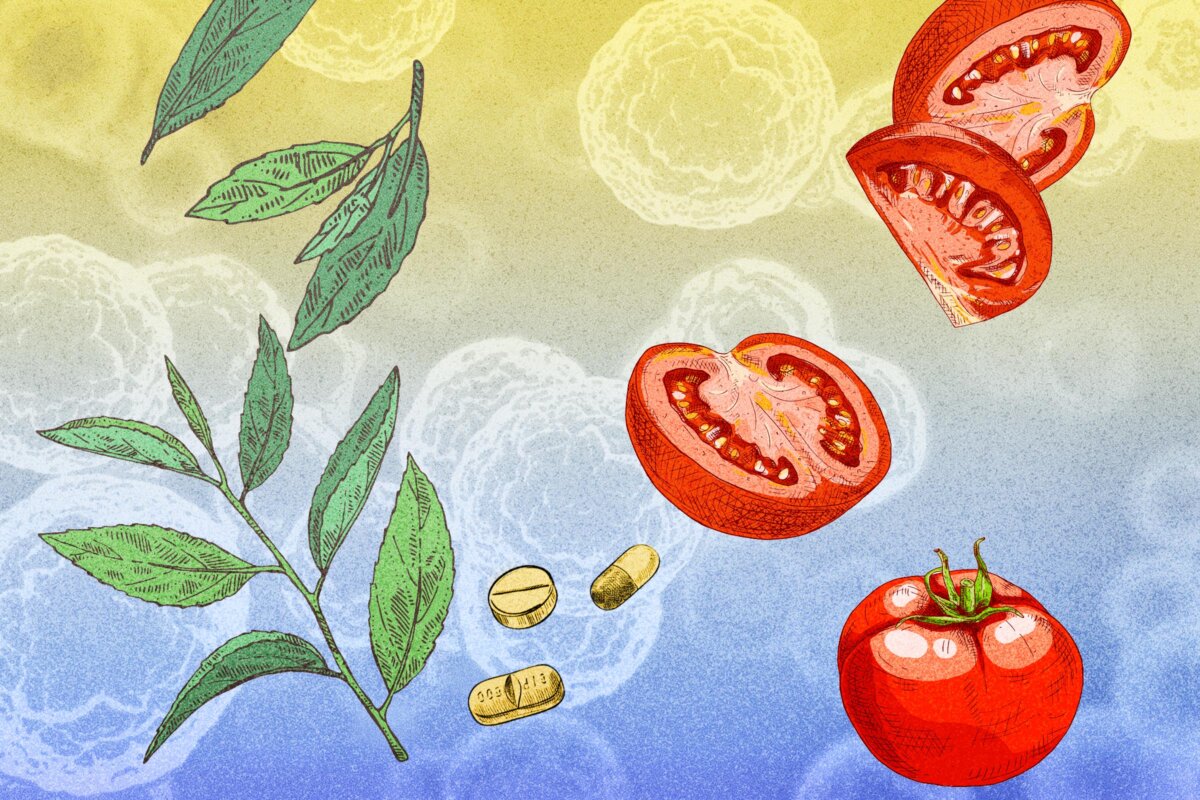
3. I eat tomatoes—often. Cooked tomatoes (sauces, soups, and stews) are rich in lycopene, a carotenoid with antioxidant effects linked to reduced prostate cancer risk in observational studies and recent meta-analyses.
Lycopene helps inhibit insulin-like growth factor 1 and angiogenesis (the formation of new blood vessels that feed tumors), promotes apoptosis (programmed cell death), and encourages healthy cell differentiation. Additionally, lycopene protects DNA and other cellular components from oxidative stress and environmental carcinogens.
4. I drink matcha daily. Matcha contains one of the highest known concentrations of EGCG, a potent green tea catechin. EGCG has anti-inflammatory and anti-proliferative effects and may reduce the risk of prostate cancer or slow progression in early stages. Plus, matcha provides L-theanine, which promotes calm focus—a bonus for stress management.
5. I move with intention—both for fitness and function. I aim for at least 300 minutes of movement weekly, including:
- Three sessions of resistance training to maintain lean muscle mass and support healthy testosterone.
- Two to three sessions of cardio, including zone 2 aerobic work to enhance mitochondrial function and metabolic health.
- Daily walking, with more than 8,000 steps per day. To step it up—literally—I often add a weighted vest or rucksack, which helps build strength, supports bone density, and improves postural stability as we age.
Exercise improves insulin sensitivity, inflammation response, and immune surveillance—all protective against cancer.
6. I support healthy testosterone naturally. The prostate saturation model shows that risk does not increase beyond physiologic testosterone levels. I support mine by sleeping well, regular strength training, eating micronutrient-rich foods, and maintaining optimal body composition.
7. I supplement with zinc. Zinc plays a critical role in immune function, DNA repair, and prostate cell regulation. I take 15 milligrams per day, which is sufficient for most men without risking copper depletion or oxidative stress.
8. I avoid sugar spikes and keep my hemoglobin A1c low. I wear a continuous glucose monitor to track post-meal glucose and keep insulin resistance in check. Chronically elevated insulin and blood sugar are associated with more aggressive prostate cancers and worse outcomes.
9. I prioritize stress management and mental well-being. Chronic stress elevates inflammation and impairs immunity. I build in time for recovery, movement, connection, and stillness.
10. I get morning sunlight—or mimic it with a light therapy lamp. I aim to step outside within the first hour of waking. Natural sunlight is the strongest cue for resetting the circadian clock, which regulates everything from hormone release to immune function. On dark or busy mornings, I’ll use a bright light therapy lamp (10,000 lux) as a backup—especially during winter.
Circadian disruption, whether from poor sleep timing or shift work, has been associated with an increased risk of metabolic disease, immune dysfunction, and even cancer—including prostate cancer. Anchoring my day with morning light is one of the simplest, most powerful preventive tools I use.
What I Avoid
In addition to being proactive about what I do, I exercise awareness around what to avoid:
1. Endocrine disruptors
Chemicals such as BPA, phthalates, and parabens can interfere with hormonal balance. I avoid plastics, use glass containers, filter my water, and choose clean personal care products.
2. High-Dose Vitamin E, Selenium, and Choline Supplements
Large trials such as SELECT showed vitamin E increased prostate cancer risk, while selenium and choline showed no benefit—and possible harm.
3. Red and Processed Meat, and Ultra-Processed Foods
These are linked to higher cancer risk and increased inflammation. I focus instead on wild-caught fish, pasture-raised poultry, legumes, and plants. If you like red meat, stick to wild game or meat from regenerative farms—farms that prioritize soil health, biodiversity, and sustainable grazing practices.
4. Any Form of Tobacco
Tobacco use is strongly associated with aggressive prostate cancer and cancer-specific mortality. I don’t touch it.
A Word of Caution
Finasteride and dutasteride, used for BPH or hair loss, are medications that artificially lower PSA by approximately 50 percent, potentially masking early signs of prostate cancer. I’m not an expert here—however, a 2023 study published in Wellcome Open Research shows no actual increased risk of prostate cancer with alpha inhibitors.
If you’re taking finasteride and dutasteride, ensure your doctor doubles your PSA value for accurate interpretation.
Final Thought
I live with intention—training for longevity, testing early, protecting my sleep, and reducing inflammation. These actions don’t just help prevent disease—they build a battle-ready body and mind.
When illness strikes, your ability to face treatment, complete it, and recover depends on the resilience you’ve already built. Think of it as pre-habilitation for life—an investment in your future strength, stamina, and survival. Prevention isn’t about perfection—it’s about paying attention.
You don’t need to be a doctor to take control of your health—but you do need to act like your future depends on it.
