

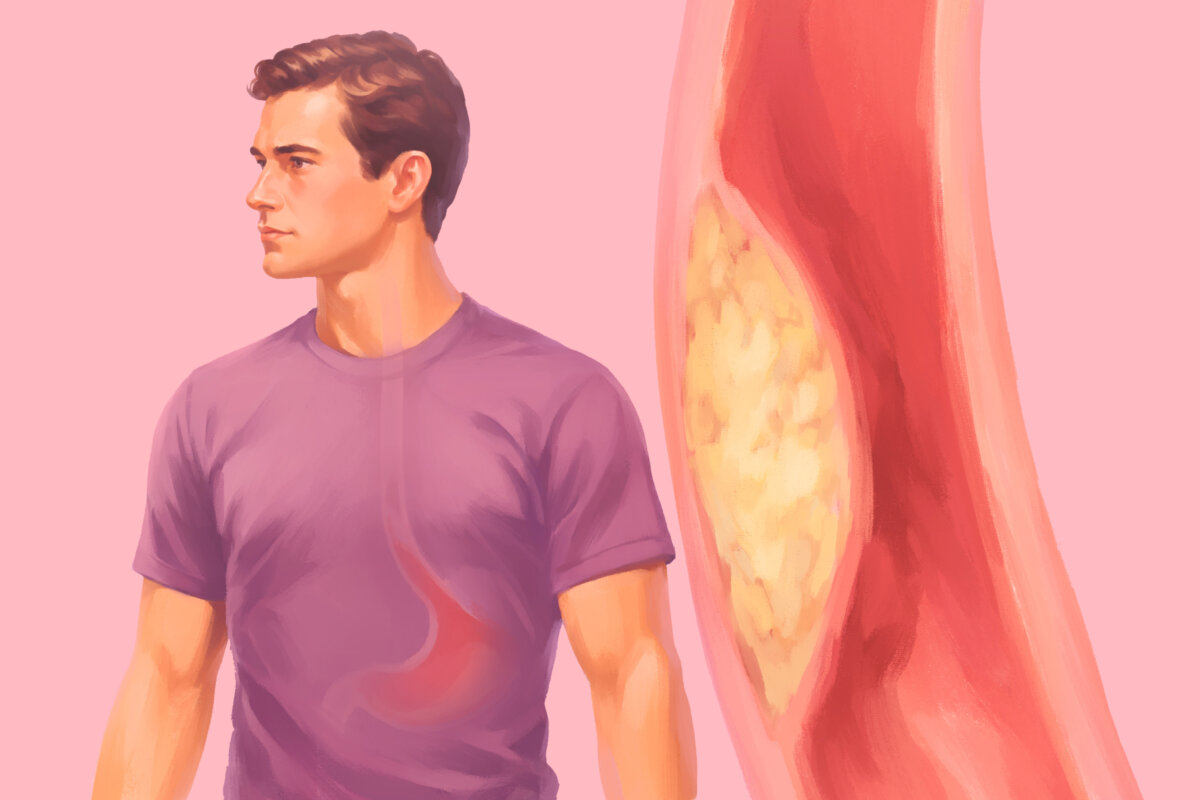
Esophageal cancer is one of the more challenging cancers to detect and treat. It begins when cells lining the esophagus start to grow uncontrollably, and often develops silently yet aggressively, producing few noticeable symptoms until it is advanced. As a result, the 5-year relative survival rate is about 22 percent, only higher than pancreatic cancer.
However, many habits contributing to esophageal cancer are avoidable.
There are two main types of esophageal cancer:
One type accounts for 80 percent of all esophageal cancers in the United States, called adenocarcinoma. It typically arises in the lower esophagus near the stomach.
Another type is more common in the world, called squamous cell carcinoma. It most commonly occurs in the upper and middle esophagus, although it can develop anywhere along its length.
Both types have similar signs and symptoms. As the tumor grows and narrows the esophagus, difficulty swallowing frequently becomes the first noticeable warning sign. Other early signs may include:
-
A feeling of pressure, tightness, or burning in the chest
-
Persistent indigestion or frequent heartburn
-
Pain or discomfort behind the breastbone or in the throat
Since these symptoms can resemble ordinary acid reflux or indigestion, they are sometimes overlooked. However, new or progressive difficulty swallowing, persistent or worsening symptoms despite acid-suppressing medication, unexplained weight loss, or new-onset reflux symptoms in adults over 50—particularly those with longstanding GERD or other risk factors—should prompt medical evaluation.
As the condition progresses, symptoms may include:
-
Chest Pain: Pressure or burning in the middle of the chest may occur, sometimes shortly after swallowing when food struggles to pass through a narrowed esophagus. It can easily be mistaken for heartburn.
-
Bone Pain: This may indicate that cancer has spread to the bones.
-
Unexplained Weight Loss: This often results from difficulty or pain when swallowing. People may gradually eat smaller portions, chew more carefully, or avoid hard and dry foods in favor of softer options. Reduced appetite and cancer-related changes can also contribute.
-
Regurgitation: Food may flow backward from the esophagus into the throat and sometimes the mouth.
-
Hoarseness, Hiccups, and Coughing: These symptoms may develop due to tumor involvement of nearby nerves and tissues, irritation of surrounding structures, or swallowing difficulties that allow food or liquids to enter the airway.
-
Blood in Coughed-Up Mucus or in Vomit: Tumor bleeding or invasion of nearby structures can cause streaks of blood in mucus or vomit.
-
Black, Tarry Stools and Anemia: Slow bleeding from the tumor can cause both.
[shortcut_anchor id=”anchor_1795829427547″ label=”Causes”]What Causes Esophageal Cancer?[/shortcut_anchor]Cancer starts when DNA in the cells lining the esophagus becomes damaged. These changes can activate genes that promote cell growth (oncogenes) or deactivate tumor suppressor genes, which normally restrain cell growth or cause abnormal cells to die. As a result, cells may build up to form tumors. The two major types develop differently and have distinct risk factors.
Esophageal Adenocarcinoma often develops following long-term acid reflux, also known as GERD. Repeated exposure to stomach acid irritates and damages the lining of the lower esophagus. In response, the flat cells lining the esophagus may be replaced by glandular-type cells, a condition called Barrett’s esophagus. Although this change helps the tissue tolerate acid, it also increases the risk of developing cancer.
Squamous Cell Carcinoma is driven by long-term exposure to irritants such as tobacco, alcohol, and very hot beverages, as well as poor nutrition. They can damage the inner lining of the esophagus and cause chronic inflammation. Over time, this repeated damage and repair may lead to DNA changes and abnormal cell growth.
The following conditions are among the established risk factors of esophagael cancer:
-
GERD: Adenocarcinoma predominates in the United States and other Western countries, where obesity and gastroesophageal reflux disease (GERD) are major risk factors. Stomach acid repeatedly flows back into the esophagus, causing heartburn, indigestion, and potential damage to the lining. Long-term or frequent GERD raises the risk of Barrett’s esophagus.
-
Barrett’s Esophagus: This precancerous change in the lower esophagus can result from chronic acid exposure, which transforms normal cells into intestine-like cells. It often has no symptoms of its own, though people may feel heartburn from underlying GERD. Approximately 0.1 percent to 0.4 percent of patients with Barrett’s esophagus develop esophageal adenocarcinoma each year. The risk is higher in people with longer affected areas of the esophagus.
-
Tobacco and Alcohol: All forms of tobacco can damage the cells lining the esophagus. A 2021 study found that smokers had approximately 3.8 times higher odds of developing esophageal cancer compared with nonsmokers. The risk is higher with longer and heavier tobacco use but gradually decreases after quitting. Combining tobacco use with alcohol consumption further increases the risk compared with either factor alone. Squamous cell carcinoma is more common worldwide, particularly in parts of Asia and Africa, where tobacco, alcohol, and nutritional factors contribute to its development.
-
Betel Quid: Also known as “paan,” this is a mixture of areca nut, lime, and betel leaf that is commonly chewed in parts of Asia. It contains cancer-causing substances that increase the risk of esophageal cancer.
-
Hot Beverages: Regularly drinking very hot beverages, such as coffee or tea, at temperatures of 149 degrees Fahrenheit or higher may increase the risk of esophageal cancer, as the high temperatures can repeatedly damage and irritate the esophageal lining.
-
Chemical Injury: Swallowing lye, a corrosive chemical found in some strong household and industrial cleaners, can burn the esophageal lining. Healing can leave scar tissue that narrows the esophagus, causing a condition known as an esophageal stricture, which can make swallowing difficult. Cancer may appear many years later, especially if the injury occurred in childhood.
-
Exposure to Carcinogens: Long-term exposure to cancer-causing chemicals, such as acetaldehyde and polycyclic aromatic hydrocarbons, may contribute to cancer development. Certain occupational exposures, including silica and asbestos, may also increase the risk for esophageal cancer.
-
Ionizing Radiation: Radiation therapy for breast cancer, Hodgkin lymphoma, lung cancer, or head and neck cancers may slightly increase the risk of esophageal cancer later in life, although the overall risk remains small.
-
Obesity: Being overweight or obese increases the risk of abdominal pressure, GERD, and, in turn, esophageal cancer.
-
Achalasia: In this rare swallowing disorder, the nerves controlling the esophageal muscles and lower esophageal sphincter malfunction, making it difficult for food and liquids to pass into the stomach. Trapped food can stretch the esophagus and cause chronic irritation. Cancer risk increases, though cancer may take many years to develop.
-
Plummer-Vinson Syndrome: Also known as Paterson-Kelly syndrome, this rare condition is commonly associated with iron-deficiency anemia and nutritional deficiencies. It causes thin, web-like membranes of tissue to form in the esophagus, narrowing it and potentially making swallowing difficult. The esophageal webs can cause mechanical irritation and trauma during swallowing, potentially contributing to localized inflammation of the esophageal lining.
-
Hiatal Hernia: When part of the stomach pushes through the diaphragm, it can weaken the natural barrier that prevents stomach acid and bile from flowing back into the esophagus. A 2003 study found that the odds of adenocarcinoma were approximately 6 times higher in people with a hiatal hernia but no reflux symptoms and 8 times higher in those who had both, compared with people with neither.
-
Previous Cancers: People who have had cancers of the upper airway, such as the mouth, pharynx, or larynx (voice box), have an increased risk of developing esophageal cancer, partly because these cancers share risk factors, especially tobacco and alcohol.
-
Age, Sex, and Race: Esophageal cancer is more common in older people, with approximately 90 percent of cases occurring in people 55 or older. Men are also more likely to develop esophageal cancer than women. In the United States, esophageal adenocarcinoma is more common among white men, while squamous cell carcinoma occurs more frequently among black people than white people.
Possible but less established risk factors include:
-
Family History: Most esophageal cancers are not hereditary, although certain inherited genetic conditions and a family history of esophageal cancer or Barrett’s esophagus may increase risk.
-
Human Papillomavirus (HPV) Infection: Some studies have found that a persistent HPV infection can sometimes cause cellular changes that may lead to cancer.
-
Vitamin and Mineral Deficiencies: Low levels of beta-carotene, vitamin E, selenium, and iron have been associated with an increased risk of esophageal cancer.
-
Spicy Foods and Pickled Vegetables: A 2022 meta-analysis of 25 studies from 22 articles, involving 7,810 people with esophageal cancer and more than 500,000 controls, found about 70 percent higher odds of esophageal cancer among those with the highest spicy-food intake compared with the lowest. However, this association was mainly observed in Chinese populations. Further studies are needed for confirmation. A 2024 study of more than 510,000 participants found that eating sour pickled vegetables daily was associated with a 35 percent increased risk of esophageal cancer. This is potentially due to the formation of carcinogenic N-nitroso compounds and other potentially harmful substances produced during fermentation, which may damage the esophageal lining and contribute to DNA damage.
-
Poor Oral Health: A 2025 study found that missing teeth, periodontal disease, and certain oral hygiene habits were associated with higher odds of esophageal cancer. The associations ranged from 5 percent higher odds for periodontal disease to 16 percent for missing teeth. Brushing fewer than three times daily was associated with 14 percent higher odds, while infrequent interdental cleaning was associated with 10 percent higher odds.
-
Nitrosamines: A 2020 study found that higher urinary levels of several nitrosamines (organic chemical compounds) were associated with an increased risk of esophageal cancer. Foods that may increase nitrosamine exposure include processed meats, smoked or salted fish, certain pickled vegetables, and some alcoholic beverages, particularly beer. However, further research is needed to confirm these findings.
[shortcut_anchor id=”anchor_1795829452175″ label=”Diagnosis”]How Is Esophageal Cancer Diagnosed?[/shortcut_anchor]Esophageal cancer is often diagnosed at an advanced stage because early symptoms can be mistaken for common conditions such as acid reflux or indigestion. In addition, there is no routine screening program for the general population.
Screening
No screening test has been proven to reduce deaths from esophageal cancer, so routine screening is not recommended for people at average risk. People at higher risk of esophageal cancer, particularly those with Barrett’s esophagus, may undergo regular monitoring, such as upper endoscopy to detect precancerous changes (dysplasia) and early cancer.
For Barrett’s esophagus without dysplasia, surveillance is typically performed every three to five years, depending on the length of the affected segment, while people with dysplasia may need more frequent monitoring or endoscopic treatment to reduce the risk of progression to cancer. Surveillance may help detect precancerous changes or cancer at an earlier, more treatable stage.
Diagnosis
Your doctor first reviews your medical and family history, including a history of GERD, Barrett’s esophagus, smoking, and family history of esophageal cancer or other cancers. A physical exam may check for hoarseness, swollen lymph nodes in the neck or above the collarbone, enlarged abdominal organs, fluid buildup, or bone tenderness.
Tests used to detect and diagnose esophageal cancer include:
-
Barium X-Ray (Barium Swallow): Reveals narrowing, tissue changes, or possible tumors when you drink a chalky liquid containing barium sulfate, which coats the inner lining of the esophagus and shows up on X-rays. This imaging test is often one of the first tests used when a person has difficulty swallowing. Barium is not radioactive.
-
CT, MRI, and PET Scans: Examine the esophagus and surrounding structures, identify abnormal areas, and help determine whether cancer has spread.
-
Blood Tests: Detect anemia from tumor bleeding through a complete blood count and assess liver function through liver function tests, which may reveal abnormalities requiring further investigation. Blood tests alone cannot diagnose esophageal cancer.
-
Upper Endoscopy: Uses a thin, flexible tube with a camera to examine the esophagus, stomach, and upper small intestine while the person is sedated. The doctor can take tissue samples (biopsies) from abnormal areas to test for cancer and may widen the esophagus if a tumor blocks the passage of food or liquids. This procedure also helps determine the tumor’s size and spread, which assists in staging the cancer and planning treatment options.
-
Biopsy: Removes small tissue samples for examination under a microscope to determine whether cancer cells are present. Biopsies are usually performed during upper endoscopy.
[shortcut_anchor id=”anchor_1795829595527″ label=”Treatments”]What Are the Treatments for Esophageal Cancer?[/shortcut_anchor]Treatment options depend on the cancer type and stage, as well as your overall health. Outcomes remain challenging, largely because many cases are found at an advanced stage, when treatment is harder.
1. Treating Precancerous Changes
Endoscopic treatments may be recommended for people with Barrett’s esophagus who have dysplasia, particularly high-grade dysplasia. Cryotherapy uses extremely cold temperatures to freeze and destroy precancerous tissue in the esophagus. Once the damaged cells die, the area heals and is replaced with healthy esophageal cells. Radiofrequency ablation uses high-frequency electrical energy to destroy abnormal or cancerous cells. Photodynamic therapy uses a light-sensitive medication and light exposure to destroy abnormal cells.
2. Early-Stage Cancer Treatments
Small tumors confined to the surface lining can sometimes be removed endoscopically, with no external incisions. Endoscopic mucosal resection removes abnormal tissue from the inner lining of the esophagus, usually in smaller sections. Endoscopic submucosal dissection cuts beneath the lining to remove a lesion in one larger piece, allowing removal of larger or more complex lesions.
3. More Advanced Cancer Treatments
Several treatment options are available for esophageal cancer diagnosed at Stages II–IV, depending on the extent of disease and the person’s overall health. Treatment may involve surgery, chemotherapy, radiation therapy, immunotherapy, or targeted therapy, often in combination.
Surgery
Esophagectomy is the most common treatment for esophageal cancer. It removes part or all of the esophagus, part of the stomach, and nearby lymph nodes. The remaining part of the stomach is moved upward and connected to the remaining esophagus. If this is not possible, a section of the intestine may be used to reconnect the digestive tract.
Different types of esophagectomy include:
-
Transhiatal Esophagectomy: Uses incisions in the neck and abdomen to remove the tumor and part or all of the esophagus. This approach avoids an incision in the chest but is not suitable when the tumor involves part of the stomach or when chest lymph nodes need to be removed.
-
Ivor-Lewis Esophagectomy: Uses incisions in the abdomen and right side of the chest to remove the tumor. It is commonly used when the cancer is located near the stomach or when lymph nodes in the chest need to be removed.
-
Minimally Invasive Esophagectomy: Uses several small incisions rather than large incisions to remove part or most of the esophagus, which may mean less pain, fewer complications, and a shorter recovery time. It is generally chosen when the patient is a suitable surgical candidate and the approach can safely remove the tumor. Ivor-Lewis esophagectomy can be performed as a minimally invasive procedure as well.
-
Robotic-Assisted Esophagectomy: Uses robotic arms and small surgical instruments controlled by the surgeon to remove the esophagus, providing greater precision, flexibility, and range of motion during surgery. It may be chosen for patients who are suitable for minimally invasive surgery, particularly when precise dissection around nearby structures and lymph nodes is required.
Chemotherapy
Chemotherapy uses drugs to destroy cancer cells or stop them from dividing. Because the drugs target rapidly dividing cells, they can reach cancer cells throughout the body, including those that have spread. Chemotherapy may be given by mouth or injected into a vein, so the drugs travel through the bloodstream. It is often combined with radiation before surgery (chemoradiation) to shrink the tumor.
Radiation Therapy
Radiation therapy uses high-energy radiation to destroy cancer cells or prevent them from growing and dividing, allowing doctors to target tumors more precisely. The two main types are external radiation therapy, which uses a machine outside the body to direct high-energy radiation toward the area affected by cancer, and internal radiation therapy (brachytherapy), which places radioactive material inside or near the tumor to deliver a concentrated dose of radiation.
A more advanced treatment option is proton therapy, which uses high-energy proton particles directed at the tumor to destroy cancer cells while reducing radiation exposure to surrounding healthy tissues, with possibly fewer side effects compared with conventional radiation therapy.
Immunotherapy
Immunotherapy helps by boosting or restoring the body’s natural immune defenses to recognize and attack cancer cells. One type used for esophageal cancer is immune checkpoint inhibitor therapy, which blocks specific proteins (checkpoint proteins) found on immune cells and cancer cells. These proteins normally prevent the immune system from attacking cells, so blocking them lets immune cells recognize and attack cancer cells more effectively. Immunotherapy is most commonly used to treat advanced, recurrent, or inoperable esophageal cancer.
Targeted Therapy
Targeted therapies find and attack specific molecules that help cancer cells grow, survive, and spread, rather than killing cells indiscriminately. One type is monoclonal antibody therapy, which uses lab-made proteins to recognize and attach to specific targets on cancer cells, then help destroy cancer cells, block their growth, or prevent them from spreading.
Esophageal tumor cells may be tested for HER2 overexpression or gene amplification, which can promote tumor growth; the results help determine whether patients may benefit from HER2-targeted therapies.
Supportive (Palliative) Treatments
These treatments can relieve swallowing difficulties when a tumor narrows or blocks the esophagus. They do not cure the cancer but may improve comfort and quality of life.
-
Stents: Use a small, expandable tube made of metal mesh, plastic, or silicone that is placed inside the esophagus with an endoscope. Once inserted, the stent expands to open the narrowed or blocked area.
-
Photodynamic Therapy: Uses a light-sensitive medication activated by light to destroy tumor tissue and help relieve esophageal blockages.
-
Laser Therapy: Uses a focused, high-intensity beam of light to destroy cancer cells in a specific area. For esophageal cancer, it may be used to destroy tumor tissue and relieve blockages in the esophagus when surgery is not an option.
4. Nutritional Therapy
Nutritional support is an important part of esophageal cancer care, particularly for people who have difficulty swallowing, experience weight loss, or are recovering from treatment. When oral intake is insufficient, nutrition may be delivered through a feeding tube into the stomach or small intestine. Intravenous nutritional therapy may be used when the digestive tract cannot be used adequately, and involves delivering vitamins, minerals, and amino acids directly into the bloodstream through an IV drip.
A 2022 meta-analysis of four studies involving more than 300 participants found that home enteral nutrition, delivered through a feeding tube, significantly improved nutritional status, including body mass index and muscle mass, as well as physical functioning in postoperative esophageal cancer patients compared with a normal oral diet. The analysis also found a 47 percent lower risk of developing postoperative pneumonia among those receiving home enteral nutrition, along with improved overall health and recovery.
5. Herbal Medicines
Research has shown that Traditional Chinese herbal medicines and polyherbal formulations may reduce cancer-related symptoms and potentially improve survival in esophageal cancer patients when used alongside conventional treatment. Consult your physician and medical team before taking any herbs or supplements, as they may interact with cancer medications.
-
Medicinal Injections: A 2025 systematic review of 54 studies involving 4,201 people with esophageal cancer evaluated 13 Chinese medicinal injections used alongside chemoradiotherapy. Astragalus polysaccharide injection ranked highest for clinical effectiveness, while Kanglaite injection ranked highest for performance status and one-year survival.
-
Chinese Herbal Medicines: A 2024 observational study of people with esophageal cancer and malnutrition found that those using Chinese herbal medicines alongside conventional treatment had higher five-year survival (22.5 percent versus 9 percent before adjustment), longer median survival (19.8 versus 12.9 months) and a 31 percent lower adjusted risk of death.
-
4-Herb Formula: A 2021 study involving 40 people with esophageal or gastric cancer, 36 of whom completed the study, found that a 12-week syrup containing garlic, turmeric, Asian ginseng, and green tea improved certain symptoms and aspects of physical functioning compared with placebo.
[shortcut_anchor id=”anchor_1795829619000″ label=”Lifestyle Approaches”]What Are the Natural and Lifestyle Approaches to Esophageal Cancer?[/shortcut_anchor]Although no natural remedies have been proven to cure esophageal cancer, certain lifestyle modifications may help support recovery and prevent complications.
1. Nutritional Support
Adequate nutrition before, during, and after esophageal cancer treatment is essential for supporting the immune system and preventing nutritional deficiencies.
-
Choose soft foods, such as soups, smoothies, Greek yogurt, eggs, avocado, and fish.
-
Avoid foods that cause irritation, including spicy, acidic, very hot or very cold foods, tough meats, crusty bread, and citrus products.
-
Eat high-calorie, high-protein foods, such as nut butters, avocado, hummus, and olive oil, and consider protein powders or liquid nutritional supplements if needed.
-
Eat smaller, more frequent meals.
-
Stay hydrated.
-
Limit concentrated sugars, such as sweets, sugary drinks, and high-sugar juices, particularly after esophageal surgery, to help prevent dumping syndrome. This occurs when food moves too quickly into the small intestine, causing symptoms such as diarrhea, cramping, and sweating.
2. Vitamin C Supplementation
In a 2019 pilot study, 20 people with esophageal adenocarcinoma undergoing chemoradiation received either 1,000 milligrams of oral vitamin C daily for four weeks or no supplementation. The results showed that vitamin C was associated with a mild decrease in cancer-related inflammatory activity. The researchers suggested a possible protective effect, although the small study did not show improved cancer outcomes.
[shortcut_anchor id=”anchor_1795829891772″ label=”Prevention”]How Can I Prevent Esophageal Cancer?[/shortcut_anchor]You can take the following measures to reduce your risk of developing esophageal cancer:
-
Avoid Tobacco and Alcohol: The risk is lower in people who use neither.
-
Maintain a Healthy Weight: Engage in regular physical activity and follow a balanced diet.
-
Eat Whole Grains: A 2020 meta-analysis of six studies found that people with the highest whole-grain intake had a 46 percent lower risk of esophageal cancer than those with the lowest intake. Whole grains may help reduce cancer risk by improving gut health, reducing inflammation and oxidative damage, and supporting healthy metabolism.
-
Limit Foods High in Nitrosamines: These compounds form when nitrites or nitrates react with amino acids during processing, curing, smoking, or high-temperature cooking. Potential sources include preserved foods, such as processed meats, smoked or cured fish, certain pickled vegetables, beer, and aged cheeses.
-
Let Hot Drinks Cool: Allow hot drinks to cool slightly before drinking to avoid damaging the esophageal lining. Keep temperatures below 140 degrees Fahrenheit to stay within a safer range.
-
Drink Lukewarm Green Tea: A 2003 study comparing 218 people with esophageal cancer with people without the disease found that drinking green tea was associated with a 39 percent lower risk of esophageal cancer among alcohol drinkers and a 31 percent lower risk among cigarette smokers.
-
Avoid Eating Close to Bedtime: Lying down after meals increases reflux by pressing stomach contents against the lower esophageal sphincter. Leave two to three hours between your last meal and bedtime, avoid late-night snacking, and eat larger meals earlier in the day.
-
Treat GERD, Barrett’s Esophagus, and Achalasia: These conditions are associated with increased cancer risk. Treating them can manage symptoms and complications, although it does not always prevent cancer. In Barrett’s esophagus with dysplasia, radiofrequency ablation destroys abnormal cells, and a 2014 study found that it lowered the risk of progression to high-grade dysplasia or cancer compared with surveillance alone.
-
Undergo Regular Monitoring: People at a higher risk for esophageal cancer should undergo regular screening for conditions that may increase the risk of developing the cancer.
-
Discuss Chemoprevention With Your Doctor: Chemoprevention involves using medications or other substances to help lower cancer risk. Some studies suggest that nonsteroidal anti-inflammatory drugs (NSAIDs), such as aspirin, may reduce the risk of esophageal cancer. However, NSAIDs should not be taken for cancer prevention without medical advice, as they can cause serious side effects.
[shortcut_anchor id=”anchor_1795829878543″ label=”Complications”]What Are the Possible Complications of Esophageal Cancer?[/shortcut_anchor]Esophageal cancer can cause several complications, including:
-
Obstruction: The tumor can narrow or completely block the esophagus. Severe obstruction may require feeding tubes, nutritional support, esophageal stents, or endoscopic dilation to help restore the passage of food and liquids.
-
Aspiration: Food or liquids can enter the lungs due to swallowing difficulties or impaired esophageal movement. This can lead to serious complications, such as aspiration pneumonia, lung abscesses, and acute respiratory distress syndrome.
-
Severe Bleeding: Bleeding from the tumor can lead to life-threatening blood loss and may require urgent medical or surgical intervention.
-
Perforation: A hole can develop in the esophageal wall due to tumor damage or injury during medical procedures. It can cause serious infections, including mediastinitis, an infection or inflammation of the tissues in the chest, and sepsis.
-
Tracheobronchial Fistula: This serious, late-stage complication occurs when the tumor spreads through the esophageal wall into the main airway. It can cause persistent, severe coughing and recurrent pneumonia, and is associated with a very poor prognosis.
-
Metastatic Complications: Cancer that spreads to distant organs can cause breathing difficulties, abdominal pain, jaundice, bone pain, fractures, and neurological problems, depending on which organs are affected.
-
Treatment-Related Complications: Surgery may cause anastomotic leaks, or leaks at the surgical connection, lung complications, irregular heart rhythms, and nutritional problems. Chemotherapy may cause low blood cell counts, increased infection risk, anemia, bleeding, nausea, vomiting, diarrhea, dehydration, nerve damage, and potential heart, kidney, or hearing problems. Radiation therapy may cause esophagitis (inflammation of the esophagus), painful swallowing, mouth inflammation, and skin reactions.
-
Nutritional Complications: Difficulty swallowing, loss of appetite, and cancer-related weight and muscle loss (cachexia) can lead to malnutrition. This can weaken the immune system, delay wound healing, and reduce tolerance to cancer treatment.
-
Psychological Complications: Demanding treatments and uncertainty about prognosis can contribute to anxiety, depression, and emotional distress.
