
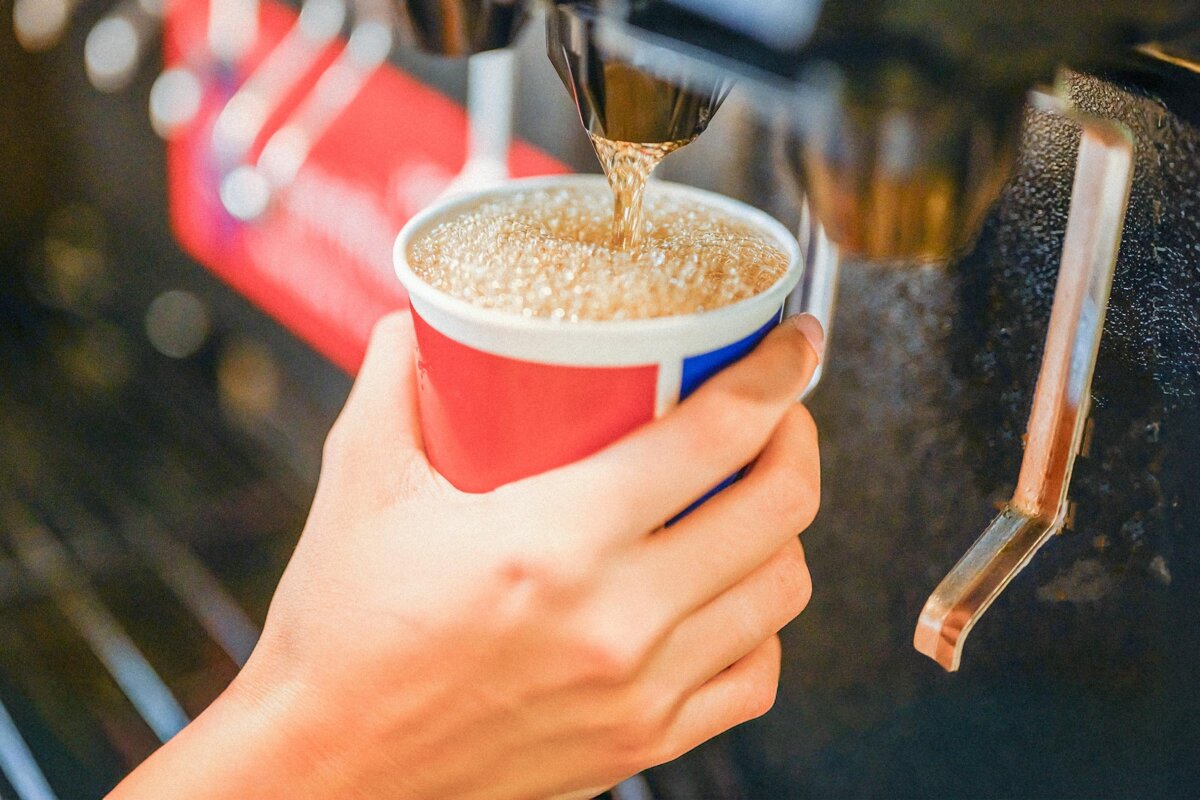
If you think that you’re doing your body a favor by choosing diet soda over regular soda, new research suggests that your liver might disagree.
A study of nearly 124,000 people found that drinking just one daily serving of artificially sweetened drinks increased the risk of a liver disease known as nonalcoholic fatty liver disease or metabolic dysfunction-associated steatotic liver disease (MASLD). This condition involves fat buildup in the liver, which can cause inflammation, pain, fatigue, and loss of appetite.
MASLD is now the most common chronic liver disease worldwide, affecting more than 30 percent of people and becoming a leading cause of liver-related deaths.
The findings, presented at United European Gastroenterology Week 2025, challenge the widespread assumption that artificially sweetened beverages are a harmless alternative to their sugar-laden counterparts.
Sugar or Sweetener, Both Increase Risk
The study, which has not yet been published in a peer-reviewed journal, tracked 123,788 participants from the UK Biobank who had no liver problems at the start of the study. Using repeated follow-up dietary questionnaires over an average of 10.3 years, researchers examined the connection between beverage intake and liver disease development.
They found that drinking more than 250 grams (1 cup) of either sugar-sweetened or artificially sweetened beverages daily was associated with a 50 percent and 60 percent higher risk of MASLD, respectively.
Over the study period, 1,178 participants developed liver disease and 108 died from liver-related causes.
While low-sugar or artificially sweetened drinks were linked to a higher risk of death from liver disease, sugar-sweetened drinks were linked only to higher risks of developing liver disease, not to death from the condition.
Why Diet Drinks May Be Worse
Lead author Lihe Liu acknowledged the counterintuitive nature of the findings.
“[Sugar-sweetened beverages] have long been under scrutiny, while their ‘diet’ alternatives are often seen as the healthier choice,” she said in a statement. “Both, however, are widely consumed and their effects on liver health have not been well understood.”
Liu said that in the study, low-sugar or artificially sweetened drinks were actually linked with a higher risk of MASLD, even among people who drink low amounts such as a single can per day.
The mechanisms behind each type of drink’s harmful effects differ, according to Liu. Sugar-sweetened beverages cause rapid spikes in blood glucose and insulin, promote weight gain, and increase uric acid levels, all of which contribute to liver fat accumulation.
However, artificially sweetened beverages may damage liver health through different pathways: altering the gut microbiome, disrupting feelings of fullness, driving sweet cravings, and even stimulating insulin secretion despite containing no sugar.
The Connection With Gut Health
The adverse health effects of sugar-sweetened beverages, including carbonated sodas, energy drinks, and juices with added sugar, are well-documented and include heart disease, diabetes, and high blood pressure.
Although artificial sweeteners are often used as a healthier option, products containing sugar alternatives have also been linked to increased health risks.
Concerns also extend to gut health; artificial sweeteners such as saccharin have been connected to inflammatory bowel diseases and disruptions in gut bacteria. These disruptions can increase intestinal permeability and lead to gut microbiota imbalance, or dysbiosis, which may cause metabolic disturbances such as impaired glucose tolerance, insulin resistance, and increased systemic inflammation.
Gut problems can reduce the production of short-chain fatty acids by gut bacteria that are vital for insulin sensitivity, further contributing to metabolic disorders such as Type 2 diabetes.
The Safest Choice: Water
The researchers emphasized that limiting both sugary and artificially sweetened drinks could help prevent liver disease and improve overall metabolic health. According to the study, replacing these drinks with water reduced the risk of MASLD by up to 15 percent.
Drinking water instead of either beverage type is considered the safest approach, according to Liu, as it avoids the metabolic burden that can lead to fat buildup in the liver.
Liu and her team plan to further investigate how sugar and artificial sweeteners affect the gut microbiome and liver health through long-term, randomized, and genetic studies.
Expert Perspectives: Focus on Overall Nutrition
This study reinforces what has been seen in other research, Madison Reeder, registered dietitian nutritionist and vice president of clinical operations at ModifyHealth, who was not involved in the study, told The Epoch Times.
“Both added sugars and some artificial sweeteners can place extra stress on the liver when consumed regularly, though for different reasons,” she said. “We know that too much sugar encourages the liver to produce and store fat, while certain artificial sweeteners may influence gut bacteria and insulin response in ways we’re still learning about.”
The bigger message, Reeder said, isn’t to fear one ingredient or drink, but to pay attention to your overall nutrition and lifestyle patterns.
She recommended eating consistent, balanced meals made from “real foods” and engaging in movement and self-care to give the liver what it needs to do its job well.
“Everyday nutrition has the power to restore balance, strengthen metabolism, and protect long-term health,” Reeder said.
Rather than choosing a sugar-sweetened or artificially sweetened beverage, people should aim for naturally sweetened foods paired with a protein source to help satisfy sweet cravings, Helen Tieu, registered dietitian at Diet Redefined, told The Epoch Times.
She said this includes choices such as Greek yogurt with fresh or frozen berries, cottage cheese with fruit, a protein smoothie made with whole fruit, fruit with nuts, or sparkling water with lime, lemon, or a slice of citrus fruit.
Fiber and Lean Meats Can Help
While not recommended on a daily basis, limited quantities of red meats can still be incorporated into a balanced diet to help reduce liver disease risk, Samantha Coogan, senior lecturer in the Department of Kinesiology and Nutrition Sciences at the University of Nevada, who was not involved in the study, told The Epoch Times.
She pointed to previous research that suggests that following a lean protein diet can cause harmful liver fat to “melt away.”
Eating soluble dietary fiber can also help prevent liver disease.
Sources of soluble fiber include flaxseeds, apples, apricots, oatmeal, and sweet potatoes. Coogan noted that the key to liver health is to strike a good balance.