
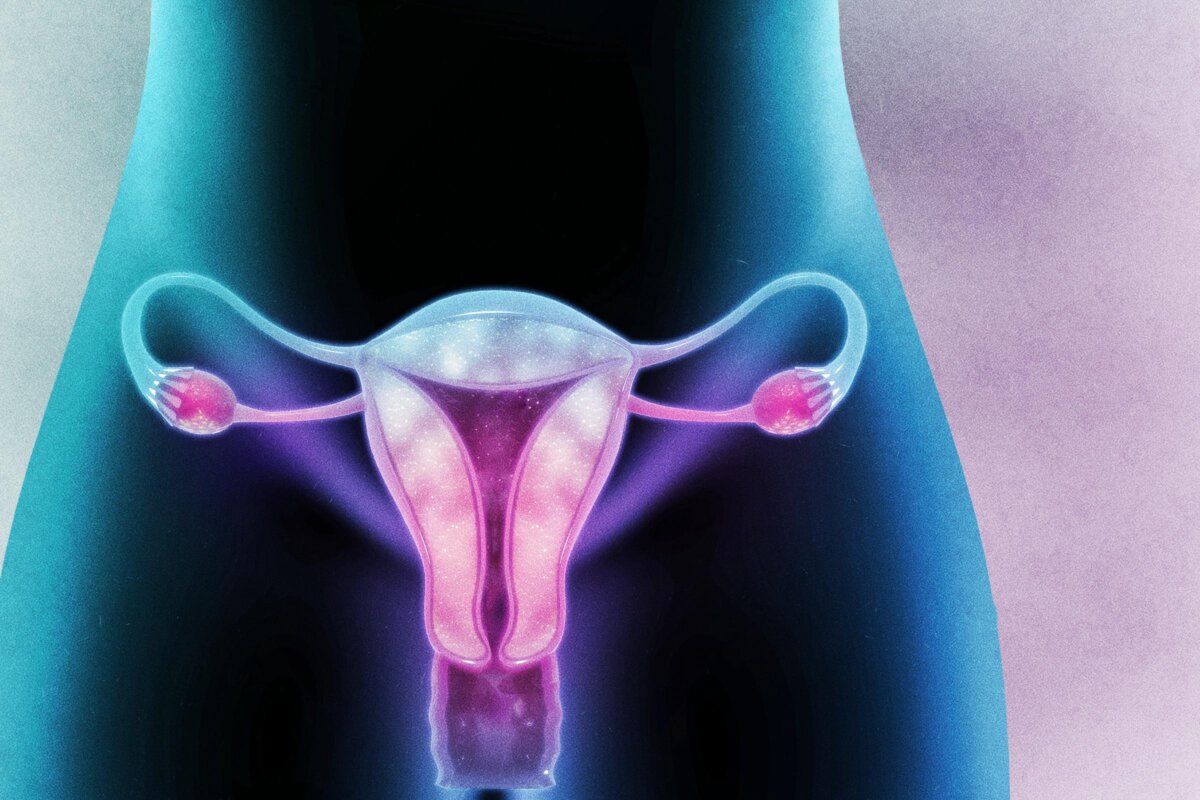
The U.S. Food and Drug Administration is considering removing controversial black box warnings from vaginal estrogen treatments after medical experts recently told the agency that the labels are scaring millions of menopausal women away from effective care based on outdated science.
Urologist and sexual health expert Dr. Rachel S. Rubin was among several doctors and researchers who pleaded with the FDA on July 17 to remove vaginal estrogen’s black box warning—the strictest caution the agency places on pharmaceuticals—and eliminate the fear factor in what they say is an effective treatment for vaginal dryness and infection risk in genitourinary syndrome of menopause.
“This deserves another look,” she said. “There’s not a single study in the literature that says local vaginal estrogen causes stroke, blood clots, heart attacks, breast cancer, or probable dementia, which is what your box says.”
Questionable Black Box Label
FDA Commissioner Dr. Marty Makary said at the opening of the two-hour discussion that the FDA was surprised the black box warning on vaginal estrogen remained, in light of the North American Menopause Society calling for its removal in 2016.
All estrogen-containing products intended for use in menopause must carry the label.
The current warning labels stem from the 2003 Women’s Health Initiative (WHI) study, which has since been widely criticized as poor justification for restricting vaginal estrogen access. The study examined older women who were 10 years past menopause and used an equine urine-based estrogen product—conditions vastly different from modern vaginal estrogen use.
Panel experts repeatedly pointed out that, unlike other forms of estrogen, vaginal estrogen is not systemic. There’s no evidence that estrogen from the vagina can migrate to other parts of the body, such as the heart, breast, and brain, said Dr. James A. Simon, professor of obstetrics and gynecology at the George Washington University School of Medicine.
“In fact, it just doesn’t do that,” he said. “When you measure estrogen as a result of placing these low-dose vaginal estrogen products in the vagina, you cannot measure it in the blood.”
The WHI study showed a nonstatistically significant increase in breast cancer in women on long-term estrogen and progestin hormones, and actually found a lower chance of breast cancer in those taking estrogen only.
Real-World Impact on Women’s Health
The warning labels have created significant barriers to treatment for common menopausal symptoms. Up to half of postmenopausal women experience vaginal dryness, sexual dysfunction, urinary incontinence, and recurrent urinary tract infections due to postmenopausal estrogen deficiency.
Vaginal estrogen is now included in the American Urological Association treatment guidelines. Besides preventing recurrent urinary tract infections by 50 percent, vaginal estrogen is a recommended treatment for vulvovaginal discomfort, dryness, and painful intercourse. Despite these benefits, experts shared stories of patients who threw away their vaginal estrogen, choosing to avoid sex and struggle through uncomfortable and sometimes painful genitourinary symptoms rather than face health risks.
“The black box warning is wrong and should be removed,” said Dr. Heather Hirsch, internist and menopausal specialist. “I do believe we are doing harm in the name of ‘do no harm,’ and this is affecting 50 million women at any time who are between the ages of 40 and 60. Women deserve policy that reflects the current evidence and not outdated myths.”
Women’s Health Backlash
The discussion extended beyond vaginal estrogen to broader issues in women’s health policy. Dr. Kelly Casperson, a urologist, highlighted how FDA policies have made it hard for women to access testosterone, which she said can help not only with libido but also with nerve, muscle, bone, and brain function.
The FDA cited insufficient safety data in rejecting two attempts at female-dose testosterone, which Casperson called a “legacy of the WHI backlash.”
Dr. Barbara Levy, a gynecologist and clinical professor at George Washington University School of Medicine and Health Sciences, said that not all products, routes of delivery, and dosing are the same, and they shouldn’t all come under the scrutiny of WHI data.
“As a result of the fear of breast cancer, 50 million plus women have not been offered the incredible potential health benefits of hormone replacement therapy because of medical dogma,” Makary said.
Makary said the FDA planned to take a hard look at the black box warning on vaginal estrogen and would share information about testosterone with other agencies.
“For too long,” he said, “women’s health issues have been sidelined and downplayed and underfunded and underappreciated.”