
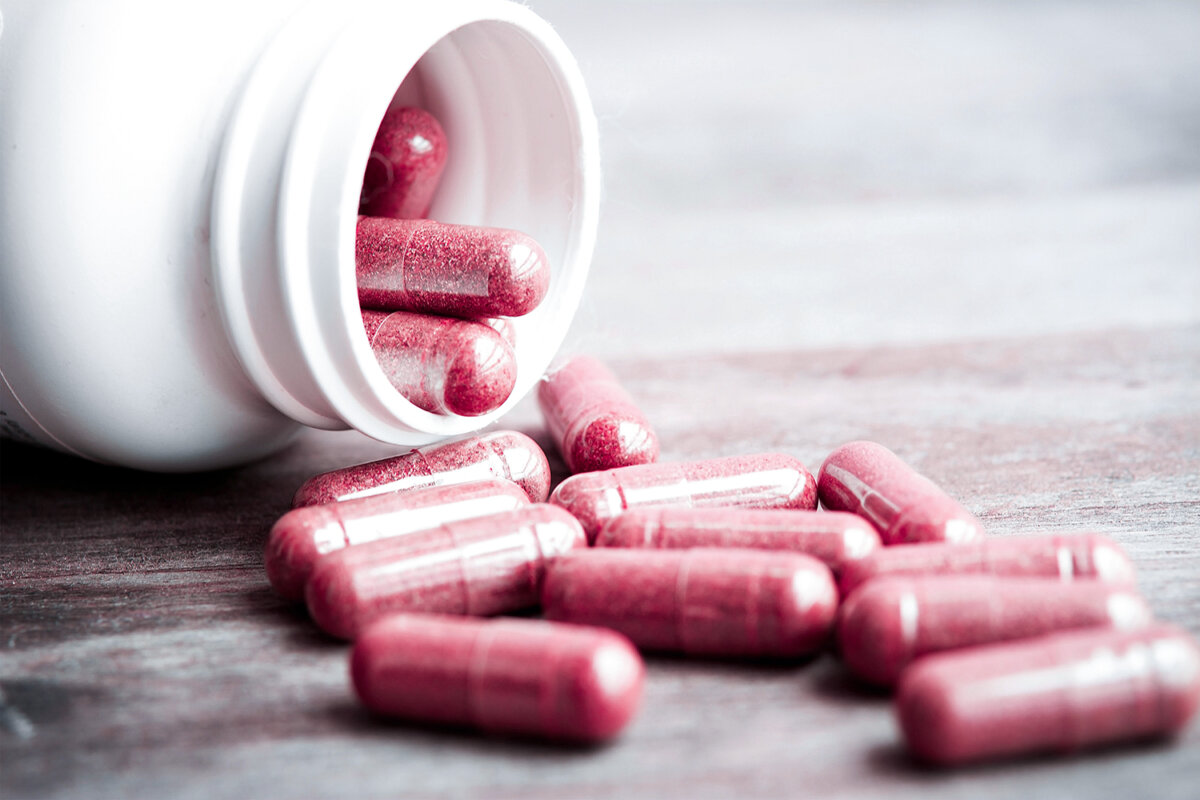
Cranberries have long been a go-to for preventing urinary tract infections. Now researchers in Japan are exploring another benefit: Could cranberries also calm an overactive bladder?
A pilot study of 26 young women, published in Frontiers in Cellular and Infection Microbiology, found that symptoms fell by two-thirds in those taking a cranberry supplement.
Why Cranberry?
Cranberries contain polyphenols, including PACs, that can prevent certain bacteria from sticking to the urinary tract lining. A 2023 Cochrane review found that cranberry products reduced the risk of UTIs by about 26 percent in women with recurrent infections.
Whether cranberry can also ease overactive bladder symptoms is still an open question. The same researchers previously conducted a randomized trial showing that cranberry juice reduced the proportion of Lactobacillus in the urine of healthy women. The new study builds on that research by examining whether cranberry supplements also improve bladder symptoms.
What the Researchers Did
All participants had overactive bladder, a condition characterized by sudden, difficult-to-control urges to urinate, often accompanied by frequent urination, nighttime bathroom trips, and sometimes leaks. Their median age was 23.
The women were randomly assigned to take either a cranberry supplement or a placebo every day for four weeks. The supplement contained 36 milligrams of proanthocyanidins (PACs), plant compounds that are thought to stop bacteria from sticking to the lining of the urinary tract. This dose is commonly recommended for preventing recurrent UTIs, although the PAC content of commercial cranberry supplements varies widely.
To track symptoms, the team used a standard questionnaire called the Overactive Bladder Symptom Score. It rates daytime and nighttime urination, sudden urges, and urine leakage on a scale of zero to 15, with higher scores indicating more severe symptoms.
After four weeks, symptom scores in the cranberry group dropped by 66.7 percent, compared with 40 percent in the placebo group. In practical terms, the median scores fell from 3.5 to 1.5 with cranberry and from four to three with placebo.
However, when researchers compared the point reductions between groups, the cranberry group showed greater improvement, but the difference was not statistically significant, meaning it could have been due to chance.
Dr. Shohei Akagawa, a researcher at Kansai Medical University in Japan and corresponding author of the study, offered two explanations for the mismatch. First, the participants had mild symptoms to begin with, so their scores were already low, leaving little room for a large drop in points. A small point change can still look large as a percentage. Second, with so few participants, the study had limited power to detect differences between the groups.
The 40 percent improvement in the placebo group was notable, though not entirely unexpected. Previous studies have found that people with overactive bladder often report fewer symptoms during trials, possibly because they pay closer attention to their bathroom habits or expect the treatment to help.
“The observed improvement in symptoms is encouraging,” Alan J. Wolfe, a professor of microbiology and immunology at Loyola University Chicago’s Stritch School of Medicine, who wasn’t part of the study, told The Epoch Times. However, he cautioned that the findings remain preliminary because of the small sample size.
Why Bacteria Might Matter
The researchers also wanted to know why cranberry may help. One idea is that it changes the community of bacteria living in the urinary tract, known as the urinary microbiome or “urobiome.”
Earlier research suggests that urinary bacteria may affect bladder symptoms.
A 2016 study by Wolfe and colleagues found that women with urgency urinary incontinence (UUI), a form of overactive bladder with leakage, had more varied urinary bacteria, and those differences were associated with how well they responded to medication.
A more recent study co-authored by Wolfe involving 1,004 women found that Streptococcus anginosus was far more common and abundant in women with UUI than in those without symptoms.
“Simply from knowledge of microbes and the way they behave in biological niches, it is impossible to believe that microbes do not contribute to lower urinary symptoms or lack thereof,” Wolfe said. The hard part, he added, is working out “which microbes or, more likely, combinations of microbes, actually inhibit or enhance symptoms.”
One theory is that certain bacteria may cause low-grade irritation and inflammation of the bladder lining. That could make the nerves that signal the need to urinate more sensitive, Harold Nuñez, a microbiome researcher and research and development director at Tiny Health, told The Epoch Times.
Did Bacteria Play a Role?
At the start of the study, Lactobacillus was the most common group of bacteria in participants’ urine, making up about 64 percent of those detected. Other bacteria included Bifidobacterium, Prevotella, Streptococcus, Finegoldia, Staphylococcus, and Gemella. These bacteria can be harmless or potentially harmful, depending on the species and circumstances.
After four weeks, Lactobacillus decreased significantly in the cranberry group but not in the placebo group. However, the difference between the two groups was not statistically significant, and the decrease was not linked to how much each woman’s symptoms improved. In other words, the data do not show that bacterial changes explain the symptom relief.
Still, the lack of a clear link between the decrease in Lactobacillus and symptom improvement does not rule out a possible connection, Akagawa told The Epoch Times. Lactobacillus is a large group, and different species may have opposing effects on bladder inflammation—some may promote it while others may help control it. Measuring them as one group could therefore hide important changes.
The benefit may not come from bacteria at all, he said. “Symptom relief may reflect a combination of placebo effects, indirect actions mediated by gut microbiota alterations, and direct physiological effects of cranberry components, such as antioxidant activity.”
“At this time, there isn’t much evidence that diet, probiotics, or supplements modify the bladder microbiome in a way that relieves symptoms,” Nuñez said.
What the Findings Mean for Now
The small study suggests cranberry supplementation may ease overactive bladder symptoms, but larger trials are needed to confirm the benefit and determine whether changes in urinary bacteria play a role. Until then, cranberry is better supported as a way to help prevent UTIs than as a treatment for an overactive bladder.
For bladder health in the meantime, Nuñez pointed to measures that can help prevent UTIs. These include drinking enough water, particularly for people who normally drink little, and using cranberry products to help prevent recurrent UTIs. Vaginal estrogen can also help restore Lactobacillus after menopause and is recommended in urology guidelines for women with recurrent UTIs.
Nuñez also cautioned against taking antibiotics unnecessarily, including to treat bacteria found in urine when there are no symptoms. “Anyone with bladder symptoms should see a clinician first, because the right step depends on the cause,” he said.