Dade Cook was 31 years old and in the second trimester of her pregnancy when she contracted COVID-19. She healed, but the disease returned just a few weeks before she was to give birth. The second round was worse, although she tested negative for COVID-19 at that point.
Mrs. Cook, who without regret, refused the vaccine, is convinced that COVID-19 was the cause of her loss of smell and taste the week before going into labor with her third child.
Thinking about missing out on the newborn smells of her son still saddens her.
Then the condition took a twist. One morning, Mrs. Cook awoke with her senses restored—but “with a vengeance,” as she recalls. “Everything smelled bad, everything tasted bad, and through a painful trial and error, I realized that as long as something had flavor, it was bad … it was like eating floral lotion, or garbage, or stinky feet.”

Lives Turned Upside Down
For many with parosmia, nothing tastes as it should. Their senses are warped, distorted, and change sometimes weekly or even daily. Social life becomes difficult and some people are driven into isolation, as many family members and friends do not understand the condition. “So much of life is surrounded by food. The enjoyment of life is close to gone,” says Kathleen Dow. Like Mrs. Cook, Mrs. Dow is also suffering from parosmia.
Both women are part of the Parosmia—Post COVID Support Group on Facebook with nearly 49,000 members. The social support helps, as they do not feel as alone with their struggles.
People report they have trouble cooking for their children or even providing for themselves. They don’t notice when things burn, often they simply cannot stomach smelling the food around them at all.
One woman reported her husband and son cooking with a microwave in the garage to create a “safe space” without smells in the house.
Another woman tells of meeting her family members at the local library. “People don’t eat there, there are no food smells. If someone comes wearing perfume or cologne, I must leave.”
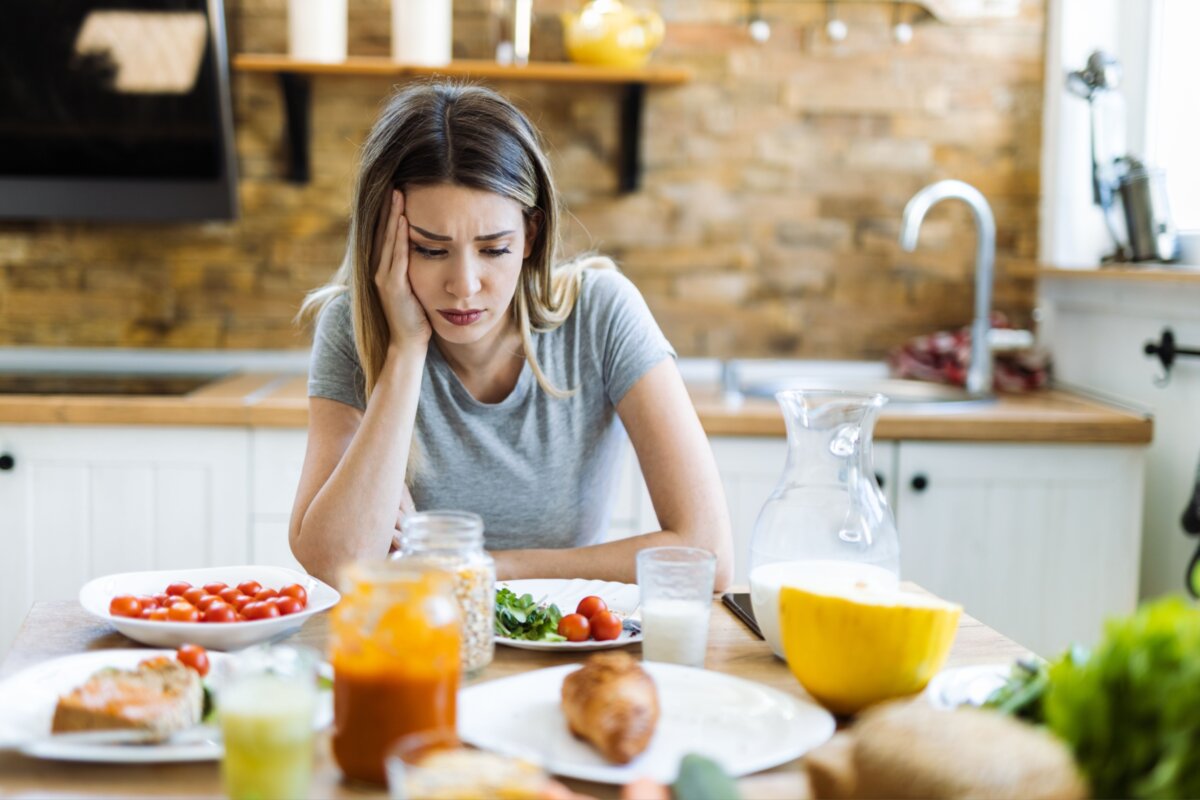
Those with parosmia lose weight and many fall into depression or suffer from anxiety on top of the weight loss. Cases vary in severity, but all lives are turned seemingly upside down.
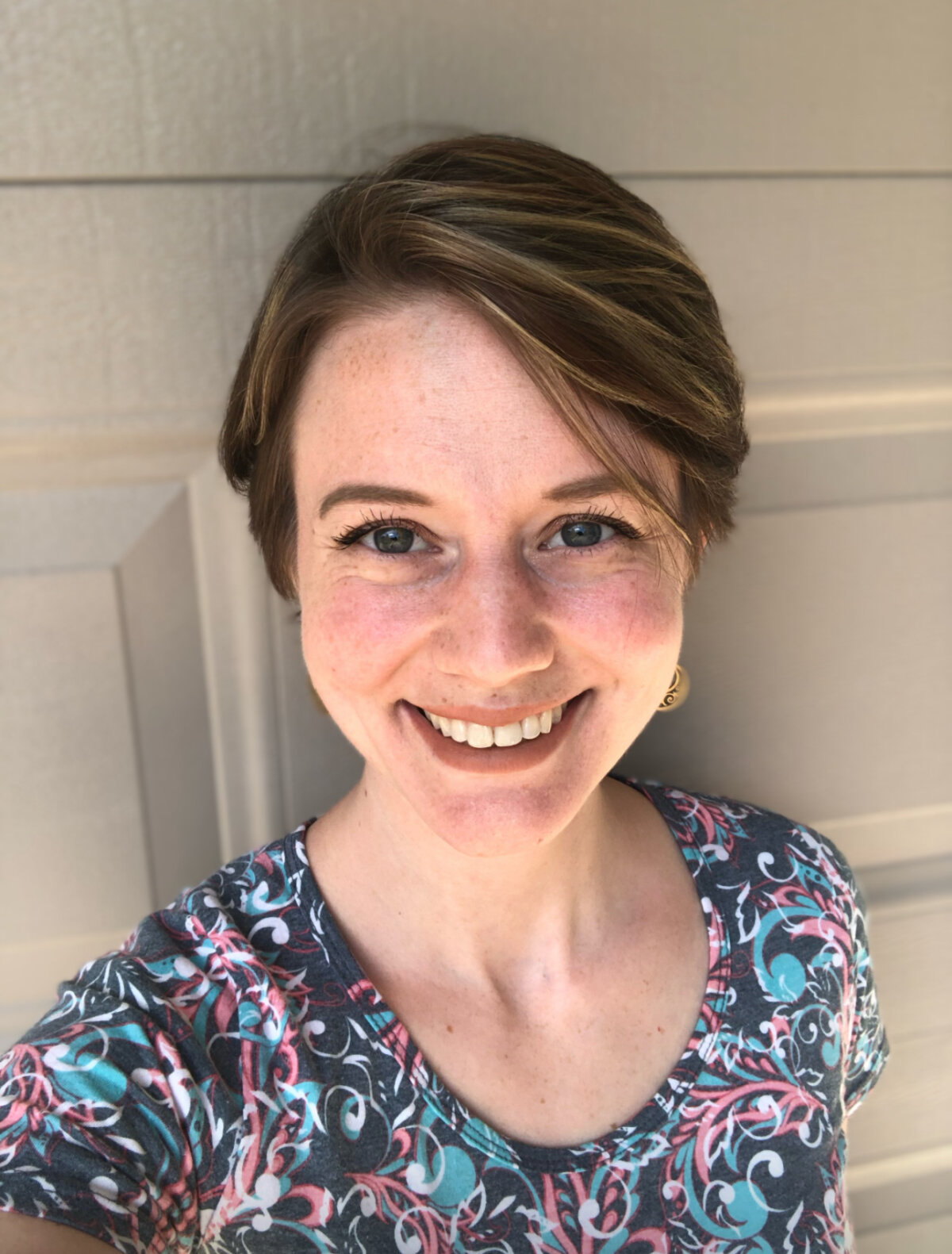
Mrs. Cook recalls the “Wow, you look great!” comments, which she says is “girl code for you’ve lost some weight.” Quite frankly though, “I’d rather trade the weight back if I could smell my newborn baby,” she says.
Parosmia and Other Symptoms
The list of potential treatments for parosmia appears as long as the list of symptoms of the disorder. Among other symptoms, patients suffer from insomnia, chronic stress, fatigue, nausea, headaches, depression, gastrointestinal issues, and anxiety.
David Gaskin, a certified registered nurse anesthetist and advanced practice nurse who specializes in pain therapy, explained in an interview with The Epoch Times that parosmia “is simply one symptom within a much larger syndrome of symptoms—the long COVID syndrome.” He laments that parosmia is often seen as a single issue. This makes it hard for patients, as they are sent from specialist to specialist.
“When the patient goes to the ENT [ear, nose, and throat] doctor for their parosmia and mentions heart palpitations, they refer them to a cardiologist. When they see the cardiologist […] and mention their cough and dyspnea, they are referred to a pulmonologist. When they go to the pulmonologist and mention their IBS [irritable bowel syndrome] they are referred to a gastroenterologist,” Mr. Gaskin said. “Do you see?” he asks.
Few doctors see the patients and their symptoms as an entity. Bodily systems are separated where a connection should be made, Mr. Gaskin continues.
Parosmia and the Autonomic Nervous System
Mr. Gaskin connects the dots: “Long COVID syndrome is absolutely a disruption of our ANS [autonomic nervous system], specifically the overactive sympathetic nervous system.”
In his interview with The Epoch Times, Mr. Gaskin explained that usually, the autonomic nervous system governs the “automatic” systems of our body, for example, breathing, digestion, or the regulation of body temperature.
The sympathetic nervous system (SNS) kicks in when the body experiences a “time of threat”—what is commonly known as the “fight or flight” modus. A viral infection, such as COVID-19, triggers the SNS to begin a response of the immune system against the viral load of the acute infection, he said.
Usually, the initiated cytokine storm stops after the active phase of a disease. However, in certain cases of COVID-19 (or other diseases), the body “gets stuck” in a malfunctioning, overreacting “nervous-immune-hyperinflammatory response”—a “positive feedback loop of persistent sympathetic hyperactivity and dysautonomia in the long term,” said Mr. Gaskin.
This inseparable connection between the ANS and the immune system is outlined in a 2022 research publication in Autonomic Neuroscience. The paper proposes a relatively inexpensive therapy called the stellate ganglion block (SGB), which has been used in the past for pain management and other conditions.
Therapies and Treatments for Parosmia
1. Stellate Ganglion Block
The stellate ganglion block is the administration of a local anesthetic into the stellate ganglion, a cluster of “sympathetic nerves found anterior to the neck of the first rib,” according to “Neuroanatomy, Stellate Ganglion,” a book in the National Library of Medicine.
“The SGB is targeting the master switch of […] the sympathetic nervous system,” said Mr. Gaskin, who has performed thousands of these treatments.
He and a team of researchers conducted a study in 2022 with 195 patients, who underwent the treatment. Most notably, 81.5 percent of participants were happy with the results of the therapy, which may or may not resolve the problem completely in one session.
Some patients see changes to their condition just minutes after the injection, but improvements are seen up to four weeks after, clarifies Mr. Gaskin.
Mr. Gaskin knows of patients who have tried other modes of therapy with lower success rates, such as “smell training, vagus nerve stimulation, nicotine gum, neurofeedback treatments, acupuncture, and fasting.”
2. Olfactory Training
A 2022 double-blind randomized pilot study investigated another option of treatment called olfactory training. For 12 weeks, patients exposed themselves to different odors.
“Each session included a rotating exposure of each odor for 10 s[econds], with 10 s[econd] rest intervals between each scent; we instructed participants to do this for a total of 5 min[utes],” states the study.
The scents used for training included floral notes, fruity and aromatic smells, and resinous scents—rose, orange, clove, and eucalyptus, respectively.
Researchers of the study recommend olfactory training as a “first-intention treatment option” as there are virtually no side effects to this method and the results were promising. The tests showed a “reduced rate of parosmia,” as well as improvement of olfactory function.
3. Hyperbaric Oxygen
A 2023 case report published in the journal of the Undersea and Hyperbaric Medical Society features a parosmia patient who “found significant improvement after hyperbaric oxygen therapy.”
Although a double-blind trial found connections between improved “neurocognitive functions and symptoms of post-COVID condition” through hyperbaric therapy, German researchers found contrary results in a prospective controlled study. In their study, 16 participants were observed after smelling “Sniffin sticks,” and tested their olfactory and gustatory function while in the hyperbaric chamber. The team concluded that barometric conditions had no influence on the performance of taste and smell.
4. Supplements and Other Care
A 2023 article published in BMJ Med dealt extensively with the topic of parosmia. In addition to explaining the disorder, the writings also feature several routes of treatments, divided between non-drug and drug therapies.
The article introduces supplements, such as omega-3s, vitamin A, calcium buffers, and others as potential co-treatment options.
Other therapies are outlined in a 2022 review, which investigated 22 publications on the subject. Researchers strongly recommended olfactory training and saw some value in traditional Chinese medicine.
Parosmia patients try a multitude of these options, according to an Epoch Times survey that reviewed the answers of 59 participants.
One Story Representative of Many
Mrs. Cook, whose husband is a medical doctor, is no different. She has tried much of the above, including some visits to her chiropractor who focused on brain health, in addition to other therapies.
Mrs. Cook is currently in her 17th week of pregnancy with her fourth child. After the SGB and the improvements due to the chiropractic care, she felt comfortable that she could keep a healthy weight, “not realizing just how terrible pregnancy and parosmia are together,” she says.
She feels numb and like she is “not really living,” because part of her is missing. However, she has gained much empathy for other people who must tolerate chronic life-altering conditions. And, she found her own ways of dealing with this new state of life.
“I think how I’ve coped so far is my belief in God, his love, and trying desperately to focus on the good … But I also allowed myself grief when I’m starving or I know I’ve missed out on something.”
A Female Disorder
A Russian clinical study indicated that parosmia is more common in women (81.3 percent) than men (18.7 percent).
Participants of a self-reported survey conducted by European researchers from Belgium and England confirm these numbers, indicating that female patients were more likely to contract long-COVID symptoms, including “anosmia (loss of smell) and ageusia (loss of taste),” as previously covered in an article by Epoch Times writer Marina Zhang.
According to a 2022 Swedish study, an estimated 4 percent of the Swedish population suffers from parosmia, a German study concluded that the number is as low as 1 to 2 percent. However, it needs to be noted that the research in Germany was conducted before the COVID-19 pandemic occurred.