

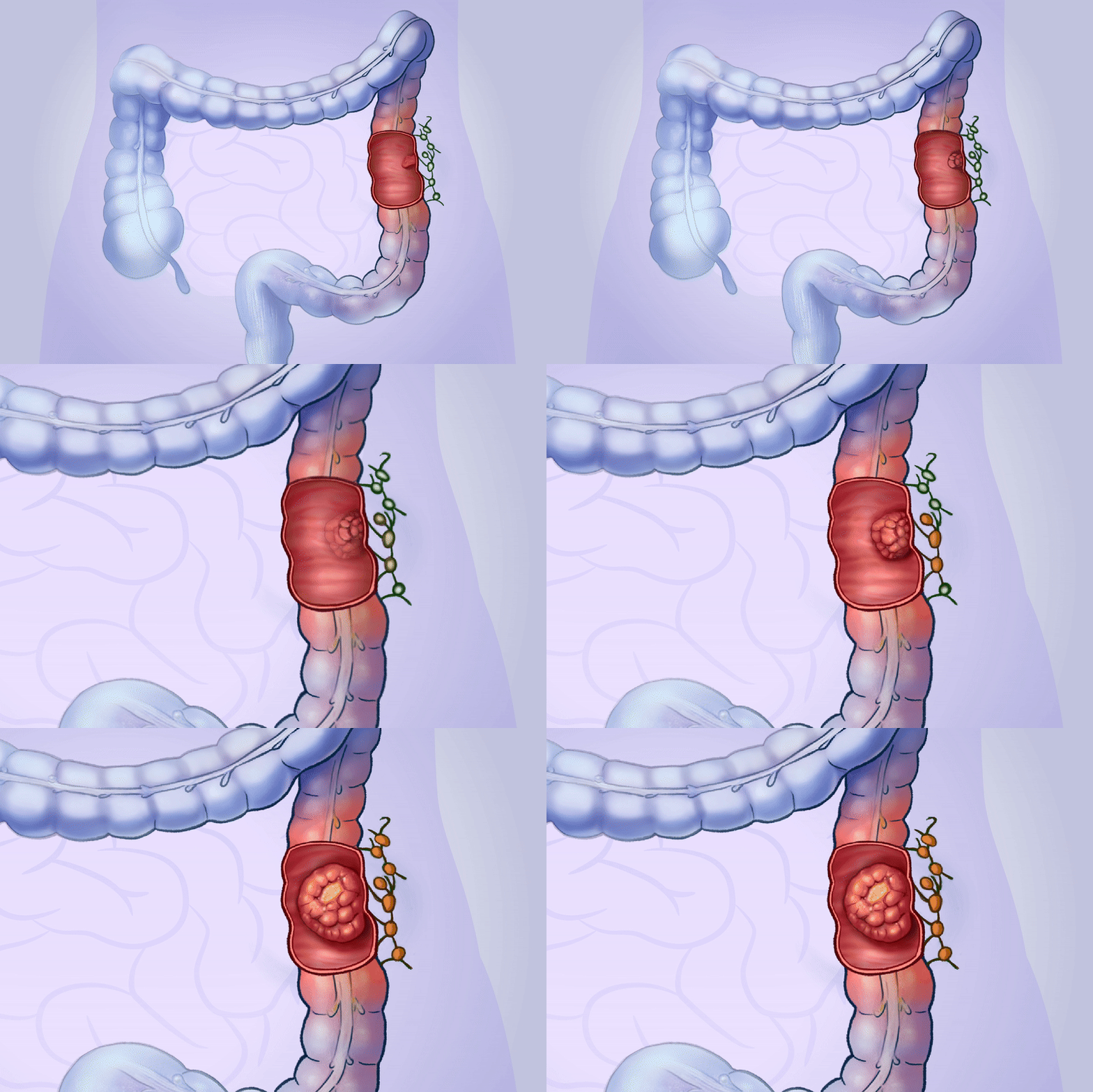
Colorectal cancer, which starts in the large intestine (colon) or rectum, is the second leading cause of cancer deaths in the United States. Once thought to mainly affect older adults, it is now rising sharply among younger people—with about 1 in 5 new cases diagnosed before age 55.
It can be difficult to detect early because it often causes no symptoms until it has already spread. However, if caught early (while still localized), the five-year survival rate is about 90 percent, making it highly treatable.
[shortcut_anchor id=”anchor_1758310621375″ label=”Symptoms”]What Are the Symptoms and Early Signs of Colorectal Cancer?[/shortcut_anchor]
Colorectal cancer typically grows slowly and may not cause symptoms for a long time. When symptoms do appear, they can vary depending on the cancer’s size, location, and any related complications.
Early Signs
Some of the earliest warning signs of colorectal cancer may include the following:
- Blood in stool (bright red or very dark)
- Changes in bowel habits, such as diarrhea, constipation, or alternating between the two
- Narrower stools than usual
- Unexplained fatigue that does not improve with rest
- Gas, bloating, or cramps
- Nausea and vomiting
- Unexplained weight loss
Other Common Symptoms
In addition to early warning signs, people with colorectal cancer may experience:
- Rectal Symptoms: A persistent feeling of incomplete bowel emptying, rectal bleeding, pain or discomfort, or a lump in the rectum
- Abdominal Symptoms: A lump or swelling in the abdomen, abdominal or back pain, and signs of a bowel obstruction (a blockage in the intestine that is a medical emergency)
- Anemia-Related Symptoms: Fatigue and shortness of breath caused by low red blood cell count
- Advanced Signs: Swollen lymph nodes, an enlarged liver, jaundice (yellowing of the skin or eyes), and breathing problems
[shortcut_anchor id=”anchor_1758310628671″ label=”Causes”]What Causes Colorectal Cancer?[/shortcut_anchor]
Most colorectal cancers begin as small growths called polyps, which are noncancerous lumps of cells on the inner lining of the colon or rectum. While most polyps remain harmless, certain types can slowly develop into cancer over many years.
The vast majority of colorectal cancers—about 95 percent—are adenocarcinomas. These start in the mucus-producing glandular cells that line the colon and rectum. As they grow, they may enter blood or lymph vessels, allowing the cancer to spread to nearby lymph nodes or distant organs.
When doctors talk about colorectal cancer, they are usually referring to adenocarcinoma. Less common subtypes, such as signet ring cell and mucinous adenocarcinomas—more aggressive forms of adenocarcinoma that spread more quickly—may have a more challenging prognosis.
About 70 percent of colorectal cancer cases happen sporadically, while the rest are linked to inherited genetic factors passed down in families. Several factors increase the likelihood that a polyp will turn into cancer, including its size (greater than 1 centimeter), the number of polyps found (more than three), and the presence of abnormal-looking cells in early stages of cancer development.
Some factors are thought to play a role in its development:
Genetics and Family History
Inherited genetic conditions cause about 3 percent to 5 percent of colorectal cancer cases. An additional 20 percent to 25 percent of patients have a strong family history, even if no specific genetic mutation is found. Several inherited conditions can increase risk:
- Familial Adenomatous Polyposis: A rare condition in which many polyps develop in the colon or rectum early in life. About half of people develop polyps by age 15, and nearly all will by age 35. If left untreated, these polyps almost always turn into colorectal cancer before age 40.
- Lynch Syndrome: A condition that carries a 70 percent to 80 percent lifetime risk of colorectal cancer, as well as a higher risk of other cancers such as uterine, ovarian, brain, and pancreatic.
- Peutz-Jeghers Syndrome: A condition in which many small polyps develop in the intestines.
- MUTYH Polyposis Syndrome: A rare condition caused by changes in the MUTYH gene. People with this syndrome often develop colorectal cancer in their 60s.
Other Medical Conditions
Certain medical conditions may raise the risk of colorectal cancer:
- Type 2 Diabetes: High insulin levels may directly activate pathways that promote cell growth and prevent cell death, causing uncontrolled cell growth and tumor formation.
- Inflammatory Bowel Diseases: Conditions such as ulcerative colitis and Crohn’s disease cause continuous inflammation in the intestinal lining, leading to DNA damage and increased cancer risk.
- Breast, Ovarian, or Uterine Cancer: Shared genetic factors may raise colorectal cancer risk.
- Psoriasis: A 2021 meta-analysis found that psoriasis patients have a 16 percent higher risk of colorectal cancer compared with the general population, with women facing a 41 percent higher risk. This may be due to chronic inflammation caused by overactive immune cells throughout the body.
Lifestyle Factors
Certain lifestyle choices and habits can also contribute to colorectal cancer risk:
- Low-Fiber, High Processed Meat Diets: Diets lacking fiber can slow digestion, while frequent intake of processed meats may increase cancer-causing compounds in the colon. Eating excessive red meat is also considered a risk factor, though the evidence is less definitive than for processed meat.
- Cooking Meat at High Temperatures: Grilling or frying may produce harmful chemicals that increase the risk.
- Alcohol Intake: Drinking alcohol, even in moderate or light amounts, increases risk.
- Smoking: Tobacco use raises the risk of developing polyps and colorectal cancer.
- Obesity: Excess body fat, especially around the waist, raises risk, particularly in men.
- Physical Inactivity: Lack of regular activity can disrupt digestion, promote chronic inflammation, and contribute to insulin resistance and obesity.
- Low Vitamin D Levels: Vitamin D may help prevent cell changes that can lead to cancer.
- “Bad” Gut Bacteria: Certain strains of E. coli are more common in people with colorectal cancer than in healthy people.
- Poor Oral Hygiene: A 2016 study found that women with fewer teeth and moderate to severe gum disease had up to 48 percent higher risk of developing colorectal cancer.
Other Factors
Additional factors that may affect risk include:
- Radiation: People who received radiation to the abdomen or pelvis, especially during childhood or for prostate cancer, have a higher risk.
- Microplastics: Ingested microplastics (plastic particles smaller than 5 millimeters) may damage the intestinal mucus layer, weaken its barrier function, and increase the risk of colorectal cancer by allowing pathogens and toxins to reach the colon lining.
- Ethnicity: In the United States, American Indian and Alaska Native people have the highest rates of colorectal cancer, followed by African Americans. Ashkenazi Jews also have one of the highest risks worldwide.
- Age: Risk increases with age, especially after 50, though cases are rising in people under 50 for unknown reasons.
- Sex: Men with colorectal cancer are more likely to die from the disease than women.
[shortcut_anchor id=”anchor_1758310639511″ label=”Diagnosis”]How Is Colorectal Cancer Detected and Diagnosed?[/shortcut_anchor]
Unlike many other cancers, colorectal cancer often develops slowly. Screening tools—including stool tests, colonoscopy and flexible sigmoidoscopy—can help detect colorectal cancer at its earliest and most treatable stages, sometimes even before symptoms appear.
Screening Tests
Screening is typically recommended starting at age 45 for people at average risk. Those with a genetic risk or other conditions—such as familial adenomatous polyposis, Lynch syndrome, Peutz-Jeghers syndrome, or MUTYH polyposis syndrome—may need to begin earlier.
The common screening tests include:
- Colonoscopy: Examines the entire colon and allows removal of polyps or abnormal tissue during the procedure. In recent years there have been questions about its effect on mortality rates in low-risk people, but colonoscopy remains the gold standard diagnostic tool. Possible side effects include gas, bloating, stomach pain, cramping, or gut microbiome changes. Most people recover quickly. There can be rare yet severe risks like major bleeding, perforation, or infection.
- CT Colonography (Virtual Colonoscopy): Uses specialized X-rays to check the large intestine for cancer and polyps. A small tube is gently inserted into the rectum to inflate the colon with air or gas before images are taken to look for any abnormalities.
- Flexible sigmoidoscopy: A procedure similar to colonoscopy, but limited to examining the lower section of the colon, making it less invasive.
- Guaiac Fecal Occult Blood Test (gFOBT): A stool test that checks for hidden blood by detecting heme, part of hemoglobin. Because it can also pick up heme from certain foods such as red meat, dietary restrictions are needed before testing. It is recommended every one to two years.
- Fecal Immunochemical Test: Detects human hemoglobin in stool using antibodies. More specific than gFOBT and does not require dietary changes. It is recommended every one to two years.
- Multitarget Stool DNA Test: Checks for both hidden blood and DNA changes linked to colorectal cancer. No dietary restrictions are needed. It is more comprehensive and is usually done every three years.
Diagnosis
Once symptoms appear and colorectal cancer is suspected, doctors use several approaches to confirm a diagnosis. This typically begins with a review of the patient’s medical and family history, followed by a physical exam that includes a digital rectal exam and checking the abdomen for any lumps or enlarged organs.
In addition to the screening tests above, other tests may include:
- Blood Tests: A complete blood count can check for anemia, while other blood work may assess blood chemistry, liver function, or tumor markers.
- Proctoscopy: A small camera is inserted to examine the inside of the rectum.
- Biopsy: A tissue sample, often taken during a colonoscopy, is examined under a microscope for cancer cells.
- Imaging Tests: X-rays, CT scans, MRIs, or ultrasounds may be used to look for abnormal areas, see how far cancer has spread, or check if treatment is working.
[shortcut_anchor id=”anchor_1758310650263″ label=”Stages”]What Are the Stages of Colorectal Cancer?[/shortcut_anchor]
Cancer staging shows how far the disease has spread, which helps determine the best treatment approach. Colorectal cancer has five stages:
- Stage 0: Cancer cells are found only in the innermost lining of the colon or rectum. This is the earliest stage.
- Stage 1: Cancer has grown into the wall of the colon or rectum but has not spread to lymph nodes or other parts of the body.
- Stage 2: Cancer has grown through more of the intestinal wall and may have reached nearby tissues, but it has not spread to lymph nodes or distant organs.
- Stage 3: Cancer has spread to nearby lymph nodes but not to distant organs. This stage varies depending on how many lymph nodes are involved and how deeply the cancer has grown into the intestinal wall.
- Stage 4: Cancer has spread to distant organs such as the liver, lungs, or abdominal lining, or distant lymph nodes. This is the most advanced stage.
Generally, earlier stages have better treatment outcomes, with Stage 0 and Stage 1 having the highest cure rates.
[shortcut_anchor id=”anchor_1758310659959″ label=”Treatments”]What Are the Treatments for Colorectal Cancer?[/shortcut_anchor]
Colorectal cancer treatment depends on the cancer’s stage, its location, and the patient’s overall health.
1. Surgery
Surgery is often the first-line treatment and may be either minimally invasive or more extensive, depending on the cancer’s stage.
Minimally invasive procedures include:
- Colonoscopy: For early-stage cancers, doctors can sometimes remove tumors during a colonoscopy without major surgery. Procedures include polypectomy, which cuts the polyp at its base using a wire loop and electric current, and local excision, which removes small cancers from the colon’s inner lining along with some surrounding healthy tissue.
- Transanal Excision: Used for rectal cancers, transanal excision removes small tumors through the anus using only local anesthesia, with no abdominal incisions. If the cancer is higher in the rectum, transanal endoscopic microsurgery uses a magnifying scope for precise removal.
- Laparoscopic Surgery: Surgeons make several small cuts (less than 1 inch) to insert a camera and tools. A slightly larger cut (about 2 inches) is then made to remove the tumor and nearby tissue.
More extensive procedures include:
- Colectomy: Removes part or all of the colon. Partial colectomy, also called segmental resection, removes the cancerous section plus healthy tissue on both sides, then reconnects the colon. A total colectomy removes the entire colon but is rarely needed unless multiple polyps are present.
- Low Anterior Resection: Used for advanced rectal cancer, low anterior resection removes the tumor while preserving bowel control function whenever possible.
- Abdominoperineal Resection: Sometimes required for very low rectal tumors when preserving the anal sphincter is not possible.
Ostomy procedures may be necessary to create new waste pathways:
- Colostomy: Creates an opening in the abdomen where stool passes into a collection bag when the colon is blocked or removed.
- Ileostomy: Connects the small intestine to an abdominal opening, bypassing the colon entirely.
2. Radiation Therapy
Radiation therapy uses high-energy beams to destroy cancer cells, usually for rectal cancers.
- External-Beam Radiation Therapy: The most common type, delivered from a machine outside the body. Advanced techniques allow precise targeting of the cancer while limiting damage to nearby healthy tissue.
- Internal Radiation Therapy (Brachytherapy): Places a radioactive source inside the rectum, near or inside the tumor, for direct targeting.
3. Chemotherapy
Chemotherapy uses drugs to kill cancer cells throughout the body. It is commonly given after surgery for Stage 3 colon cancer to lower the risk of recurrence and may also be used in Stage 4 to relieve symptoms and extend life.
4. Immunotherapy
Immunotherapy boosts the immune system’s ability to recognize and fight cancer cells. It is especially important for colorectal cancers with specific genetic features.
The immune system uses “checkpoints” to avoid attacking normal cells. Some colorectal cancers exploit these checkpoints to escape detection. Checkpoint inhibitor drugs block this escape, restoring the immune system’s ability to fight the cancer.
5. Targeted Therapy
Targeted therapy blocks specific molecules or pathways that cancer cells rely on to grow and spread. Unlike chemotherapy, which kills all rapidly dividing cells (both cancerous and healthy), targeted therapy attacks only the cancer cells. It can be given as pills or injections and is often combined with surgery, chemotherapy, or radiation.
6. Ablation
Ablation destroys tumors without major surgery by using heat, cold, or chemicals.
- Cryoablation (Cryotherapy): Freezes tumors with a probe cooled to very low temperatures.
- Microwave Ablation: Heats tumors with microwaves delivered through a probe.
- Radiofrequency Ablation: Uses high-frequency electrical currents through a probe to destroy tumors.
These treatments can help in select cases, especially for people who cannot undergo surgery, but they are not usually first-line options.
7. Acupuncture and Acupressure
Some complementary therapies, such as acupuncture and acupressure, may support recovery after colorectal surgery.
Stimulation at the Leg Three Mile (Zusanli) point—located about three inches below the kneecap and to the outside of the shinbone—has been shown to improve gastrointestinal function, speed the return of bowel activity, and allow earlier intake of liquids. Techniques like electroacupuncture at the Zusanli point may also help restore gut motility.
Additionally, acupuncture and acupressure have been found to be as effective as medication in treating cancer-related depression.
[shortcut_anchor id=”anchor_1758310680449″ label=”Lifestyle Approaches”]What Are the Natural and Lifestyle Approaches to Colorectal Cancer?[/shortcut_anchor]
Diet and lifestyle play a crucial role in supporting treatment, helping the body heal, and maintain strength during therapy. These approaches are not substitutes for medical treatment but may complement it.
1. Tailored Diets
Nutrition is a vital part of care after a colorectal cancer diagnosis, but recommendations must be personalized based on the patient’s specific situation. During treatment, certain supplements such as antioxidants may need to be paused to avoid interfering with therapies. Post-surgery, patients may need a temporary low-fiber diet.
Some specialized diets that may help with colon cancer include:
- Diet Rich in Whole Grains: A study published in May in the Journal of the National Cancer Institute suggests patients benefit from diets high in whole grains, milk, and dietary calcium, while limiting alcohol, refined grains, high-fat dairy, and sugar-sweetened beverages.
- Keto Diet: This very low-carbohydrate diet may help by reducing glucose, the main fuel for cancer cells. Healthy cells can use ketones (an alternative energy source), but cancer cells cannot, which may slow their growth.
Foods to emphasize include:
- Cruciferous Vegetables: Broccoli, kale, cabbage, and cauliflower contain sulforaphane, a compound that helps the body detoxify and may lower cancer risk.
- Spinach: Rich in folate and fiber, both important for colon health.
- Carrots: Contain beta-carotene, which may slow abnormal cell growth
- Beans and Legumes: Provide protective fatty acids that may inhibit cancer cell growth.
- Berries: Contain antioxidants and phytonutrients. Black raspberries are especially rich in anthocyanins, which may slow malignant cell development.
- Grapes and Pomegranates: Provide polyphenols, powerful plant antioxidants.
- Mango: May reduce inflammation in the digestive tract.
- Fish: Provide omega-3 fatty acids that fight inflammation.
- Nuts: Regularly eating nuts has been linked to lower cancer recurrence and mortality in people with Stage 3 colorectal cancer.
Beneficial beverages include:
- Green Tea: Contains catechins, which may inhibit cancer growth.
- Coffee: Rich in antioxidants and anti-inflammatory compounds. A 2020 study found that colorectal cancer patients who drank two to three cups of coffee daily lived longer and had slower disease progression than noncoffee drinkers.
Helpful herbs and spices include:
- Ginger
- Turmeric
- Garlic
- Fenugreek
- Sesame
- Flaxseed
These natural ingredients contain compounds that may slow cancer cell growth, trigger cancer cell death, and block the formation of new blood vessels that feed tumors.
Foods to limit or avoid include:
- Processed Meats: Often high in preservatives such as nitrates and nitrites, which can form cancer-causing substances in the body.
- Sugary Foods and Beverages: Excess sugar can contribute to obesity and inflammation, both risk factors for colorectal cancer.
2. Nutritional Supplements
Some supplements may play a role in prevention and recovery, but they should be used cautiously and under medical supervision.
- Lycopene: A plant compound that has slowed human colon cancer cell growth in laboratory studies by interfering with insulin-like growth factor pathways—the signals the body uses to promote cell growth and survival.
- Vitamin D: Higher blood levels of vitamin D are associated with a lower risk of colorectal cancer. Vitamin D helps maintain a healthy gut lining, supports beneficial gut bacteria, and lowers inflammation, but taking supplements has not been shown to prevent colorectal cancer.
- Probiotics: May help regulate the gut microbiome.
3. Moderate Physical Activity
A study published in February found that daily physical activity—even at moderate levels—helped Stage 3 patients during and after chemotherapy. Recommended activities include walking, cycling, and swimming. Patients are advised to avoid exercising to the point of exhaustion.
4. Stress Management
Stress management practices may improve the quality of life and overall health in cancer survivors.
- Yoga: A 2024 study found that most colorectal cancer survivors who participated in a 10-week yoga program had a positive experience, suggesting it may be a helpful supportive therapy.
- Tai Chi: A gentle form of movement and meditation that may reduce recurrence risk and support mental and cognitive health in survivors.
[shortcut_anchor id=”anchor_1758310704956″ label=”Prevention”]How Can I Prevent Colorectal Cancer?[/shortcut_anchor]
Although there’s no sure way to prevent colorectal cancer, the following steps may help lower the risk:
- Get Regular Screenings, especially if you are at high risk
- Eat a Healthy Diet: Focus on fruits, vegetables, fiber, and fish rich in omega-3 and omega-6 fatty acids, while limiting red and processed meats. Research suggests that mangoes may improve symptoms of inflammatory bowel disease, yogurt eaten two or more times per week may lower the risk of colorectal adenomas in men by 26 percent, and garlic has been linked to a reduced risk of intestinal adenomas and colorectal cancer.
- Practice Good Food and Oral Hygiene: Helps prevent harmful bacteria such as E. coli from entering the body through the mouth.
- Exercise Regularly: Supports a healthy weight and lowers cancer risk.
- Avoid Controllable Risk Factors: Minimize or avoid exposure to known risk factors such as smoking, excessive alcohol use, and obesity.
[shortcut_anchor id=”anchor_1758310717712″ label=”Complications”]What Are the Possible Complications of Colorectal Cancer?[/shortcut_anchor]
Colorectal cancer can lead to some complications that primarily affect the digestive system and the nerves that regulate its function. These include:
- Bleeding: May cause iron deficiency anemia or visible blood in the stool.
- Bowel Obstruction: Tumor growth can block the intestine, leading to abdominal pain, vomiting, dehydration, electrolyte imbalance (when levels of minerals such as sodium and potassium in the blood become abnormal), and infection.
- Perforation: In rare cases, a tumor can penetrate the bowel wall and cause a perforation, requiring emergency surgery.
- Jaundice: Cancer that spreads to the liver’s bile ducts can disrupt bilirubin metabolism (the process the body uses to clear away old red blood cells), leading to yellowing of the skin and eyes.
- Recurrence: Colorectal cancer returns in 30 percent to 40 percent of patients after curative surgery, most often within the first two years.
