

We often think of sugar as the white crystals we stir into coffee or sprinkle on desserts. However, sugar comes in many forms—and some of the most harmful types are hidden in everyday foods you wouldn’t suspect.
Dr. Jason Fung, a physician and kidney specialist, explained on Epoch TV’s “Vital Signs” that sugar’s real danger isn’t how sweet something tastes—but how it behaves in the body. He said that fructose, a sugar found in fruit and processed foods, may quietly contribute to fatty liver, obesity, and Type 2 diabetes, even if it doesn’t cause a noticeable spike in blood sugar.
The Different Types of Sugar
Each type of sugar affects our body differently. Knowing the different types of sugars helps us make smart diet choices, manage blood sugar levels, and achieve optimal health benefits.
Glucose
Glucose is found in starches and carbohydrates such as bread, rice, and potatoes. Your body uses glucose as a source of energy. Glucose raises blood sugar faster than other sugars, stimulates insulin release, and is delivered to your cells for use. However, excess glucose is turned into glycogen and stored in muscles or the liver until the body needs it.
Glucose is a simple sugar, also known as a monosaccharide, meaning that it consists of only one sugar unit and cannot be broken down further. Because it is already in its simplest form, glucose can be absorbed into the bloodstream via the small intestine and can be used immediately by the body for energy.
Fructose
Fructose is also a monosaccharide. It’s the sugar in fruits, honey, agave, and root vegetables. However, don’t assume it is always healthy, as it is often added to processed foods such as high fructose corn syrup.
Although fructose is absorbed into the bloodstream immediately, it raises blood sugar levels more gradually and doesn’t spike insulin levels as quickly. Fung said that fructose has more serious, long-term health consequences because of how it is metabolized in the liver.
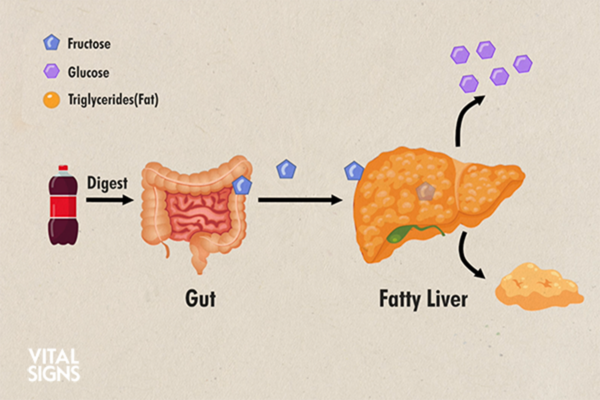
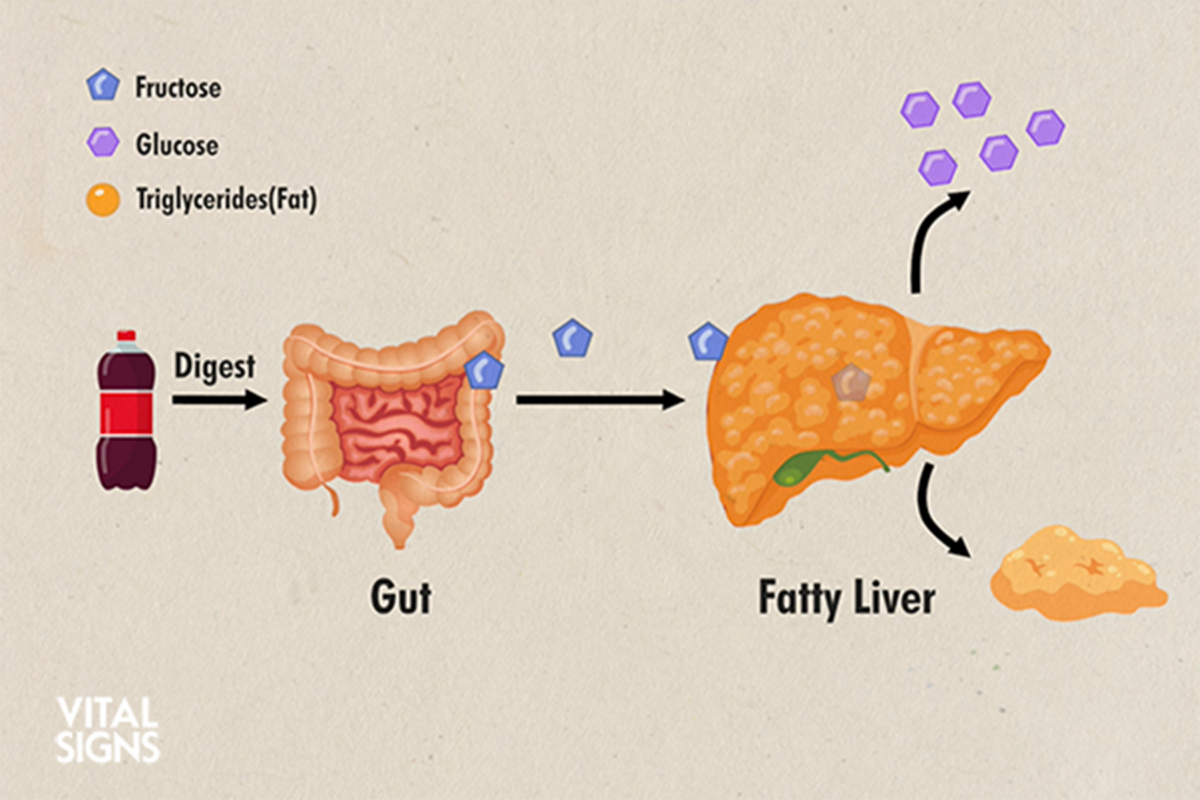
Fung said that the liver has to convert fructose to glucose for energy. If the body doesn’t need energy at that moment, then the fructose is stored as fat. Too much fructose may lead to excessive fat storage, causing stress on the liver, and leading to health problems such as fatty liver disease, heart disease, and Type 2 diabetes.
-

Sucrose
Sucrose is a natural carbohydrate found in fruits and vegetables. However, it’s also found in table sugar, most processed foods, and sweetened beverages, including soda, candy, cereals, ice cream, and more.
The biggest difference between sucrose and other sugars is that sucrose is composed of both fructose and glucose. This makes it a disaccharide, which means that it has two linked monosaccharides. Thus, sucrose must be broken down into fructose and glucose during digestion. Once sucrose is broken down, the body must use or store both glucose and fructose, according to Fung.
Remember that glucose is used as energy first—therefore, the fructose will likely be stored as fat. The takeaway is that if you’re trying to cut back on fructose, you want to be aware of sucrose because, after it is digested, you may be left with more fructose than you are meant to consume, Fung said.
Is All Sugar Bad? Does the Source Matter?
Not all sugars need to be avoided. Fung, author of “The Diabetes Code,” said the source of sugar is what matters. While fructose in fruit is the same as that in corn syrup, the amounts vary greatly. For instance, an apple contains far less fructose than a Coca-Cola. Fung also noted that people tend to overconsume unhealthy foods and beverages such as soda and sweets, which offer little to no nutritional value, but rarely overeat fruits and vegetables, which tend to be rich in essential nutrients, supporting overall health and are more satiating.
Measuring Blood Sugar Levels: What You Need to Know
How do you know if your blood sugar levels are in a good range? Most likely, your doctor will check your blood levels using the glycemic index method. However, Fung said the method might have limitations.
The glycemic index measures blood sugar levels after eating. Each food is assigned a score between zero and 100—the higher the number, the more it raises blood sugar. However, Fung noted that the glycemic index measures only glucose levels, not other types of sugar such as fructose, and beverages such as Coca-Cola are high in fructose rather than glucose.
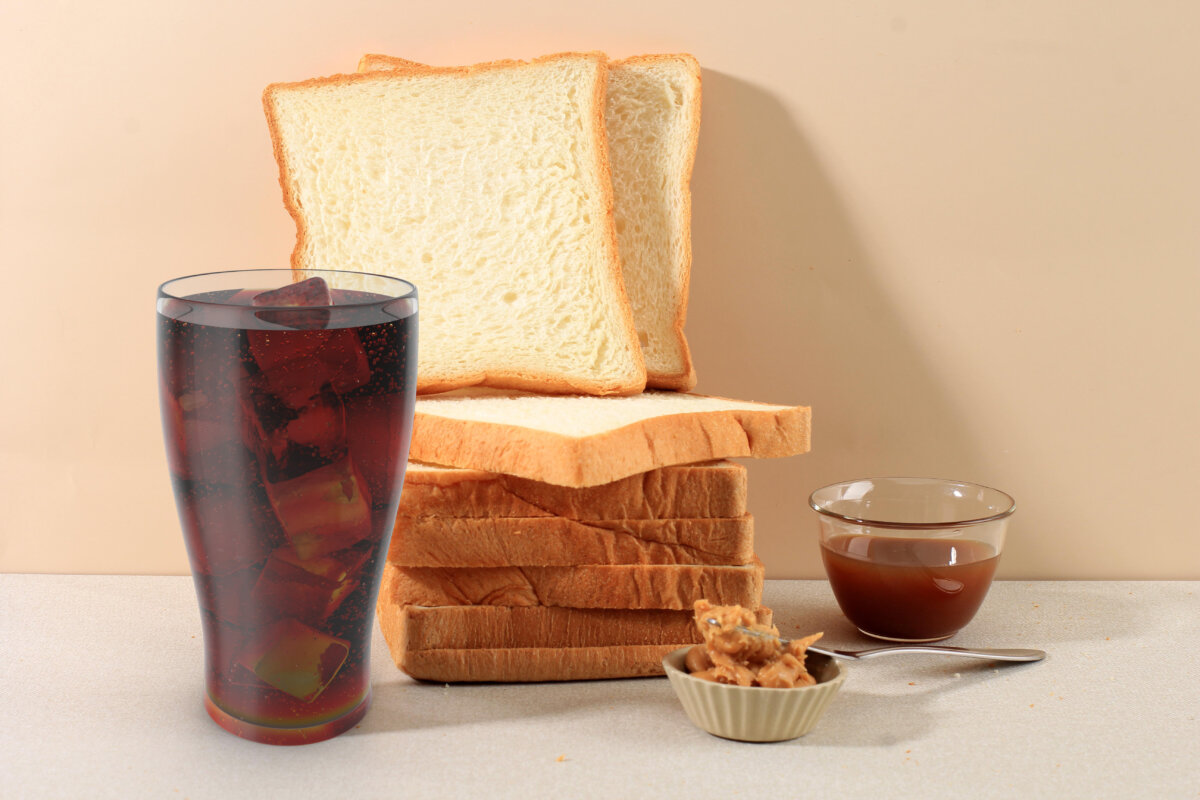
“So when you measure blood glucose, your blood glucose will go up more if you eat a slice of bread than if you drink Coca-Cola. However, it doesn’t mean the Coca-Cola is better for you,” Fung said.
Only tracking your blood glucose levels may lead to excess sugar intake from other sources, such as fructose and sucrose, and excess fructose burdens the liver.
“The liver has to turn this fructose either into glucose, or it has to turn it into fats, which can cause fatty liver and then lead to this sort of cascade of insulin resistance,” Fung said, noting that insulin resistance, which occurs in those with Type 2 diabetes, is a condition in which the body’s cells are overloaded with glucose and can no longer absorb anymore.
Monitoring blood glucose levels alone may lead you to overlimit your glucose intake, which could have negative health consequences.
This is because, in some cases, glucose is actually good for you as the body uses glucose for energy.
“All the cells in your body can metabolize that glucose,” Fung said. “So your brain can use it, your heart can use it, your liver can use it, your kidneys can use it.”
Whereas fructose—despite not raising blood sugar levels like glucose—can’t be used by the body for energy as easily or directly as glucose (such as the glucose that came from a slice of bread).
Sugar Spikes and Crashes
Although glucose offers some benefits to the body, too much of a good thing can harm your health, as seen with insulin resistance. When it comes to managing blood glucose levels, Fung said to be cautious about carbohydrates. He said that highly processed carbohydrates such as white bread will spike blood glucose much faster than whole food sources such as vegetables, because foods such as bread or cookies are often processed to be more rapidly digestible.
“When you eat a food, it has to be absorbed through the gastrointestinal system to get into the blood,” Fung said. “If you sort of pre-digest it by grinding it into a very fine dust, for example, or ultra-processing it in some way, then you make it easier for the body to absorb it, and therefore, you get this really rapid spike.”
Fung said massive, fast sugar spikes can damage your health and lead to sugar crashes and that after your blood sugar levels spike, they crash back down. However, they don’t return to where they were initially. Instead, your sugar levels will fall even further below where they started. Having low levels of blood glucose is a condition called hypoglycemia and is often accompanied by unpleasant symptoms.
“So if your blood sugar is low, then you’re going to start to feel shaky, you’re going to be hungry, you’re going to be sweating. So these massive glucose spikes are actually really bad for you,” Fung said.
Watch Out for Addictive Foods
Processed foods can be addictive, which can lead to overeating and excess sugar consumption. The reason why highly processed carbohydrates are addictive is because they elicit the release of dopamine in the brain. These frequent dopamine boosts will train your brain to want more and can lead to overeating unhealthy foods.
-
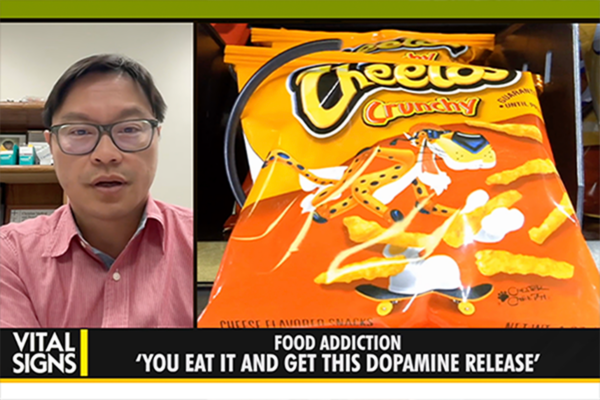

Fung cautioned against eating addictive foods even in moderation and said the best course of action is to eliminate them entirely.
Carbohydrate Check List
How do you know which carbohydrates to eat and which to avoid? When choosing carbohydrates, Fung said to ask yourself whether they are rapidly or slowly digestible. Is the carbohydrate ultraprocessed, such as packaged bread and pasta, or a whole food source, such as a vegetable? Are there additives such as monosodium glutamate and food coloring? Is there a high amount of sugar, specifically fructose?
These questions can help you differentiate between processed and whole foods.
Exercise to Eliminate Excess Sugar From Your Body
In addition to avoiding processed carbohydrates and opting for natural, whole foods, Fung said another great way to eliminate excess sugar in the body is through exercise. When you exercise, your body uses glucose for energy, thereby burning off sugar.
However, diet still matters.
“The problem is that for most people, the amount of exercise they do isn’t nearly enough to offset the diet,” Fung said.
For example, after exercise, many reward themselves with a treat such as ice cream. However, ice cream contains far more sugar than what was likely burned off in exercise. He also cautions against sports drinks such as Gatorade during or after exercise, as they contain high amounts of sugar.