
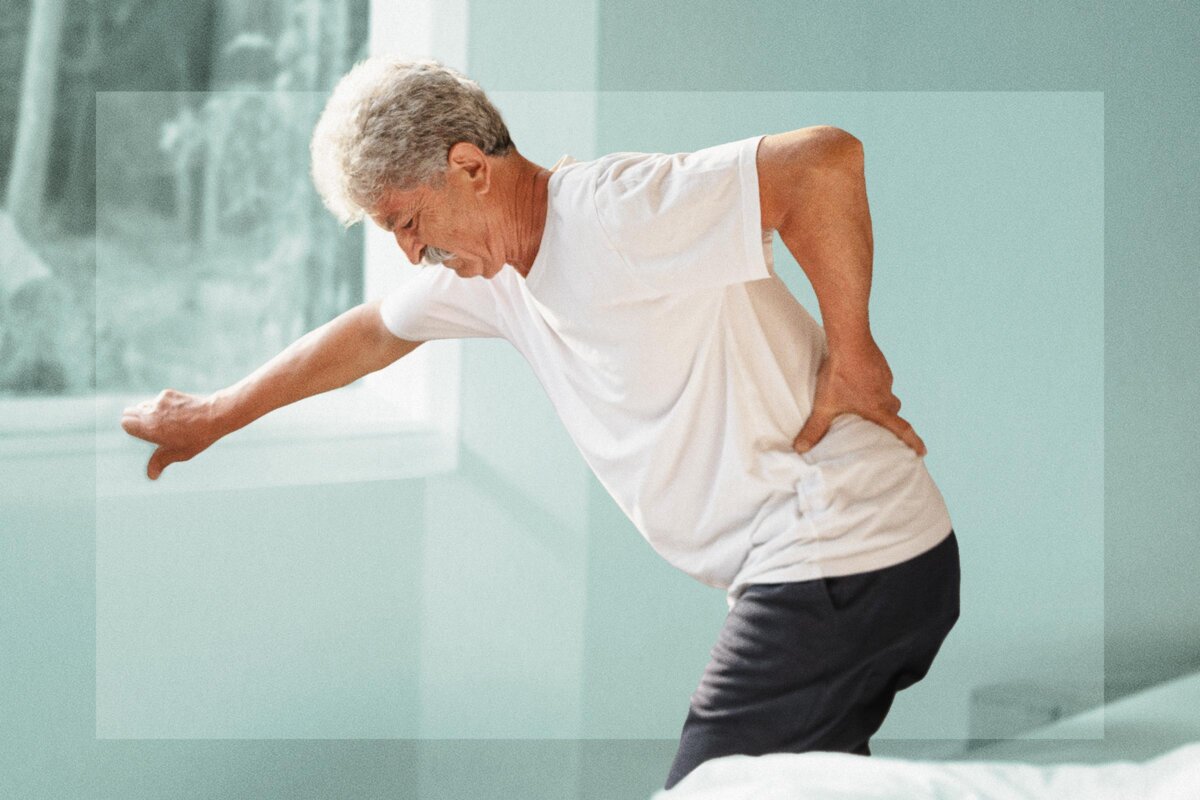
“Liu,” at the age of 58, was pushing her husband’s wheelchair down their apartment hallway when she suddenly felt a sharp, stabbing pain shoot through her lower back. She could no longer stand upright. At the hospital, scans revealed an unexpected diagnosis—a lumbar compression fracture.
Another patient, “Chen,” at the age of 62, had been standing for just over an hour at a community event when she felt intense lower back pain and collapsed into a chair. She, too, was later diagnosed with a lumbar fracture.
Both women were living with severe osteoporosis, with which everyday stresses can cause the bones to collapse—simple activities were enough to trigger their lumbar fractures.
With advancing age, the prevalence of osteoporosis and related fractures continues to rise. Centers for Disease Control and Prevention data show that from 2017 to 2018, 12.6 percent of Americans age 50 and older had osteoporosis, while 43.1 percent had low bone density—a condition that significantly increases fracture risk.
Symptoms of Osteoporosis
The clinical symptoms of osteoporosis primarily include:
- Lower Back Pain: Pain worsens with prolonged sitting, standing, or maintaining the same posture for extended periods.
- Spinal Deformities: Decreased bone density makes the spine prone to fractures and deformities, leading to a hunched back. In severe cases, patients may be unable to lie flat, which can affect sleep quality.
- Organ Compression: A hunched posture can compress the chest cavity, causing breathing difficulties, heart palpitations, bloating, or indigestion.
- Nerve Compression: Lumbar fractures may compress nerves, resulting in lower back and leg pain.
- Bone Fracture: Occurs easily in osteoporosis—especially in the hip, spine, and wrist—even from minor falls or simple daily movements. A 2024 study found that for people over 65, a hip fracture carries a mortality rate of up to 35.4 percent within one year.
Patients with any one or more of the above symptoms often rely on long-term pain medication for relief, which can cause side effects that damage the stomach, heart, kidneys, and other organs.
In traditional Chinese medicine (TCM), the kidney is said to ”govern the bones,” linking osteoporosis to a deficiency in kidney energy. The energy “essence” stored in the kidneys is the fundamental force of life, influencing aging. As we age, our kidney energy wanes, which can contribute to the development of osteoporosis.
Exercises to Strengthen Kidney Energy and Bones
To enhance kidney function and slow the aging and osteoporosis process, incorporate gentle exercises, massage, and a balanced diet into your daily routine.
1. Heel-Drop Exercise
Method: Stand on your tiptoes, lift your heels, then firmly stamp them back to the ground. Simultaneously, place both hands on the lower back and rub the area. Practice for 10 minutes daily.
Benefits: Pressing the heels to the ground channels force from the feet upward through the body, even reaching the head. This stimulates bone growth and boosts bone density. It’s much like how kids jumping rope or playing ball with up-and-down movements help them grow taller.
Rubbing the lower back and standing on tiptoes stimulates acupuncture points related to the kidneys. In TCM, the body’s organ energy flows through specific points on the body’s surface called acupoints.
The lower back corresponds to the kidneys, particularly the Kidney Transport acupoint (Shenshu acupoint, BL23). Massaging and warming this area helps nourish kidney energy. Additionally, the soles of the feet house the Bubbling Spring acupoint (Yongquan, KI1), the starting point of the kidney meridian (energy pathway), which is activated when standing on tiptoes. Meanwhile, contracting the calf muscles during this movement strengthens the kidney, supporting better blood sugar and lipid metabolism.
The heel-drop exercise is simple, safe for older adults, and excellent for long-term bone support.
2. Knee-Bending Exercise
Method: Stand with your heels slightly apart at about a 15-degree angle. Perform knee-bending movements (slight squats). Do 10 to 15 repetitions per set, two to three sets per day. Those with weaker knees can start with five repetitions and gradually increase.
Benefits: The knee-bending exercise boosts bone density, strengthens thigh and calf muscles, enhances stamina, and improves walking power. For those with painful, degenerative knee joints who struggle to walk, slight squats can help activate and mobilize the knee joints.
When performing this exercise, if your left leg is longer, place it slightly behind; if your right leg is longer, position it slightly back. This adjustment helps align the hip joints, corrects pelvic tilt, and improves leg length discrepancies.
Dietary Therapy
In addition to regular exercise, a balanced diet provides essential nutrients to support bone repair and strengthen bones. Recommended foods include black sesame seeds and walnuts, both known for their kidney-nourishing properties. Black sesame seeds are also rich in calcium.
Black Sesame and Walnut Powder
Ingredients
- 250 grams black sesame seeds
- 250 grams walnuts
- 50 grams brown sugar
Preparation
Dry-roast black sesame seeds, then grind them into a fine powder along with the walnuts. Mix in the brown sugar thoroughly and store the blend in a jar.
Usage: Take 25 grams twice daily, mixed with warm water to make a paste.
To support bone health, include calcium-rich foods such dried small fish and shrimp in your diet. Shiitake mushrooms, rich in vitamin D, can help improve calcium absorption.
Moderate sun exposure is also beneficial as it enables your skin to produce active vitamin D, which enhances the intestines’ uptake of calcium and phosphorus while promoting bone formation.
Avoid smoking, excessive alcohol, caffeine, or carbonated drinks whenever possible, as they accelerate calcium loss. Also, steer clear of staying up late and chronic stress, which can trigger systemic inflammation, further eroding bone density.