SEARCH


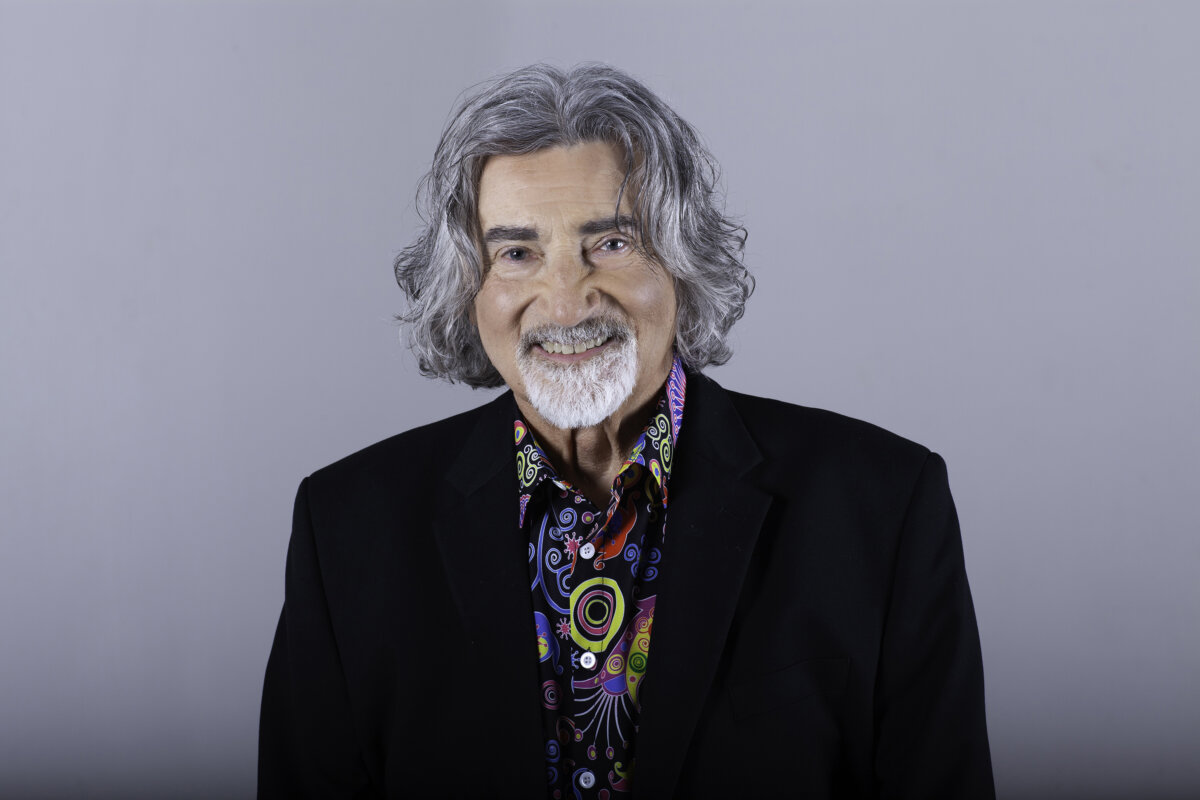
Richard Sterban, the bass vocalist for country-gospel group The Oak Ridge Boys, died Nov. 14 in Hendersonville, Tennessee, following complications from bronchitis and pneumonia, and a lengthy battle with pancreatic cancer. The award-winning musician was 83. In 1972, Sterban teamed up with The Oak Ridge Boys, and the singer’s resonant voice became an anchor for the quartet. “It allowed them to go places other vocal groups in country and gospel just couldn’t without a bass singer,” news outlet Saving Country Music wrote. Along with The Oak Ridge Boys, he helped pioneer the contemporary country-gospel sound.
Sterban’s love of music took shape early in life, when he began singing in his childhood church. His lifelong commitment to the craft that would ultimately take him to the Grand Ole Opry stage.
Blending Gospel Roots With Country Style
Richard Anthony Sterban was born in Camden, New Jersey, and grew up in nearby Collingswood, where his interest in music took root. His childhood days were spent singing in Sunday school, and at age 6, he was a soprano. By the end of middle school, his voice had deepened, and the high notes he used to hit in his younger days transformed into the smooth range of a bass singer.
After attending Trenton College of Music (now The College of New Jersey), his spent his early years as a professional musician on tour with Elvis Presley, as a backup singer alongside J.D. Sumner and the Stamps Quartet. In 1972, The Oak Ridge Boys offered Sterban a spot in the band when they needed a replacement for bass singer Noel Fox. After Sterban joined the lineup, Joe Bonsall joined a year later as the band’s new tenor, and The Oak Ridge Boys, or the “Oaks” as their fans refer to them, began laying the groundwork for what would become their trademark sound.
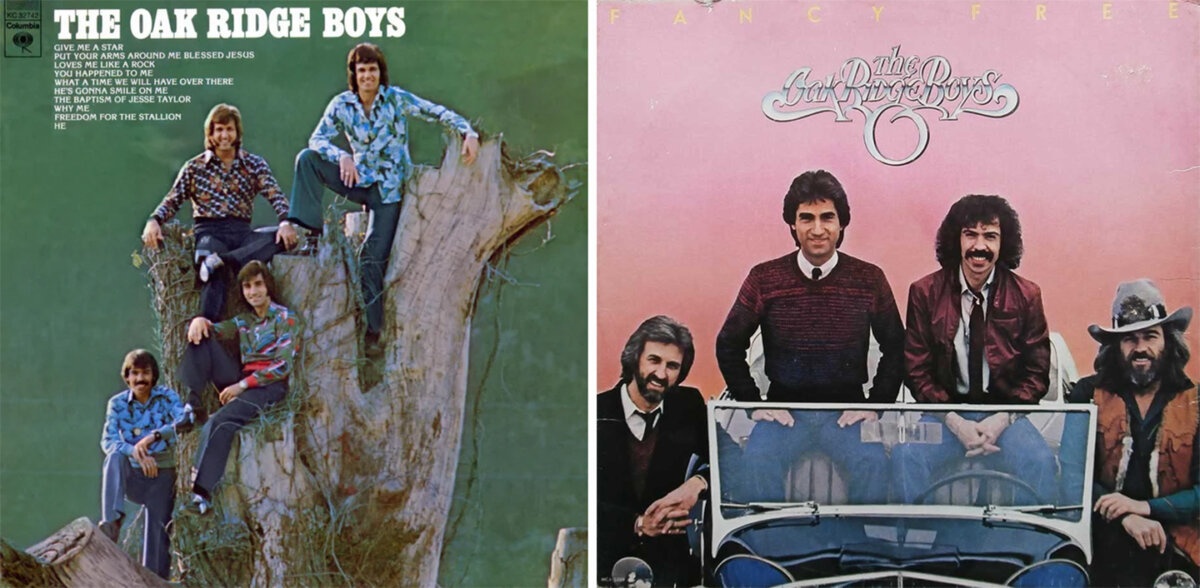
Over the course of the 1970s, the Oaks blended their gospel roots with a clean, country style, and Johnny Cash took notice, inviting them onto his tours to provide harmonies and backup vocals. Following chart success in the 1970s, the group released what would become their signature crossover hit, the playful single “Elvira,” in 1981. Originally written and released by Dallas Frazier in 1965, it was Sterban’s deep-voiced delivery of the tune’s comedic chorus phrase, “Oom-papa-mow-mow,” that catapulted the song to top-hit territory and gave listeners a lighthearted one-liner still recited today.

From Studio Vocals to Voiceovers
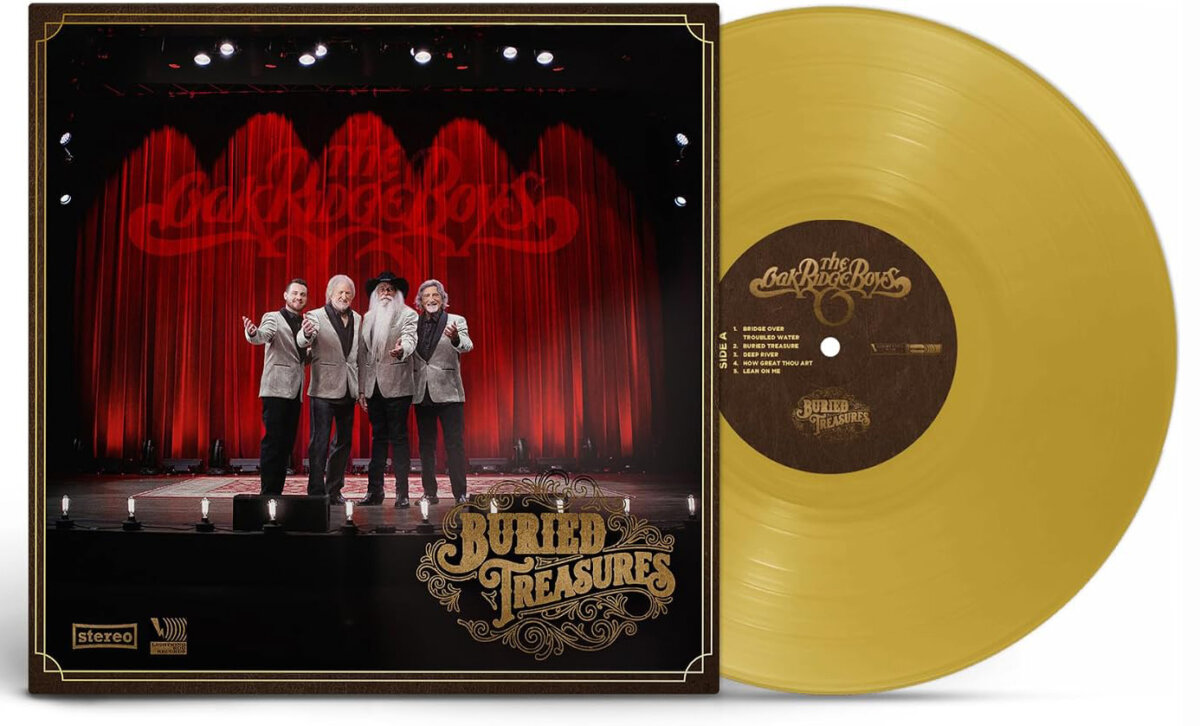
While the Oaks became well-known for their popular hits, their true love was gospel music. Their 2026 album, “Buried Treasures,” was released as a collection of their favorite hymns and standards, paying tribute to the classic gospel songs that have been a part of the vocalists’ lives since their childhood days. Hymns such as “How Great Thou Art,” “Deep River,” and “Softly and Tenderly” are featured on the album—it is also the final Oaks recording project to feature Sterban’s vocals. Though he was being treated for pancreatic cancer during the album’s recording, he contributed vocals on several tracks. Due to Bonsall’s passing in 2024 from ALS, tenor vocalist Ben James appeared on “Buried Treasures” in his place.
The Oaks have had a long, decorated career. Their crisp, pitch-perfect harmonies and heartfelt delivery produced a radio-friendly repertoire. Over five decades, the band released 17 top country hits and won five Grammy Awards. The Oaks were trusted regulars on the Grand Ole Opry stage, and in 2011, they accepted an invitation to become members. In 2015, the vocalists were inducted into the Country Music Hall of Fame.
Sterban’s memorable voice could also be heard outside of the stages and studios he shared with his fellow bandmates. His deep, crystal-clear vocals were ideal for voiceover work. He provided public service announcements and safety updates for NOAA’s Weather Radio, and he became the voice of Sirius Satellite Radio channel The Roadhouse (later known as Willie’s Roadhouse on SiriusXM), which covered classic country music.
Paying Tribute to an Unforgettable Voice
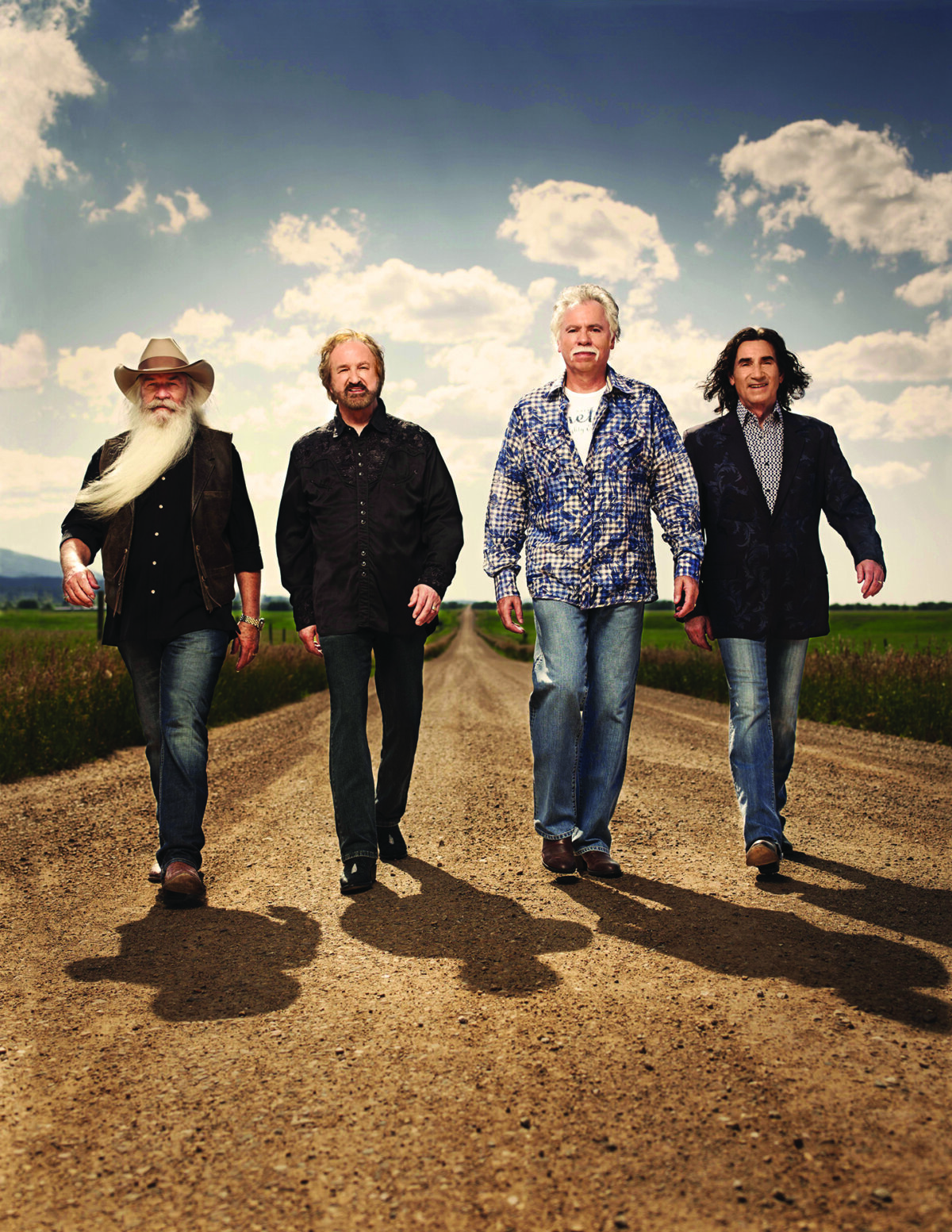
The Oakridge Boys thanked fans for their support and prayers on social media as they remembered their longtime bandmate. Country Music Hall of Fame CEO Kyle Young called Sterban a “musical bridge builder.” “He used his unmistakable bass voice to connect commercial country music to its deep gospel roots,” Young shared in a statement. “Like his signature vocal style, Richard Sterban was a steady force and a foundational figure in country music.”
Sterban is survived by his wife, Donna, and their daughters, Lauren and Tori. He is also survived by three sons from a previous marriage, Rich, Doug, and Chris, as well as eight grandchildren and three great-grandchildren. The formidable singer’s memory and influence extend far and wide. “Sterban is also survived by millions of music fans, who still have his bass voice echoing through the chambers of their hearts,” Saving Country Music wrote. “It’s a sound, and a voice, that won’t fade from memory easily, or anytime soon.”
What arts and culture topics would you like us to cover? Please email ideas or feedback to features@epochtimes.nyc