SEARCH


NR | 1h 33m | Musical, Romance | 1951
By the beginning of the 1950s, the baby boom was gathering speed, and families had good reason to look toward the future together.
Hollywood had a few plans for those families’ evenings, too. The big studios were turning out colorful musicals. Moviegoers could spend an hour or two in a world where a courtship might begin with a song, and ordinary rooms could transform into dance floors.
MGM was particularly accomplished at this business. Producer Arthur Freed helped make the studio a home for elaborate musical productions, while performers such as Fred Astaire made the results appear casual yet graceful. Astaire had spent decades perfecting his timing, and there was a certain pleasure in watching a man in evening clothes behave as though music had taken possession of his shoes.
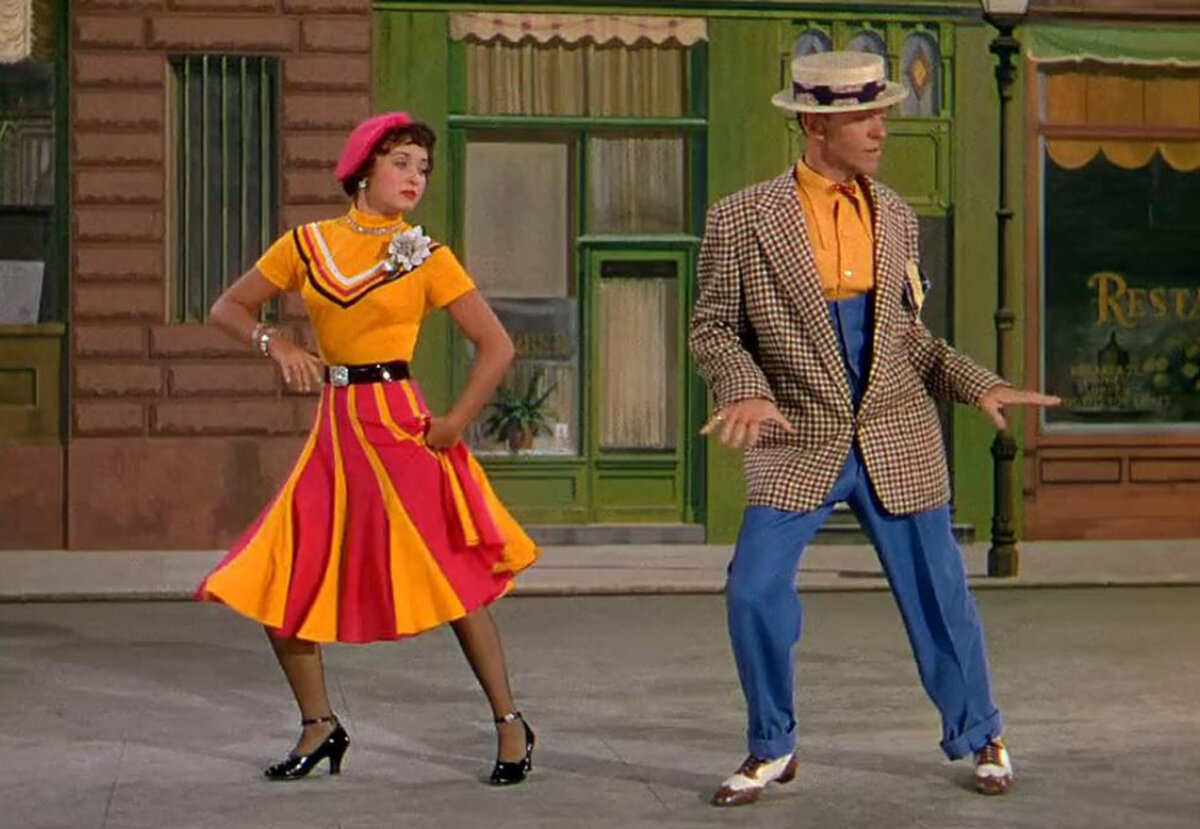
Although released in 1951, MGM’s “Royal Wedding” brought Astaire together with Jane Powell for a musical set in London during the celebrations surrounding Princess Elizabeth’s marriage to Philip Mountbatten in 1947. It was an inviting occasion for the studio’s particular brand of fun, and, with Astaire around, finely polished floors rarely stayed scuff-free for long.
Romance on the High Seas
Brother and sister Tom (Astaire) and Ellen Bowen (Powell) are successful Broadway entertainers whose latest show has just finished its New York run. Their manager, Irving Klinger (Keenan Wynn), has arranged for the production to travel to London, where royal wedding festivities promise enthusiastic crowds. The siblings pack their bags and board an ocean liner, ready to cross the Atlantic.
Ellen, who’s never been particularly short of admirers, soon catches the attention of Lord John Brindale (Peter Lawford), a handsome English aristocratic playboy. Their flirtation begins aboard ship, and the two discover that they’ve met someone capable of keeping up with their romantic games. Tom, meanwhile, is more concerned with rehearsals and keeping their act running smoothly.
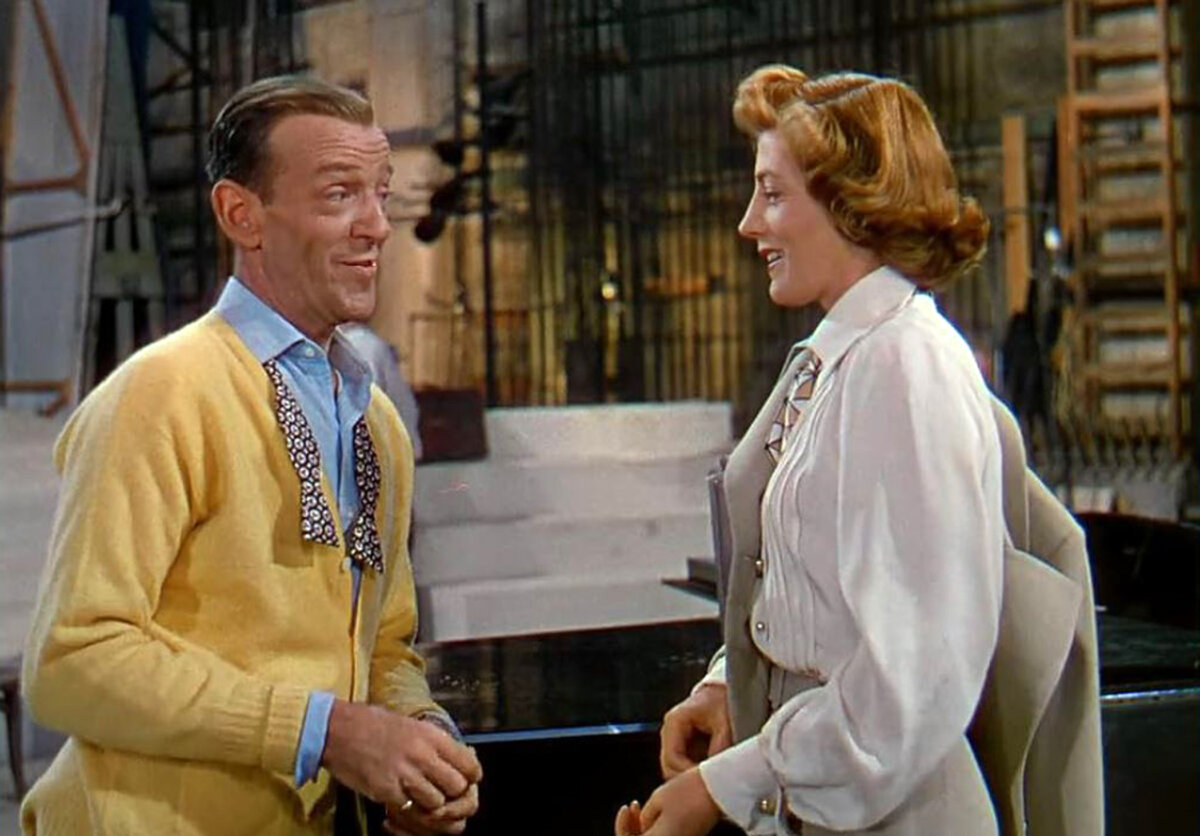
Once in London, Tom encounters Anne Ashmond (Sarah Churchill), an English dancer who auditions for their show. Before long, both siblings find their attention wandering away from the theater, with two budding romances threatening to complicate a partnership that’s served them well for years.
MGM Pulls Out All the Stops
Give Astaire a coat rack, and he’ll soon have it working as hard as the chorus. During the musical number “Sunday Jumps,” he kills time in the ship’s gymnasium by striking up a partnership with one. He spins it, sidesteps it, and sends it back for another turn, as if the poor thing had spent years in rehearsal. Barbells get pressed into the act as well, and the entire business looks so easy that you’ll nearly forget the endless practice behind each tap.
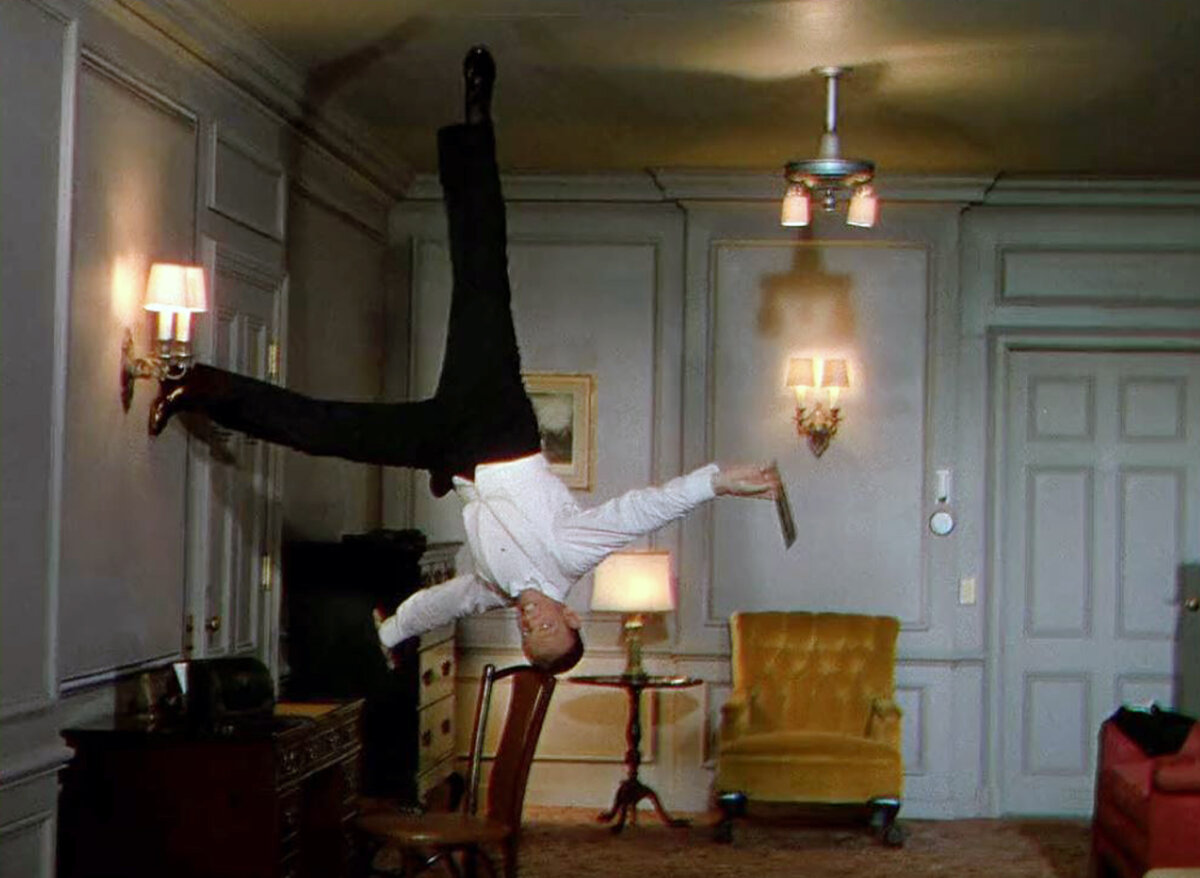
Powell is a terrific accomplice elsewhere, especially when the two adopt broad New York accents for a gloriously silly comic number. The hotel–room dance routine during “You’re All the World to Me” also deserves its considerable fame. Astaire starts off on the floor, climbs a wall, and eventually crosses the ceiling as though gravity has taken the afternoon off. The trick was achieved with a rotating room, built around a camera that turned along with the scenery. Astaire stayed upright as the entire set revolved—an ingenious feat of skilled carpentry, camerawork, and lots of nerve.
Powell brings her lovely singing voice to the proceedings, especially in “Too Late Now,” the Burton Lane and Alan Jay Lerner song that received the film’s only Academy Award nomination. Lawford is suitably charming as Ellen’s aristocratic admirer, and Churchill gives Anne a gentler manner, which works with Tom’s occasional fussiness.
Lerner’s screenplay also has some great humor in it, although its romantic developments can be guessed well ahead of time. The scenes between musical numbers occasionally dawdle, especially once the courtships fall into familiar patterns.
There’s a bit of family history surrounding the storyline. Astaire once performed professionally with his sister, Adele, who left their famous stage partnership when she married into British nobility. That connection gives the Bowens’ experiences an extra bit of significance.
Despite its playful flirting, this film treats marriage as something worth making room for, and sibling affection survives the prospect of separate futures. With its generous humor, fine songs, and dancing that still makes the eyes widen, “Royal Wedding” will leave you smiling long after the orchestra has finished playing.
“Royal Wedding” is available on GJW+
‘Royal Wedding’
Director: Stanley Donen
Starring: Fred Astaire, Jane Powell, Peter Lawford
Not Rated
Running time: 1 hour, 33 minutes
Release Date: March 23, 1951
Rated: 4 stars out of 5
What arts and culture topics would you like us to cover? Please email ideas or feedback to features@epochtimes.nyc