SEARCH


NR | 1h 41m | Drama | 1956
While a metal spoon is useful for soup, I wouldn’t consider it my first choice for breaking out of a German prison cell. Yet, in Robert Bresson’s French drama “A Man Escaped,” this ordinary utensil becomes a captive man’s most valuable possession.
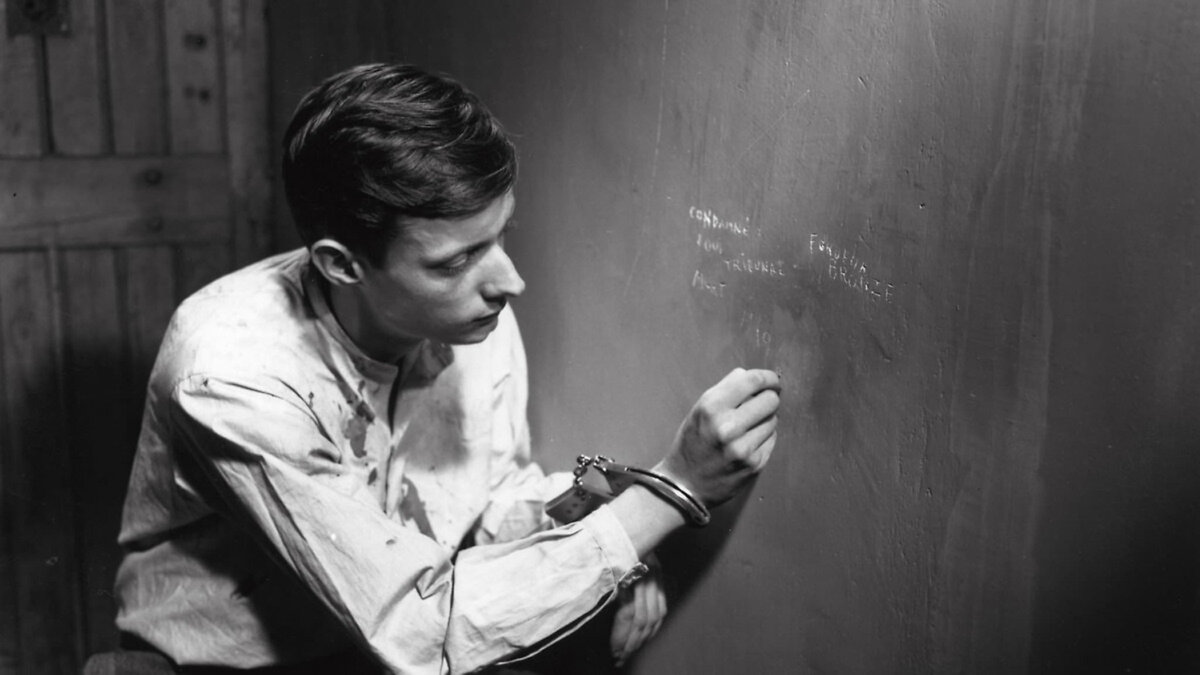
Set in 1943 during the German occupation of France, the film follows Lt. Fontaine (Francois Leterrier), a member of the French Resistance who makes a desperate attempt to escape from the vehicle transporting him to prison.
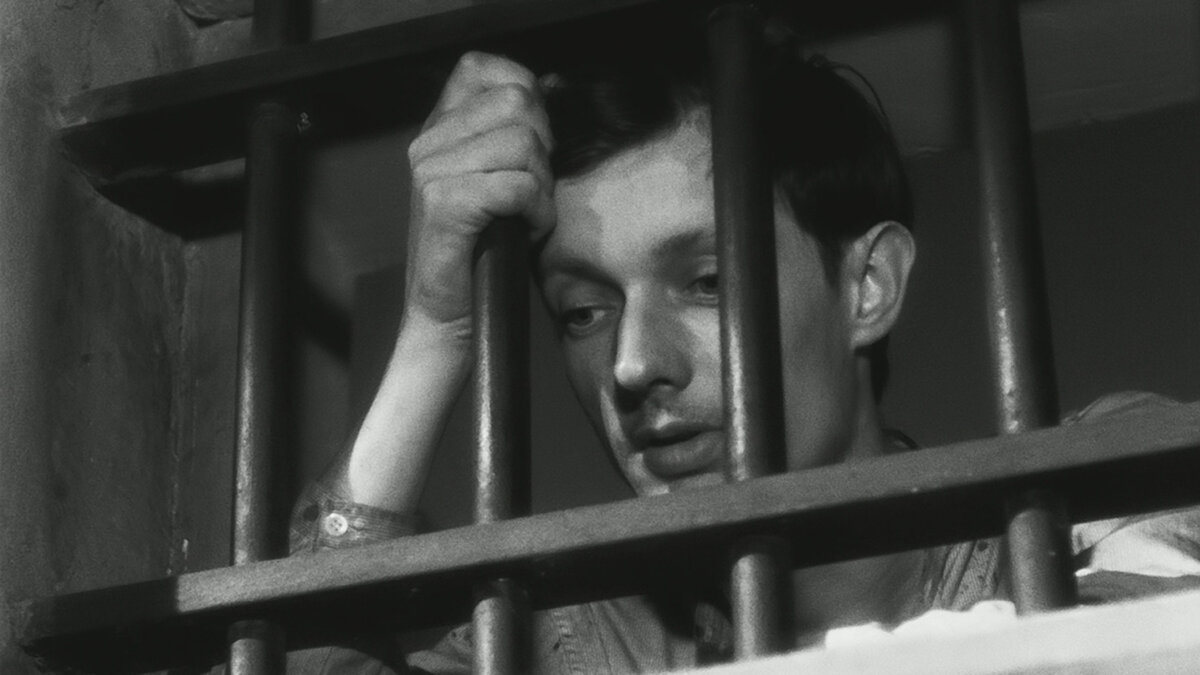
His effort ends in a brutal beating and confinement at Montluc prison in Lyon. He’s surrounded by armed guards and occasional gunfire, which leaves little doubt about the fate awaiting prisoners condemned by the Germans.
Fontaine’s cell has dreary bare walls, a heavy wooden door, and guards who control his every movement. Nevertheless, he begins studying his surroundings. He looks for weaknesses that might be overlooked by men who have grown accustomed to keeping others locked up.
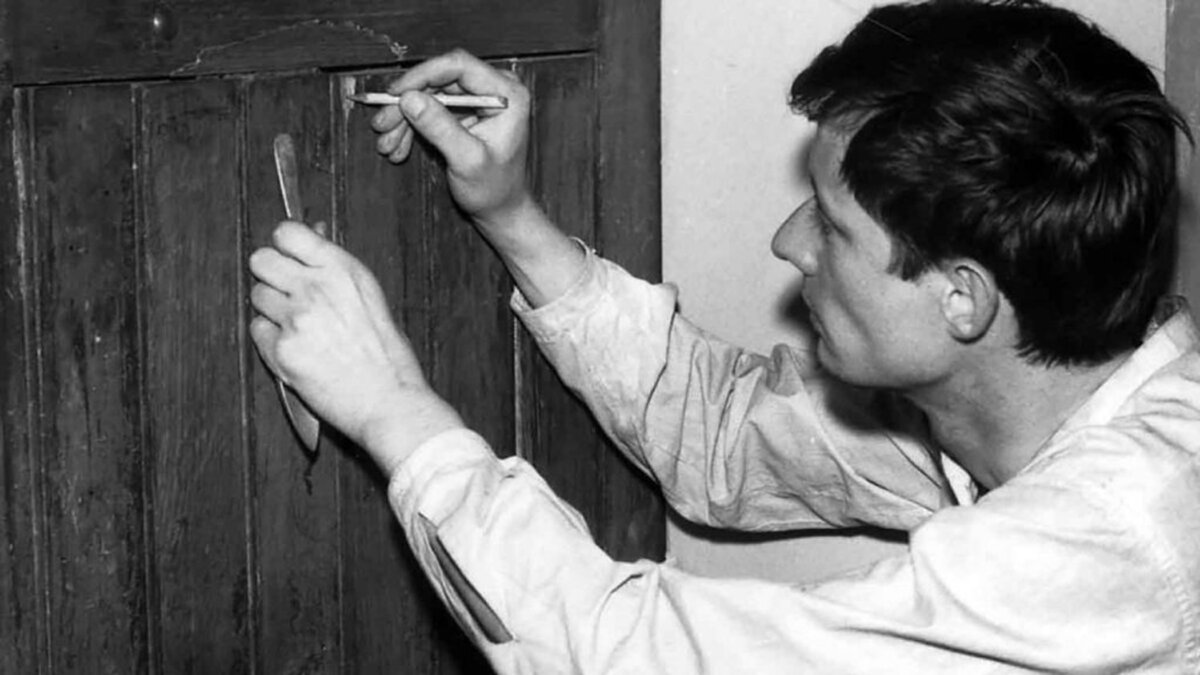
The wooden panels of his door interest him most. With a spoon sharpened into a crude cutting tool, he begins working on them, while carefully concealing the evidence.
The process is painfully slow. It requires Fontaine to study the guards’ routines, collect bits of wire, and eventually turn his bedding into ropes. He sometimes can do little more than loosen a board. However, each small improvement represents something the Germans haven’t been able to take from him: the ability to make his own decisions.
Smallest Details
The film was based on the experience of André Devigny, a French Resistance officer who escaped from Montluc in 1943. Devigny advised the production, and Bresson filmed exterior shots at the prison itself.
The director had also spent time as a German prisoner of war. This experience helps explain his attention to the unique sounds and grinding routines of captivity. Rather than using the occupation merely as a backdrop for adventure, he presents imprisonment as a relentless narrowing of daily life.
That narrowing is central to the movie’s unusual suspense, especially since the title has already informed viewers that Fontaine will most likely escape. What remains uncertain is how he accomplishes it, and Bresson makes us attentive to details, which another director might hurry past.
For instance, a guard’s footsteps can be more alarming than drawn pistols, while the simple scraping of a tool against wood seems painfully loud when the man holding it has nowhere to hide. Bresson also uses music sparingly. He uses excerpts from Mozart’s Great Mass in C minor to provide a solemn contrast to the ordinary noises that otherwise govern Fontaine’s existence.
Interestingly, Leterrier wasn’t a professional actor. Thus, his restrained performance might initially seem peculiar to viewers accustomed to more demonstrative screen heroes. Rather than offering grand expressions of fear or courage, he communicates much of Fontaine’s demeanor through watchfulness and the movements of his hands. Bresson wants us to observe the practical business of surviving rather than admire an actor’s ability to dramatize it.
The Will to Be Free
Although Fontaine spends much of his imprisonment alone, brief conversations and whispered exchanges with fellow prisoners provide scraps of information and occasionally the materials needed for his preparations.
These encounters also remind him how dangerous misplaced confidence can be, particularly when a young inmate named Francois Jost (Charles Le Clainche) is unexpectedly placed in his cell. Fontaine has no way of knowing whether the newcomer is trustworthy or perhaps an informant planted by the Germans; he needs to make a decision that could undo weeks of careful planning.
Here, the film becomes more than a demonstration of ingenuity. Fontaine discovers that freedom may ultimately require placing his faith in another person.
He’s prepared for escape through discipline and self-reliance. Now, he must now confront the possibility that another man’s intentions are beyond his ability to predict or control.
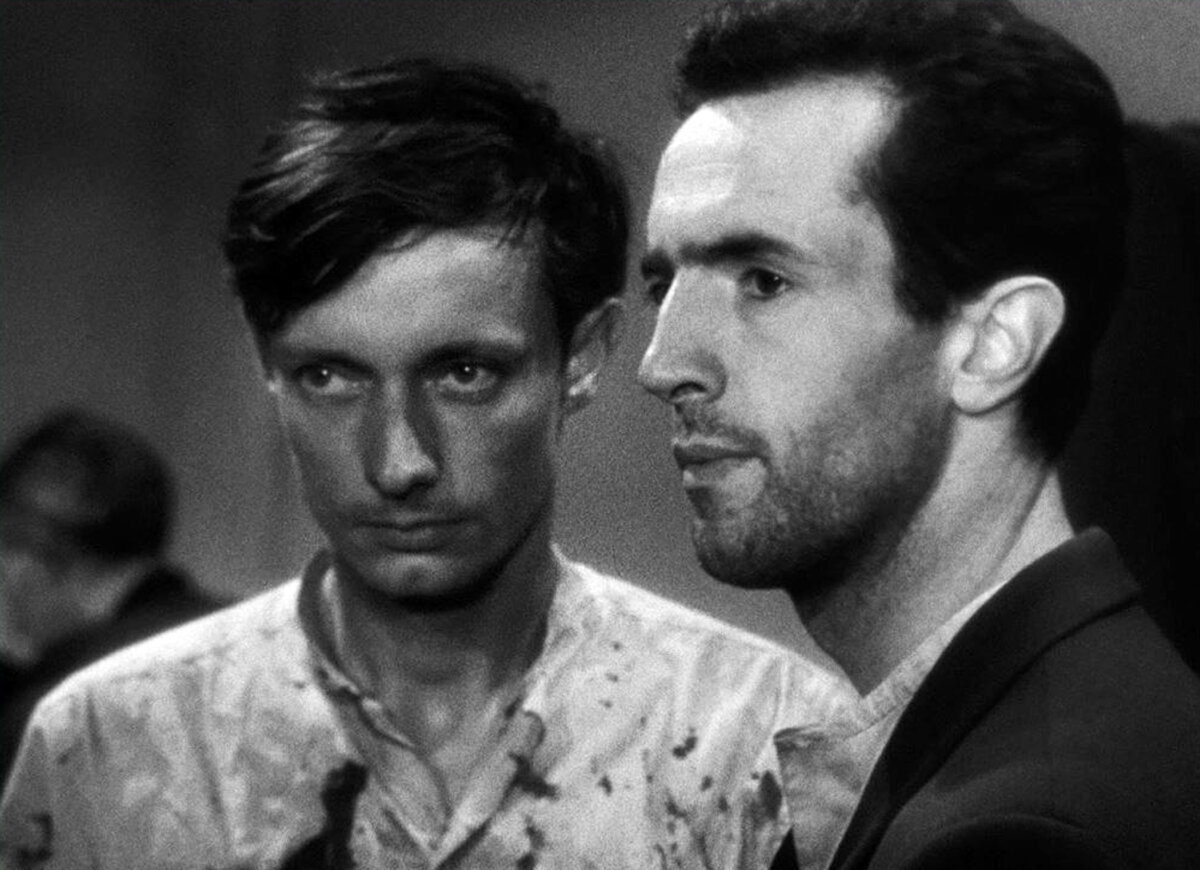
Bresson’s spiritual interests are present here without turning the story into a sermon. The French subtitle, “Le Vent souffle où il veut” (“The Wind Blows Where It Wants”), invokes the biblical phrase about the wind blowing where it wills, suggesting that Fontaine’s eventual escape might involve providence as well as personal determination.
When comparing it to action-oriented prison dramas, some viewers may find this movie’s repeated scraping and waiting excessive. However, Bresson’s patience is precisely what makes the suspense so effective; every small task acquires significance as Fontaine gradually approaches the moment when all his preparations will be tested.
“A Man Escaped” is a brilliant wartime thriller. Although not much in the way of conventional excitement, it hardly lacks tension.
Bresson finds drama in labor, uncertainty, and a man’s refusal to accept that his captors will have the final word. The humble spoon seems a more convincing symbol of resistance than any weapon.
“A Man Escaped” is available on Amazon, the Criterion Channel, and Apple TV.
‘A Man Escaped’
Director: Robert Bresson
Starring: Francois Leterrier, Charles Le Clainche, Maurice Beerblock
Not Rated
Running time: 1 hour, 41 minutes
Release Date: Aug. 26, 1957
Rated: 4 stars out of 5
What arts and culture topics would you like us to cover? Please email ideas or feedback to features@epochtimes.nyc