SEARCH


There is no such thing as exact repetition.
There is no such thing as exact repetition.
You think that I just contradicted myself. I did not.
When you read the second sentence, the experience of it was informed by having read the first sentence. The repeated sentence contained the same words in the same order, but having read them before, you read them differently the second time.
When we repeat words or actions a second time, the repetition is colored by what came before. Nature confirms this: No two snowflakes are alike, and no new blade of grass is precisely like the ones that came before it.
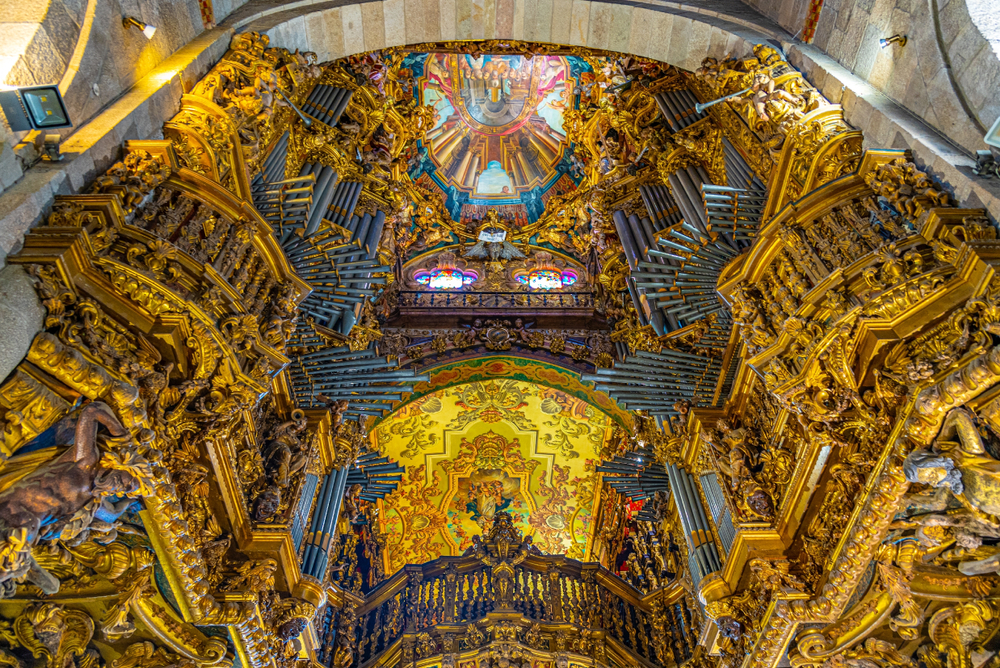
What does this have to do with music? Everything. This principle is the basis of all classical Western forms: The rondo (alternating a repeated section with other, non-repeated sections); the sonata (the development and transformation of a set of repeated themes); the fugue (subjects repeated in different relations to one another); and of course, variations.
Variations in form come in a variety of packages. The most clearly repetitive one is called “passacaglia,” a term derived from the Spanish words “pasar” (to pass) and “calle” (street), originating as a slow dance in 17th-century Spain and Italy. The musical form it gave rise to features an insistently repeated bass line, over which other musical events emerge in harmony.
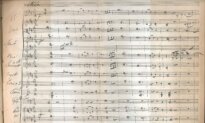
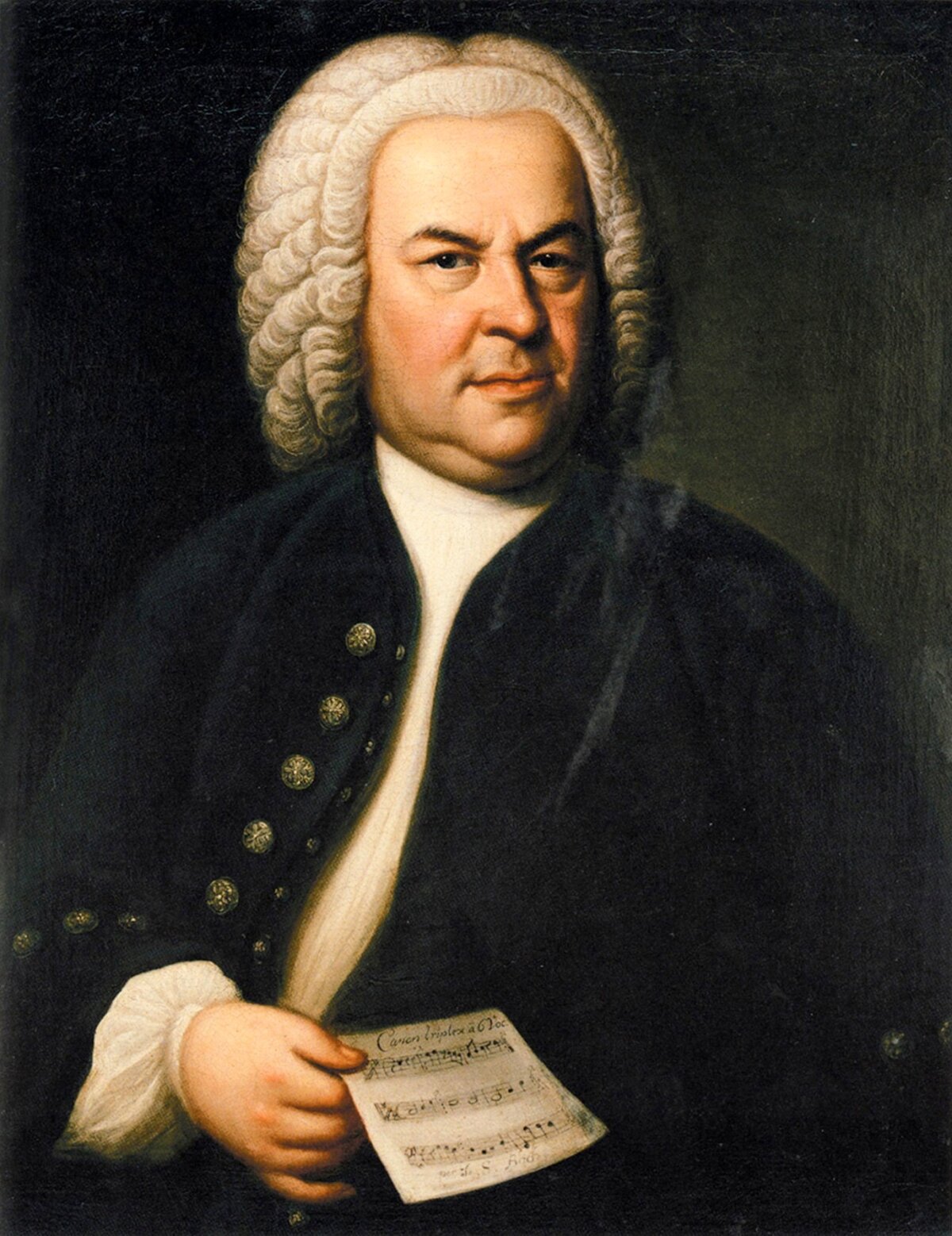
Young Johann Sebastian Bach (1685–1750) tackled the form with amazing maturity in his Passacaglia and Fugue in C minor for organ. In 1705, at age 20, Bach took a leave of absence from his position as church organist in Arnstadt to study with Dieterich Buxtehude, a master of ostinato forms—forms based on repeated figures. Some speculate that Bach wrote the passacaglia on his return to Arnstadt, on the cusp of his 21st birthday. If true, this work is a jaw-dropping example of artistic maturity at a tender age. The score’s depth and sophistication are worthy of a 60-year-old composer.
Previous passacaglias generally employed a four-measure bass subject followed by a handful of variations. Bach at 21 gave us an eight-bar bass subject followed by 20 variations. He then capped it by throwing in a double fugue in which the two subjects are the two halves of the passacaglia theme. This tremendous level of craftmanship consistently featured in Bach’s music until his death.
The score, performed here by Reitze Smits of the Netherlands, begins with the subject in the organ pedals, hushed and a little foreboding, in three beats (as in most passacaglias) over the wide range of an octave and a fifth. (Listen)
After the subject, two variations obscure it by landing on beat two, while the subject consists entirely of notes on beats 1 and 3. At 1:15, the plangent melody of Var. 3 restores the feeling of the beat and the subject begins to re-emerge. Var. 4 (1:40) restores the subject to center stage.
The variations continue, with the subject embroidered in nearly every imaginable way in textures ranging from two parts to five, with most settling in at four. The variation starting at 6:03 is high virtuosity, with rapid triplets in both hands. The passacaglia ends with a definitive C minor chord at 7:25 and starts right into the fugue at 7:26. The two subjects of this double fugue are the first half of the passacaglia theme and the second half of the passacaglia theme hidden amid a forest of eighth notes. Subsequently, the passacaglia almost seems to continue, as if the fugue were simply the 21st variation.
This masterwork of repetition growing endlessly into change throws open the finitude of time to reveal infinity tucked inside. It stands with the greatest works of Western art music, and indeed of art of any kind.
What arts and culture topics would you like us to cover? Please email ideas or feedback to features@epochtimes.nyc.