SEARCH


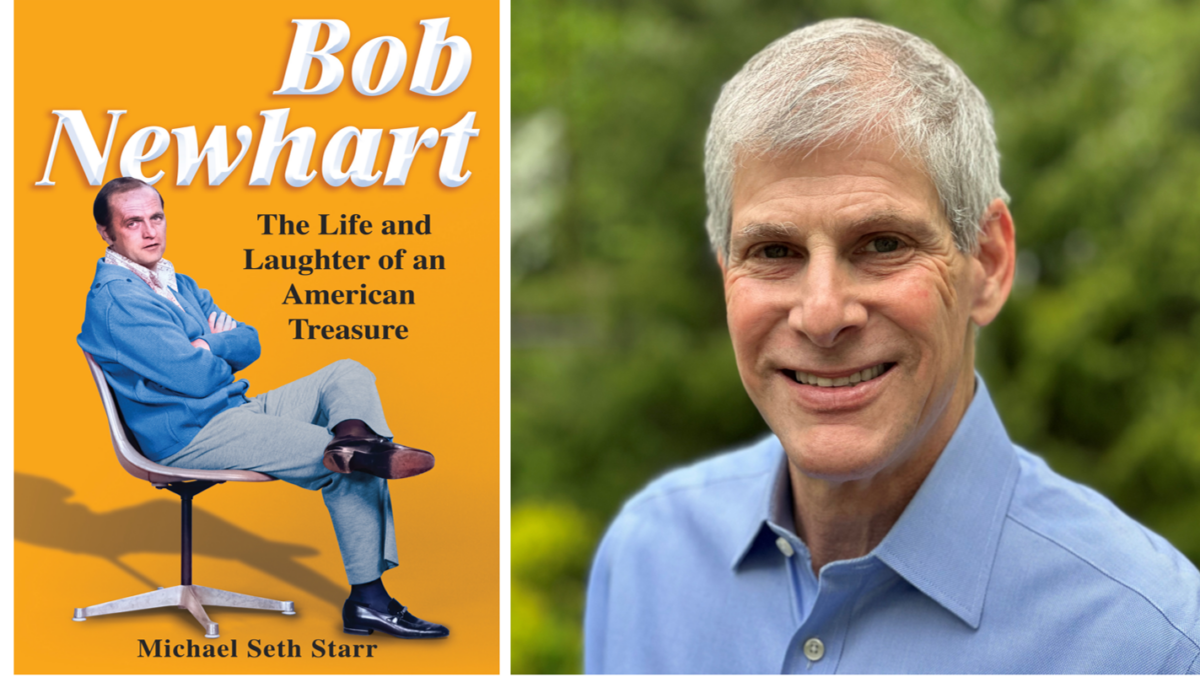
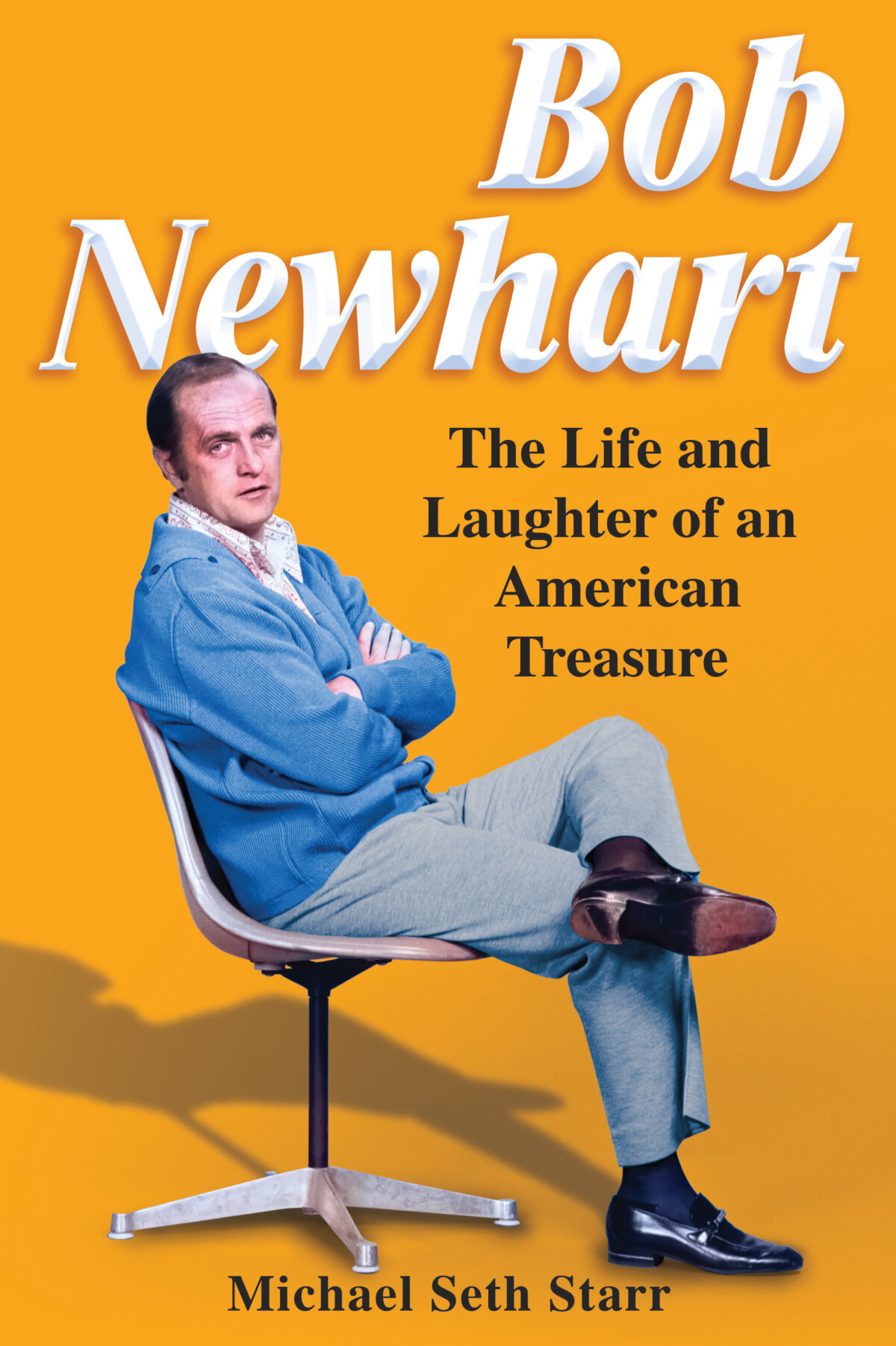
Bob Newhart enjoyed a long and brilliant career, reaching multiple generations with his deceptively deadpan humor. Michael Seth Starr’s new book, “Bob Newhart: The Life and Laughter of an American Treasure,” is the first-ever biography on Newhart, and it wonderfully recalls the beloved comedian’s many triumphs and a few long-forgotten setbacks.
Starr’s subject was born George Robert Newhart in 1929 and grew up in suburban Chicago. Although he acted in a community theater group, Newhart initially considered a legal career.
That wasn’t to last; he dropped out of law school after 18 months and found work as an accountant. He later claimed professional ineptitude in accounting by joking, “If you got within a couple of bucks, it was okay.”
A Fast-Rising Funnyman
Starr tracks Newhart’s rapid ascent to stardom. It began when he teamed with a coworker to record improvised comedy routines. A Chicago radio station recruited him for a morning talk show; this then led to a contract with Warner Bros. Records in 1959.
The 1960 album “The Button-Down Mind of Bob Newhart” created a sensation, selling over 1 million copies in its first year. The recording won the Grammy Award as Album of the Year for a comedy recording, with Newhart winning the Best New Artist prize.
In 1961, he headlined in top nightclubs and starred in the first pay-per-view television special on Canada’s Telemeter Pay TV service. Newhart made his movie debut in the action-adventure “Hell Is for Heroes.” Appearances on top-rated television shows were followed by his own weekly variety series.
Hits and Misses
Alas, “The Bob Newhart Show” was a troubled affair as the star clashed with his producer over scripts. Newhart complained in an interview, “Some weeks the show doesn’t make it and I die a little inside.”
The show was canceled after one season, although it snagged Peabody and daytime Emmy nomination; Newhart won a Golden Globe as Best New TV Male Comedian.
Newhart moved on with more comedy albums, nightclub work, and television appearances, including a dramatic turn on “The Alfred Hitchcock Hour.” He teamed with Carol Burnett in hosting the variety program “The Entertainers” in 1964. The show never clicked with him, and he quit after three unhappy months.
Still, Newhart remained busy. He guest-hosted Johnny Carson’s “Tonight Show.” He made several memorable appearances on Dean Martin’s variety series, and landed scene-stealing supporting roles in popular films including the 1968 British caper “Hot Millions” and the 1970 all-star comedy “Catch-22.”
The First Sitcom
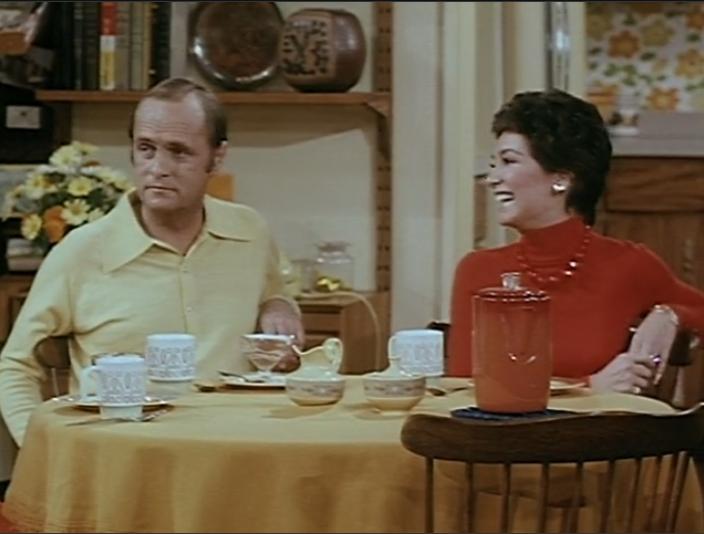
In 1972, Newhart finally secured a hit television show. He eschewed the variety format for a sitcom. He played a bewildered psychiatrist with Suzanne Pleshette as his down-to-earth wife. Although it is now considered a classic, Starr relays how the show’s understated humor didn’t immediately resonate. “The Bob Newhart Show” debut episode received mixed-to-negative reviews and a 34th-place finish in the ratings.
But audiences slowly discovered the series and stayed with it. Starr expertly tracks the show’s evolution and how Newhart maintained a busy performance schedule during its run.
Oddly, “The Bob Newhart Show” never won an Emmy Award. This irritated its star, who was even more upset when CBS threatened a breach-of-contract lawsuit if he failed to return for a sixth season. But he felt the show had run its course.
“I’d rather go off a year early than a year late,” he commented. His fears were justified, as the ratings cratered during its final season.
The Second Sitcom
Newhart was eager to get back into movies after the sitcom ended. He had his first starring film role as an exasperated American president in Buck Henry’s misguided political satire “First Family” (1980), which generated the worst reviews of his career. Newhart regretted accepting that role while passing on two other 1980 comedies, “Caddyshack” and “9 to 5.”
Starr observes that Newhart grudgingly acknowledged that his lowkey comic persona played better on the small screen and arranged for another sitcom. “Newhart” debuted in 1982. The sitcom was an immediate hit with critics and audiences. Emmy Award voters, however, never bestowed a trophy on the series during its eight-season run or scored a home run with critics and audiences.
Again, Starr expertly details the production history, ranging from casting decisions to show taping with Newhart doing the studio audience warm-up.
While the legacy of “The Bob Newhart Show” did not cast a shadow over “Newhart,” the previous show was brilliantly referenced in the wildly inventive series finale, which Starr lovingly recalls.
Sitcom lightning would not strike again, with Newhart’s later series “Bob” and “George and Leo” failing to find an audience. The comedian nonetheless connected with younger viewers as Papa Elf opposite Will Farrell in the hit film “Elf” and as Professor Proton in the sitcom “The Big Bang Theory,” which earned him a long-overdue Emmy Award in 2013.
Starr also devotes space to Newhart’s long and happy marriage to Ginnie Quinn and his cherished friendship with Don Rickles. His passing in 2024 was marked with loving tributes by colleagues and fans.
Starr presents a portrait of a creative artist who never stopped bringing laughter to his audiences and love to those around him. Contrary to the old cliché, Bob Newhart’s professional and personal successes proved that a nice guy could finish first.
‘Bob Newhart: The Life and Laughter of an American Treasure’
By Michael Seth Starr
Citadel Press: Nov. 24, 2026
Hardcover, 352 pages
What arts and culture topics would you like us to cover? Please email ideas or feedback to features@epochtimes.nyc