SEARCH


R | 1h 38m | Documentary | 2026
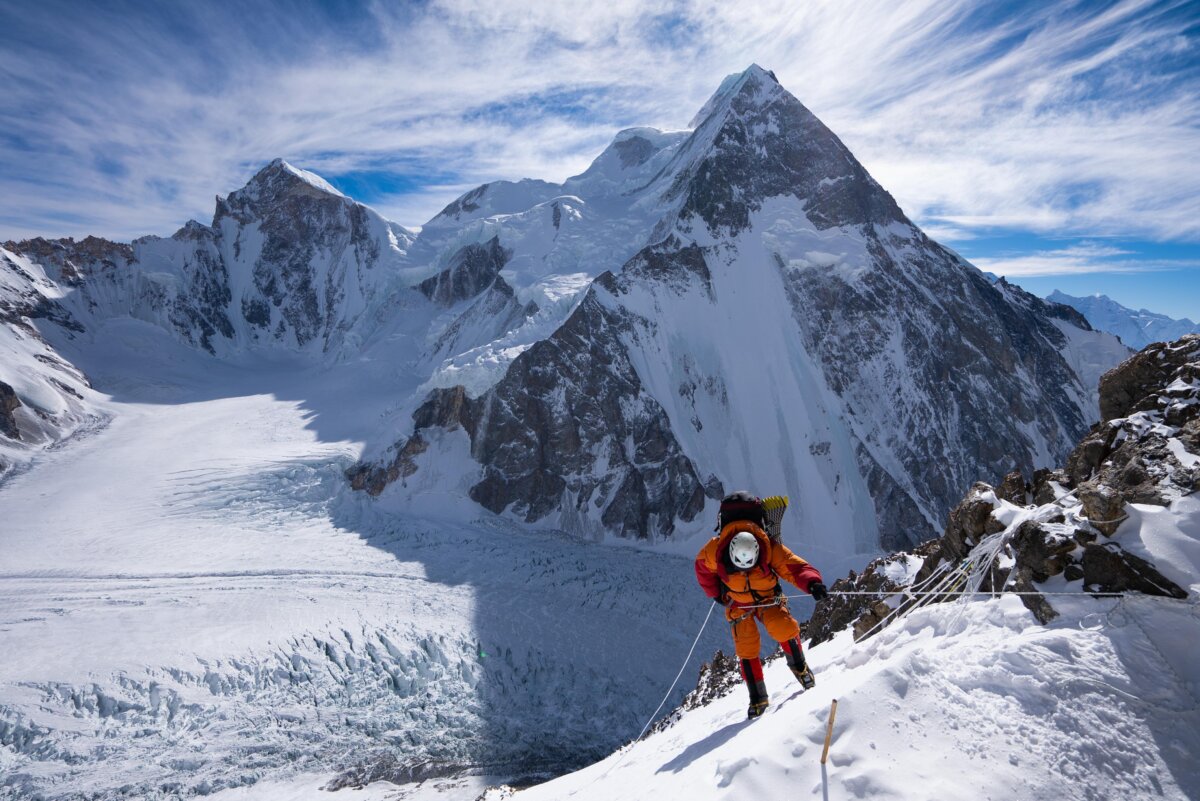
The COVID-19 pandemic had an indirect but deadly impact on K2, the second-highest mountain in the world, on the border of Pakistan and China. In January 2021, Pakistan was the only Himalayan nation that had opened its borders and resumed issuing climbing permits.
Consequently, one mountaineering company started selling K2 packages in hopes of avoiding bankruptcy. Unfortunately, their promotion attracted many climbers of varying degrees of experience, attempting something that had never been done before: summiting K2 during winter.
Amir Bar-Lev chronicles the ill-fated campaign in the documentary “The Last First: Winter K2.”
Viewers can easily deduce that Icelandic mountaineer John Snorri Sigurjonsson did not survive K2, since he does not appear early in the film to speak for himself. And his wife, Lina Moey, refers to him in the past tense.
Snorri was determined to attempt the last great feat in mountaineering: summitting K2 while braving the harsher wintertime conditions. He had a good deal of experience and had assembled a small but highly qualified team.
He recruited Ali Sadpara, who was something of a Pakistani celebrity for his mountaineering accomplishments. Together with Sadpara’s son Sajid, they were methodically preparing for their ascent until competition arrived at base camp.
First, Nirmal “Nims” Purja arrived with his Nepalese team. Arguably, Purja was the reigning superstar of mountaineering. He was recognized as a generational talent, but his hotshot persona generated controversy. Regrettably, Purja can no longer speak for himself either, because of a fatal avalanche disaster earlier this year.
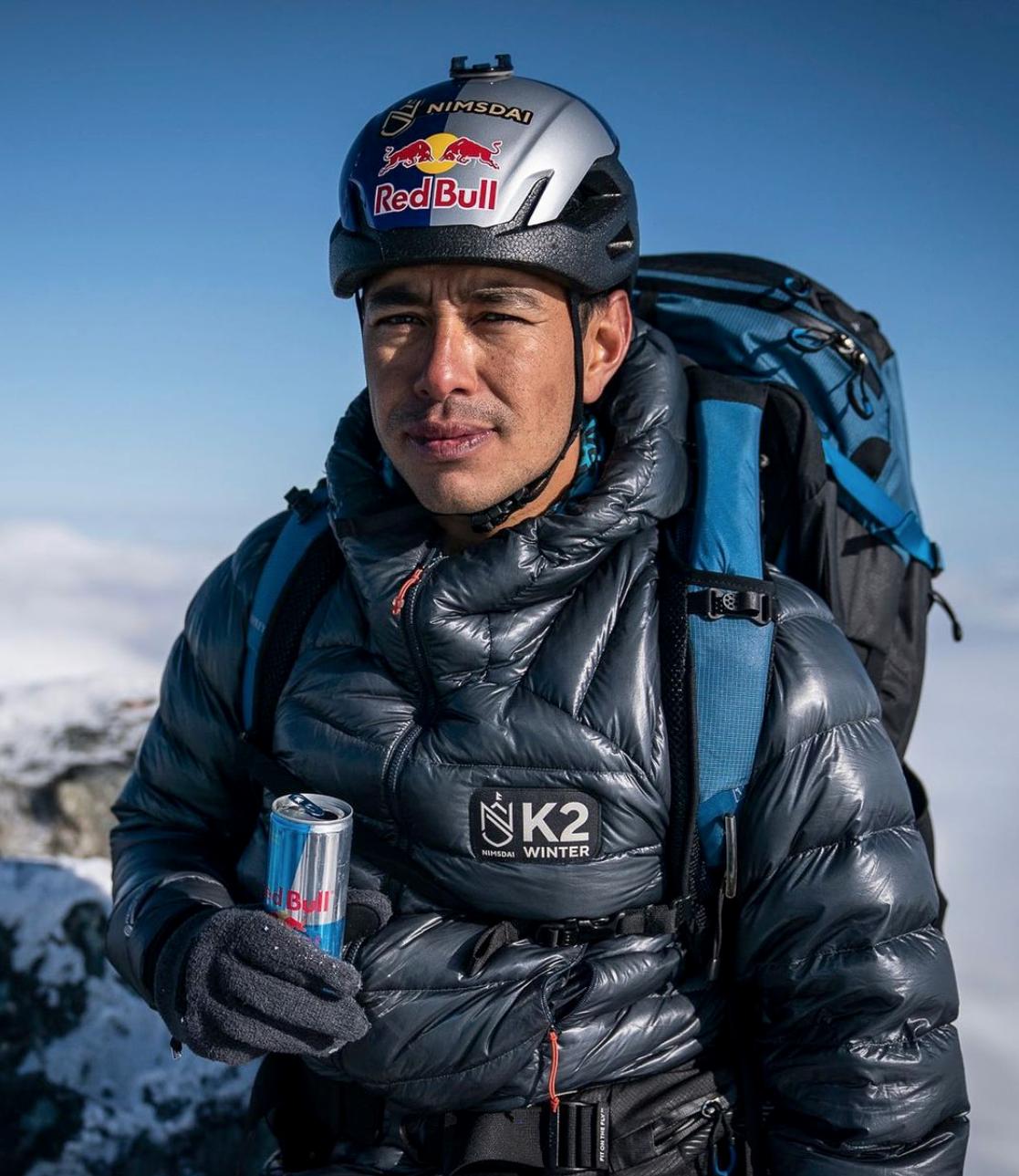
Clearly, Purja’s team would be rivals, seeking to achieve a winter summit before Snorri’s party. But both teams were well-equipped and thoroughly tested. Then, Arnold Coster from the Seven Summit Treks company arrived with an alarmingly large contingent of clients, all hoping to summit as well.
One theme clearly emerges during “The Last First.” On K2, actions have consequences—not just for one’s self, but also for other climbers.
Commercialization
Several of Bar-Lev’s witnesses directly blame Coster and his company for much of the tragedy that unfolded. In general, the documentary takes a dim view of what several talking heads refer to as the “commercialization” of the mountain.
The footage of tourists queueing to take selfies atop Everest’s summit will definitely appall many viewers, especially athletes and outdoors enthusiasts. Yet unlike Everest, there is no “easy way” up K2, especially in winter, as Seven Summit Treks’s clients eventually learned the hard way.
At least Coster deserves credit for sitting for Bar-Lev’s on-camera interview and answering tough questions, unlike Purja, who was still alive during production. Nevertheless, Coster’s attempts at damage control sound evasive and are frequently contradicted by other mountaineers who survived the 2022 winter on K2.
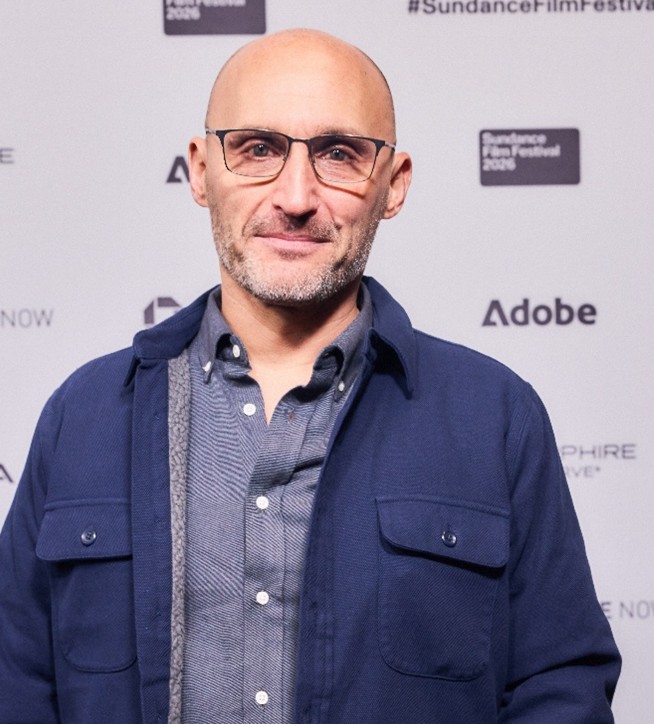
Filmmaker Elia Saikaly, who was following the Sadparas for a prospective project backed by the Pakistani government, is especially outspoken in his criticism.
Rather definitively, the evenhanded “The Last First” exonerates Purja and his Nepalese team of accusations of unethical conduct that circulated at base camp. However, the film still suggests some of Purja’s actions formed links in the chain of events that ended in several untimely deaths.
Indeed, the ugly side of human nature plays a significant role in Bar-Lev’s chronicle of disaster, including the anti-Western sentiment of Purja’s team and the nationalism of the Pakistani military, which pressured Ali Sadpara to summit for his nation’s greater glory.
Glaring Question
Watching “The Last First” prompts a rather glaring question. Aren’t sports and outdoor recreations supposed to be fun? Nothing documented in Bar-Lev’s film looks enjoyable.
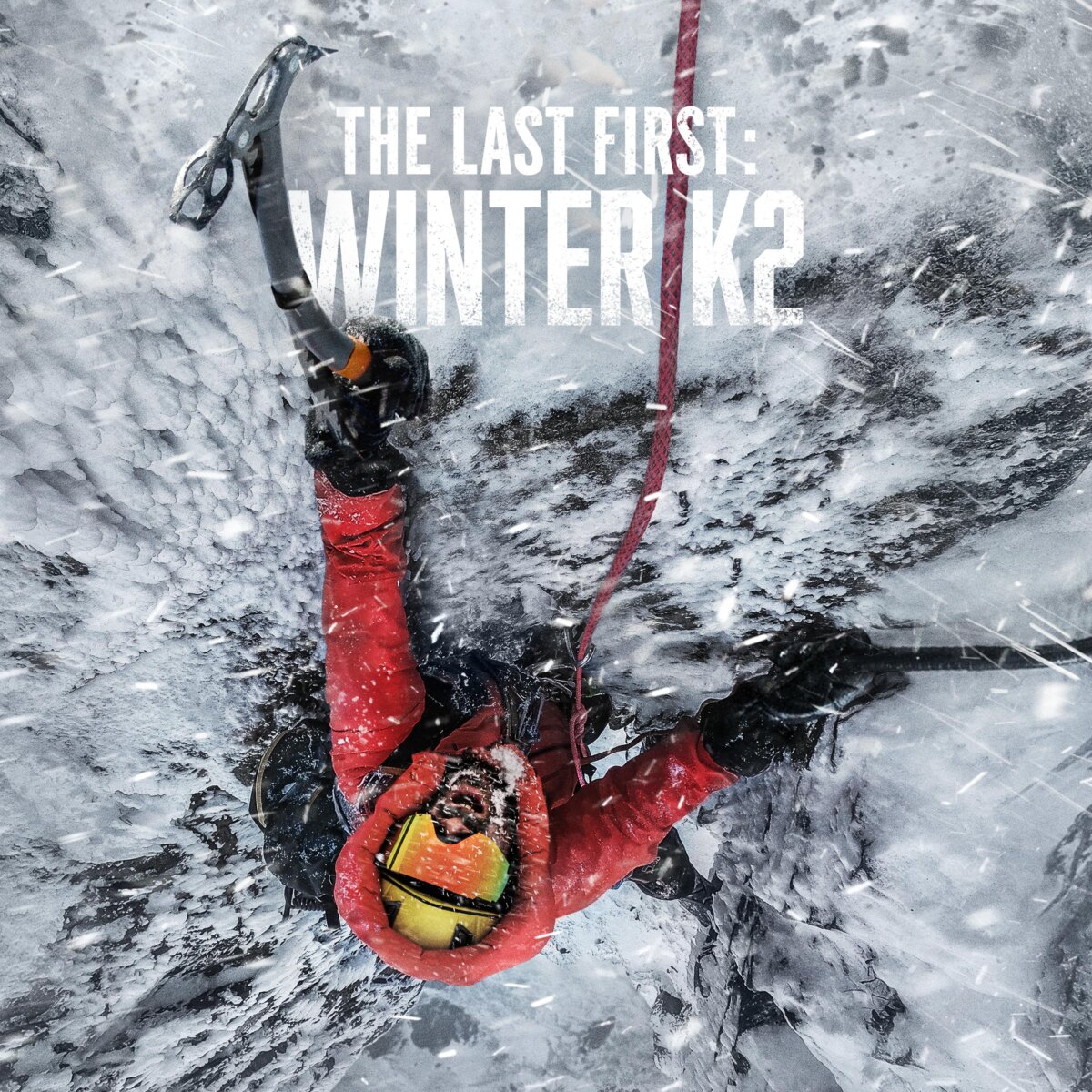
Obviously, Purja and Storri were driven by the desire to claim for mountaineering a final feat of daring in K2’s most difficult ascent. But the body count will likely overshadow that accomplishment, especially as “The Last First” finds a wider audience on Apple TV+.
In fact, Bar-Lev and editor Joe Carey have assembled a seamless chronicle. They augmented the video shot by Saikaly and other professional videographers with the ample handheld footage recorded by various climbers.
Almost every aspect of the campaign was recorded for posterity, except, mercifully, several of the deaths. That leaves very little room for doubt regarding what happened.
Indeed, “The Last First” rigorously tackles the question of accountability, starting with the climbers who were more tourists than mountaineers. Purja’s team and Coster’s company definitely take their share of flak.
Arguably, the only parties Bar-Lev lets off the hook were those responsible for the COVID-19 pandemic and the subsequent shutdown, which put Seven Summits in such dire financial straits.
If nothing else, Bar-Lev’s documentary ought to convince audiences that mountains like K2 should be left to experienced mountaineers. The film fully conveys the peak’s majesty, but also the unforgiving conditions on its slopes.
It will certainly appeal to fans of mountaineering nonfiction films, like “Meru” and “Beyond the Edge,” but it offers a more pointed perspective on the events it documents. Recommended for armchair mountaineers (in lieu of an actual K2 expedition).
“The Last First: Winter K2” releases on Apple TV+ Oct. 2.
‘The Last First: Winter K2’
Director: Amir Bar-Lev
Documentary
MPAA Rating: R
Running Time: 1 hour, 38 minutes
Release Date: Oct. 2, 2026
Rated: 4 stars out of 5
What arts and culture topics would you like us to cover? Please email ideas or feedback to features@epochtimes.nyc.