SEARCH


The Soviet intelligence agencies, the KGB and the GRU, had left the Americans and the British shaken to the core. In 1958, the CIA’s most prized asset, Pyotr Popov, a lieutenant colonel in the GRU, was caught providing secrets to the Americans (something he had done since 1953), was removed from the GRU, used as a double agent for three months, and then executed.
Britain’s intelligence branches had been betrayed by some of its top officers, specifically those known as the Cambridge Five, led by Kim Philby, who was arguably the most destructive mole in Britain’s history.
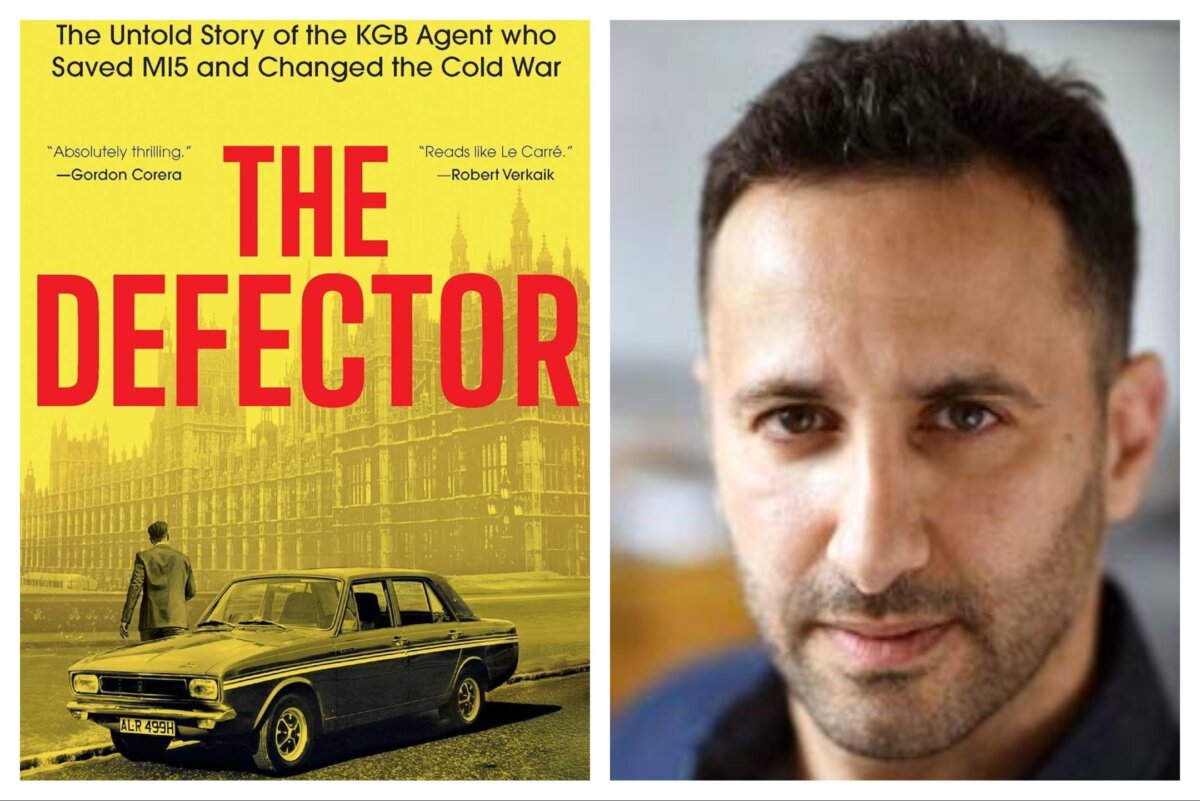
In Richard Kerbaj’s new book, “The Defector: The Untold Story of the KGB Agent Who Saved MI5 and Changed the Cold War,” he discusses these catastrophic developments in the early pages, which led to an era of paranoia within Western intelligence communities and how, as the subtitle suggests, one man rescued the Brits.
The man who came to MI5’s rescue was Oleg Lyalin, a member of the KGB whose cover was a textiles trade representative. He was relatively low-level, but his knowledge of the KGB’s plans, methods, and fellow spies, proved more than enough to alter the spy game between the British and the Soviets.
An Unconventional Defection
Lyalin was a playboy who loved women, alcohol, and partying. He had been trained by the KGB in sabotage. Ironically, while in London, it was his lifestyle that led to the sabotage of his personal life and resulted in his wreaking havoc on the Soviet intelligence apparatus.
Kerbaj explains that as Lyalin’s second marriage was quite publicly falling apart, he sought for some way to obtain a divorce. The possibility of becoming a double agent for the British seemed a possible, if unconventional, path.
Lyalin’s “walk-in” with MI5 began with his arrest for drunk driving. It is briefly described by Kerbaj, who dedicates only a few sentences to the spy’s irregular request. His request was to be expelled by the British to return home, obtain a divorce, and become an agent-in-place; though it seems Lyalin had ulterior plans to remain a loyal asset for the KGB.
The entire episode is strange but true. When MI5 debriefed Lyalin, the information proved valuable. Instead of acquiescing to his odd request, MI5 chose to retain him and pump him for more information. The information led to the expulsion of more than 100 Soviet intelligence assets. It was the answer that the British intelligence community had been seeking after the Cambridge Five debacle among other MI5 and MI6 failures.
The Paranoid Background
Although this book centers around Lyalin’s defection, it is the background in which he defects that makes his actions so important. The CIA’s paranoia and British intelligence’s incompetence accounts for most of the book—and rightfully so.
A decade before Lyalin’s defection in 1971, Anatoliy Golitsyn, a major in the KGB, defected to America. The CIA prized him, specifically James Jesus Angleton, the counterintelligence chief, as the goose who laid only golden eggs. As Kerbaj discusses, Golitsyn was valuable in the early going, despite his eccentricities and extreme demands, like his requests to meet one-on-one with President John F. Kennedy and to have his own intelligence section in the CIA. These eccentricities and demands, however, were signs of a major problem—delusion and paranoia.
Before Lyalin arrived, Golitsyn had planted seeds of extreme paranoia into the already paranoid mind of Angleton. Golitsyn made accusations against American and British intelligence officers, and British politicians, making the Soviet infiltration seem far more extreme than it actually was, which included the fabrication of a mole within the CIA named “Sasha.”
Over the years, Golitsyn’s accusations led to about 40 CIA officers being investigated, resulting in wasted resources, ruined reputations, and baseless dismissals. It also resulted in 22 defectors being turned away. Thus, when Lyalin arrived, Golitsyn attempted to discredit him.
Protecting Lyalin
Kerbaj explains how it had practically become protocol for MI5 and MI6 to brief the CIA, specifically Angleton, on certain developments, like defections. When Lyalin defected, Martin Furnival Jones, intelligence chief for MI5, decided not to share the information with Angleton. He had watched and learned how Angleton and his golden goose had continued to send his agency on wild goose chases, even against people as high up as Britain’s prime minister. The decision was prudent.
Lyalin’s defection was a devastating blow against the Soviets, who had run roughshod over British intelligence for years. And it also demonstrated how unreliable and destructive the CIA’s head of counterintelligence had become. That destructiveness eventually led to Angleton’s forced retirement, although the damage had been done. In fact, the Angleton-Golitsyn relationship was so damaging that some believed the Soviets controlled them.
The author does a fine job of intertwining these narratives to demonstrate how Lyalin’s defection—even if not in completely good faith at the onset—resulted in a complete espionage power shift during the height of the Cold War. “The Defector” is well-written, well-researched, and a rather fast read. It is an important book about a very important defector, the cost of paranoia, and the benefits of knowing when to keep one’s cards close to the vest.
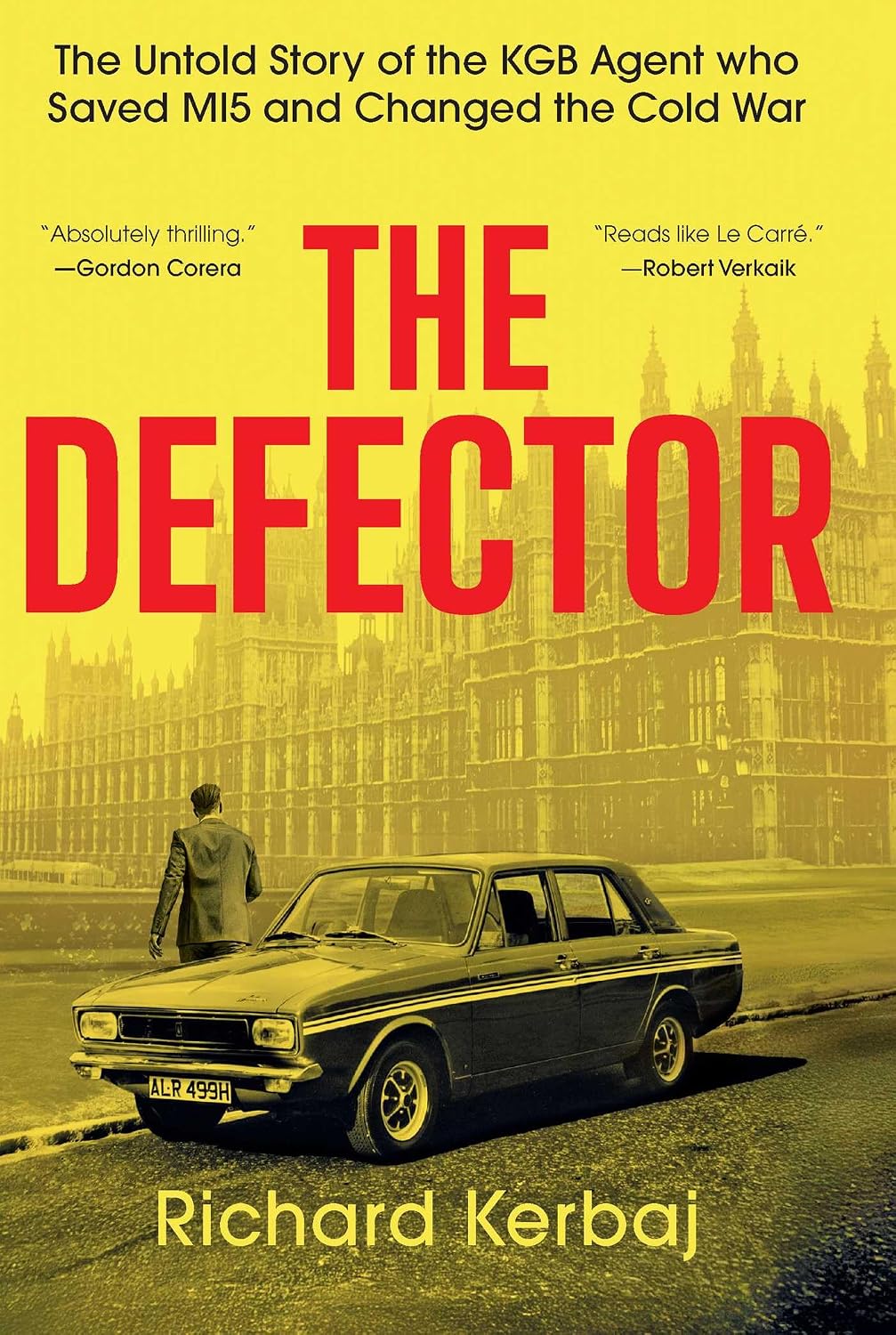
‘The Defector: The Untold Story of the KGB Agent Who Saved MI5 and Changed the Cold War’
By Richard Kerbaj
Pegasus Books: Sept. 1, 2026
Hardcover, 352 pages
What arts and culture topics would you like us to cover? Please email ideas or feedback to features@epochtimes.nyc.