SEARCH


There was iron in John Deere’s world before there was a John Deere plow.
There was the black smoke of the forge, the orange-white flare of heated metal, the ring of hammer against anvil, and the sharp smell of coal. There were horses to shoe, wagon parts to mend, and household implements to repair. A blacksmith’s hands were never clean for long. Metal left its black crescent beneath the fingernails. Heat left its mark on the face. The work demanded an eye for shape and a tolerance for repetition. Deere came from that world.
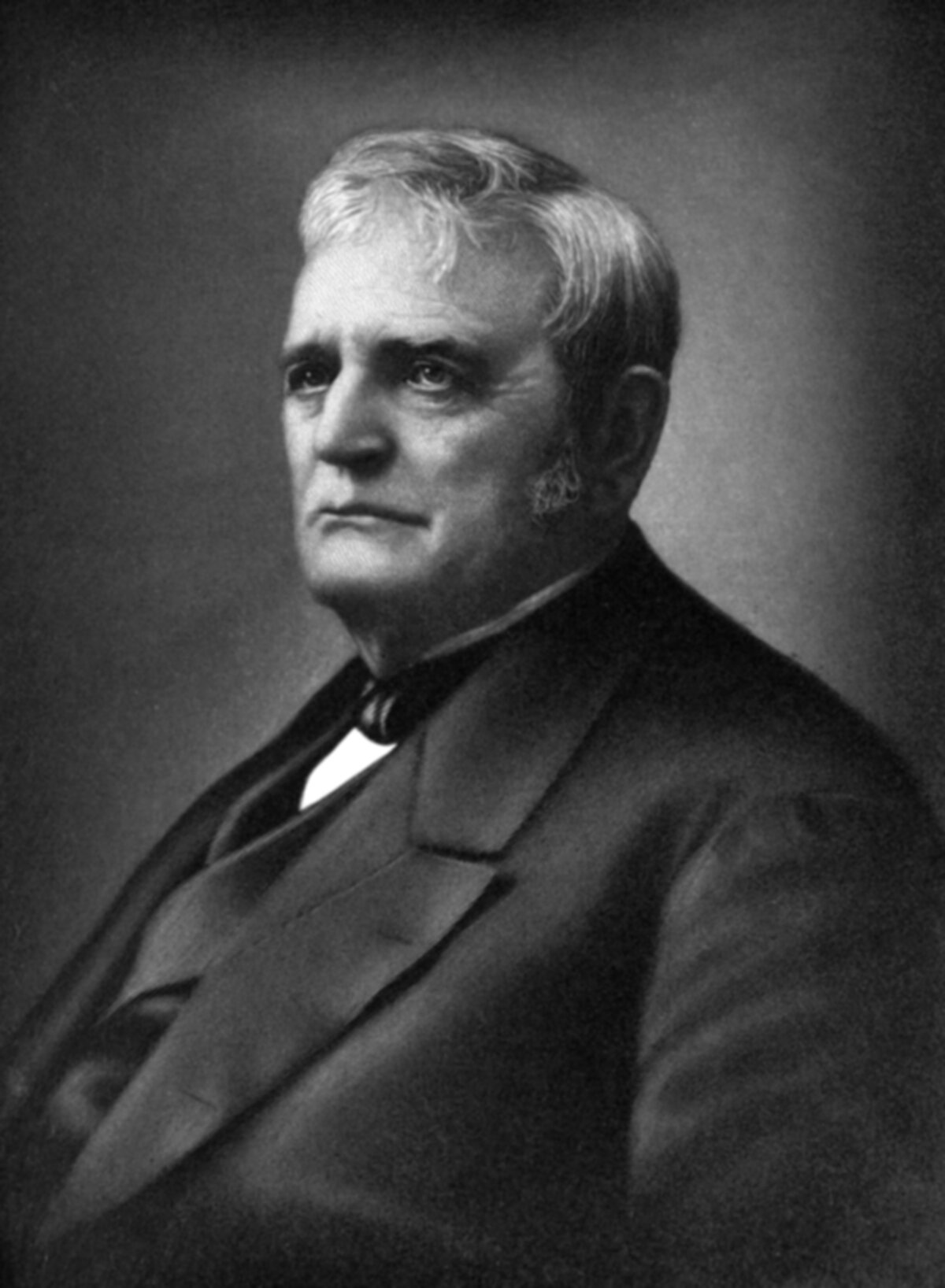
He was born in Rutland, Vermont, on Feb. 7, 1804, the third child of William Rinold Deere and Sarah Yates Deere. In 1805, the family moved to nearby Middlebury. Three years later, William Deere sailed for England, apparently hoping to claim an inheritance that might improve the family’s circumstances. He never returned and was presumed lost at sea, leaving Sarah to raise the children on limited means. John received the modest schooling available to a Vermont boy and, at 17, entered the blacksmith trade.
The Vermont Blacksmith Goes West
Deere spent his young adulthood learning the exacting business of making things that had to work. He practiced his trade in several Vermont communities and eventually established himself as a blacksmith. He married Demarius Lamb and had a growing family.
But Vermont’s economic troubles in the 1830s were bad news for a tradesman with mouths to feed. In 1836, Deere left for Grand Detour, Illinois, traveling west in search of work while his wife and children followed. He arrived with his blacksmithing tools and little money, but his trade was needed. Grand Detour had a problem that demanded a new tool.
Farmers working the prairie found that conventional cast-iron plows performed poorly in the heavy, sticky earth of Illinois. Soil clung to the moldboard. The farmer stopped, climbed down, scraped it away, and started again. Then stopped again.
Deere understood the problem because farmers brought their implements into his shop. He also understood what polished metal could do. The crucial insight was almost brutally simple: If the soil would not let go of the plow, change the surface it was touching.
The traditional Deere account holds that in 1837, while visiting a sawmill, Deere noticed a discarded steel saw blade. The blade had been polished by its repeated passage through wood. He took that scrap of steel back to his shop and began experimenting with it. Rather than simply putting a piece of steel on an old plow, he shaped the metal into a curved moldboard—the broad surface that lifts and turns the earth—and polished it further. The idea was that the slick, curved surface would give the wet prairie soil nothing to grab. Instead of packing itself onto the moldboard, the earth would slide along it and peel away.
That was the aha moment: not merely steel, but steel shaped and polished so the soil would scour itself clean as the plow moved. The cutting edge would bite into the sod while the curved moldboard turned the furrow without becoming buried beneath it.
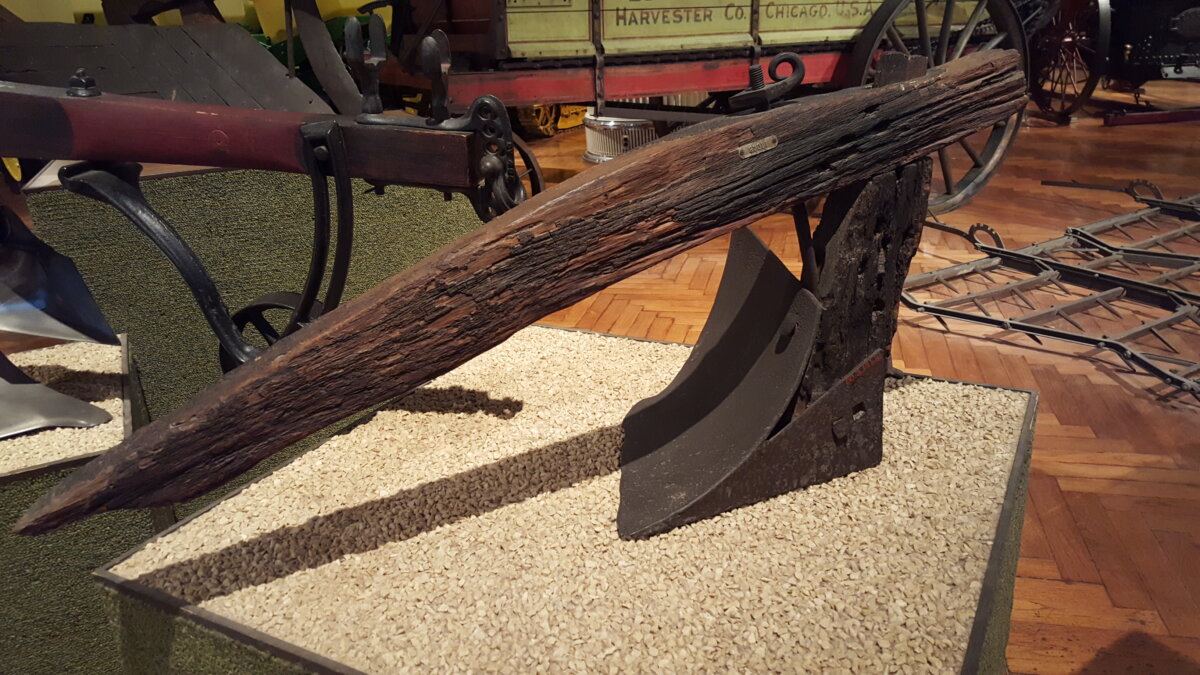
Deere built two plows the following year and 10 more in 1839. The Smithsonian holds a 1838 Deere plow from Grand Detour and identifies it as one of the early examples of the implement that made Deere’s name.
The experiment had to be proved in the field. The traditional account places Deere’s early test at the farm of Lewis Crandall near Grand Detour. There, the new plow was put into the prairie soil it had been designed to conquer. The story grew over the years, including accounts of large numbers of spectators gathering to watch, but those details are are not fully documented. There is a distinction between Deere lore and hard evidence.
That distinction is worth noting. Deere did not invent the plow. He did not single-handedly invent the concept of steel agricultural implements. His achievement was more practical and, ultimately, more important: He developed a commercially successful steel plow suited to the particular conditions of the American prairie.
From Grand Detour to Moline
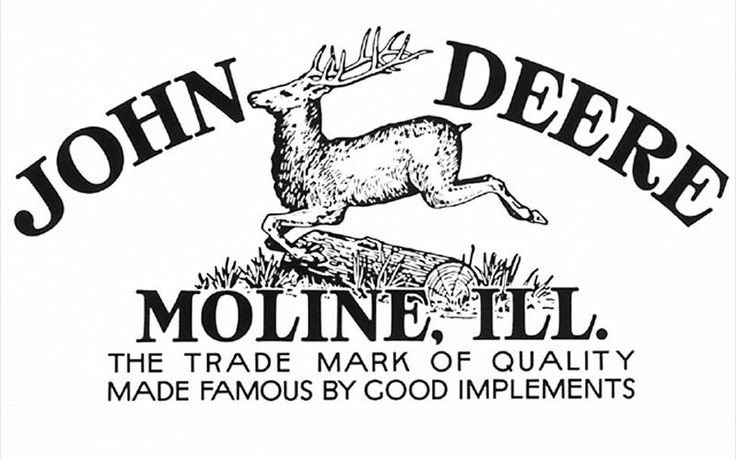
By 1841, Deere was producing roughly 100 plows a year. In 1843, an agreement with local businessman Leonard Andrus helped put Deere firmly into the plow business. Five years later, Deere, Leonard Andrus, and other partners moved the operation to Moline, Illinois, where the Mississippi River offered transportation and industrial advantages. By 1849, a new factory was operating, and production had expanded dramatically.
Moline was becoming an industrial town, and Deere understood what that meant. The business was no longer merely a blacksmith’s shop producing implements for neighbors. It was becoming a manufacturing concern with regional ambitions.
Deere’s name began appearing on a product that farmers judged by the oldest standard in the world: whether it worked when it hit the ground.
Yet Deere continued refining the implement and expanding the business. By the late 1850s, his son Charles was assuming an increasingly important role of managing the business. John Deere remained central to the company while devoting increasing attention to civic affairs and other interests. In 1868, the business was incorporated as Deere & Company.
The founder’s life in Moline expanded beyond manufacturing. He was involved in banking and the First Congregational Church and served as mayor of Moline beginning in 1873. During his tenure, he was associated with infrastructure projects and public-health measures. The man who had once worried about making a living at a Vermont forge had become one of the city’s leading citizens.
Deere died at his Moline home on May 17, 1886, at 82.
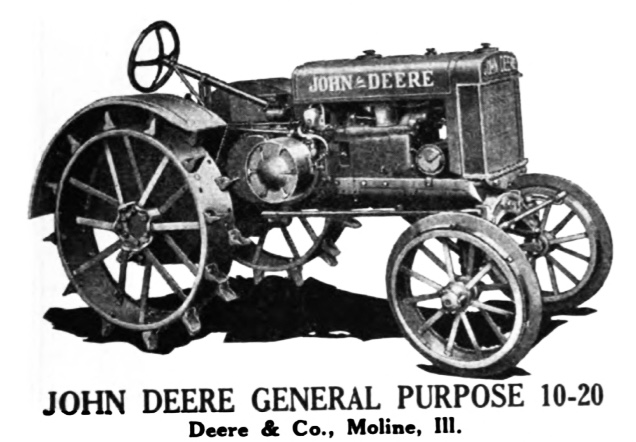
His company had already outgrown its founder. Under Charles Deere and subsequent generations of leadership, Deere & Company expanded from plows into a broad range of agricultural machinery.
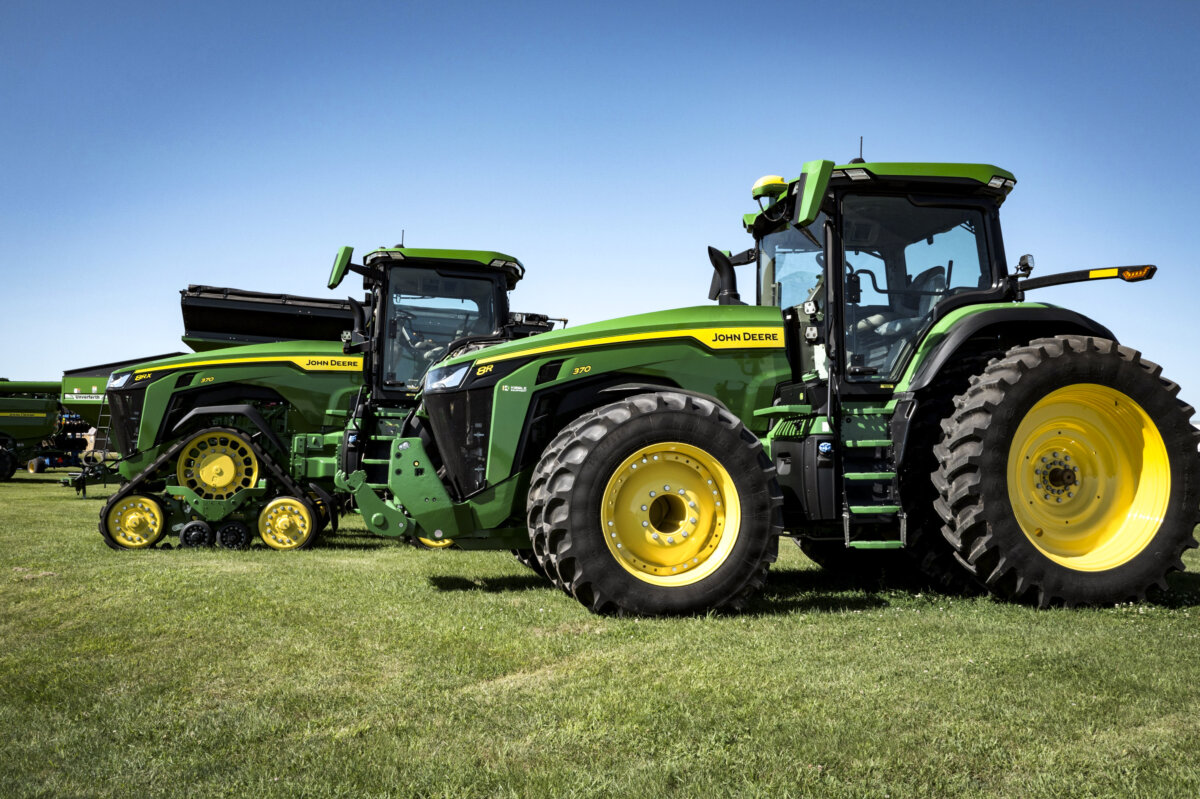
The man himself was a 19th-century blacksmith, born in Vermont when agriculture was still overwhelmingly dependent on muscle, animals, and hand tools. The corporation that inherited his name eventually manufactured machines unimaginably distant from his little forge.
A farmer had a problem and a blacksmith looked at the metal, looked at the dirt, and tried something different.
What arts and culture topics would you like us to cover? Please email ideas or feedback to features@epochtimes.nyc.