SEARCH


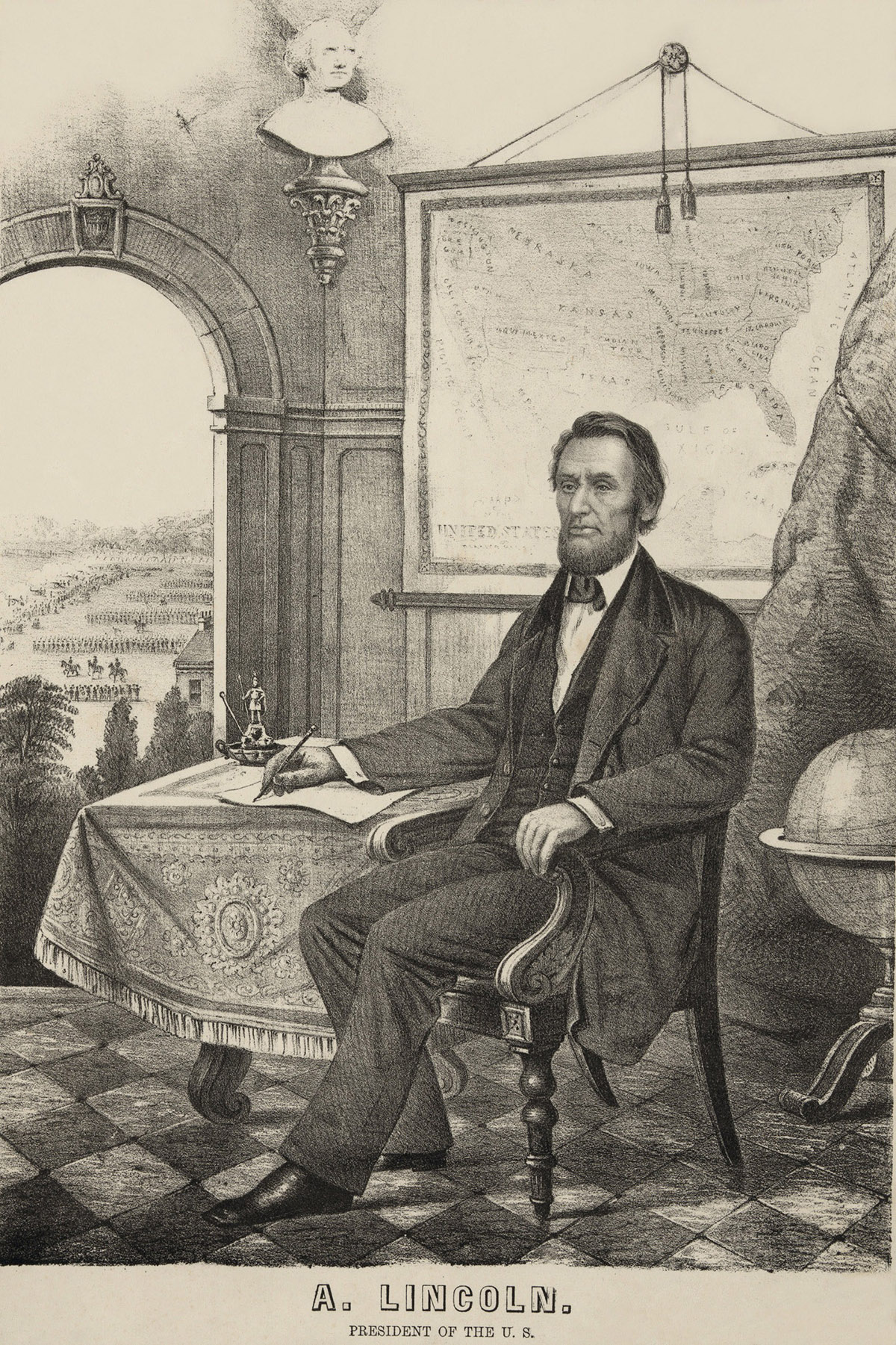
When we think of presidents and first ladies, we usually imagine them as they appear in histories and biographies, paintings and photographs, and—in the past century—in newsreels and online. There’s George Washington, erect and dignified; Jefferson poring over a book; Dolley Madison rescuing Washington’s portrait from the British; Abraham Lincoln at Gettysburg; Eleanor Roosevelt at her typewriter; and George W. Bush in a classroom when he first heard about the terrorist attack on the World Trade Center.
Rarely, however, do we think of our presidents and first ladies as spouses or mothers or fathers, reading a book to a child, enjoying hot chocolate with the family, or cracking jokes with their spouses. Even more rarely do we think of their reactions when some personal disaster struck 1600 Pennsylvania Ave. NW in Washington—the death of a child or a spouse and the heartbreak and tears that followed, tragedies that are a part of the human condition.
Once we open this door into their private lives, we find they have some things to teach us about loss and grief.
Nothing Will Ever Again Be the Same
In February 1862, 11-year-old William Wallace Lincoln, affectionately called “Willie,” died in the White House, likely from typhoid fever. Elizabeth Keckley, a freed slave who designed Mary Lincoln’s wardrobe, washed and dressed the boy’s body for burial. Later, she recalled watching Lincoln weeping over his son, “His tall frame convulsed with emotion.” Mary was so devastated by her boy’s death that she was unable to attend the funeral and burial. She was, as Keckley noted, “an altered woman.”
“She never crossed the threshhold of the Guest’s Room in which he died, or the Green Room in which he was embalmed,” Keckley said.
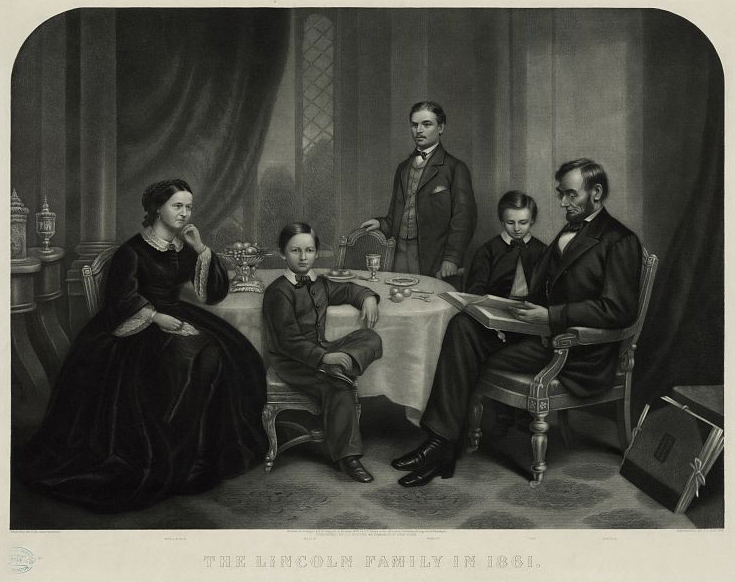
Others noted a profound change in the president as well. Artist Alban Jasper Conant, who attended the same Presbyterian church as Lincoln, wrote: “Ever after there was a new quality in his demeanor—something approaching awe. I sat in the fifth pew behind him every Sunday in Dr. Gurley’s church, and I saw him on many occasions, marking the change in him.”
Lincoln was by far stronger than his wife in their grief. For the next three years, he directed the war efforts of the Union, yet he never forgot Willie. After the war had ended, and on the very day he was assassinated, Lincoln told his wife: “We must both be more cheerful in the future. Between the war and the loss of our darling Willie we have been very miserable.”
In the years following her husband’s assassination, and still grieving Willie’s death, Mary Lincoln became a broken woman and was at one point committed to an asylum for the insane. Had Lincoln lived, she likely wouldn’t have traveled this path.
Grief cuts deeply into us, just as it did into the Lincolns. How we treat and bandage those wounds will shape who we are and what we will become.
Behind the Façade
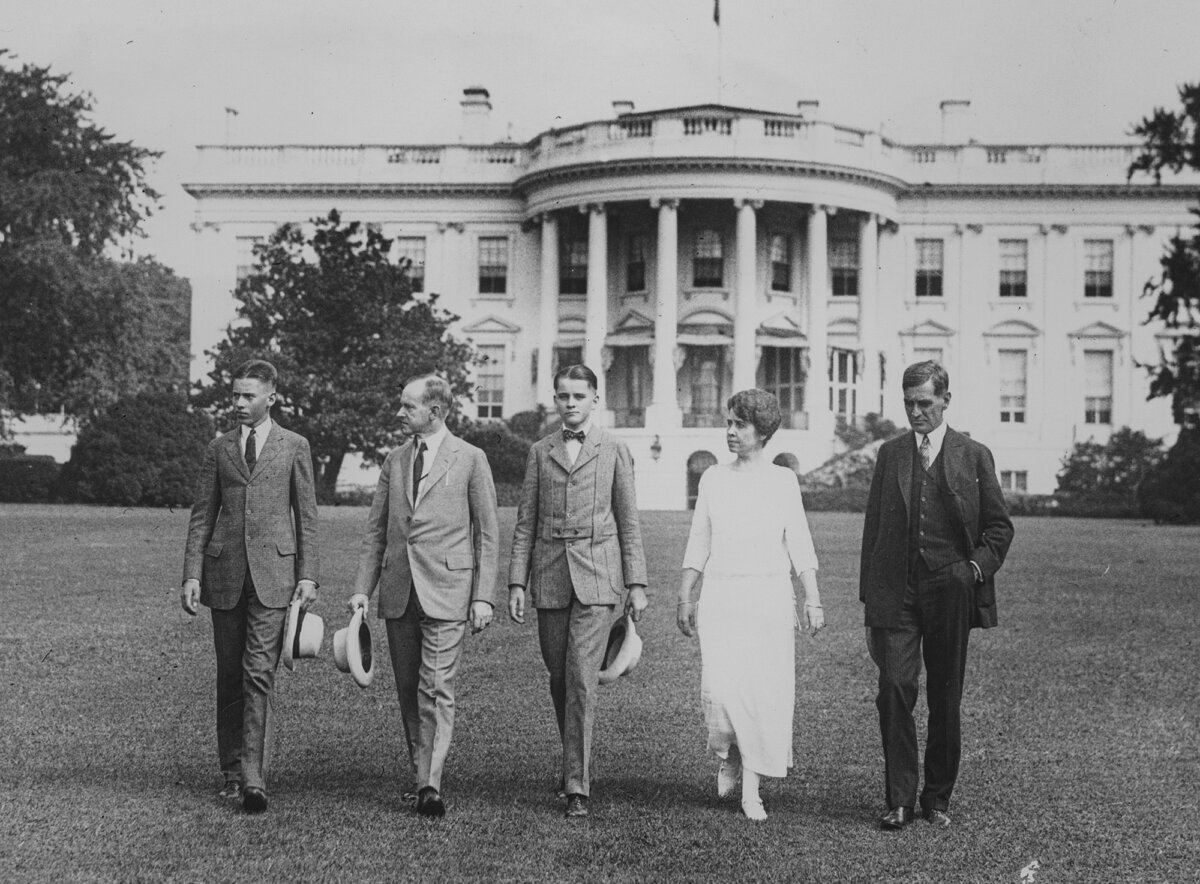
With the temperatures in Washington breaking 90 degrees on a June day in 1924, 16-year-old Calvin Coolidge Jr. decided to go sockless and wear only his sneakers when playing tennis with his brother on the White House court. Afterward, he developed a blister that grew to the size of a quarter, and soon, red lines of infection were running up his leg. Limping and feverish—this was in the days before antibiotics—he entered Walter Reed Army General Hospital. On July 7, he died in the arms of his father, then president of the United States.
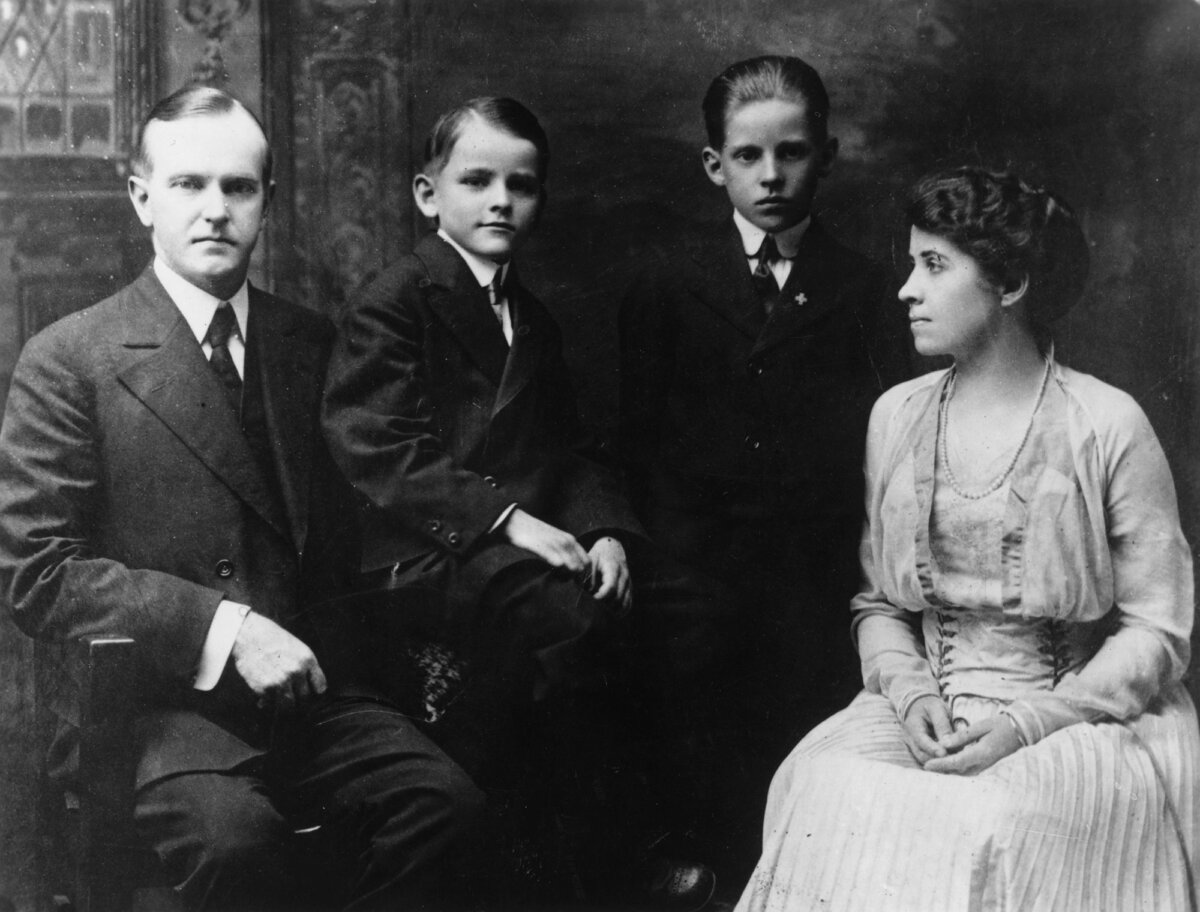
“Silent Cal” Coolidge’s reputation for stoicism was nowhere to be seen at his son’s deathbed. One of the attending physicians, Dr. John Kolmer, later wrote: “It is commonly stated that President Coolidge is ‘cold as ice,’ but I had the opportunity of seeing him in his hour of grief and to know quite otherwise. Indeed, it was the most touching and heart-rending experience of my whole professional career.”
Cal Jr.’s death was a massive blow to his father. The energy that had marked his presidency was diminished, and his staff sometimes found him weeping at his desk. Written after leaving the Oval Office, his autobiography only briefly references his son’s death, yet one comment speaks volumes: “When he went, the power and glory of the presidency went with him.”
There’s an implicit lesson here regarding the appraisal of others. We see the outside of a person—the grocery store florist who greets customers with a smile, the nurse in my doctor’s office—without ever knowing that the florist’s beloved spouse has recently died or that the nurse, not yet 30, has buried a husband.
Grief Needs a Listening Heart
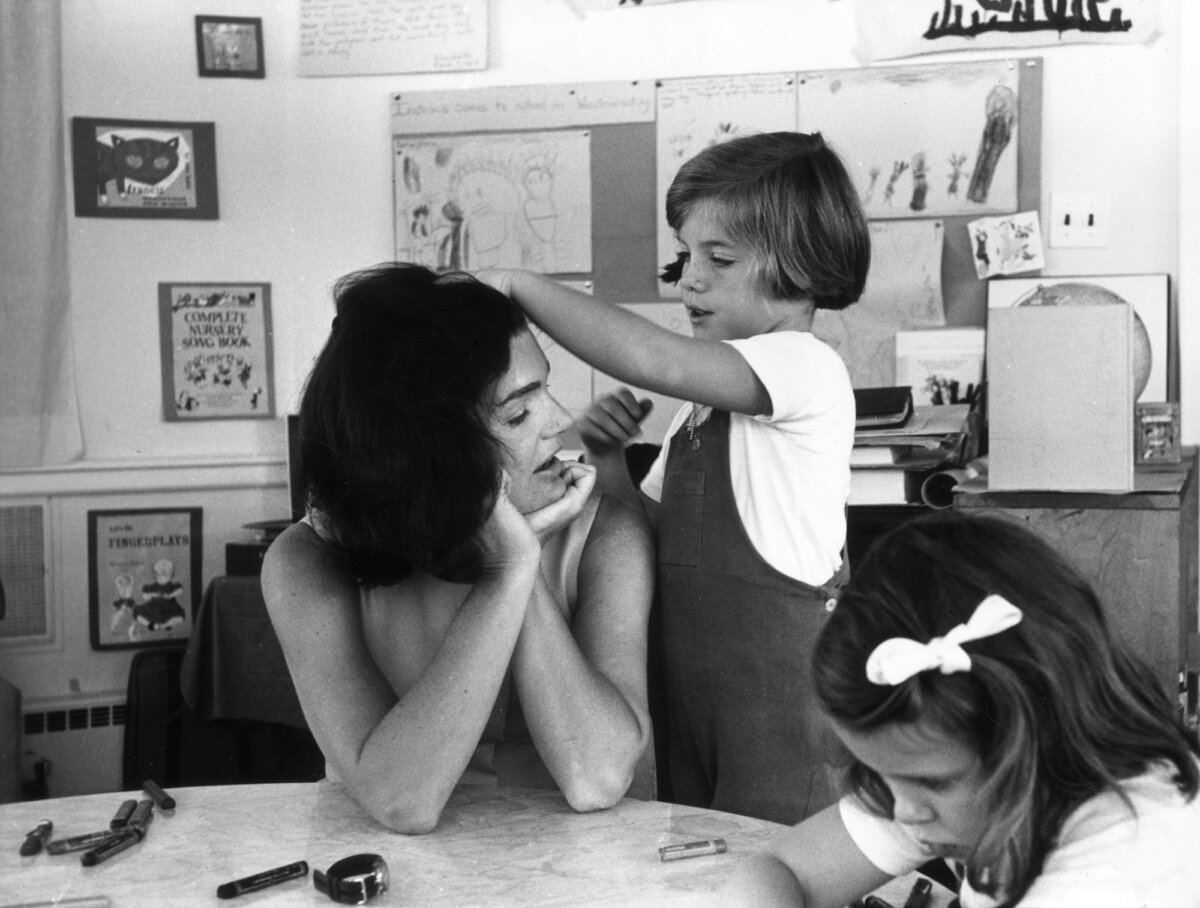
Those who have lost a loved one know well the crucial importance of the support and presence of others. Presidents and first ladies are no different. For months after her husband was assassinated, for instance, Jackie Kennedy received enormous emotional support from her sister, Lee Radziwill.
Perhaps the most unusual example of White House solace came to Mary Lincoln following her husband’s assassination. Spurned and often mocked by many of Washington’s leading men and women, Lincoln might have faced her grief in solitary agony were it not for her previously mentioned dressmaker, Elizabeth Keckley. They had come to know each other so well that when asked after the shooting whom she wished to see, Lincoln responded: “Yes, send for Elizabeth Keckley. I want her just as soon as she can be brought here.” Keckley proved an enormous comfort to the grief-stricken first lady.
These examples, and there are many more of them, remind us to reach out to others in their pain and sorrow.
A Hidden Healing Power of Grief
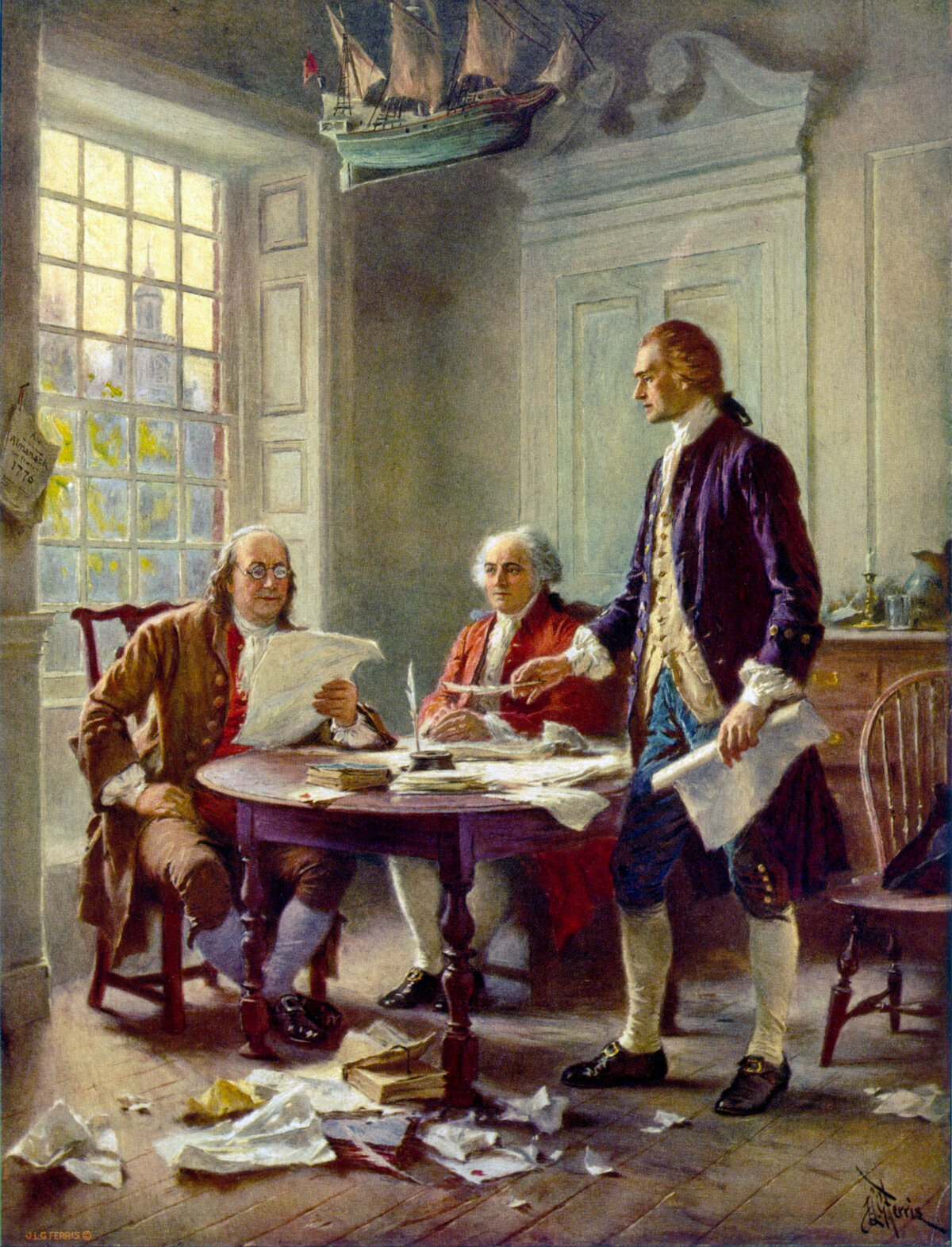
In 1804, Abigail Adams received word that Thomas Jefferson’s daughter, Polly, had died from complications due to childbirth. Years earlier, when Abigail, her husband, John, and Jefferson were in Paris together on diplomatic missions, the two families developed a friendship. On her way to join her father, Polly Jefferson stayed for a time with Abigail in London, where the two developed a close relationship.
Politics had since driven a wedge of silence and dislike between Jefferson and Adams. Yet when Abigail learned of Polly’s death, she broke that barrier and wrote to her old friend, now the president: “Reasons of various kinds withheld my pen, untill the powerfull feeling of my heart, have burst through the restraint and called upon me to shed the tear of sorrow over the departed remains of your beloved and deserving daughter, an event which I most sincerely mourn. … The tender scene of her seperation from me rose to my recollection when she clung around my neck and wet my Bosom with her tears saying, ‘O! now that I have learnt to Love you, why will they tear me from you.’”
Moved by her letter, Jefferson responded with affection. Their ensuing correspondence lasted only a year before politics and recriminations once again drove them apart, yet in 1812, John Adams, following his wife’s earlier lead, wrote to Jefferson and so revived one of the most famous correspondences in American history. Abigail’s letter of condolence had surely helped clear the road for that renewed friendship.
An End Note From Lincoln
In December 1862, with Union prospects of victory looking dismal and still suffering the wounds left by Willie’s death, Abraham Lincoln wrote to Fanny McCullough, the daughter of a good friend who had fallen in combat. Below is the letter, with some final wisdom to take away from our White House classroom:
“It is with deep grief that I learn of the death of your kind and brave Father; and, especially, that it is affecting your young heart beyond what is common in such cases. In this sad world of ours, sorrow comes to all; and, to the young, it comes with bitterest agony, because it takes them unawares. The older have learned to ever expect it. I am anxious to afford some alleviation of your present distress. Perfect relief is not possible, except with time. You can not now realize that you will ever feel better. Is not this so? And yet it is a mistake. You are sure to be happy again. To know this, which is certainly true, will make you some less miserable now. I have had experience enough to know what I say; and you need only to believe it, to feel better at once. The memory of your dear Father, instead of an agony, will yet be a sad sweet feeling in your heart, of a purer and holier sort than you have known before.”