SEARCH


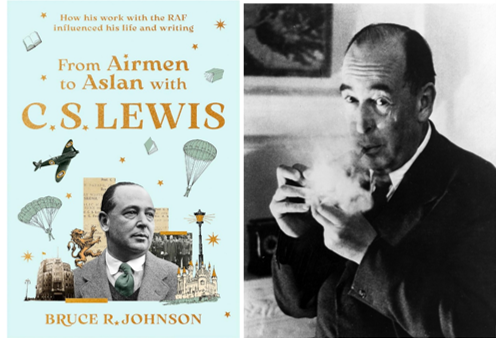
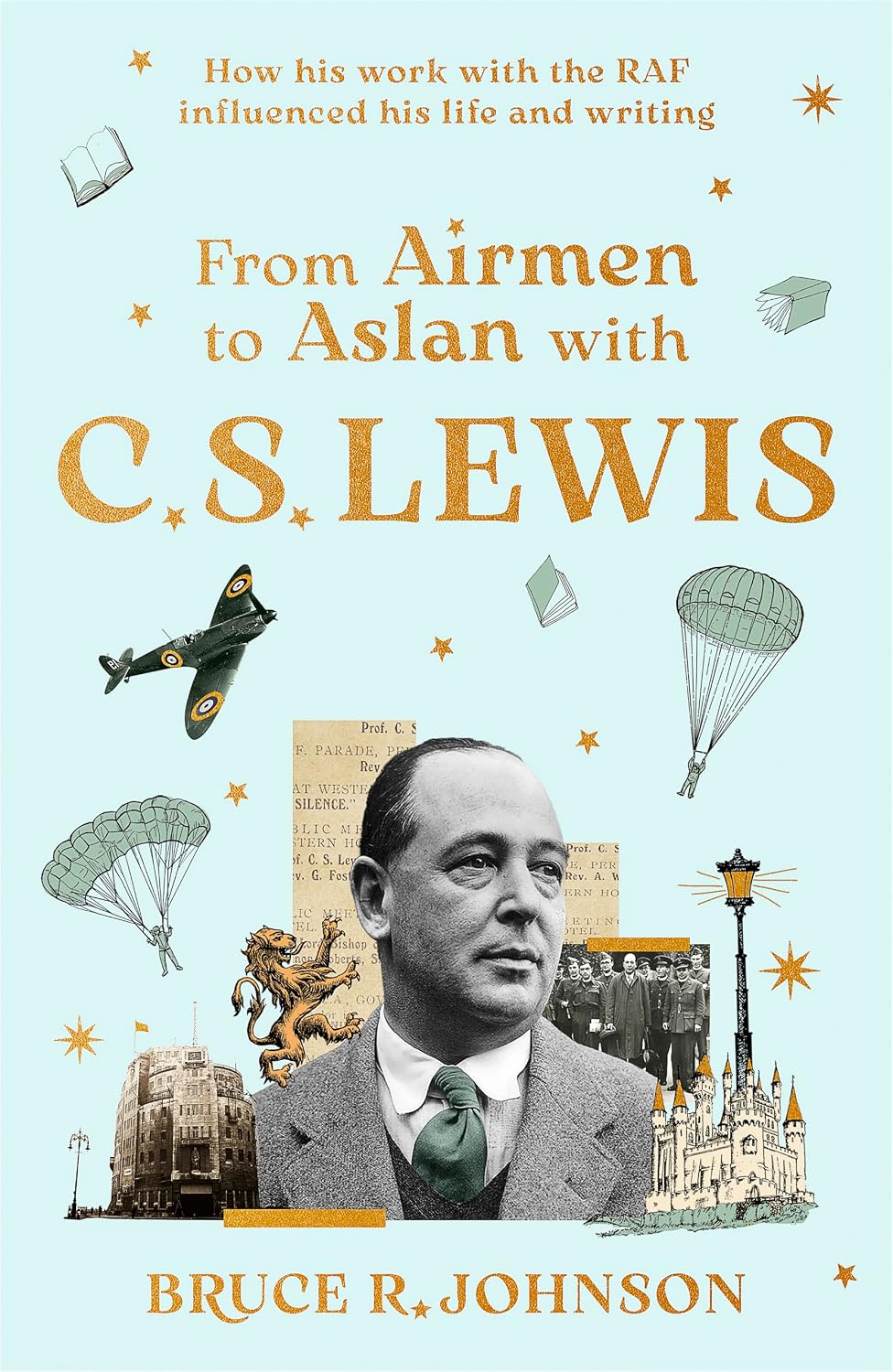
Most people have heard of British author C.S. Lewis, but Bruce R. Johnson’s new historical book, “From Airmen to Aslan With C. S. Lewis,” explores a little-known chapter of his life.
As 1939 began, C.S. “Jack” Lewis was an obscure, well-respected Oxford don, a fellow and tutor in English literature at Magdalen College. He’d published two works of fiction, the Christian allegory “Pilgrim’s Regress” and “Out of the Silent Planet,” the first volume of his science fiction “Space Trilogy.” Both had garnered respectable sales.
When 1945 ended, Lewis was the best-known Christian apologist in Britain. He’d written the fiction bestseller “The Screwtape Letters.” He’d also penned five well-received books of Christian apologetics, three of which were later combined in “Mere Christianity,” as well as “The Abolition of Man,” an influential criticism of contemporary values. He’d finished the last two books of his “Space Trilogy.”
Lewis wanted everyone to understand his writing, not just the intellectual elite. He honed his writing skills during the war years. In 1941, the Royal Air Force (RAF) recruited Lewis to talk to airmen about Christianity, which he did for the next four years.
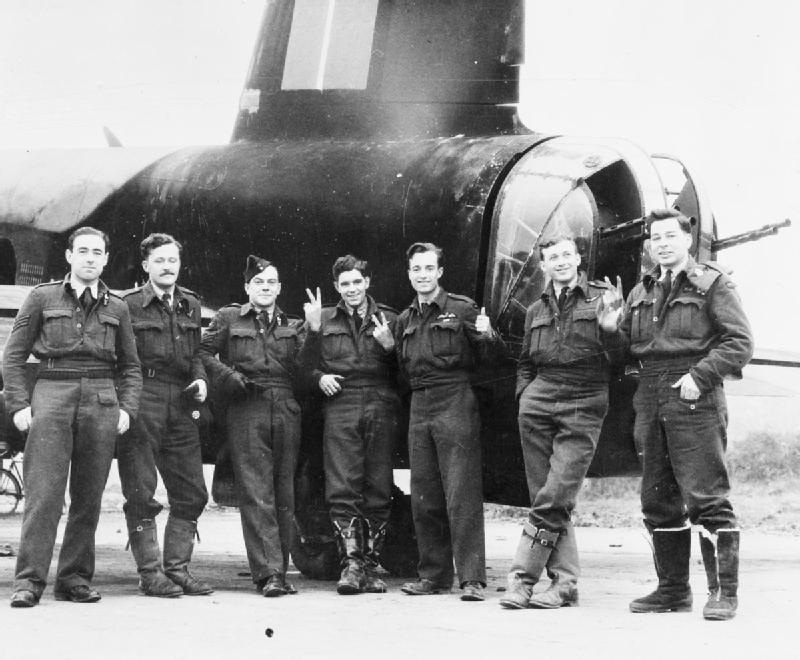
WWII
This book tells how Lewis’s interaction with the RAF and other wartime experiences altered his life and his writing. It charts his rise as a popular author, a process forged during World War II.
Lewis was 40 when the war broke out in 1939. In World War I, he’d served as an officer in the Western Front trenches, but he was subject to military call-up until he was 42.
Lewis wanted to serve his country but not as an infantryman again. He volunteered to train officers, which was rejected. He then joined the Oxford Home Guard, a militia, and hosted teenage children evacuated from London at his Oxford home. These experiences exposed him to people he wouldn’t normally have encountered as a university professor.
Radio Talks
After writing the Christian apologetic “The Problem of Pain” in 1940, Lewis was invited by the BBC to give radio speeches on Christianity in 1941. In turn, Johnson shows that this brought him to the attention of Walter Robert Matthews, dean of St. Paul’s Cathedral in London.
When Maurice Edwards, chaplain-in-chief of the RAF, received funding for a traveling lectureship for the RAF, Matthews suggested Lewis for the role. Edwards went to Oxford to recruit Lewis. Initially reluctant, Lewis finally agreed.
His first talk at RAF Abingdon on April 10, 1941, proved a failure. Abingdon was only a few miles from Oxford, but its general audience was far removed from the academic audience Lewis normally addressed. He failed to connect with the airmen.
Lewis learned from the experience. After that, he used his WWI service to provide examples relevant to the men he was addressing. He learned their technical language to understand them better.
Touring Bases
For the rest of the war, Lewis toured RAF bases throughout Great Britain. He gave frequent talks, lectures, and question-and-answer sessions. He did this while continuing to give radio broadcasts on Christianity and publishing 10 books. He led efforts to aid British POWs (including corresponding with some) and continued to teach at Oxford.
He also taught at an RAF Chaplains’ School at Cambridge. Much of this was done gratis. He donated earnings from his radio talks to charity and only accepted reimbursement for his expenses for his RAF work.
This book is as much a history of the RAF Chaplains Branch as it’s a biography about Lewis. Lewis served as a lay minister with the RAF.
Johnson feels that the RAF Chaplaincy’s history has been neglected, so he sees this book as an opportunity to bring it before the public. He offers insight into the attitudes of RAF commanders and its enlisted personnel toward their “Bible punchers” and “sky pilots,” as they nicknamed their chaplains, and he shows the challenges Lewis faced in reaching his RAF audience.
Narnia
Johnson also shows how Lewis’s WWII experiences shaped his “Chronicles of Narnia” series. Tumnus the Faun owes some of his personality to the airmen Lewis met. One airman Lewis corresponded with was future science fiction writer Arthur C. Clarke, then a radar specialist in the RAF. Narnia’s children were younger versions of the teens he sheltered. One in particular, June Flewett, was the inspiration for Lucy.
For Lewis fans, whether of his apologetics, his science fiction, or his fantasy work, this is a must-have book. It sheds light on a critical period of his life.
“From Airmen to Aslan” also reveals much about the attitudes of mid-20th-century Britain and shows what civilian life was like. This is very much a book centered on Christianity.
‘From Airmen to Aslan with C. S. Lewis: How His Work with the RAF Influenced His Life and Writing’
By Bruce R. Johnson
SPCK Publishing: Nov. 17, 2026
Hardcover, 256 pages
What arts and culture topics would you like us to cover? Please email ideas or feedback to features@epochtimes.nyc