SEARCH


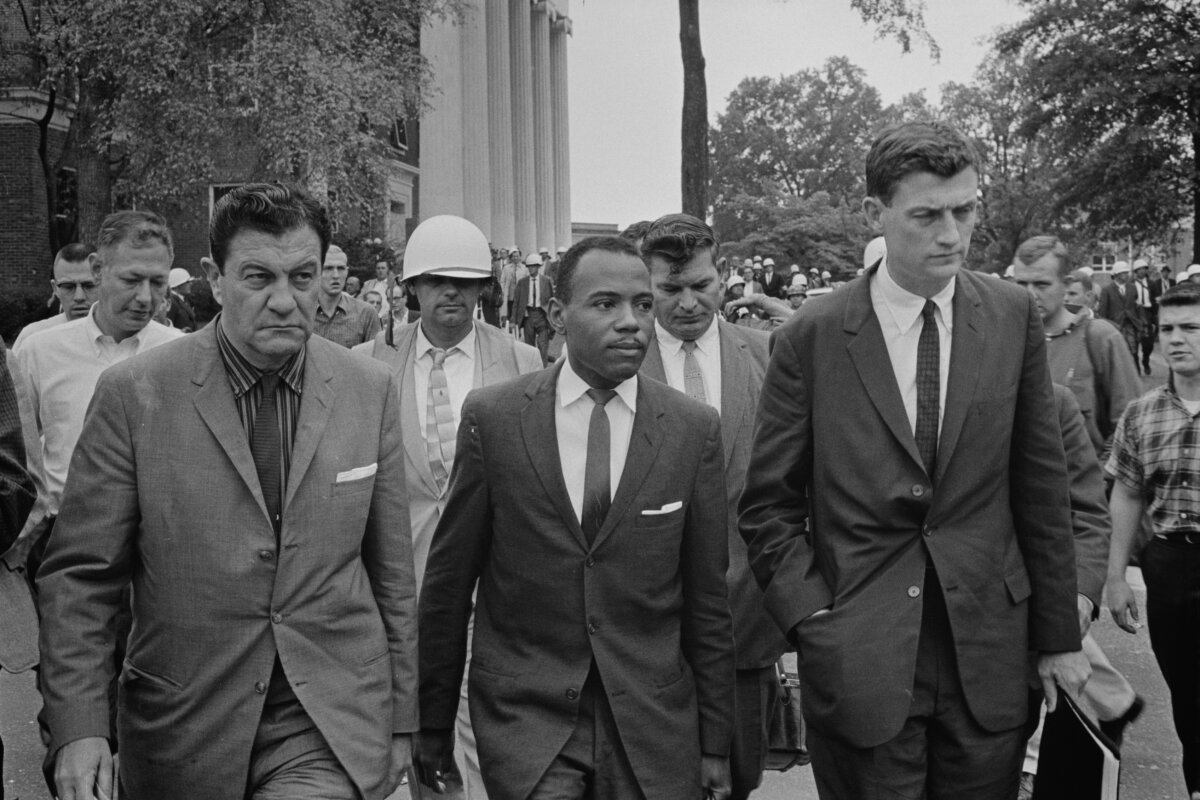
On Sept. 30, 1962, when it was announced that James Meredith would be permitted to enroll at the University of Mississippi, riots broke out on the campus.
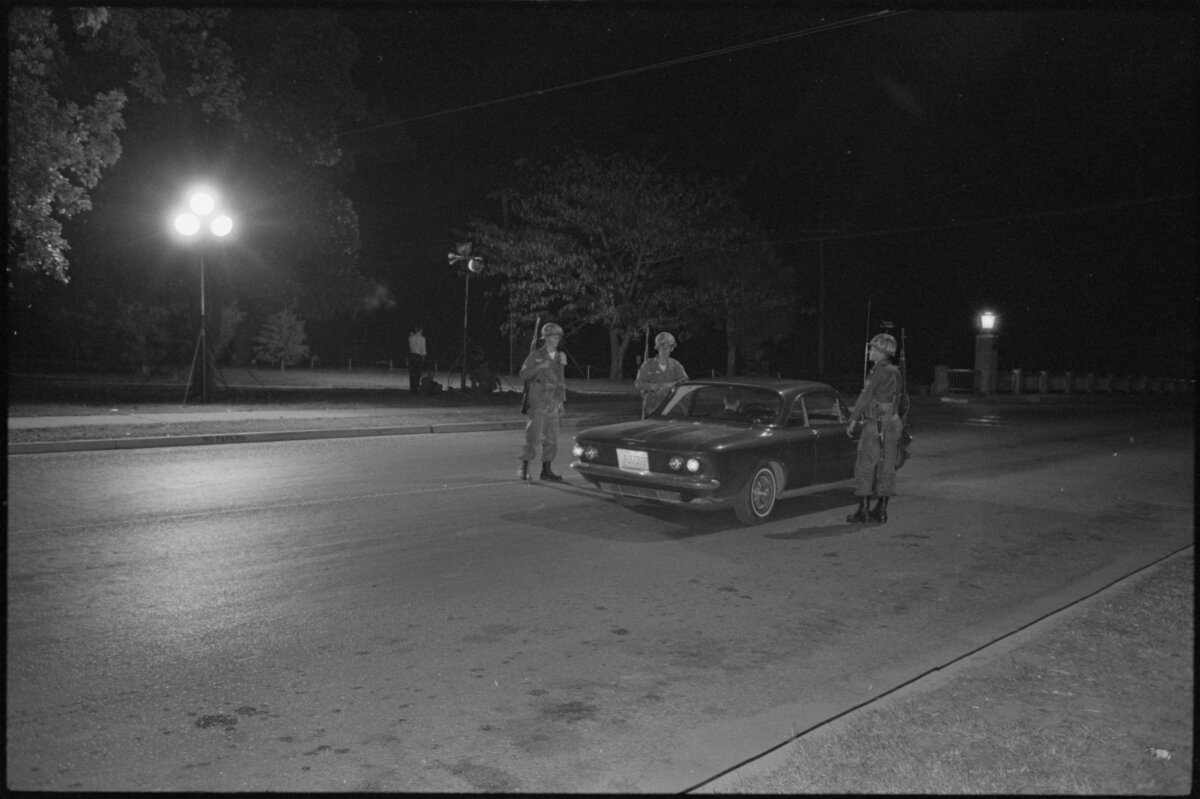
In what some historians and commentators called the “last battle of the Civil War,” more than 2,000 students and outsiders, some of them armed with guns and Molotov cocktails, attacked the federal marshals dispatched to guard Meredith. The fighting continued throughout the night, with the mob surrounding the university’s administration hall, the Lyceum, firing off shots and threatening to break inside the building.
In this furious melee, two onlookers—one a reporter and the other a local curiosity-seeker—were killed by gunfire, 206 federal marshals and soldiers were injured, and 200 rioters were arrested. Only with the arrival of federal and National Guard troops—the numbers of soldiers sent to keep the peace would soon climb to 30,000—was calm restored. On that same day, Oct. 1, heavily protected by federal marshals, Meredith became the first black person ever to enroll in classes at Ole Miss.
The Man Who Broke the Barrier
Born in 1933, Meredith grew up surrounded by brothers and sisters on his family’s farm in Attala County, Mississippi. After high school, he enlisted in the Air Force, which, as the newest branch of the armed forces, he deemed less prejudiced against blacks. He served honorably for nine years.
It was during this time that Meredith became determined to break the bonds of segregation by entering the university of his home state. He returned home, entered the all-black Jackson State College in 1960 and, after two years, applied for admission to Ole Miss. After being rejected, clearly for reasons of race, he filed a lawsuit demanding admission with the help of the National Association for the Advancement of Colored People (NAACP). The suit made its way through the courts, and on Sept. 10, 1962, the Supreme Court ruled that the university must allow Meredith to enroll in classes.
With this announcement, on Sept. 29, Governor Ross Barnett threw gasoline on the fires of resentment and racism smoldering in his state with an incendiary speech delivered at halftime during an Ole Miss football game. With rumors swirling and with the arrival of Meredith on campus, the rioting broke out the next day.
Enduring Hatred and Malice
The violence had ended, but Meredith’s ordeal was only beginning. During his first year at the university, he lived in his dorm room alone except for the marshals who constantly protected him, a solitude relieved only by the arrival of another black student in June. He was frequently the target of racial taunts and slurs as he walked to his classes, he ate his meals alone in the dining hall, and he was ostracized in the classroom.
Because of credits previously earned, Meredith graduated in August 1963 with a degree in political science. For a year, he attended the University of Ibadan in Nigeria, then entered Columbia University’s law school and graduated there in 1968.
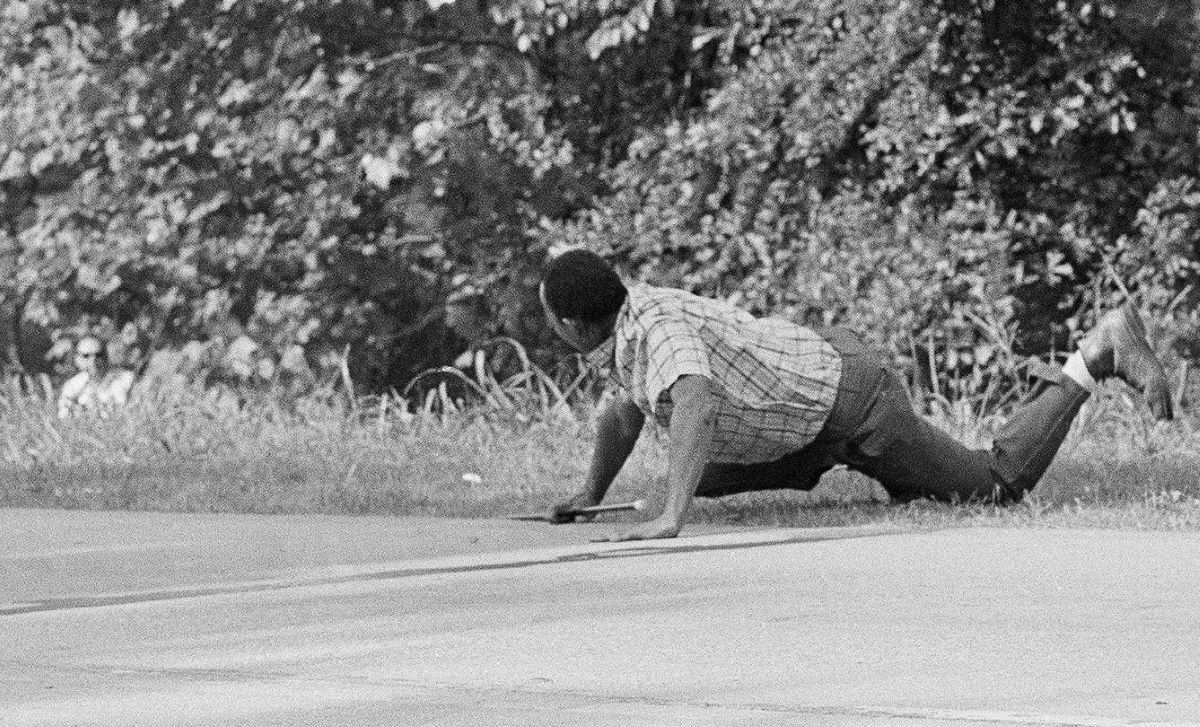
In 1966, Meredith singlehandedly organized a “March Against Fear,” inviting other blacks to join him on a three week trek from Memphis to Jackson, Mississippi, to promote the importance of black voting and to highlight continuing problems of race. On the second day of this march, an assailant wounded him with a shotgun. Other civil rights leaders took Meredith’s place, and before the march had reached its destination, he was sufficiently recovered to rejoin it. Once again, he displayed his characteristic courage.
Nobody’s Man but His Own
During the tumultuous ’60s and afterward, Meredith remained a controversial figure. He was fiercely independent of ideology and activist groups. After law school, he became a stockbroker and a Republican. Several times, he ran unsuccessfully for political office. In 1988, he pointed to white liberals as “the greatest enemy” of blacks.
He further astonished liberal activists when he joined the staff of U.S. Senator Jesse Helms, a staunch conservative who had originally opposed the civil rights movement. When asked why he had signed on with Helms, Meredith replied that the North Carolinian was the only senator who had accepted his application. Later, perhaps tongue in cheek, he wrote that he left Helms because he “was too liberal for me.”
In 2002, on the 40th anniversary of his entrance into the University of Mississippi, Meredith said: “Nothing could be more insulting to me than the concept of civil rights. It means perpetual second-class citizenship for me and my kind.”
During another interview six years later, the conservative activist reiterated this message. “My real focus is on producing citizens without any identification. Don’t call me African American. I am a citizen of the United States of America.”
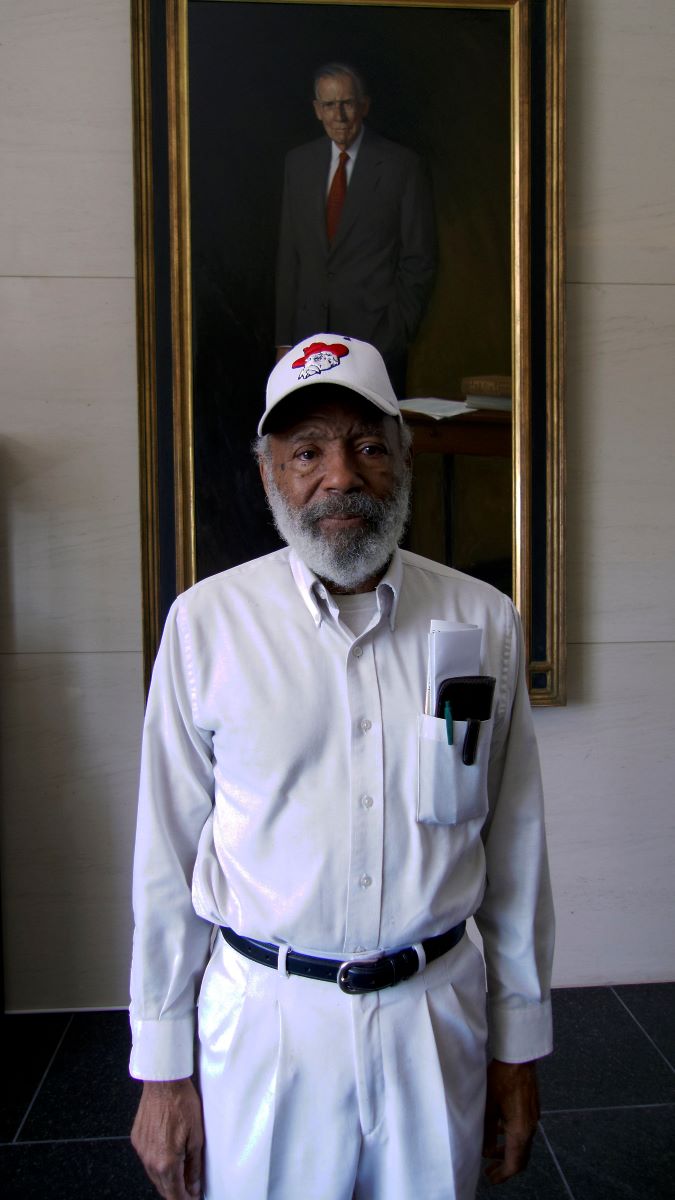
With the passage of time, Meredith grew deeper in his religious faith. In 2008, he said: “Now I’m going to use all my energy to do what I think God sent me here to do. To make the Christian world, particularly, know what the biblical and Jesus’ own command is for them to do for the poor.” He has also long centered his efforts on improving education and restoring religious education to the public schools.
What arts and culture topics would you like us to cover? Please email ideas or feedback to features@epochtimes.nyc