SEARCH


Who’s the most-portrayed literary human character in history, according to Guinness World Records?
If you guessed Sherlock Holmes, you’d be correct. He’s been depicted on-screen 254 times and played by more than 75 different actors. The sleuth is an icon of film, TV, and literature, and one of the most identifiable characters ever created. Everyone instantly recognizes the deerstalker hat, the pluming pipe, the long overcoat, and the gaze as sharp as a scalpel.
Far less well-known, however, is the famous detective’s real-life counterpart, a Scottish surgeon named Joseph Bell.
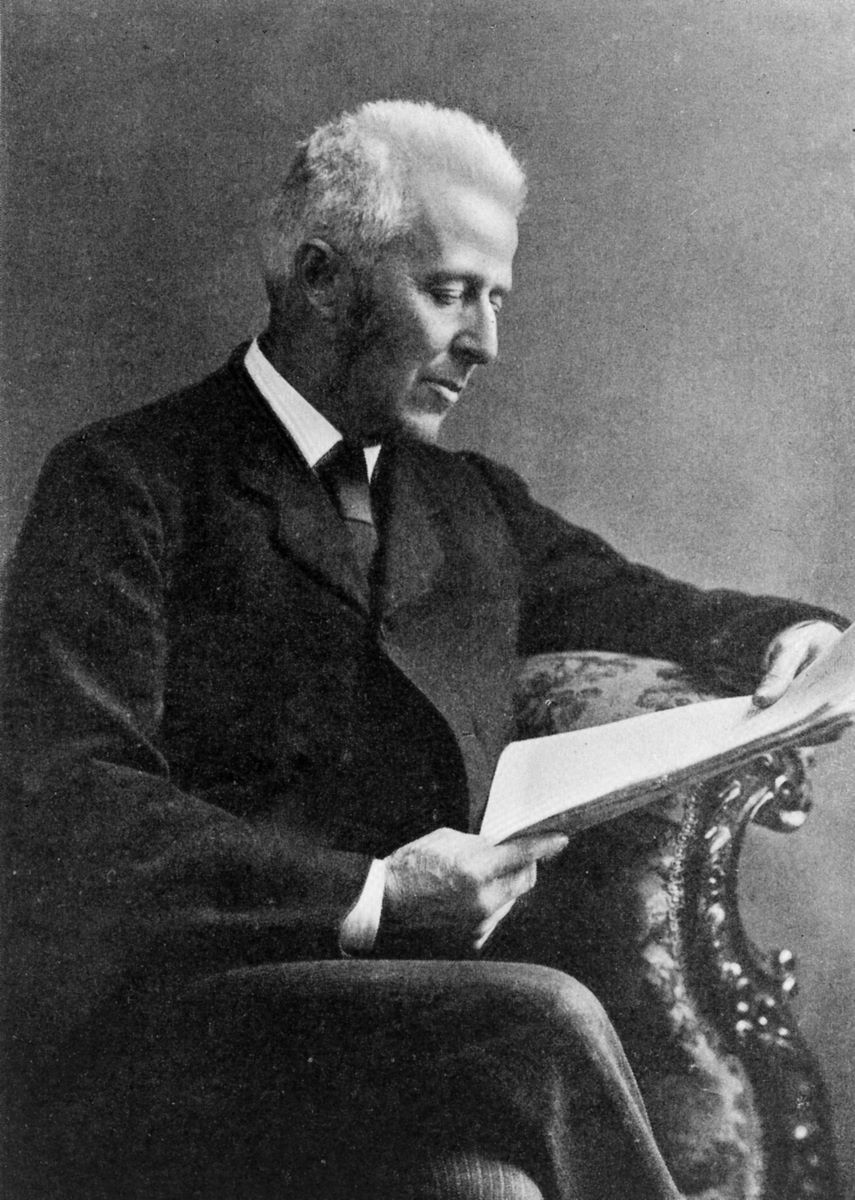
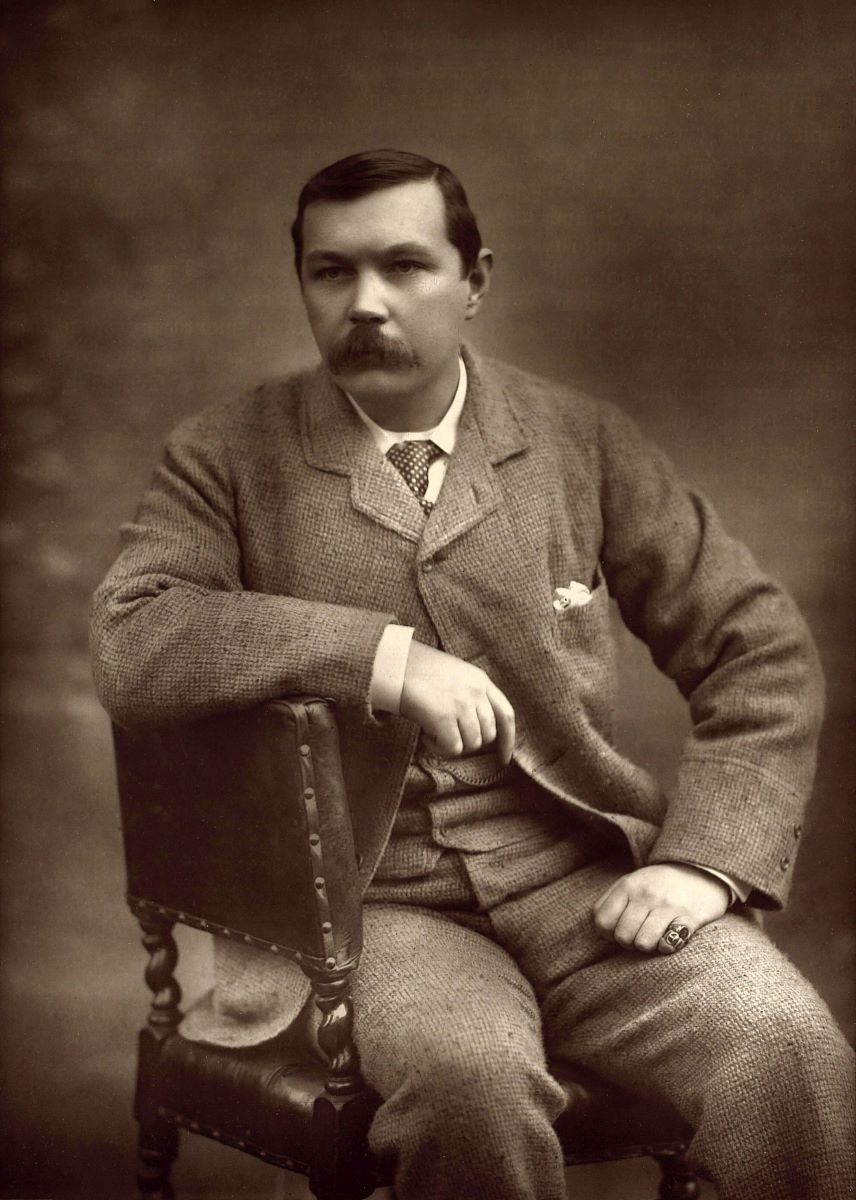
“It is most certainly to you that I owe Sherlock Holmes,” Arthur Conan Doyle wrote to Dr. Bell in December 1893.
“I do not think that his analytical work is in the least an exaggeration of some effects, which I have seen you produce in the outpatient ward. Round the centre of deduction and inference and observation which I have heard you inculcate, I have tried to build up a man.”
Doyle first witnessed Dr. Bell’s extraordinary powers of observation when studying under him at the University of Edinburgh Medical School. With remarkable accuracy, Dr. Bell could diagnose patients, describe their symptoms, and fill in details of their biography simply by studying them with his penetrating gray-blue eyes—even before the patient said a word.
The young Doyle watched, mesmerized, as Dr. Bell would explain all sorts of things about a patient to a room full of excited medical students using only his “method”—careful observation, attention to the slightest details, and rapid inference.
On one occasion, Dr. Bell strode into the Royal Infirmary’s amphitheater, his angular features highlighted by the watery glow descending from a skylight above, sat down, and surveyed a patient who was brought before him. The giddy medical students filling the stands watched eagerly.
Dr. Bell’s eyes flitted over the man before him, taking in everything about his appearance and mannerisms. But he said nothing at first. Expectation filled the air like thick smoke.
Finally, Dr. Bell cut through it, saying, “Of course, gentlemen, he has been a soldier in a Highland regiment.” He went on to deduce from his height that if he had been in the military it was probably as member of a band, while his gait suggested that he had played the bagpipes.
But the patient insisted Bell was wrong, stating he was shoemaker with no military background. This surprised Bell, but in an 1893 interview with The Pall Mall Gazette, he recalled: “Being absolutely certain I was right, and seeing that something was up, I did a pretty cool thing. I told two of the strongest clerks, or dressers, to remove the man to a side room, and to detain him till I came.”
When Dr. Bell examined the man, he found a blue “D” branded on his skin—the shameful sign, in those days, of a deserter. Dr. Bell was vindicated, and it became immediately clear why the patient had lied.
On another occasion, when a student suggested that a patient’s limp was due to hip-joint disease, Dr. Bell delivered a response that could have come straight from the pages of one of Doyle’s Sherlock novels:
“Hip-nothing! The man’s limp is not from his hip, but from his feet. Were you to observe closely, you would see that there are slits, cut by a knife, in those parts of the shoes where the pressure of the shoe is greatest against the foot. The man is a sufferer from corns, gentlemen.”
He continued:
“But … his trouble is of a much more serious nature. His is a case of chronic alcoholism. The rubicund nose, the puffed, bloated face, the blood-shot eyes, the tremulous hands and twitching face muscles, the quick, pulsating temporal arteries. These deductions, gentlemen, must, however, be confirmed by absolute and concrete evidence. In this instance my diagnosis is confirmed by the fact of my seeing the neck of a whisky-bottle protruding from the patient’s right-hand coat pocket.”
With performances like these from Dr. Bell, it’s not difficult to see how the future writer sitting in the audience began to sketch in his mind the figures of a detective who would use a similar method of careful observation to solve crimes.
In fact, Dr. Bell also lent his talents to criminal investigation on some occasions, just like his literary counterpart. In addition to running the Royal Infirmary’s outpatient clinic free of charge and teaching at the University of Edinburgh Medical School, Bell also aided the Scottish police in more than one investigation and helped develop the field of forensic science.
Dr. Bell played a central role in solving the murder of Elizabeth Chantrelle in 1878. A Frenchman named Eugène Chantrelle became the teacher of Elizabeth Cullen Dyer at Newington Academy in Edinburgh (where Doyle also studied as a child). A romance developed, and they married in 1868, though it was not a happy marriage.
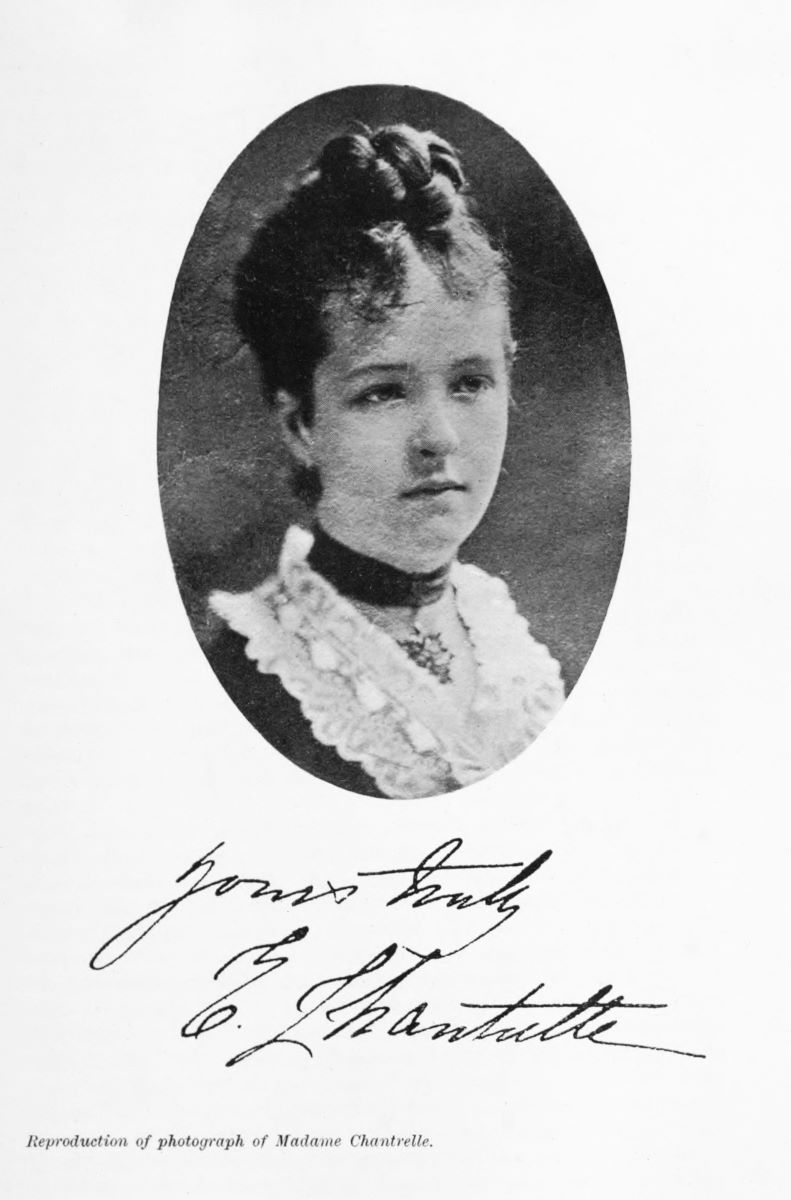
Ten years later, on Jan. 2, 1878, she was found unconscious in her room by her maid, with a half-full glass of lemonade on her nightstand and the scent of coal gas in the air. Elizabeth died at the hospital without regaining consciousness.
Originally, she was diagnosed with poisoning from a broken gas pipe, but the doctor on the case suspected something was amiss, and he called in the University of Edinburgh toxicologist, police surgeon, and forensic scientist Dr. Henry Littlejohn to assist.
Dr. Littlejohn consulted with Dr. Bell, and the pair suspected some form of narcotic poisoning had taken place. They analyzed vomit from a pillow and nightgown and discovered traces of opium—a substance that Eugène had recently purchased 30 doses of, along with a life insurance policy on his wife.
Eugène Chantrelle was arrested, tried, and found guilty. He reportedly said, “Give my compliments to Joe Bell. He did a good job in bringing me to the scaffold.”
Dr. Bell also assisted Dr. Littlejohn in the investigation of the death of a young aristocrat on the Ardlamont estate, who had seemingly been killed in a hunting accident. Littlejohn and Bell suspected foul play, based on the autopsy. They served as expert witnesses during the trial.
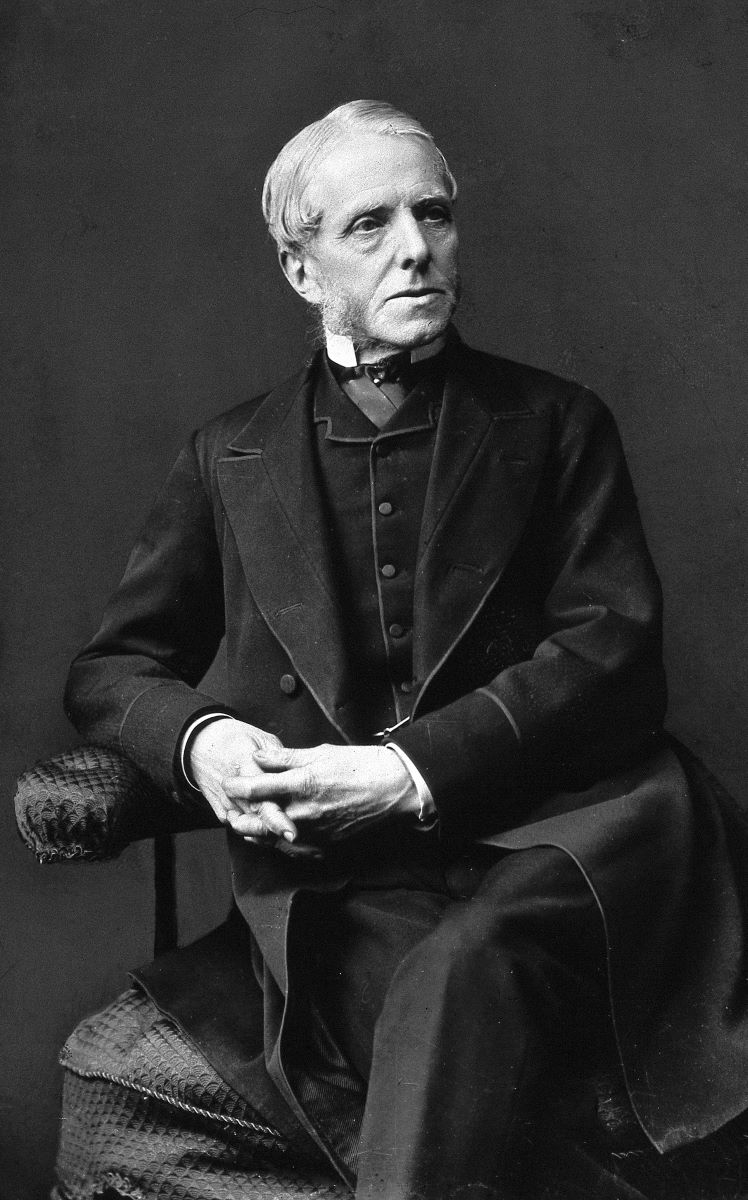
But, in the Pall Mall Gazette interview, Dr. Bell spoke modestly of his involvement in cases like these:
“The only credit I can take to myself is that appertaining to the circumstance that I always impressed over and over again upon all my scholars—Conan Doyle among them—the vast importance of little distinctions, the endless significance of the trifles.”
Though some reports indicate that, by the end of his life, Bell became annoyed with the comparisons to Doyle’s Sherlock Holmes, he nevertheless had some real appreciation for the detective stories he had helped inspire. Speaking to the Gazette, he noted what he saw as Sherlock Holmes’s positive effect on the reading public: an awareness of the importance of the ordinary, the significance of the seemingly insignificant.
In his own words:
“[Doyle’s stories] make many a fellow who has before felt very little interest in his life and daily surroundings think that after all there may be much more in life if he keeps his eyes open than he had ever dreamed of in his philosophy.”
What arts and culture topics would you like us to cover? Please email ideas or feedback to features@epochtimes.nyc.