Opposition parties are warning of economic and national security risks as Prime Minister Mark Carney visits China and announces agreements aimed at deepening ties in the “strategic partnership” between Ottawa and Beijing.
The criticism follows Carney’s Nov. 17 announcement that Canada would extend tariff relief to 32 additional categories of Chinese steel and aluminum products, while China would provide approximately $400 million in additional tariff relief for Canadian pork and seafood exports. Carney and Chinese leader Xi Jinping also said they want to further advance their “strategic partnership.”
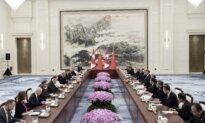
Carney is currently in Shenzhen, China, to take part in the Asia-Pacific Economic Cooperation (APEC) Economic Leaders’ Meeting.
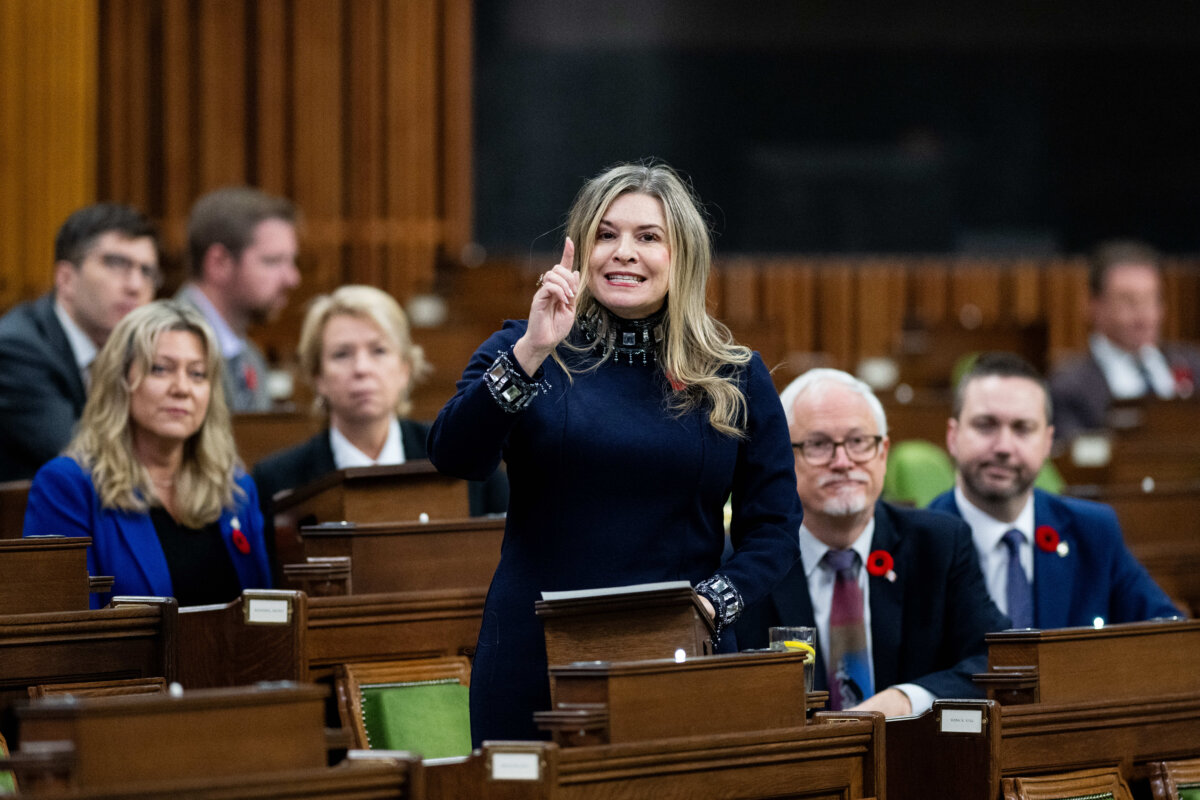
Conservative MP Stephanie Kusie, the party’s international trade critic, criticized Carney’s announcements on agreements with China on economic and ethical grounds.
“How can the Liberals continue forward with their plan to flood our market, putting more workers and their families at risk?” Kusie said Nov. 17 in the House of Commons.
“The prime minister has made the deliberate choice to deepen relationships that do not share our fundamental values and freedoms. Trade matters, but so do Canadian values and Canadian sovereignty.”
Agriculture Minister Heath MacDonald said that Carney’s visit has “delivered real results for Canadian pharmacy, food, harvesters, and exporters.”
“We’re going to continue to work in open markets around the world for our harvesters and our seafood and our beef,” he said in response to Kusie.
‘Threat to Our National Security’
Conservative MP Michael Chong described Carney’s policies of bringing Ottawa closer to Beijing as a “risky gambit.”
“We’ve long voiced concerns about the prime minister’s new strategic partnership with Beijing,” Chong told reporters on Nov. 17 on Parliament Hill.
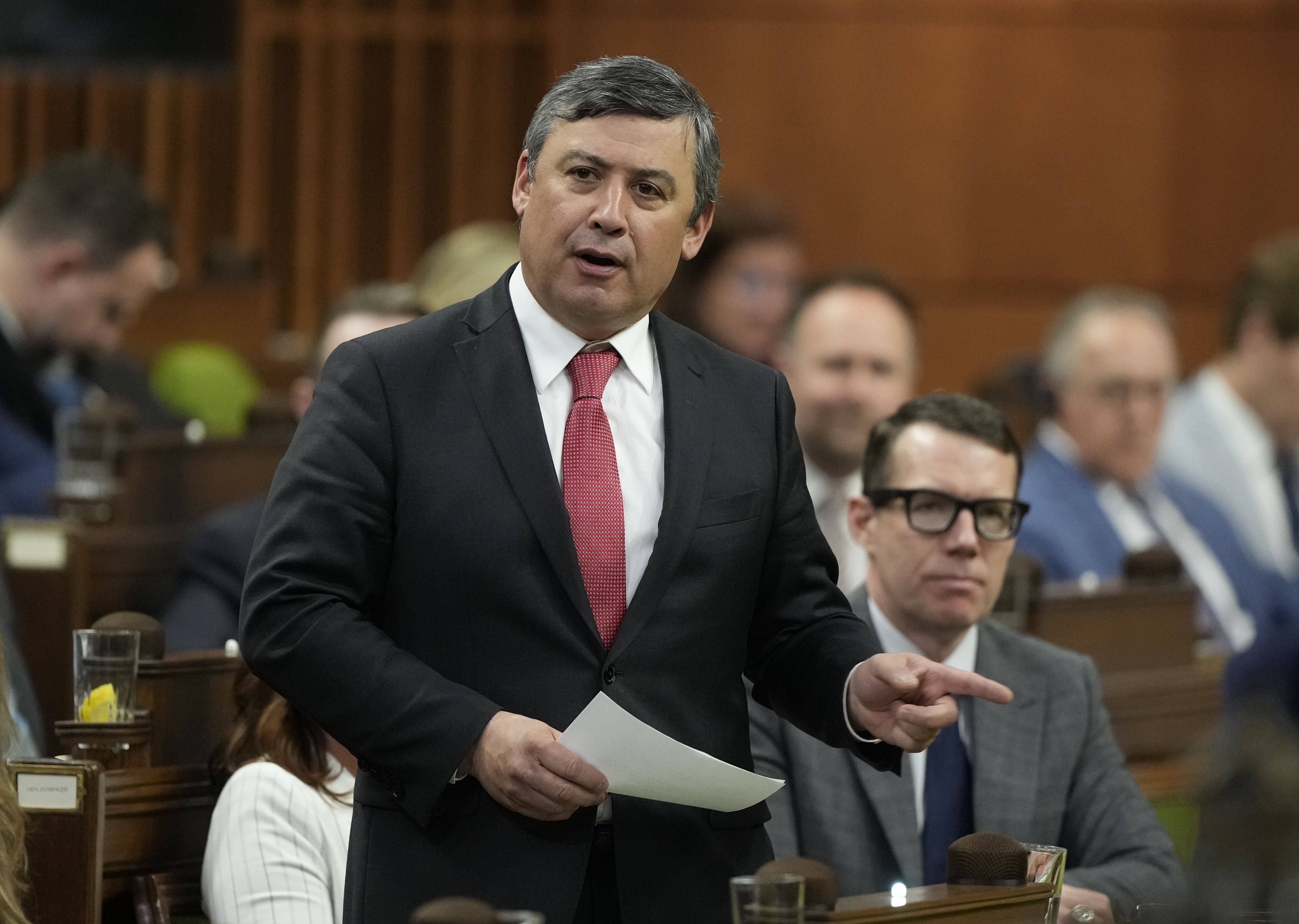 Conservative MP Michael Chong rises during Question Period on Parliament Hill in Ottawa on April 14, 2026. THE CANADIAN PRESS/Adrian Wyld
He added that Canada should be establishing closer ties with other countries in the Indo-Pacific region as part of its trade diversification strategy, rather than with Beijing.
“Indonesia and Malaysia and Australia and New Zealand, countries like Taiwan—I think those are countries that have systems similar to ours that don’t present that kind of threat to our national security,” he said.
Bloc Québécois Leader Yves-François Blanchet also voiced opposition to the “strategic partnership.”
“The Chinese regime is guilty of modern slavery, child labour, genocide against Tibetans and Uyghurs, gross and violent threats against Taiwan, interference in other countries, and not only Canada,” Blanchet said in French on Nov. 17.
“Where are the values, the supposed Canadian values? We cannot close our eyes to genocide or child labour,” Blanchet added, saying that not obtaining anything on human rights and endorsing a “totalitarian, communist and genocidal regime” is “distressing” to him.
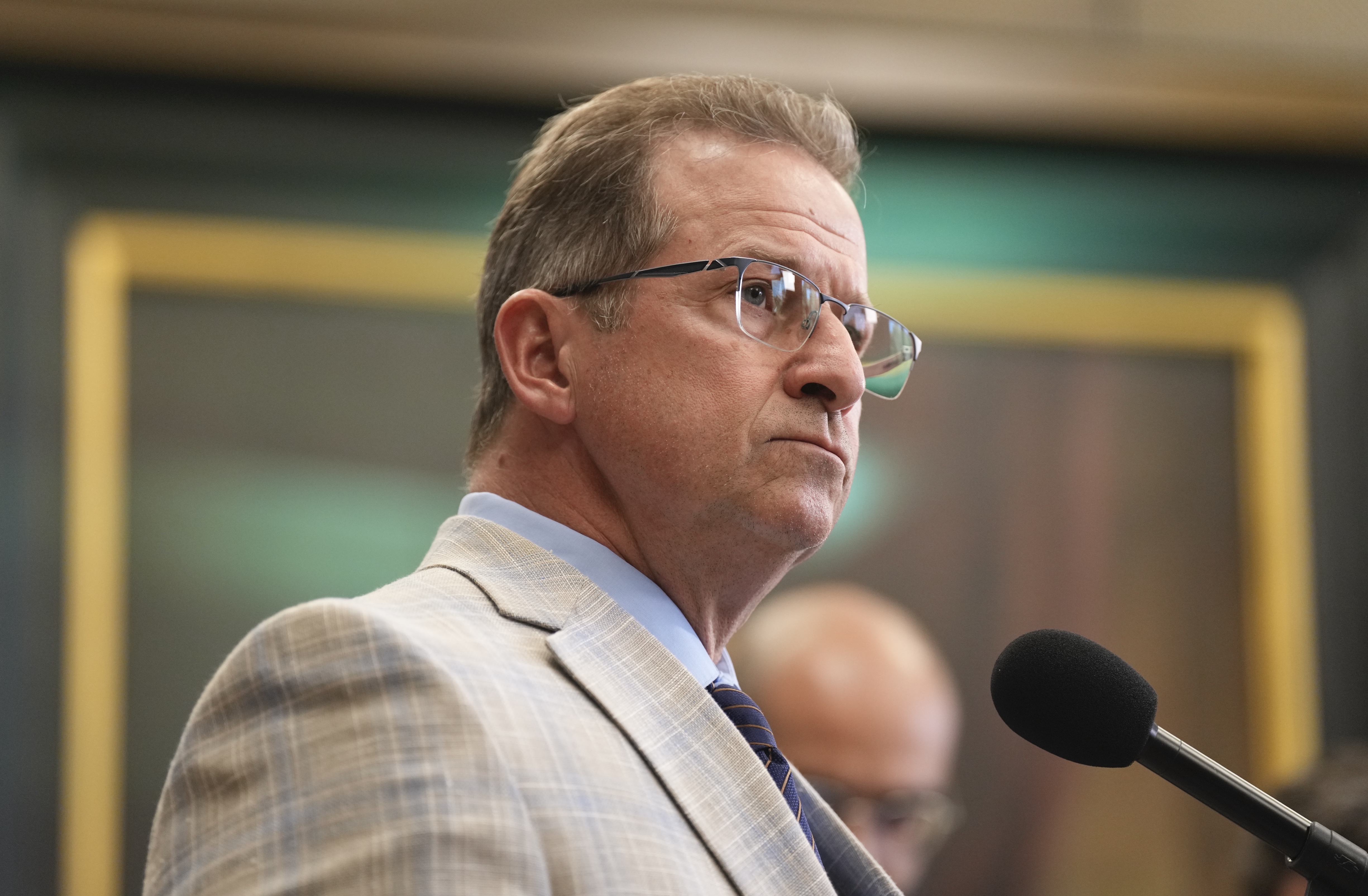 Bloc leader Yves-Francois Blanchet speaks with reporters before Question Period on Parliament Hill in Ottawa on June 8, 2026. (The Canadian Press/Adrian Wyld)
While acknowledging the benefit of reduced Chinese tariffs on pork and other exports, Blanchet noted that Canadian exports to China totalled approximately $4.4 billion in September of this year, compared with over $55 billion to the United States. He said that even a modest improvement in trade with the United States could produce far greater economic benefits than a substantial increase in exports to China.
Carney said the most recent meeting marks a step toward a “global order that benefits all peoples through sustainable, peaceful, and human-centred growth.” Xi said deepening ties is the “right choice” during their meeting on Nov. 17.
“Canada and China have recalibrated our relationship to the benefit of citizens in both countries. We have unlocked billions in new export orders for Canadian farmers, ranchers, and fish harvesters – for workers and businesses across the country,” Carney said in a Nov. 17 statement.
“We’re making it easier to travel, study, and do business between our nations to create more opportunity and prosperity for all.”
Transnational Repression
Conservative Senator and Leader of the Opposition in the Senate Leo Housakos noted that in September a man wearing a jacket bearing a Chinese flag attacked Falun Gong practitioners protesting outside the Chinese Consulate in Toronto, saying in Chinese that the public sidewalk where they were standing “is Chinese territory” and threatening to kill them.
“Beijing no longer even attempts to conceal its intimidation. It blocks Tiananmen Square memorials. Its ambassador issues orders to Canadian parliamentarians not to visit Taiwan. It operates 18 illegal police stations right here in Canada. Yet the government remains silent,” Housakos said in the Senate on Nov. 17.
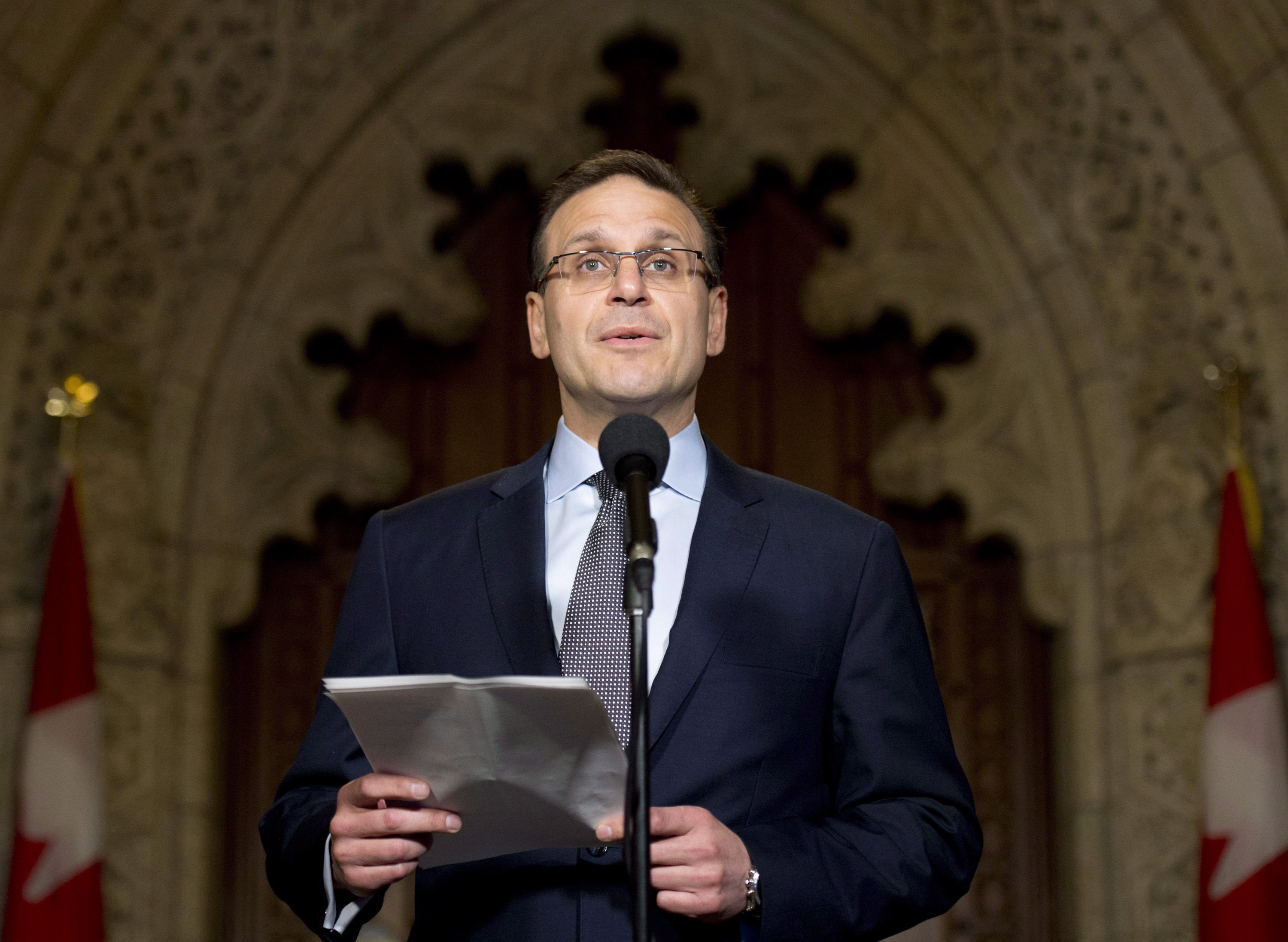 Conservative Senator and Leader of the Opposition in the Senate Leo Housakos in the Foyer of the Senate on Parliament Hill in Ottawa in a file photo. (The Canadian Press/Adrian Wyld)
Chinese officials have been blocking attempts by the Canadian Embassy in Beijing to commemorate victims of the 1989 Tiananmen Square massacre, including by obstructing the embassy’s LED screen, according to a CBC News report.
According to the Spanish human rights organization Safeguard Defenders, China operates a network of “liaison” points across the world, including in Canada, that perform tasks dictated by Chinese police forces and judiciary bureaus. When asked about the report at a press conference last week, Carney said he would be bringing up the issue of foreign interference when he meets with Xi.
Housakos noted that the readout of the meeting between Carney and Xi published by the Prime Minister’s Office did not indicate whether Carney had raised the issues of foreign interference or intimidation.
“Instead, it says the two leaders, and I quote, ‘agree that Canada-China strategic partnership is working successfully.’ Successfully for whom?” Housakos said. “If the prime minister needs to to stand up and fight for Canadian values and principles, shouldn’t he put at least on the table our concerns to the president of China of what is going on right here on Canadian soil?”
Sen. Pierre Moreau, representative of the government in the Senate, said the government takes “any transnational situation” very seriously. He added that it’s important for Canada to maintain communication with all countries “to tell them what are the Canadian values.”
Morea also said that the partnership with China has restored access for Canadian canola exporters.