
Social media companies are not about to go on a censorship spree, according to the federal online watchdog.
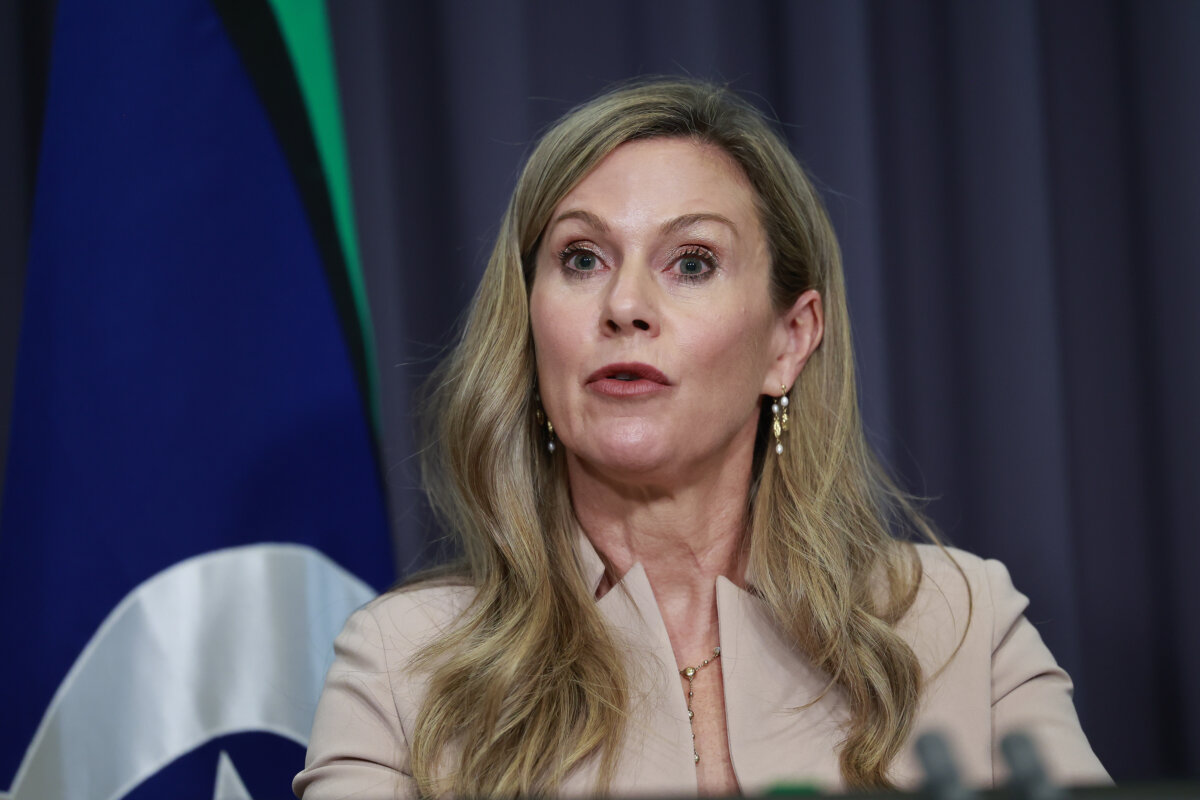
The eSafety commissioner on Nov. 10 fronted a Senate hearing into Labor’s proposed digital duty of care, which the government hopes to pass in November.
Religious leaders had earlier argued the bill, which aims to protect children from harmful online content, is so vague and draconian it might stifle discourse on any contentious issue, including spiritual teaching.
But the claim was “a stretch,” Commissioner Julie Inman Grant told senators in Canberra in response to the fears.
“Companies today are trying to show the maximum amount of material, no matter how harmful or hurtful it is,” she said.
That much was proven by platforms already breaking their own promises about protecting their users, the watchdog’s general counsel Richard Fleming added.
“Each of the digital platforms has an online hate policy in their terms of service, and there’s been a whole lot of evidence presented … around how they either take little or no action under that policy,” he said.
“Over-blocking and over-compliance certainly isn’t what we see.”
Some of the concerns stemmed from the digital duty of care failing to precisely define harmful content, which Sydney Anglican Diocese Bishop Michael Stead said could simply leave determinations up to the government of the day.
He said the church’s suggestions women were subordinate to men as heads of the household and the Sydney Diocese not ordaining female priests, could be captured by critics as gendered violence and taken offline.
“It ought to matter to all Australians that we uphold the principle of freedom of religion, even if you’re a non-religious person,” Stead said.
In response, the watchdog said it had millions of potential “high-risk, high-harm” targets to consider daily and would not be focused on organisations such as businesses and churches.
But it shared stakeholders’ anxieties about lack of clarity in the digital duty of care, which will replace existing online safety codes and standards with non-enforceable regulatory guidance.
Inman Grant instead suggested supplanting the codes and standards, which were drafted by the online industry including social media companies, with ministerial directions approved by parliament.
“As a regulator, you accept that you don’t get everything you want every time,” she said, rejecting assertions from Liberal Senator Sarah Henderson that her proposal betrayed deficiencies in the bill.
“This is a very complicated piece of legislation, and a very good job has been done at this first pass.”
The Coalition will nonetheless oppose the bill over lingering censorship concerns and the Greens have flagged potential tweaks in the Senate including heftier fines and enshrining the right for citizens to take big tech to court.
Inman Grant said the bill must pass, despite enduring gripes.
“We do want to have our cake and eat it too,” she said.
“When it’s a regulator-drafted code or standard in this case, it’s going to be stronger than the codes that the industry put forward.”
Lifeline 13 11 14
Fullstop Australia 1800 385 578
By Lucinda Garbutt-Young and Will Nicholas in Canberra