
Russia and Ukraine resumed bombing each other’s energy infrastructure, just days after a brief humanitarian ceasefire in Oleshky brokered by U.S. First Lady Melania Trump and a week before U.S.-mediated talks begin in Abu Dhabi.
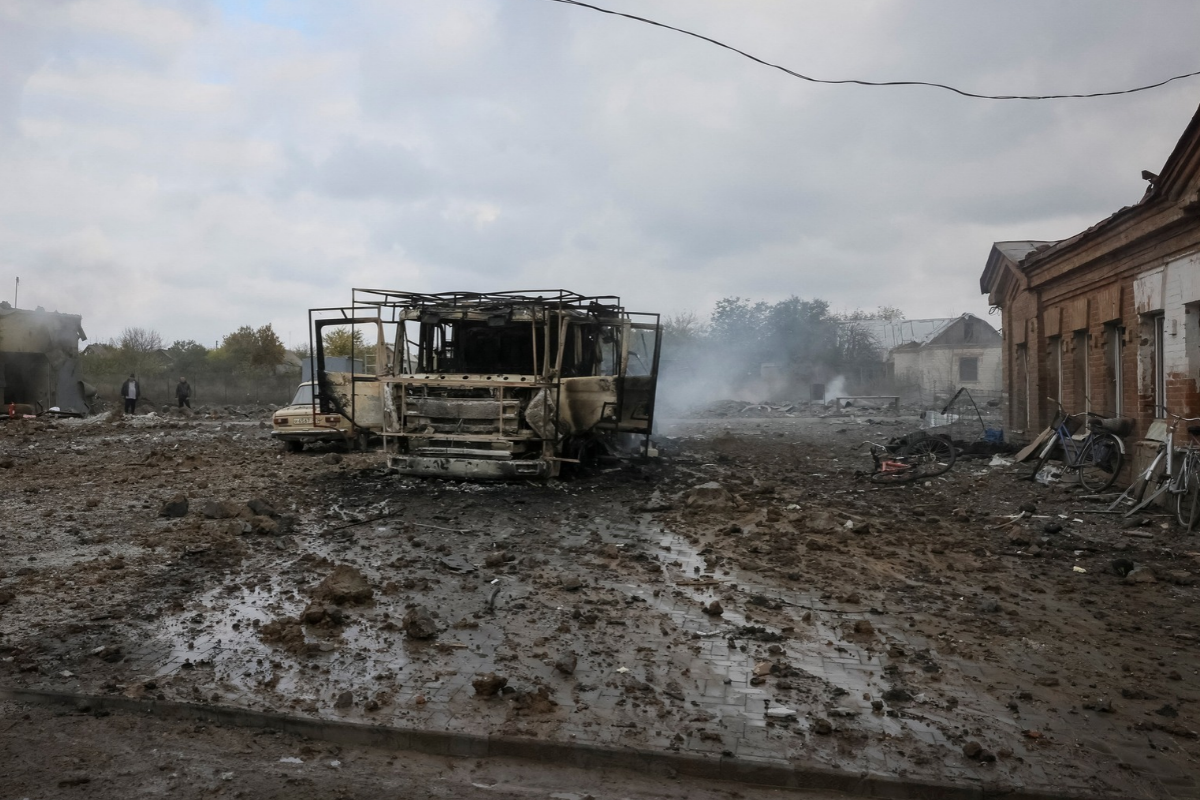
Ukrainian President Volodymyr Zelenskyy said in an X post on Nov. 3 that Russia carried out a “complex, massive attack overnight, aimed primarily at our critical infrastructure.”
He said the main targets were power generation facilities and substations in regions across the country, including Odesa in the south, Kharkiv in the northeast, Dnipro in the southeast, and Rivne in the northwest.
Russia launched 289 attack drones, 17 ballistic missiles, and 59 cruise missiles, Zelenskyy said.
On Nov. 4, the Ukrainian president posted that Russian strikes “continue virtually every day,” and work to restore energy infrastructure is taking place around the clock.
The Russian Ministry of Defense said in a post on Telegram that its forces had carried out strikes against energy complexes in the Dnipropetrovsk, Kharkiv, and Vinnytsia regions, which it said was providing electricity to the Armed Forces of Ukraine and the country’s military industry facilities.
Meanwhile, Russia said Ukraine had set fire overnight to an oil refinery in Yaroslavl in the eastern part of the country.
The mutual attacks occurred days after the end of the ceasefire in the Ukrainian city of Oleshky, which was brokered by Melania Trump and lasted six days. The cessation of hostilities allowed for the delivery of critical aid to the region and enabled the evacuation of nearly 800 people.
The humanitarian ceasefire, which expired on Nov. 1, was praised by the first lady, Moscow, and Kyiv.
Despite the ceasefire’s success, within hours of its expiration, both sides accused one another of using the break to strengthen their military positions.
Abu Dhabi Talks
Earlier this week, U.S. special envoy Steve Witkoff announced that the United States will mediate working-level negotiations between Russia and Ukraine on Nov. 10–11 in Abu Dhabi.
He said on Monday that the three-way talks would focus on de-escalation and the next steps toward peace, as well as humanitarian efforts and post-war security arrangements.
“We look forward to building on the progress made in Kyiv, Oslo, and St. Petersburg toward a comprehensive, durable peace agreement that delivers lasting security for generations to come,” the U.S. envoy said in a post on X.
Prior to those trilateral talks, the European Commission hosted a meeting in Brussels on Wednesday with representatives of the United States, Ukraine, NATO, and other European allies.
Zelenskyy said in a Nov. 4 post on X that the meeting had been substantive, focusing on postwar recovery. He said there would be another meeting on Nov. 5, also in Brussels, on security guarantees for Ukraine.
“The negotiations must move forward at full throttle to bring this war to an end as quickly as possible,” he said. “Ukraine is ready to take the necessary steps. Our proposals are clear, and we have given them to the American side.”
He thanked the United States for its support, including diplomatic efforts to bring the war to an end.
Reuters and Guy Birchall contributed to this report.