SEARCH


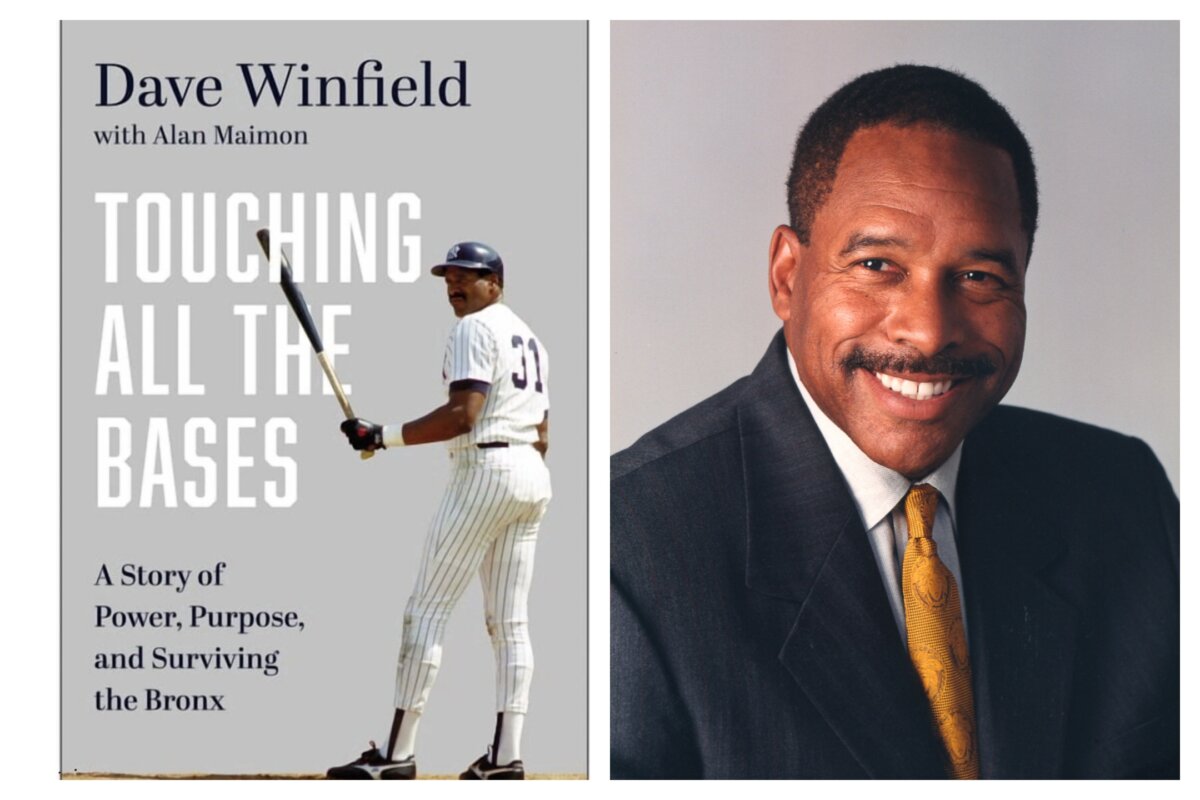
When Dave Winfield was signed with the New York Yankees in December 1980 to a 10-year contract with an annual salary of $1.3 million, it was a record-breaking deal for its time. However, when he left the team in 1990, much of his money had been channeled to attorneys handling multiple legal problems involving his employer. Furthermore, there were legal costs for a lawsuit in Texas filed by a one-time lover who claimed to be his common-law wife. He also was burdened with the stress of unpleasant coverage from New York’s hostile sports media, including fake stories that the Yankees brass planted against him. On top of that, he was dealing with a stress-induced ulcer.
Winfield’s new autobiography, “Touching All the Bases,” provides a jolting look at the many challenges, insults, and injustices that he endured during his career. Co-authored with Alan Maimon, Winfield patiently but painfully details the tribulations and outrages that blighted his career.
San Diego Player
Born in St. Paul, Minnesota, in 1951, Winfield was an extraordinarily gifted student athlete. By the time he graduated from the University of Minnesota, he was fielding draft offers from baseball, basketball, and football teams. The last of these was especially curious, since he played baseball and basketball in college but never engaged in football. Winfield signed with the San Diego Padres as a pitcher but was reassigned to play right field.
One of the funniest anecdotes in the book involves Winfield’s memories of Ray Kroc, the former McDonald’s CEO who owned the team. At one point in the summer of 1974, after Kroc assumed ownership of the Padres, he became so agitated with the team’s on-field bumbling that he commandeered the stadium’s loudspeakers and told those in attendance: “I suffer with you. I’ve never seen such stupid ballplaying in my life.”
Unfortunately, there were also some unpleasant moments for Winfield with white colleagues engaging in dismal racist language. But he directed his energies into positive initiatives, including the creation of a foundation designed to help economically disadvantaged youth.
New York Rancor
Winfield’s problems were ratcheted up when he left the Padres and began dealing with his new boss, Yankees owner George Steinbrenner. Almost immediately, things went sour when Steinbrenner and his lawyers underestimated the cost-of-living raise clause in the player’s contract and demanded an immediate rewrite. To avoid a conflict, Winfield agreed to a revised clause.
Steinbrenner then balked at another contract requirement that the team donate $300,000 a year to Winfield’s foundation. Steinbrenner repeatedly reneged on making the donations by making false claims that the foundation mishandled its funds. This required the intervention of Winfield’s lawyers to unfreeze Steinbrenner’s contractually obligated funding. This scenario would be repeated several times during Winfield’s time with the team.
While he was a Yankee, Winfield was sued by a one-time lover who’d become pregnant during their affair. Although he agreed to acknowledge his parenthood and provide financial assistance for their child, this ex-lover took him to court, claiming that she deserved more money because she was his common-law wife.
A frustrated Winfield recalls the trial, where the judge seemed openly biased against him. Despite an overwhelming lack of evidence that there was a common-law relationship, the judge’s skewered instructions to the jury resulted in a ruling against Winfield. The verdict was later overturned, with an appeals court ruling that the judge had acted improperly during the trial.
Winfield then discovered that Steinbrenner had conspired with his ex-lover’s legal team to find unflattering evidence against him. Further complicating matters were the antics of another woman who was going around the country claiming to be Winfield’s wife and writing bad checks in his name.
The athlete would eventually marry a woman named Tonya Turner. A New York Post reporter caught wind of their romance but inaccurately wrote that he was secretly dating singer Tina Turner. Both the Post and its crosstown tabloid rival, the Daily News, routinely ran derogatory articles on Winfield with fake information fed to them by Steinbrenner’s office.
It’s no wonder that his New York years left him with a stress-reduced ulcer. In reading “Touching All the Bases,” one has to wonder why Winfield stayed with a team that brought him endless emotional and financial havoc.
Even more amazing, why did Winfield remain in friendly contact with Steinbrenner for years after he left the team? Did the author take goodwill or masochism to an extreme? Perhaps that’s for the reader to conclude, though it’s to his credit that he emerged without bitterness or more severe health issues.
The remainder of Winfield’s career was a mostly stress-free time divided among four teams (the California Angels, Toronto Blue Jays, Minnesota Twins, and Cleveland Indians). He writes fondly about the Angels owner, former movie cowboy Gene Autry. His time with the Blue Jays resulted in his only World Series victory.
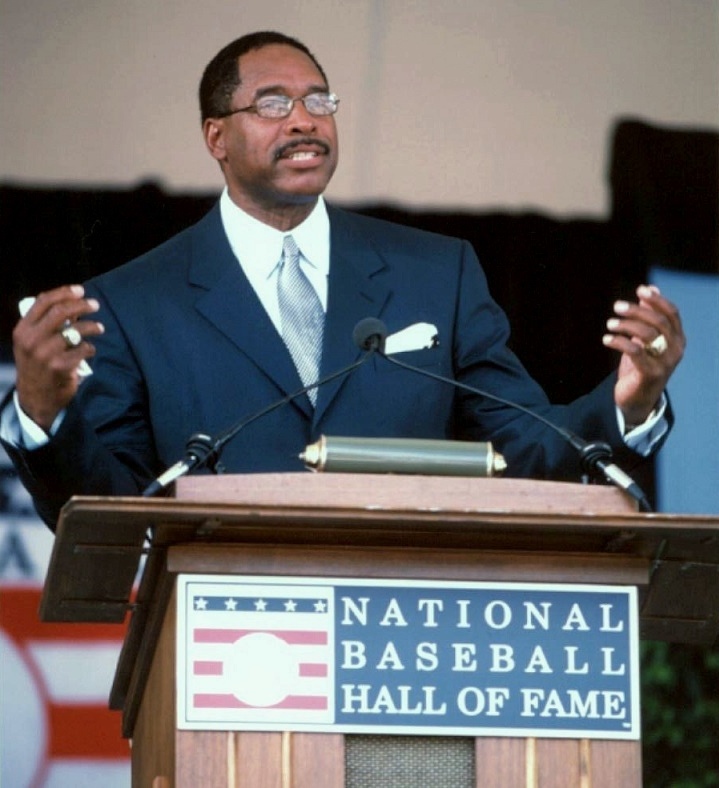
After retiring from playing, he took an executive position with the Padres. When he was inducted into the Baseball Hall of Fame in 2001, he opted to be represented with the Padres, despite lobbying from the Yankees to carry their designation.
Baseball fans will certainly enjoy this harsh look inside 1980s Yankees baseball. “Touching All the Bases” might also become required reading for psychology students eager to learn about what some people will endure to gain fame and fortune.
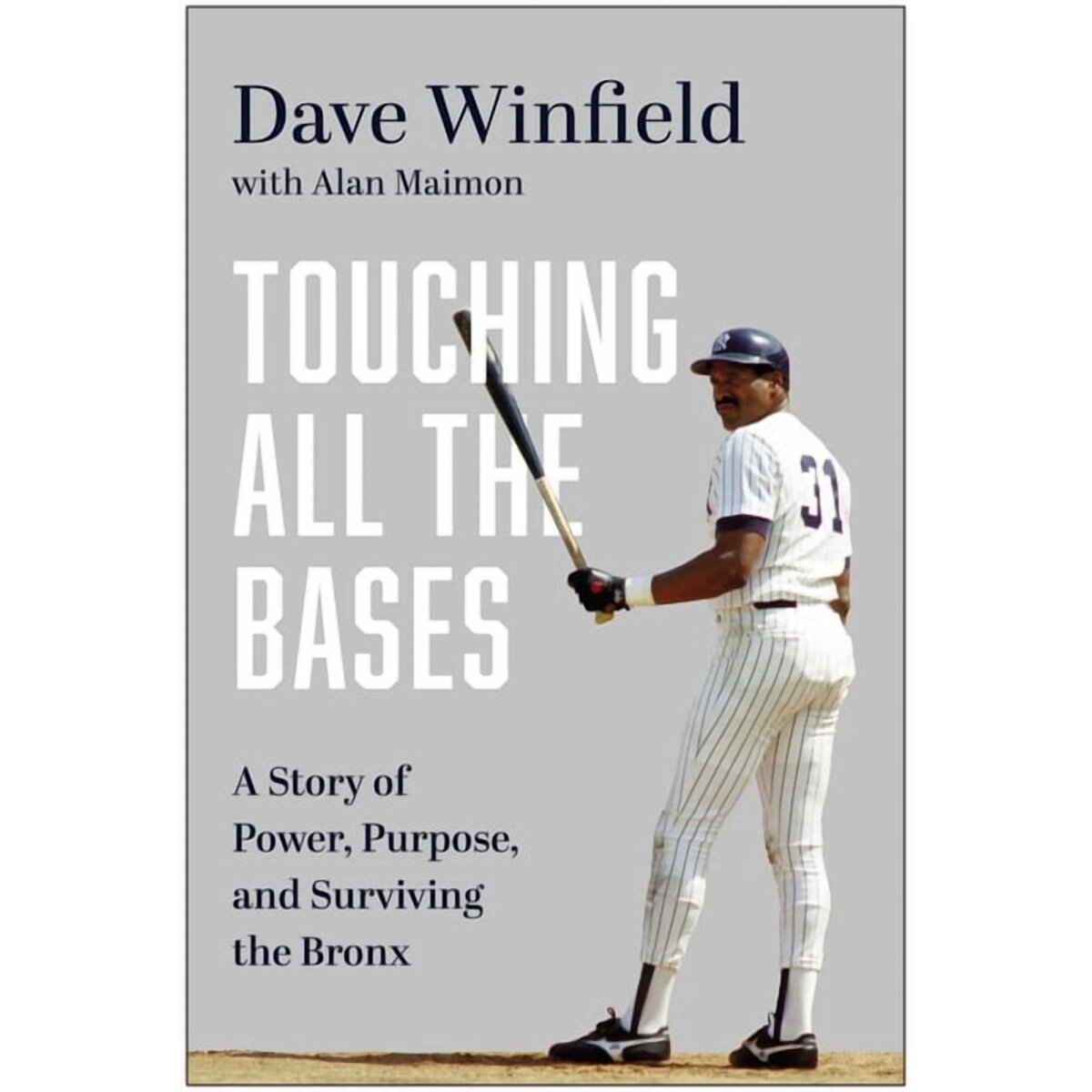
‘Touching All the Bases: A Story of Power, Purpose, and Surviving the Bronx’
By Dave Winfield with Alan Maimon
Matt Holt Books: Sept. 15, 2026
Hardcover, 288 pages
What arts and culture topics would you like us to cover? Please email ideas or feedback to features@epochtimes.nyc