 SEARCH


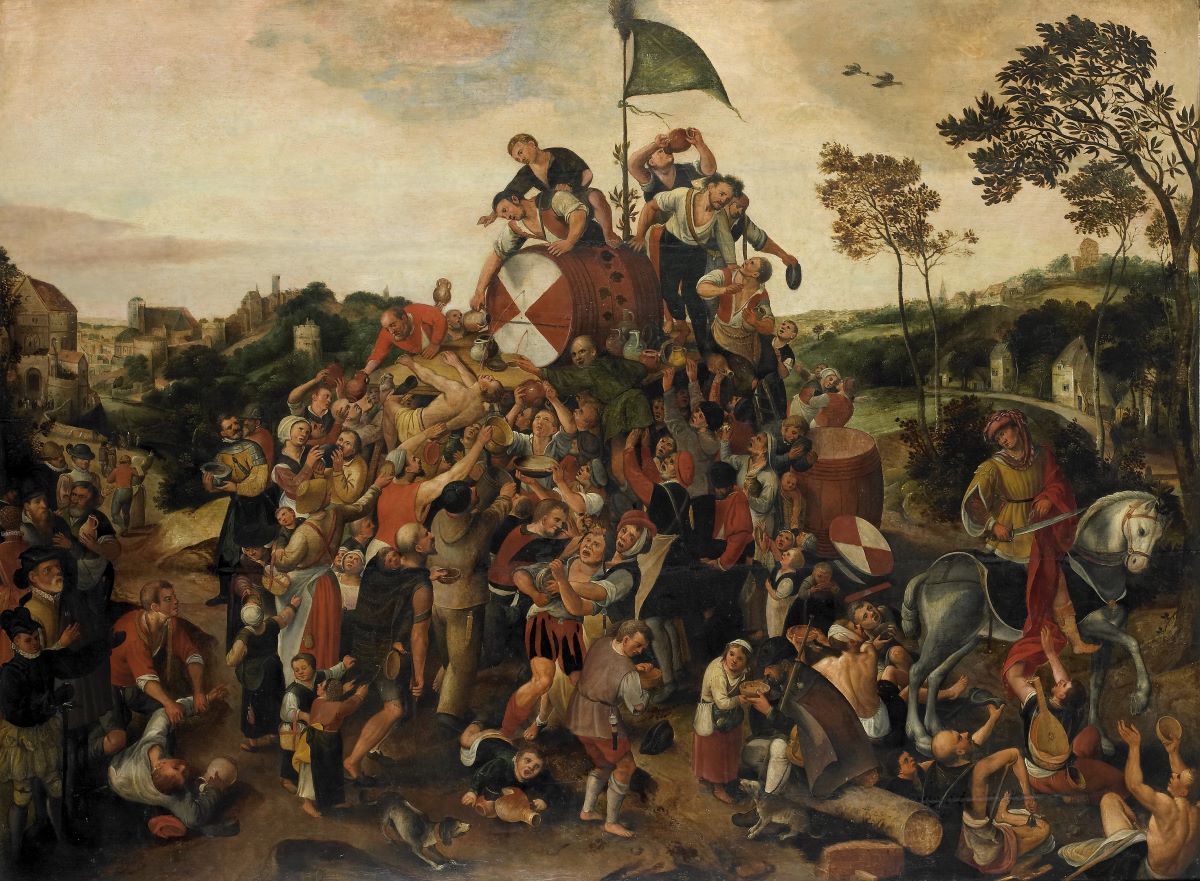
‘St. Martin’ (‘San Martino’) by Giosuè Carducci
The mist towards steep slopes rises
As the rain comes trickling down,
And under northern breezes
Roars and whitens the sea;
But along the city streets
From fine fermenting bins
The savoury smell of wines
Permeates the soul with glee.
Spinning over logs alight
Skewers ablaze and sizzling:
The hunter pauses whistling
Beside the threshold to see
Among the reddish hazes
Flocking birds as black as night,
Indistinct as thoughts in flight,
T’wards the setting sun they flee.
Sometimes in November, the autumn chill is broken by an unseasonable warm spell, a fleeting return of summer known as an “Indian summer.” In Italy it’s known as St. Martin’s summer, named after St. Martin of Tours.
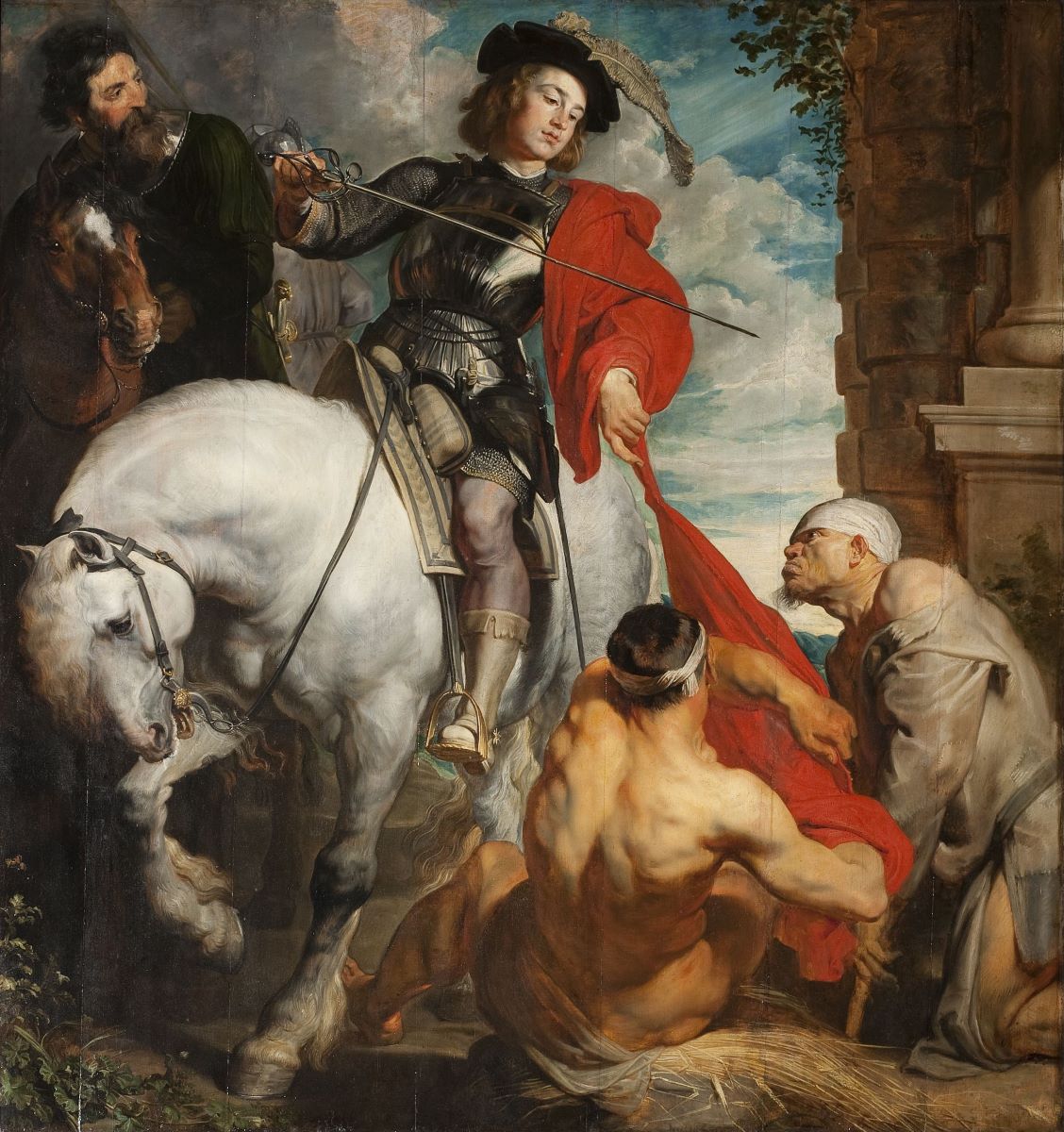
St. Martin was born around A.D. 336 and was brought up in northern Italy. He served as a soldier until he became a conscientious objector and was eventually named bishop of Tours. He is known for having once cut his military cloak in half to share it with a poor man.
St. Martin’s feast day is on Nov. 11, and the Indian summer or St. Martin’s summer often occurs mid-November, around the same time of year. For a few days, the warmth of summer returns in response to his act of charity.
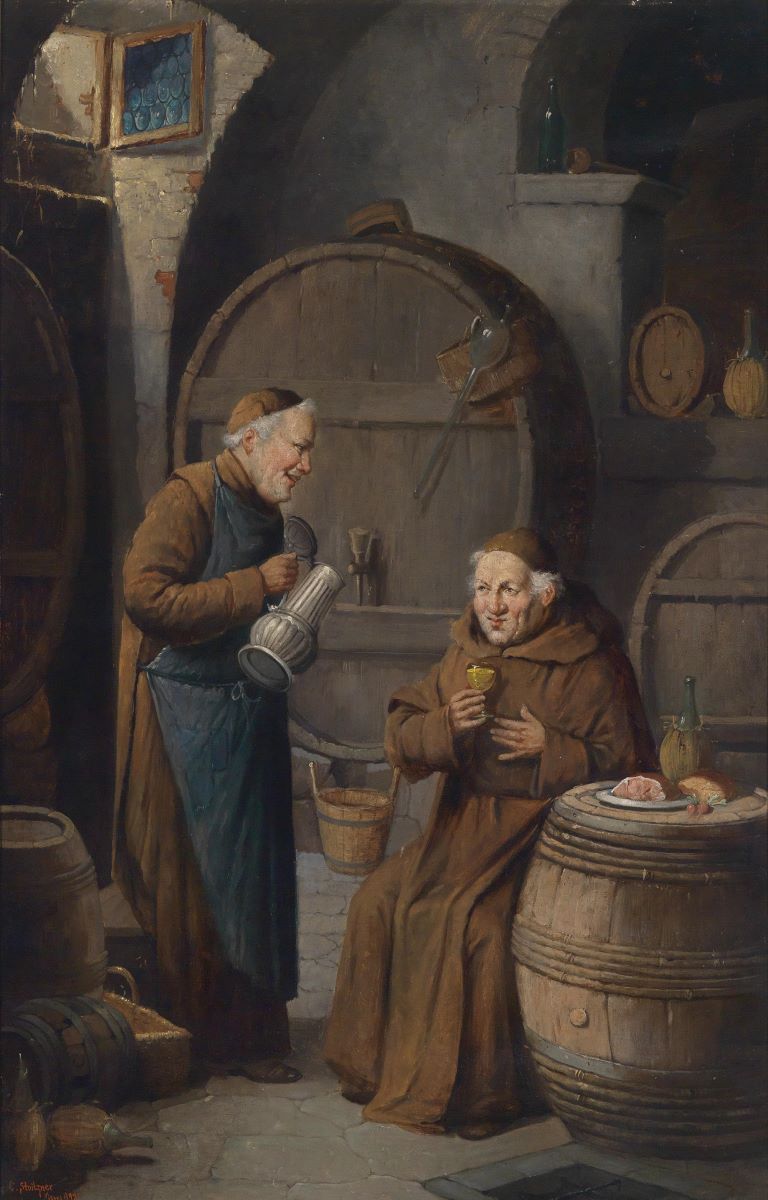
In Italy, the day is associated with the opening of wine barrels to taste the new wine, and it also marked the close of the farming year when contracts expired and workers moved to new lands and farms. To this day, the phrase “fare San Martino” (“to do St. Martin”) is used to refer to moving or changing jobs. While St. Martin’s Summer is therefore characterized by newness and movement, it also marks a brief return to the season that was.
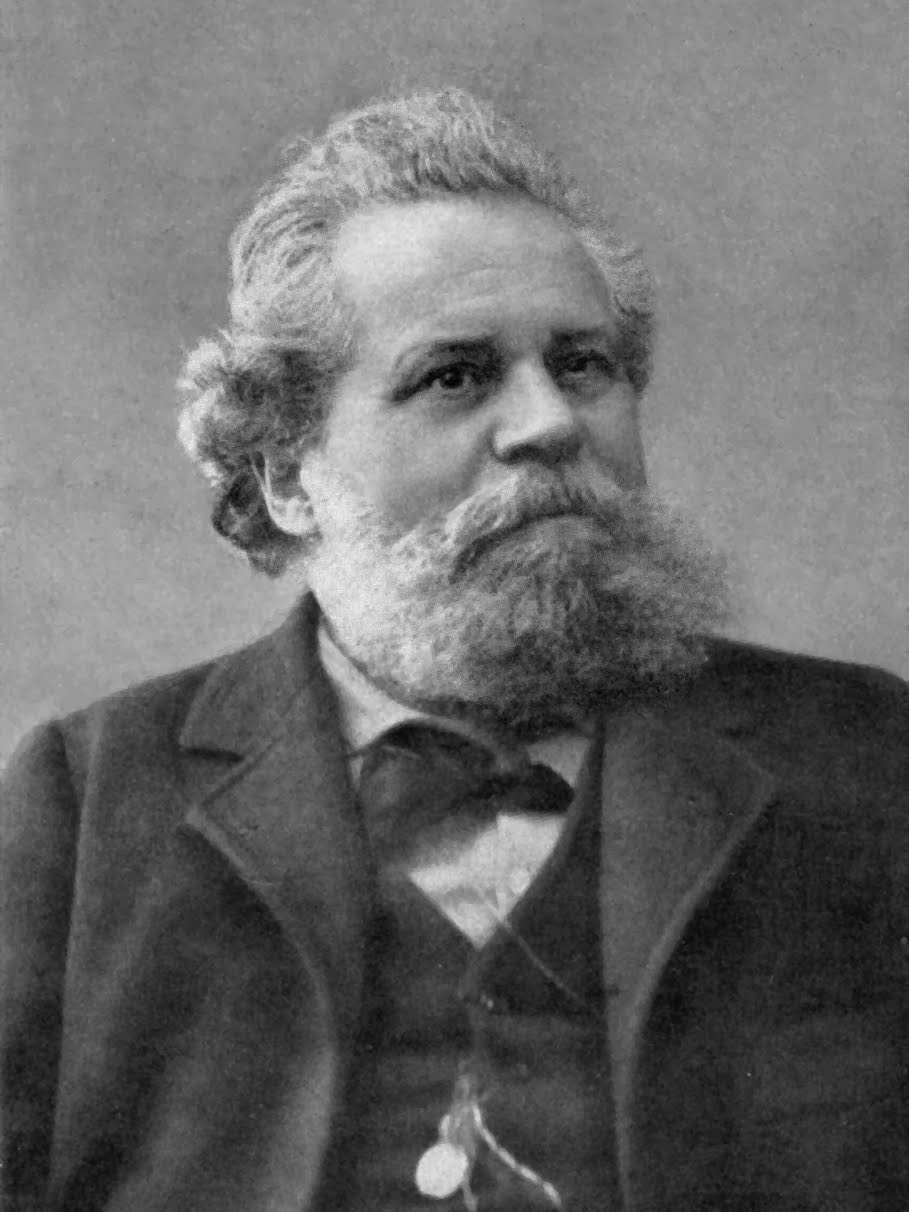
In 1883, Giosuè Carducci, an Italian poet and Nobel-prize winner, wrote “San Martino” (“St. Martin”) and drew out the self-contradictory nature of the season in his poem. “San Martino” is a poem rich with the sights, smells, and sounds of this time of year.
It also captures two movements in seemingly contrary directions. While the poem marks the movement towards the chill and dreariness of winter, it also shows the uplifting of the human spirit with this return to warmth and the celebration of autumnal abundance in the form of the spoils of both hunter and vintner.
In the first stanza, the scenery is heavy with the melancholy and gloom of late autumn: The season is dark, gray, and drizzly. The mist descending over the scene seems dreamy and hazy while the howling of the sea strikes a far more ominous note.
However, with the second stanza, Carducci quite suddenly turns from the dreary scene and from visual descriptions to the description of the smell of new wine. He also moves from the vast, expansive images of the sea and misty landscape to the smaller scene in the village (here translated as “city”). The Italian word Carducci uses to describe the wine, “aspro,” translates to “bitter” or “sour,” yet it is a bitterness that cheers the soul, just as the autumn melancholy brings an ache of beauty.
In the third stanza, the poem moves to a further enclosed scene and engages another of the senses with the sound of the hunter’s cheerful whistle and the spit crackling over the fire.
With the final stanza, Carducci returns to the more expansive autumnal scene and to the more melancholy traces of autumn, with the migrating birds serving as portents of the winter to come. Just as St. Martin’s summer splits the autumn cold in two, so the imagery in the middle of the poem contains warmth, food and drink, and the uplifting of the soul, while the beginning and end are dark, hazy, and somber.
The hunter is the only human figure in the poem, and, as he pauses on the threshold, he embodies many of the tensions in the poem. On one side is the wild, vast expanse of sea and the mist-covered land filled with the wild animals he has just returned from hunting. On the other side is the warm, welcoming domestic scene of the hearth, with the hunter’s prey now roasting over the fire.
Within this contrast, he is content to pause and delight in the scene before him. In the tension between joy and sorrow, beauty and brutality, abundance and emptiness, he finds peace in the simple enjoyment of the present moment, and he himself serves as a bridge in these dichotomies.
The final verses raise the question of why the speaker’s thoughts can be likened to the migrating birds. A more literal translation of the verses reads:
Among the reddish clouds
flocks of black birds,
like exiled thoughts,
migrate in the vespers.
Carducci again presents us with the tension between the melancholy and delight of autumn. The word “exiled” could indicate that the speaker sends away his darker thoughts, but it could also mean that they have been lost. Carducci closes the poem on this ambiguous note, leaving us gazing after the thoughts that have either fled or been sent away.
The poem thus underscores the mysterious quality of this interlude between cold autumn days. The season is reflective of our human lives, for even while we are moving towards our end, we have these periods of joy, communion, and seeming timelessness that serve as intimations of eternity.
Even in the midst of transition or uncertainty in our individual lives, we follow the same rhythms and have annual traditions in our communities that unite people across generations and provide us with a sense of stability.
St. Martin’s summer offers us a chance to recall, with renewed gratitude, the past joys of summer, as well as the chance to appreciate the new delights of the present season. Even while we are cognizant of the approaching winters in our lives and of the chaos that exists in the world at large, or perhaps because we are aware of these things, we are able to recognize the beauty in these unexpected, extra days of warmth and light spent in tranquility and a shared enjoyment of the harvest.
What arts and culture topics would you like us to cover? Please email ideas or feedback to features@epochtimes.nyc.

