SEARCH


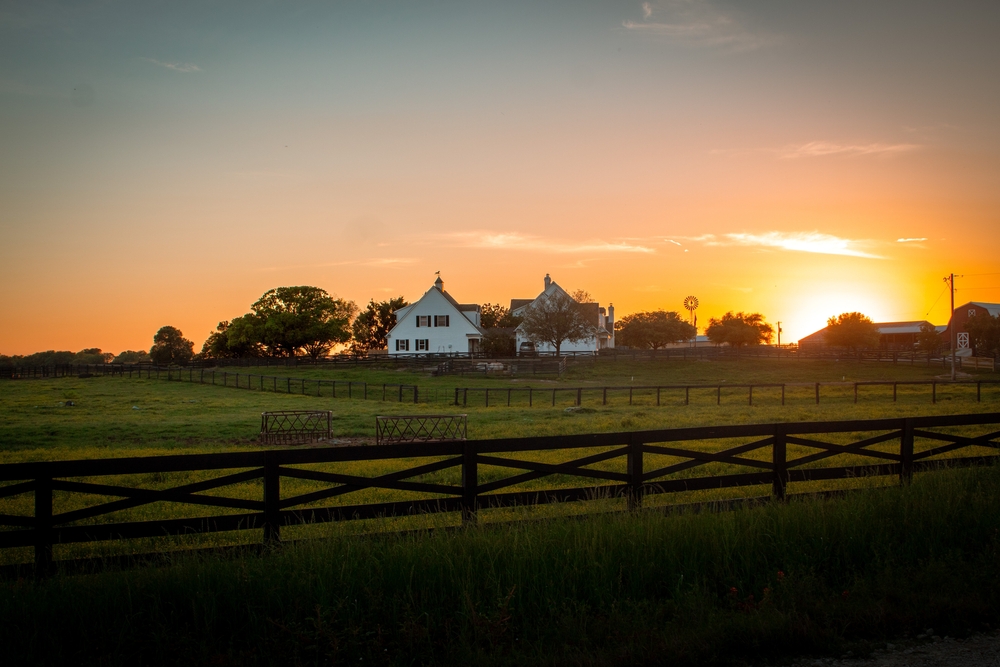
Sam Bartlett, a farmer-artist, lives on a 30-acre farm in North Texas. A retired art professor, he lives there with his spouse, Annie, and his daughter, Liz, by his late first wife. Their farm is in fictional Barnes County, near the also fictional North Texas town of Elysia.
The county is growing, to Sam’s dismay. He likes rural life. Yet, though it’s suburbanizing, Barnes County is still largely rural.
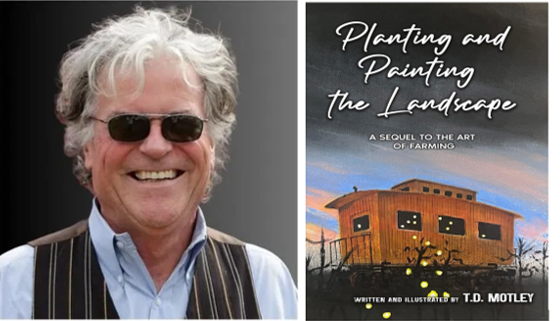
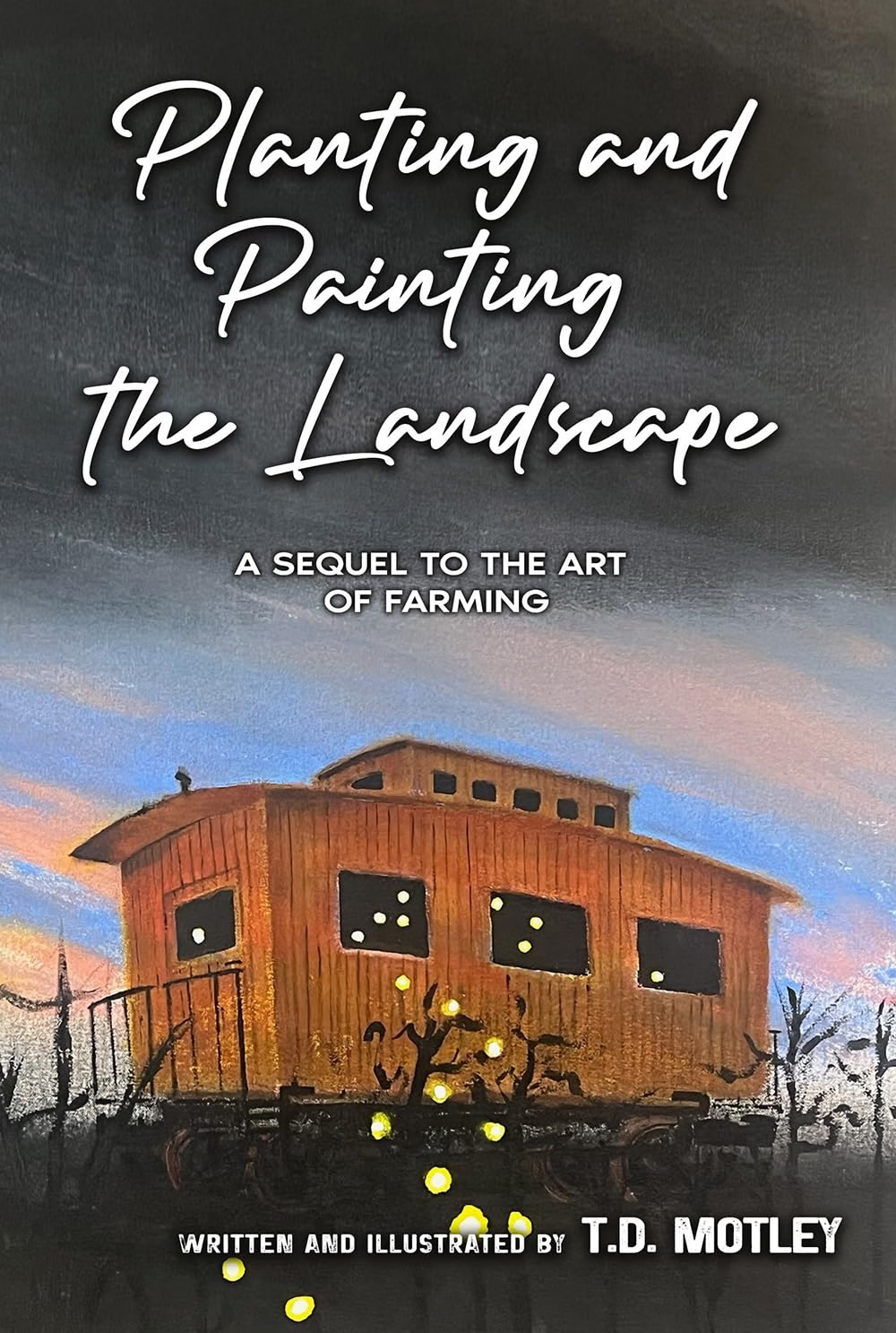
T.D. Motley’s new novel, “Planting and Painting the Landscape: A Sequel to The Art of Farming,” traces the lives of Sam, Annie, Liz, and their friends after 9-11. For Sam and his family, their farm is a sanctuary, a place where they’ve found peace.
The Bartlett family grows herbs and vegetables; they sell their produce to upscale restaurants and specialty groceries across North Texas, from McKinney to Abeline. They run dairy cattle and raise chickens for eggs.
Sam paints. Annie writes books on cooking and is a photographer. Liz is an adjunct teacher at Barnes County College, where she teaches horticulture. Sam hires part-time ranch hands from the local high school, young people interested in agriculture.
Earlier in his career, Sam was renowned for his large color-field abstract artwork. Since retiring, he’s switched to representational landscapes, to the dismay of friends and colleagues. They fear it will harm Sam’s modernist reputation. However, the landscapes have been well-received by buyers.
Life Explored
Told in first-person from Sam’s perspective, “Planting and Painting” explores his life, his experiences, and his thoughts. He reveals himself to be a person devoted to craftmanship, community, and stewardship of his land. He celebrates working by hand, whether building raised beds, stretching canvases for future paintings, or preparing meals. He mentors the neighborhood teens.
Sam’s quiet patience transforms the teens into better adults. Brad the Brat changes from a self-absorbed teen intent on video games to a young man who helps others. Robin, Sam’s current lead hand, discovers and develops her talent for art. Vern, one of his earliest farmhands, grows from a surrogate son to a son-in-law.
The book also explores Sam’s life. Throughout, he contemplates his life’s history: his experiences as an art professor, his service in the Air Force during the Vietnam War, a yearlong sabbatical in Greece, and a year as a visiting professor in England. His musings reveal how these shaped him.
He also reflects on his family. A brother, Artie, died in Vietnam while Sam was in North Dakota. He remembers his grandparents and visiting their farm in East Texas. There were the summers spent with Uncle Bill and Aunt Lorene in the Hill Country.
Sam is also revealed as a man who takes art seriously. There’s nothing superficial about the way he approaches art. He views it as a calling. He reflects on the creation of art, both abstract and representational, throughout history.
While he no longer teaches, he still fosters art students. He invites classes to his farm to practice landscapes and aids their professor in guiding students as they create their panoramas.
He quietly encourages the young people around him to follow their artistic talents. He appreciates why their parents are reluctant for their children to pursue art careers. He understands why many view art as nothing more than a hobby, like golf, to be practiced at leisure but not in a serious way.
Yet, he also understands that true talent, in whatever field, should be developed. He respects STEM but reveres art.
Sequel
While “Planting and Painting the Landscape” is a sequel, with the same characters appearing as in “The Art of Farming,” it stands independently. It can be read and enjoyed without having read the previous book.
This is a quiet, contemplative novel. It lacks car chases. The only battles fought are those of a farmer improving his land. Its biggest mystery—a baby crying in the woods—turns out to be a peacock calling.
The novel is filled with hayrides, horseback hikes, and preparing and planting farm beds. However, it’s no less powerful for that. It captures the sweep of time and the transfer of heritage from one generation to the next.
Motley has written a thoughtful and thought-provoking story. It’s a reflection on the changes which have occurred in a rural Texas town over the last 25 years.
Despite narrator Sam’s disapproval of many modern trends—suburban sprawl, the desire for “branding,” the increasingly faster pace of modern life—this is an optimistic novel. “Planting and Painting the Landscape” shows a world where a slower pace is still revered, where dark, star-filled skies still exist, where art is still important, and where room remains for craftsmanship and creativity.
It’s a world worth visiting, even if only in the pages of a novel.
‘Planting and Painting the Landscape: A Sequel to The Art of Farming’
By T.D. Motley
Stoney Creek Publishing Group: Aug. 17, 2026
Paperback, 218 pages
What arts and culture topics would you like us to cover? Please email ideas or feedback to features@epochtimes.nyc