SEARCH


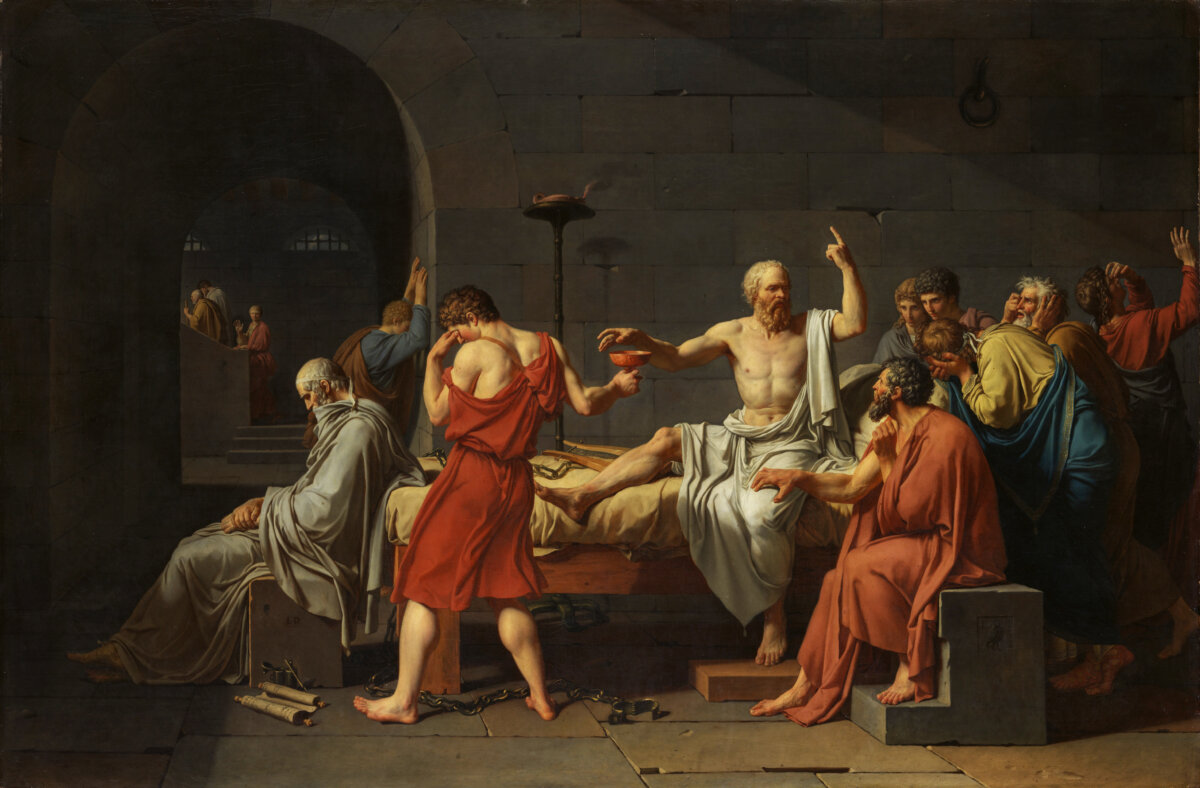
Scientists guess that matter came into being 13.7 billion years ago. What was before matter? Energy, they say. What was before that? We don’t know, and perhaps don’t need to know. Socrates asked his pupil Xenophon, “Is it true people are so curious about the origin of things?” The great philosopher himself was not concerned with why things exist, but rather how we should live. Moral principles, the laws that make a human or a society flourish, were his only concern.
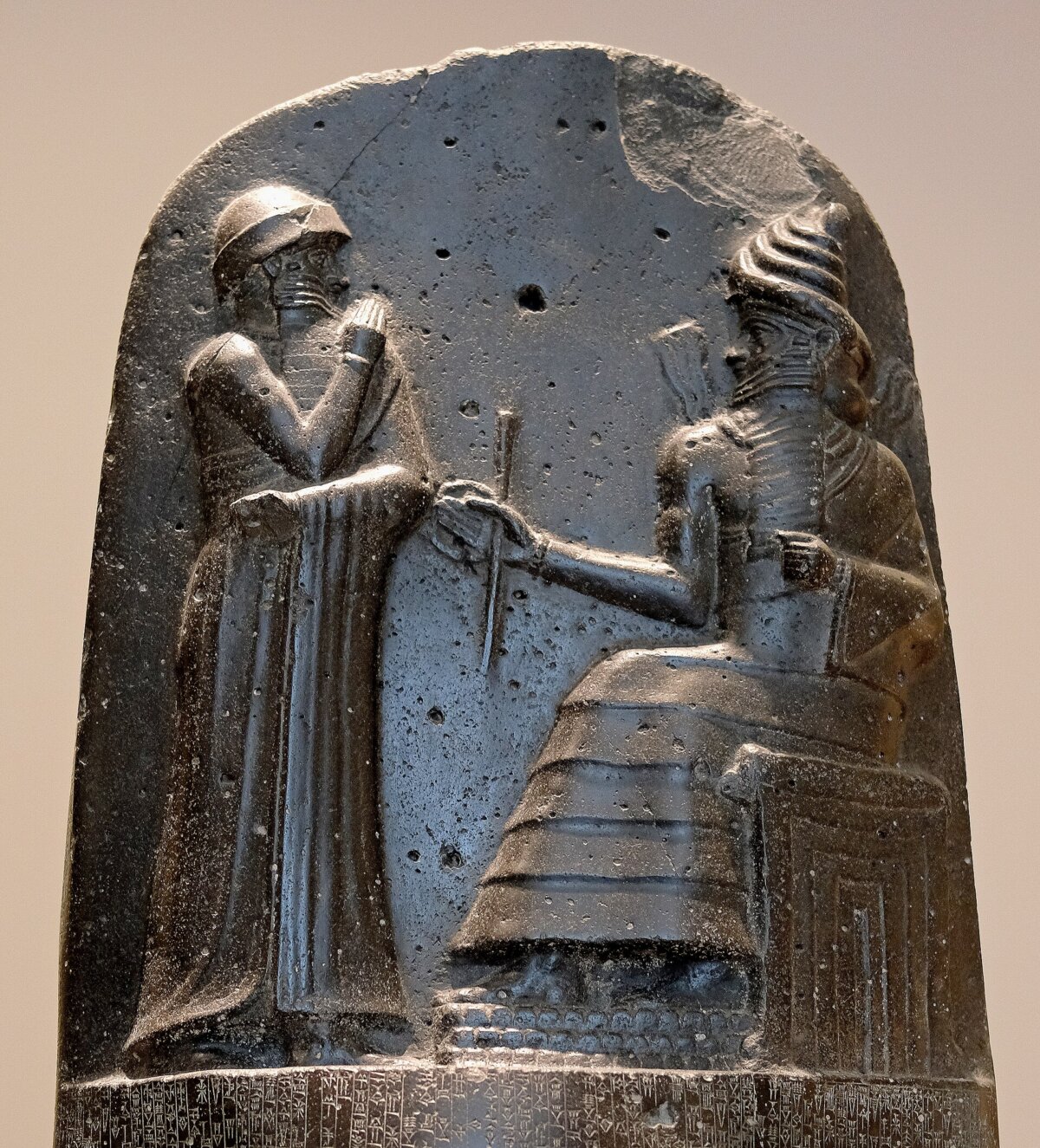
The practical laws of civilization, Rousseau’s so-called social contract, evolved as men gave up their nomadic wanderings, planted crops, and lived in stationary communities. Beginning with the Sumerians around 4,000 B.C., a succession of cultures, among them Babylonian, Egyptian, Chinese, Greco-Roman, and Western European, has produced laws, lawyers, judges and juries, as well as police and a penal system designed to enforce those laws—a system of violence to protect the population from doing violence to each other.
However, one cannot legislate morality. Without moral principles, without honor or truth, or love of one’s neighbor, the social contract is nullified, and society collapses. Moral principles, whether expressed in the Dhammapada, the Laws of Manu, the writing of Plato, or the Sermon on the Mount, lay at the foundation of every great culture. Without them, a society cannot flourish. Science, technology, wealth, and military power cannot save them.
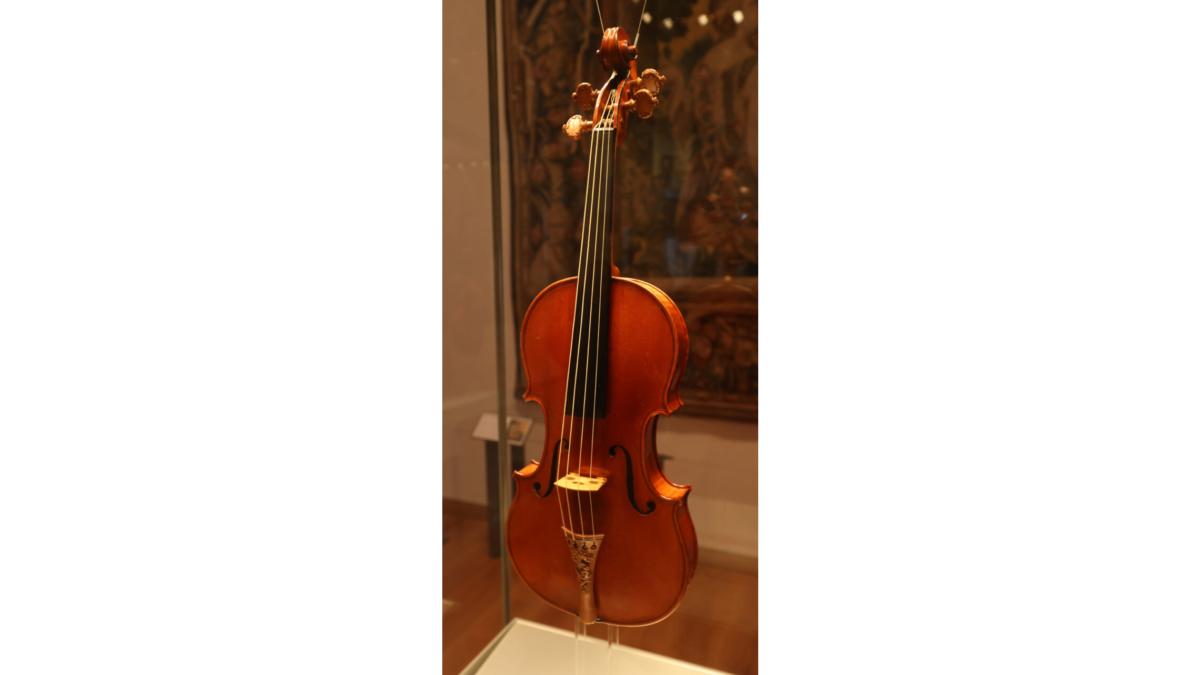
The art of a people is also subject to moral principles. Music, for example, might be based on the physical laws, the overtone series, its division into 12 pitches within an octave, its harmonies and counterpoint, but it becomes a moral issue when men assemble these pitches into melodies, harmonies, and rhythmic patterns which can persuade a man to do good or evil. Music can unify a people, raise their thoughts to higher things, foster goodwill, or it can divide and even destroy when it is used to stupefy the public or make money by exploiting the volatile chemistry of an adolescent.
Franz Schubert said, “I deplore music that evokes madness rather than love in people.” Verdi said, “Opera is not just a spectacle; it is a journey that touches the deepest part of the human soul.” If music does not touch the human soul, does not raise it to higher things, it degrades, diminishes, and can even destroy.
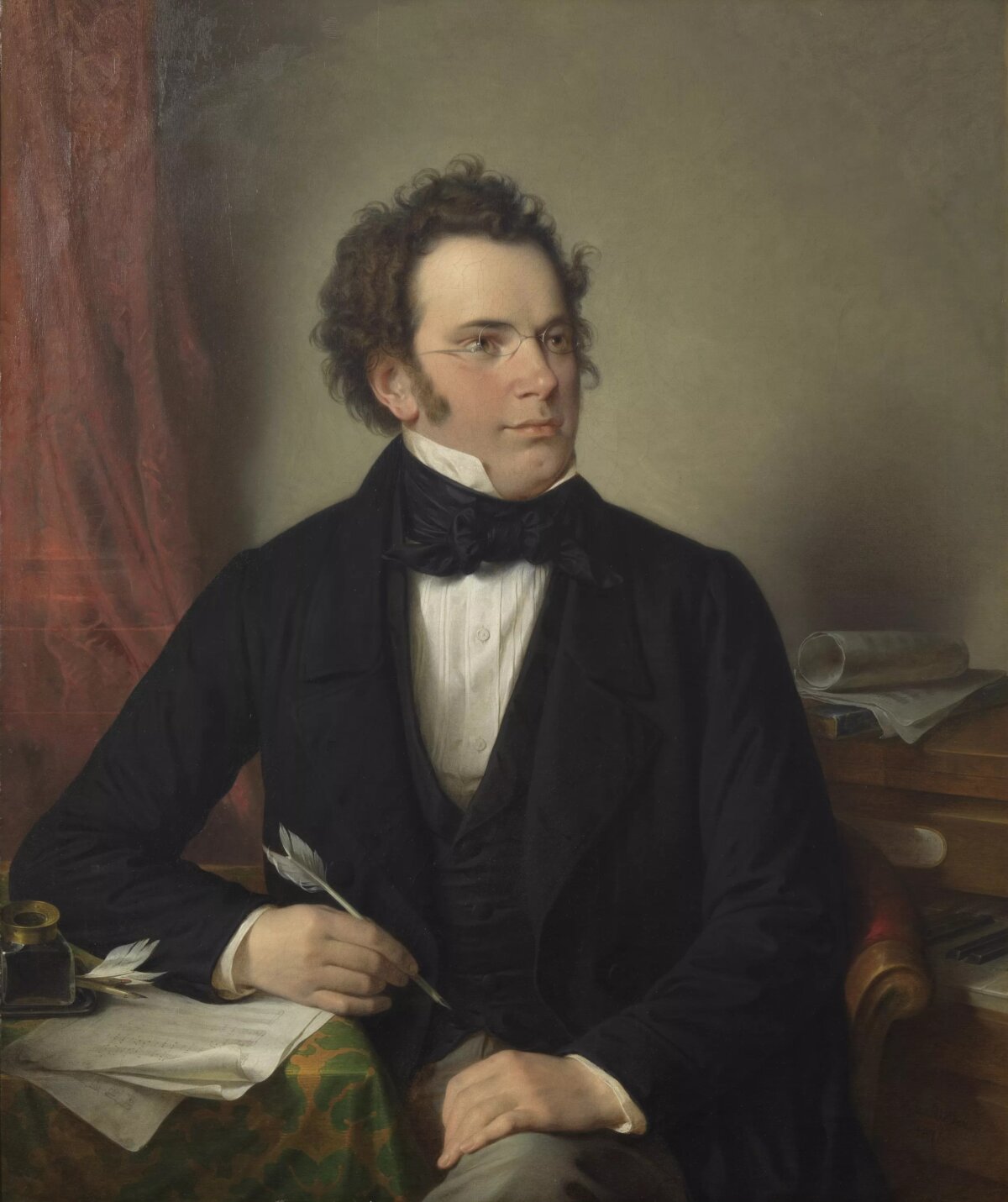
The 18th and 19th centuries, the zenith of Western civilization, yielded an astonishing harvest of poets and seers who told of a better world where God was indeed on His throne, and His children were brothers, spoke the truth and honored one another. J.S. Bach, Joseph Haydn, Ludwig van Beethoven, Anton Bruckner, Schubert, and Johannes Brahms, brought these ideals into feeling, promising an answer to the prayer “Thy kingdom come.”
The prayer was not answered in the 20th century. In America, a lust for the material so corrupted the minds of our most gifted artists that they became glamorous money-makers leading extravagant lifestyles, producing sensational musicals and movie scores, and forming alliances with a pop culture of limitless license, defying all ethical bounds.
All the arts are complicit in our present moral crisis, leading inevitably to a psychological, financial, and political crisis as well. A spiritual blindness has come over the rich and the poor, the bright and the dull, the educated and the ignorant.
The sea of faith is undeniably at an ebb, but there are communities, generally in smaller towns and rural areas, that still live by faith and principle. The numbers are few, but the truth is always the truth; there is always someone to speak it, and always someone to hear it. When one thinks in terms of generations, our prospects seem grim, but generations pass. The Romans, for a few generations, watched humans torn apart by lions as entertainment, indulged in every perversion; still, Seneca, Juvenal, and Epictetus spoke their truths, and some heard; time passed, and the Christian era was born in its wake. Germany’s Weimar era, the harbinger of Hitler’s crimes, harbored the same vice and insanity, but it suffered its consequences and passed.
By nature, man is both a beast and a higher being; he seems incapable of being purely one or the other, but nature has given him reason, conscience, and imagination, to lift him, to make better than he has been. One might object that man is as primitive as ever, still brutal, still predatory, that nothing has changed, but nature’s work is slow, as we see from the 3-million-year-old Pleistocene, and the 30-million-year-old Oligocene eras. Nature is inclined to slow changes; earthquakes, sinking continents, and volcanic eruptions are the rare the exceptions.
Thousands of years passed before the people of Western Europe ceased eating each other. It has been only a few centuries since men were not tortured and burned alive in public. When Rembrandt walked across a bridge in Amsterdam, he was bound to see someone hanging from a lamppost. In fact, a young rogue from his own native Leiden, the Netherlands, the subject of his painting “The Anatomy Lesson,” had been hanged for stealing a coat in 1632. Such sights are no more. It has not even been 200 years since the president of the United States declared slavery immoral and unlawful.
A few generations are the twinkling of an eye in the great overview. Art, both the mirror of our culture and its catalyst, tells the truth to those who are willing to listen; slowly, fitfully, it does its work of elevating mankind. It seems extravagant to say that great art and its moral principles discipline society, raise a man morally, and are the solutions to violence and injustice. Still one can call to witness the wisest of men who say this is so: Beethoven,Johann Wolfgang von Goethe, Immanuel Kant, Leo Tolstoy, Albert Einstein, Albert Schweitzer, and more recently Ludwig Wittgenstein and Aleksandr Solzhenitsyn—all voices in a persuasive chorus. Presently, it seems there are few listeners. It is all the more reason for you, the reader of these words, and for me, their author, to listen carefully and to live by what we have been told.
What arts and culture topics would you like us to cover? Please email ideas or feedback to features@epochtimes.nyc.