SEARCH


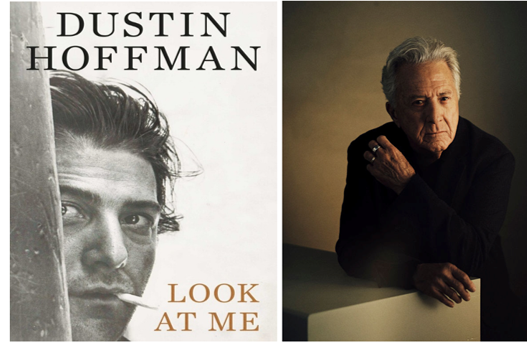
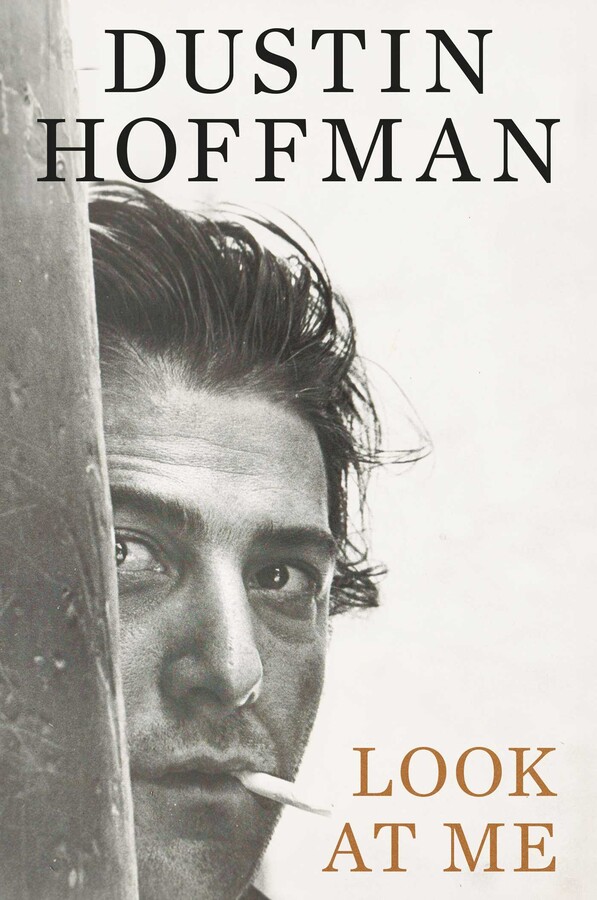
“Look at Me,” Dustin Hoffman’s intimate and revealing memoir, is an interesting title for a book that spends the opening pages focusing on the author’s desire not to be noticed, preferring his more glamorous older brother, Ronny, to get all the attention.
Insecurities about his height, pimply complexion, nose, and braces made him feel “like an outsider.” This insecurity plagued him throughout his youth and adulthood and pretty much continues to this day.
It’s not until later in the book that he revealed why those three words stuck with him. In a conversation with Laurence Olivier during the filming of their 1976 movie together, “Marathon Man,” Hoffman asked his legendary co-star why he took up acting. To make his point, Olivier got “nose to nose” with Hoffman and whispered, “Look at me, look at me.”
Hoffman looked, thought it over, and understood. “We need you, the audience,” he wrote. Without an audience to play to, Hoffman explained, without an audience who’s fully engaged with a performance, this form of artwork can’t be accomplished.
He takes it a step further. The book speculates that everyone has a fundamental desire to be seen, and an actor has little time for that to happen on screen before “another generation comes up to bat.”
Cultural Sensation
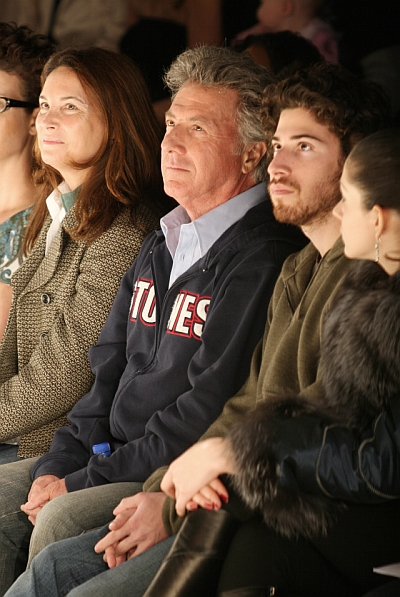
The Mike Nichols-directed 1967 hit “The Graduate” catapulted Hoffman to stardom. The movie, he says, wasn’t only a commercial success but “a cultural sensation.” It positioned the actor as something bigger than he was. He became a symbol of the generation who rebelled against materialism and the old-fashioned beliefs of their parents and opposed the war in Vietnam.
The next big role he chased became a difficult sell because of his brilliant portrayal of clean–cut, college-educated Benjamin Braddock in the Nichols movie. Hoffman painstakingly transformed himself to become the hunchbacked Ratso Rizzo of “Midnight Cowboy.”
A meeting with the director turned into an audition. They met at midnight in Times Square. Director John Schlesinger watched the actor, who’d gone for days without a shave or shower, blend in unnoticed to the late-night New York City crowds. Hoffman was offered the job and would earn a Best Actor Oscar nomination for the role.
Informal Format
There are more stories like this in a read that’s both fascinating and informal. It’s informal because, although Ariel Levy, a staffer at The New Yorker, is listed as co-writer, one hears Hoffman’s voice throughout. When referring to the attributes of his big brother after he threatened local kids with a brick for bullying Dustin, he wrote, “He isn’t just some lug.” You’ve gotta love it when an author uses such a colorful term to refer to a dull, clumsy person. Then, with pride, he adds that his elder sibling grew up to become an economist, professor, and lawyer.
“Look at Me” should appeal to film enthusiasts, aspiring actors, and those who enjoy the backstories of some of the biggest movies of the past 50 years. Hoffman worked alongside the other greats of his generation, like Steve McQueen, Warren Beatty, Meryl Streep, Robert Redford, and actor-director Sydney Pollack. “Tootsie,” another successful Hoffman flick, received 10 Academy Award nominations, including Best Picture.
Act Like a Tomato
In the chapter titled “A Tomato Doesn’t Have Legs,” Hoffman recounts when he played Tootsie in the classic scene where his character, Michael, is portraying a tomato in a commercial. He argues with his agent, portrayed by Sydney Pollack; Michael can’t understand why he’s being asked to sit, saying, “If a tomato can’t move, how’s he going to sit down?”
Hoffman uses this example to discuss the level of preparation for a role in his infamous method-acting style. This strict attention to detail and desire to have it translate to the screen gave him a reputation for being difficult. “If you’re really playing by the rules of a tomato, you can’t just get up and walk across the stage to a chair.”
Readers will enjoy these captivating views into the workings of Hoffman’s actor mind. It’s on full display as he carefully distills the subtleties of a scene. “Kramer vs. Kramer,” for example, was being shot during the disintegration of Hoffman’s first marriage. It was a role he didn’t want to accept at first, but eventually he agreed. With his off-screen divorce proceeding throughout the shoot, he had lived the experience; he pressed for changes in how he and Meryl worked their on-screen relationship.
“All the President’s Men” told the story of the Watergate cover-up from the standpoint of the two Washington Post reporters, Bernstein and Woodward, who broke the political scandal. When Bernstein’s mother came on the set, Hoffman remembers that she commented on how the actor was portraying her son. “That’s Carl,” she said as she looked at Hoffman’s “long hair and coffee-stained shirt.” Then Hoffman wrote, “There was always cigarette ash on his tie.”
Undiagnosed ADHD
These tiny details enrich our understanding of the making of great pictures. After two marriages, six kids, and a handful of grandkids, the two-time Academy Award winner looks back, grateful for a life well-lived with a level of success he isn’t sure he deserved.
Hoffman never wanted to be an actor. He only took an acting class in college because he needed an easy three-credit class, or else he’d have had to repeat the year. Although he hated the classroom because of what may have been undiagnosed ADHD, he felt a shift in the acting class. “Suddenly, I could memorize, I could study, I could focus.”
Fans may or may not remember the allegations of sexual misconduct he faced in 2017. He addressed the issue for a couple of pages in the chapter titled “There’s Nothing to See.”
He acknowledges that he made women uncomfortable but explains that it comes from a side of him that made inappropriate comments and lewd jokes. It’s for the laugh, he says, adding, “I’m not looking to humiliate or offend anybody.” Readers will have to decide for themselves if his explanation of the allegations suffices.
Hoffman’s informal, conversational tone makes readers feel like they’re sitting down with him over a cup of coffee. However, his stories float very un-chronologically, making it a bit disconcerting. Stories of his youth may crop up further into the book, after his career is up and running.
But it’s nothing to complain about. At this point in his life, as he enters his 10th decade, we’re grateful for the treasure chest of movie history he’s gotten down on paper for today’s fans and the next generation of actors to come.
‘Look at Me’
By Dustin Hoffman and Ariel Levy
Simon Six: Nov. 10, 2026
Hardcover, 320 pages
What arts and culture topics would you like us to cover? Please email ideas or feedback to features@epochtimes.nyc.